Indonesia often conjures up temples, rice terraces and Bali sunsets. And while you’re almost guaranteed to find all of that, look a little closer and things get far more interesting. The country is split by a little-known ecological boundary, where wildlife on one side evolved entirely differently to the other: orangutans in Borneo, Komodo dragons in the east, ocean sunfish drifting through deep water, and tiny, wide-eyed primates hiding in Sulawesi’s forests. Indonesia’s wildlife is, quite simply, unlike anything else on Earth. And here’s where to find it…
Where does it all begin?
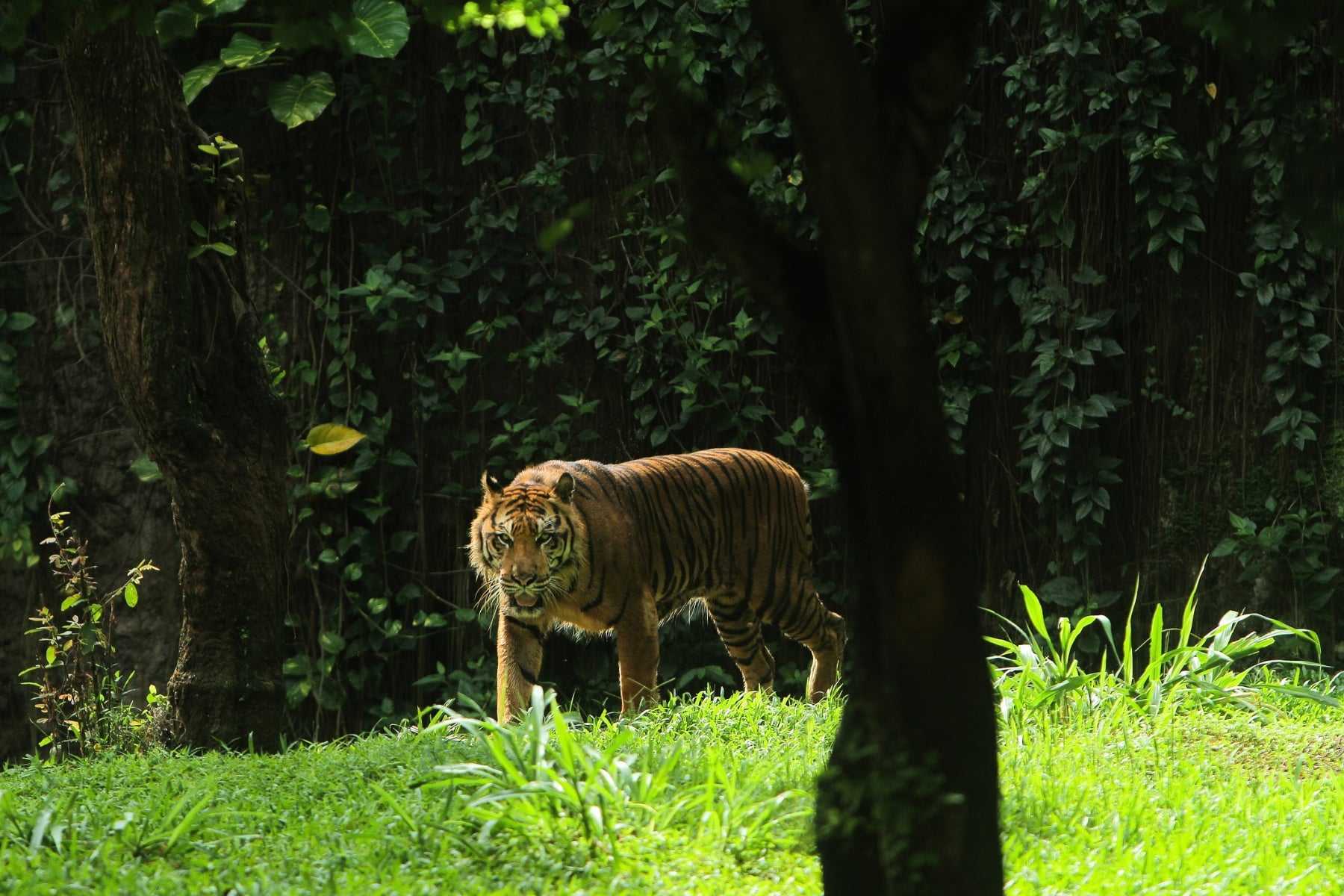
Running through the middle of Indonesia, between Bali and Lombok, Borneo and Sulawesi, is the Wallace Line, named after the 19th-century naturalist Alfred Russel Wallace who travelled these islands for eight years and noticed something extraordinary. The animals on one side bore no resemblance to those on the other, despite the islands being separated by as little as 35 kilometres. Tigers and orangutans to the west; dragons and marsupials to the east. Two vastly different biomes separated by a wall of deep water that never closed, not once in 50 million years. Which is why Indonesia’s wildlife is so irreplaceable; these animals didn’t just accumulate here, they evolved here.

Komodo & Flores
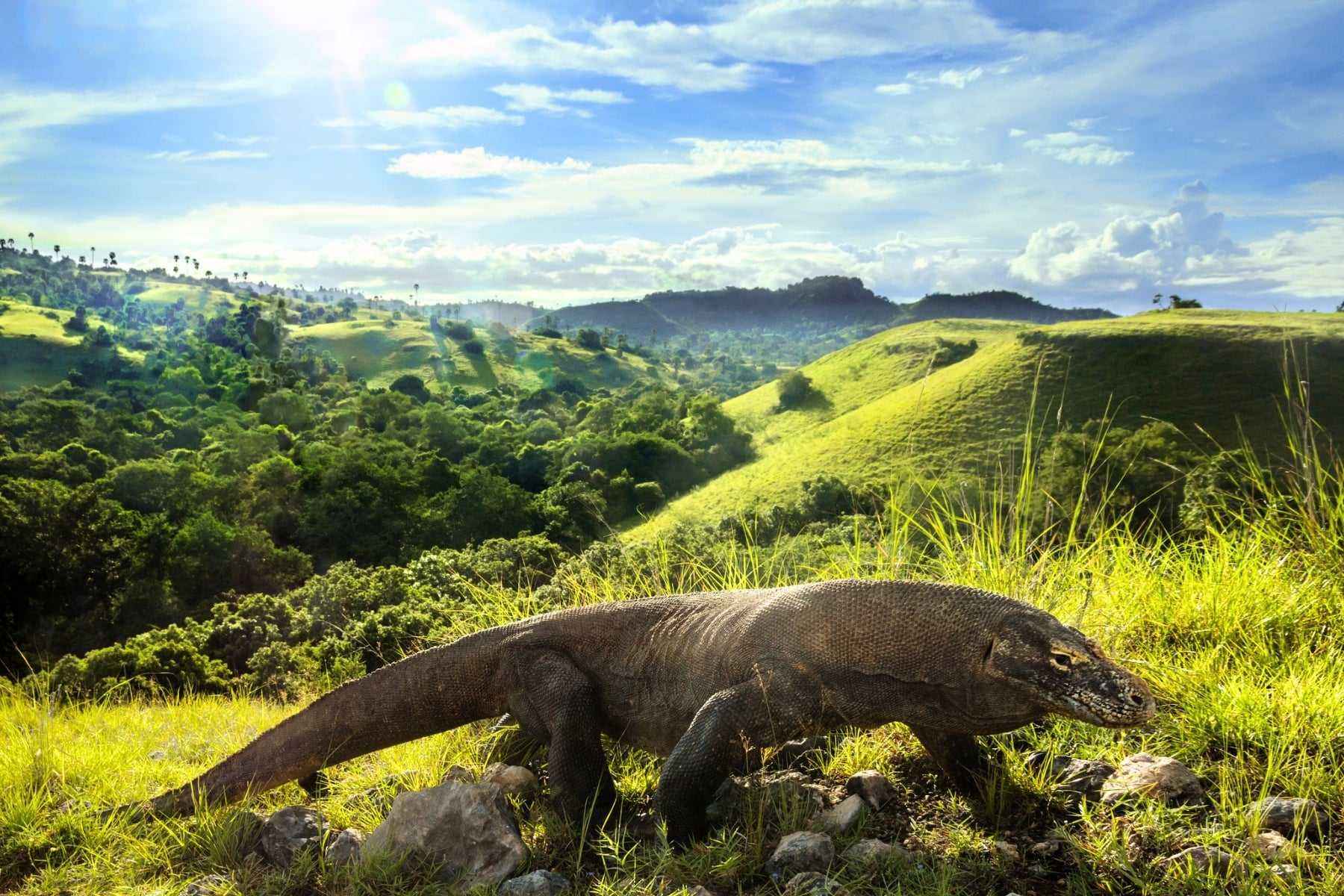
First up is the most famous resident: the Komodo dragon. It’s the largest lizard on Earth, sometimes reaching up to three metres long, capable of consuming 80% of its own body weight in a single meal, and has a venom that prevents its prey from clotting. It is, in the most literal sense, a dragon. And the best way to see one? Aboard a private phinisi yacht, anchored in a deserted bay at dawn, and offering the opportunity to hike through the savannah before the day-trippers arrive.
Our top choice is the Tara Boat with its spacious decks, gourmet meals and beautifully-appointed cabins. There’s also plenty more to see beyond Komodo and Rinca islands, specifically in the water. Think manta rays gliding through cleaning stations at Manta Point, sea turtles drifting past pink beaches, and at dusk, hundreds of thousands of flying foxes streaming from the forest in one enormous column. Don’t miss it.

Bali
Bali isn’t usually the first place people think of for wildlife in Indonesia — and on land, that’s fair. But head out on a fast boat from Sanur and, within half an hour, you’re at Nusa Penida, where things shift underwater. This is one of the most reliable places in the world to see the mola mola, or ocean sunfish, a strange, almost prehistoric creature that can grow up to four metres tall, with a permanently puzzled expression. Between July and October, they rise from deep, cooler waters to the shallows, where smaller fish gather to clean parasites from their skin in spots known as “cleaning stations.” Manta rays use the same areas year-round, circling slowly as cleaner fish go to work. With a resident population of more than 800, sightings here are less a matter of luck, more a question of timing.
For the finest base on Bali’s east coast – and the most logical launchpad for Nusa Penida – Amankila is the answer. The stilted suites hang above the Lombok Strait itself, and the resort’s outriggers and dive boats will get you to the mantas in under an hour.
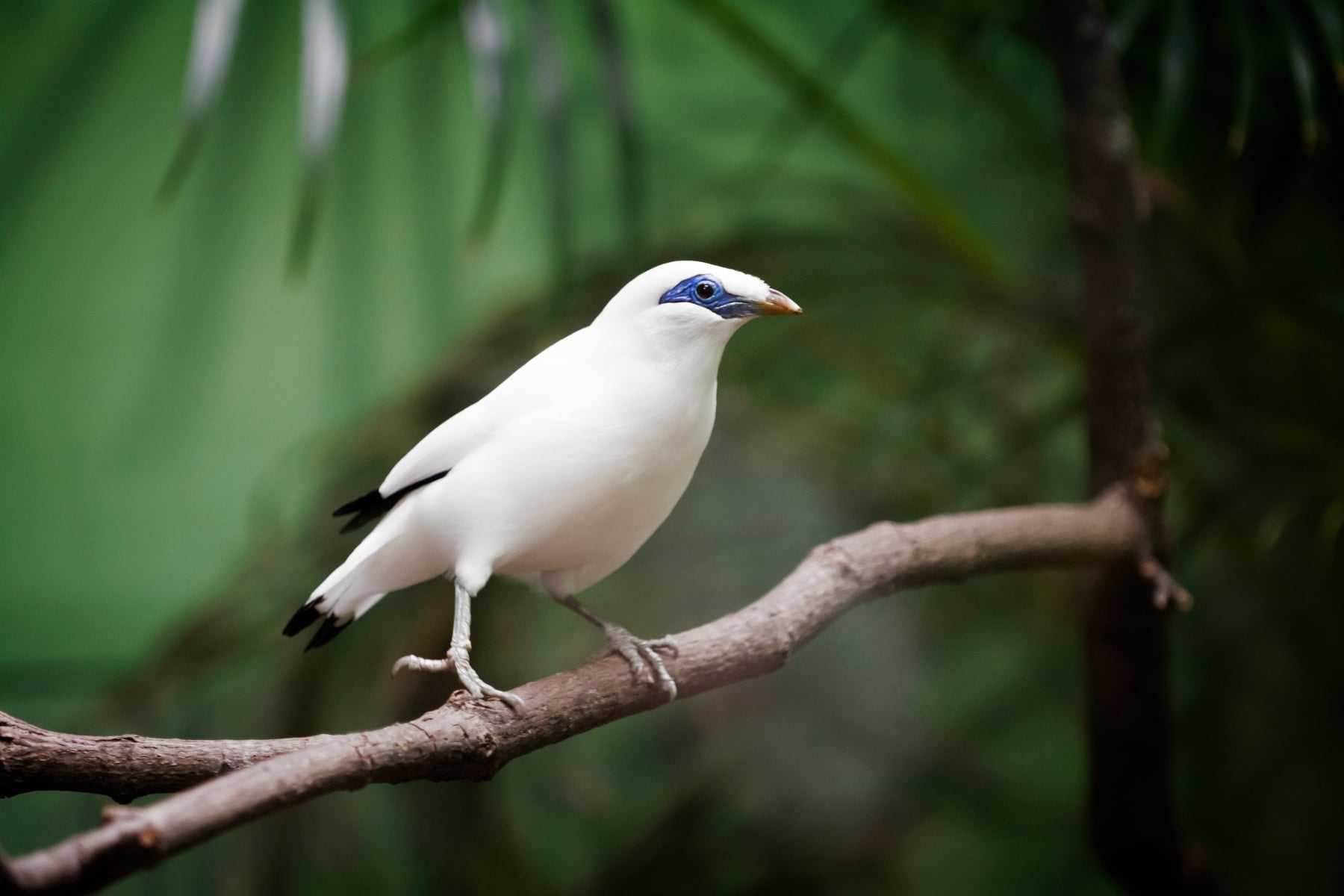
On the island’s northern fringes, it’s worth seeking out Bali Barat National Park and the Bali Myna. The island’s only endemic vertebrate species, it’s almost entirely white, with ice-blue skin around its eyes, and by 2001, was reduced to just six individuals in the wild. Thanks to extraordinary community-led conservation on Nusa Penida, numbers have recovered to over 500. Accommodation wise, the Munduk Moding Plantation Nature Resort, set high in the coffee-plantation hills of north Bali, makes the ideal base with views across the Java Sea, an infinity pool hanging over the rice fields, and the park within easy reach.

Java
Most visitors to Java come for the temples but we’d argue that they are missing something fantastic… In the far east of the island, Baluran National Park (nicknamed ‘the Africa of Java’) offers beautiful golden savannah stretching all the way to the sea backed by the brooding Mount Baluran. At dawn, herds of Javan banteng, a wild cattle species with striking swept-back horns, graze across the grass beside deer and strutting peacocks, while the Javan leopard lurks in the tree line. It’s one of the most surprising wildlife experiences in Southeast Asia that almost nobody ever sees.
Tugu Malang, an extraordinary antique-collector’s hotel in the Dutch colonial town of Malang, makes a superb base for Baluran and the spectacle of Mount Ijen beyond, while the Hotel Majapahit Surabaya is a wonderful choice in the closest major city to the park. Both offer the kind of character and atmosphere that makes Java’s culture feel as magical as its wildlife.
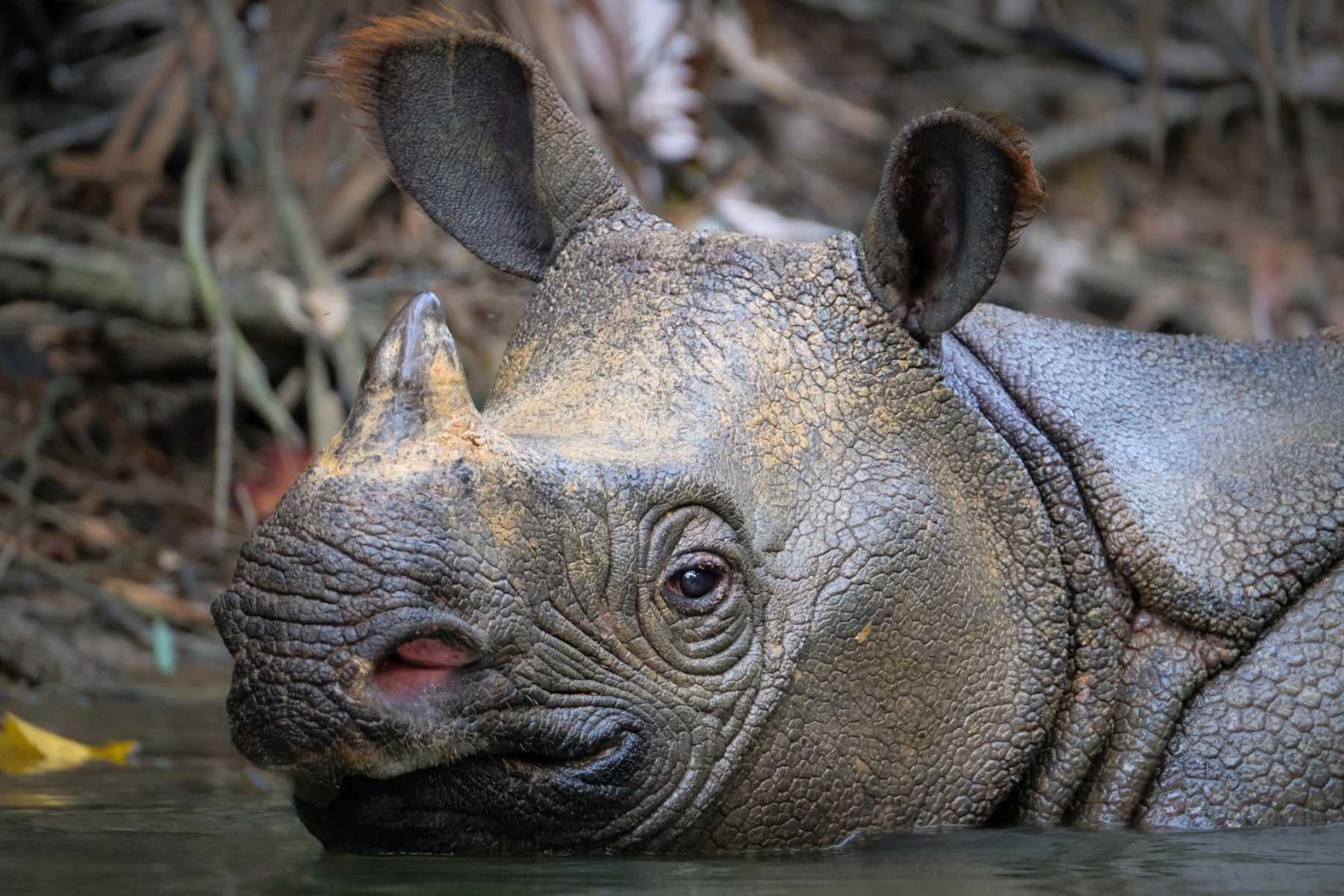
For those willing to go further off-piste, Ujung Kulon National Park, at Java’s very tip, is the last refuge of the Javan rhinoceros. There are fewer than 80 individuals left in the wild, accessible only by boat or multi-day jungle trek, and almost never seen. We’ll be honest: sighting one is incredibly rare even on a dedicated expedition. But being in the same forest as the rarest large mammal on Earth is a spine-tingling experience.

Borneo (Kalimantan)
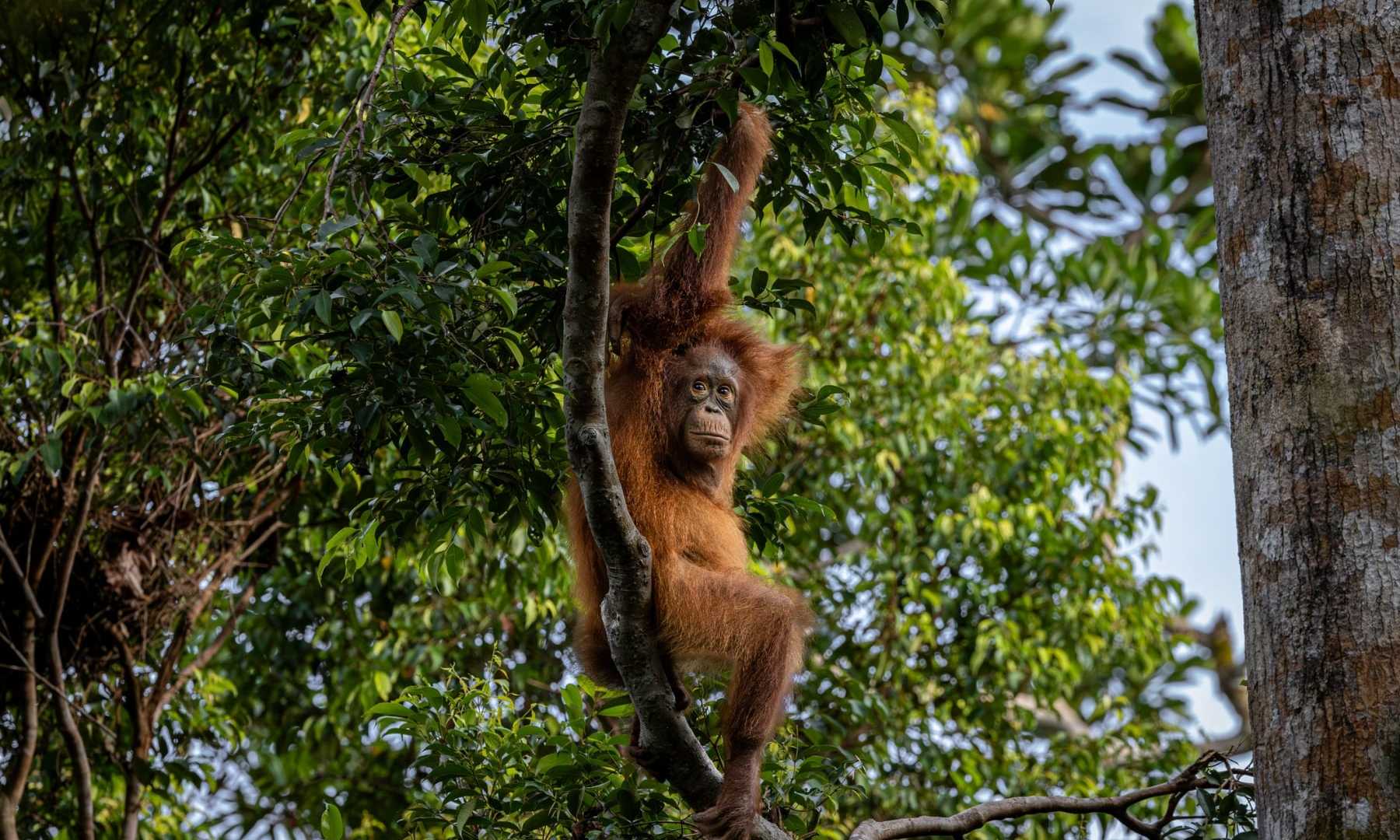
The Bornean orangutan shares 97% of our DNA, can spend up to eight years with its mother, and produces one of the most extraordinary vocalisations in the animal kingdom — a shivering, rippling call that carries for miles through the forest. Seeing one in the wilds of Tanjung Puting National Park is the kind of encounter you’ll still be describing at dinner tables twenty years from now.
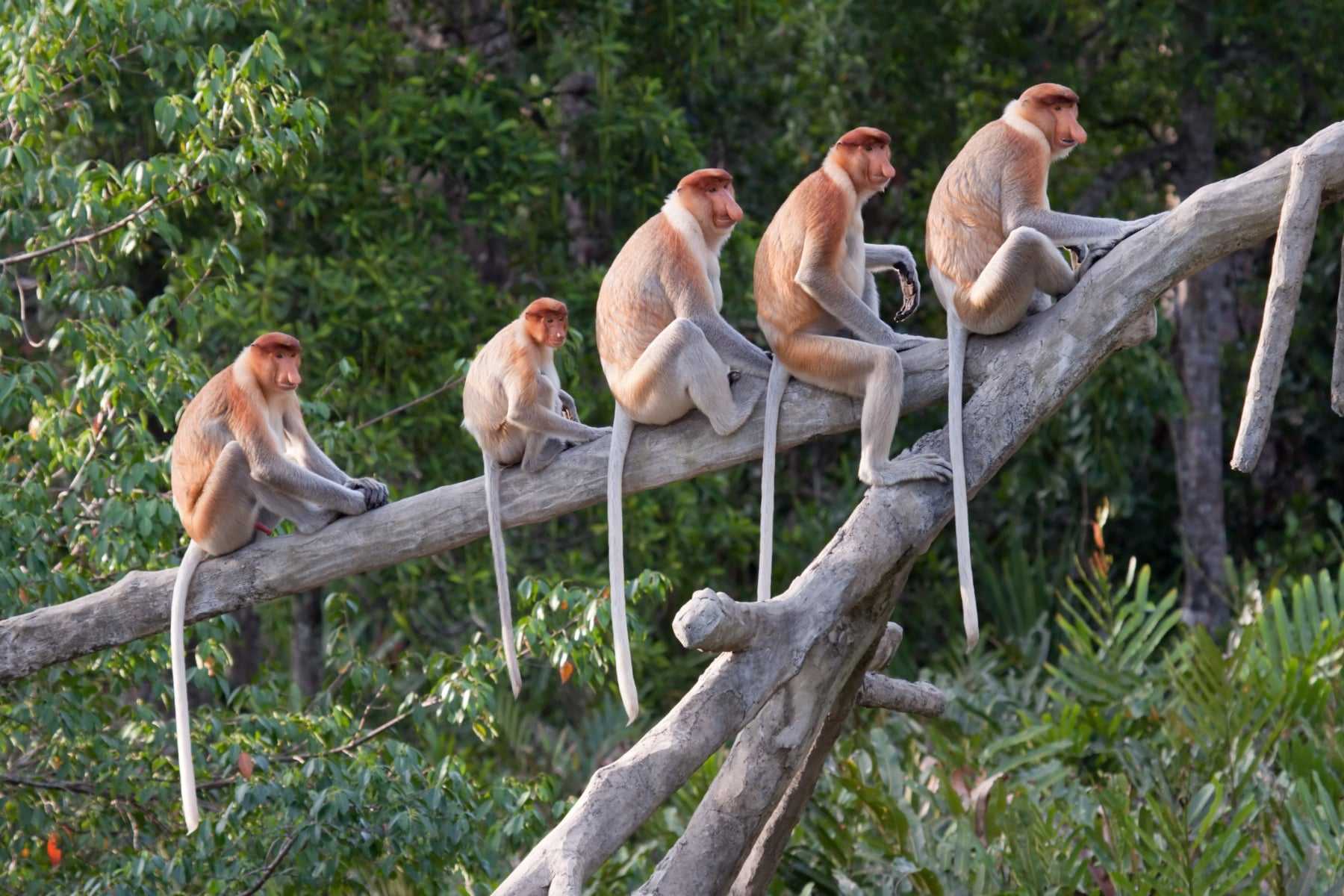
The best way to do it is by klotok, a traditional wooden river boat that drifts upriver through the jungle, mooring each night surrounded by fireflies and gibbons. Three research stations along the Sekonyer River offer multiple chances to observe wild and semi-wild orangutans up close, alongside proboscis monkeys gathering in the riverside trees at dusk (those noses are never not amusing), macaques, hornbills and, if you’re lucky, the blue flash of a stork-billed kingfisher. The klotok is the accommodation, the transport and the highlight all at once.

North Sulawesi
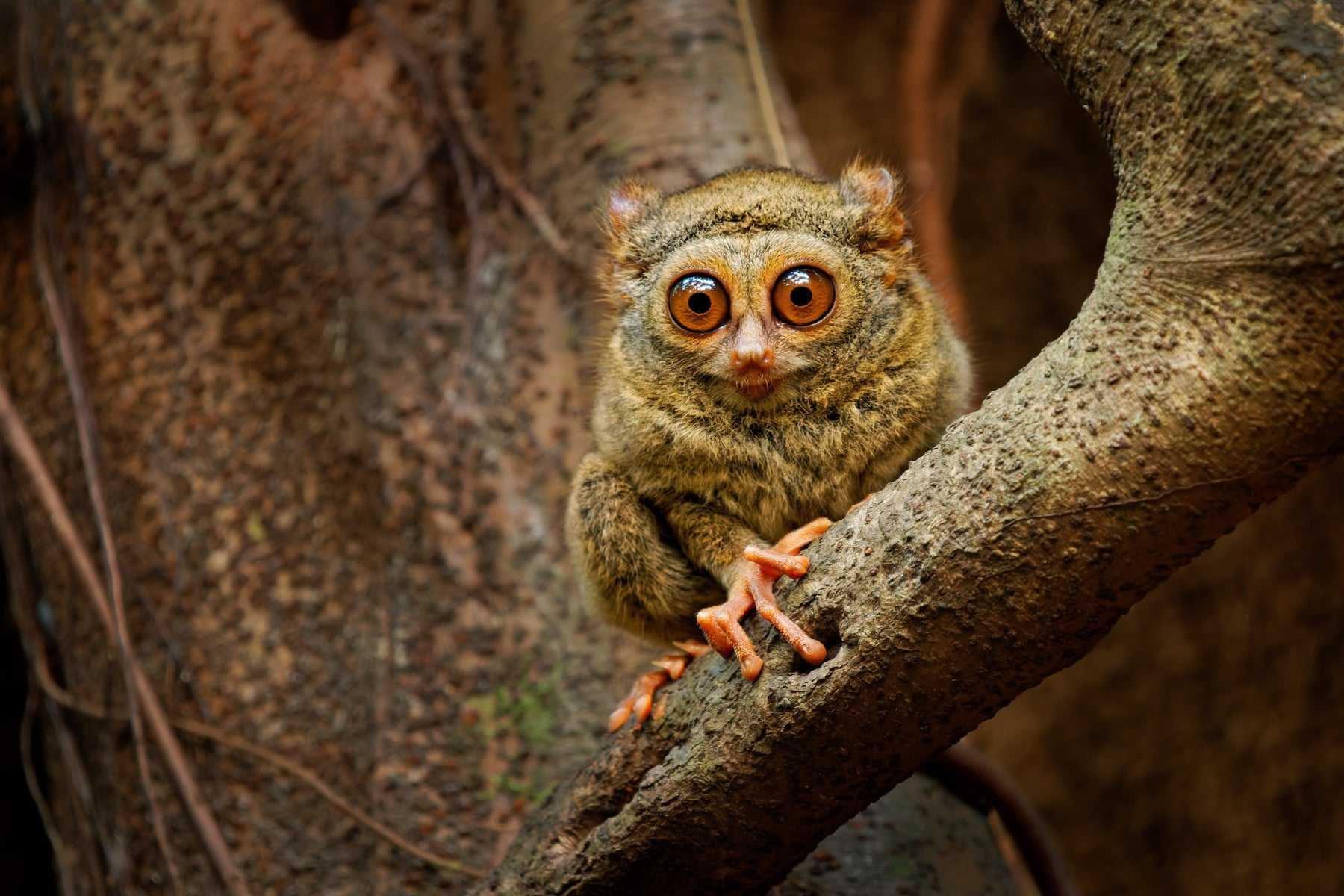
Sulawesi sits east of the Wallace Line, the invisible biogeographical divide that separates Asia from Australasia, and it shows. The crested black macaque found at Tangkoko Nature Reserve exists nowhere else on Earth. And neither does the spectral tarsier: a creature the size of your fist with eyes larger than its brain, capable of jumping forty times its own body length, and entirely carnivorous (the only primate with that particular claim to fame). It emerges at dusk, clinging to the banyan trunks, and scanning the dark for insects with those impossibly enormous amber eyes.
A guided walk into Tangkoko to find the tarsier, followed by a morning tracking macaque troops through the forest and down to the beach, is one of the most remarkable wildlife experiences in the archipelago. It requires effort to get here (you’ll fly into Manado), and accommodation is simple rather than plush. But for those to whom the animals are the point, Sulawesi delivers something that nowhere else can.
From bucket list favourites to the lesser-known (and even less seen), Indonesia’s wildlife is undeniably special and worth making a trip across the world for. So what are you waiting for?
Latest blogs


As seen in