.jpg)
.jpg)
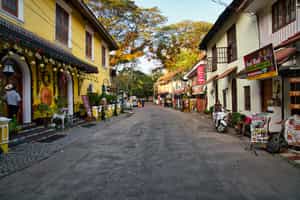
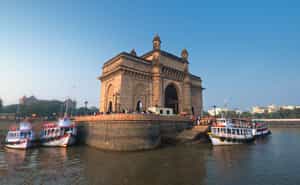
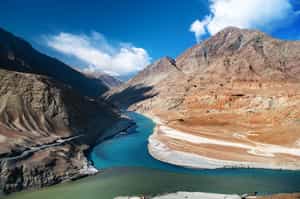
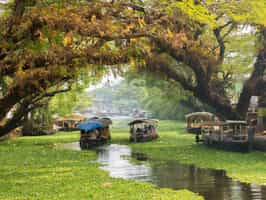
Planning Guides
India Travel Guide
Make the most of your India trip and start planning!
India
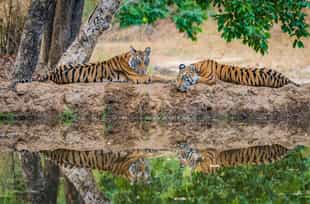
Where else can you track tigers at dawn, sip chai in the mountains and lose yourself in temple rituals? A trip to India has it all.

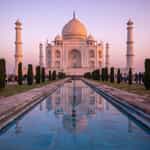
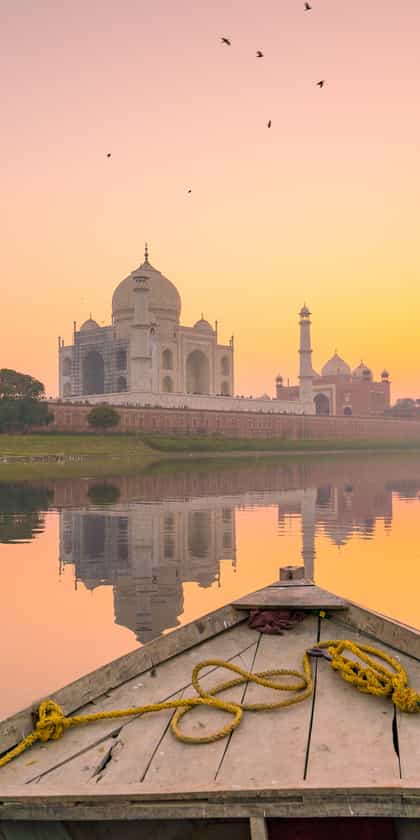
The most vibrant country on Earth inspires wanderlust like you’ve never known it. From the snow-laden peaks of the Himalayas in the north, to the pearly Goan beaches in the south, there’s a blockbuster of things to see and do, smell and experience, love and explore. For many, the first tentative dip into the vast country is Rajasthan where tiger-filled jungles and glorious architecture combine brilliantly with the Taj Mahal. A little further south, the lure of sultry Kerala and the iconic backwaters is hard to ignore, as is the chilled (in more ways than one!) mountain air of the Western Ghats. In the east, you’ll find ancient civilisations, temples and a culture that will make history buffs go weak at the knees – but we still haven’t mentioned the uber-trendy cities, scrumptious things to eat and cool-as-a-cucumber ashrams. Sound incredible, awe-inspiring and like somewhere you’d like to go? It is…

Of course it might not be everybody’s cup of chai, but those who love India fall hard and fast and exploring the hidden corners becomes a lifelong obsession. You have been warned.

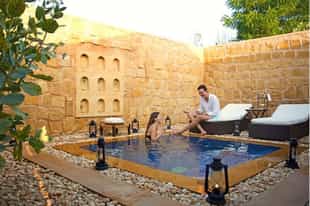
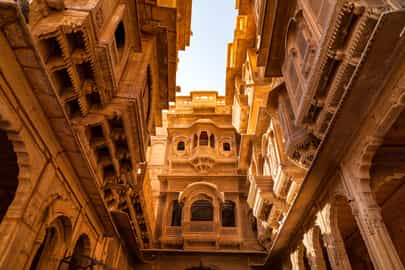
One of our favourite, and perhaps unknown, aspects of a trip to India is the sheer variety of accommodation from embellished havelis and Raj-era forts to humble homestays and juicy, organic farms.

There will undoubtedly be some places that you don’t like, but you may be surprised by what you love. Expect the unexpected, go with the flow, and your trip will be one to remember.
Start with a recommended trip or create one from scratch
15 nights from $6.4K per person
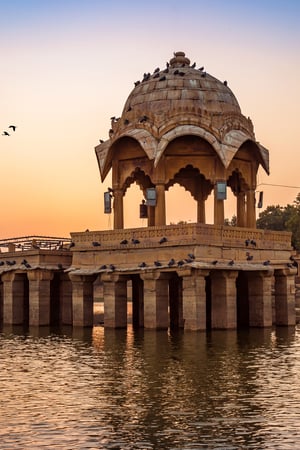
10 nights from $3.9K per person
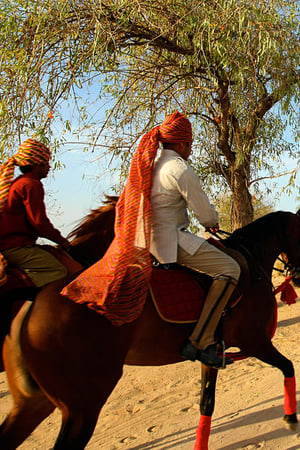
12 nights from $4.5K per person

10 nights from $5.5K per person
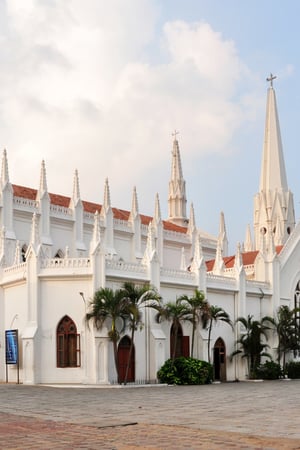
14 nights from $6.1K per person

6 nights from $2.8K per person
Get advice and suggestions to make this your perfect trip.
or call us on: +1 (646) 542 0667
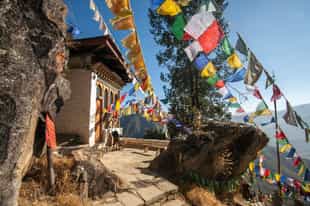
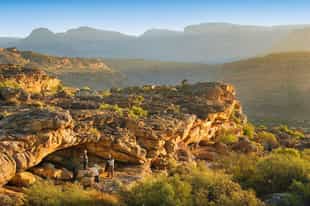
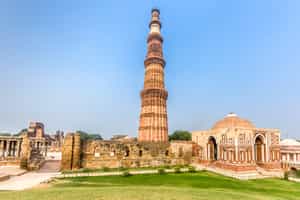
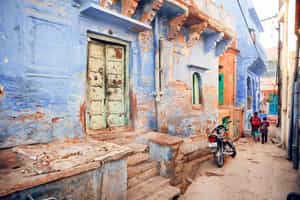
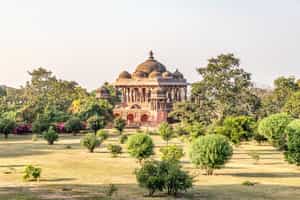
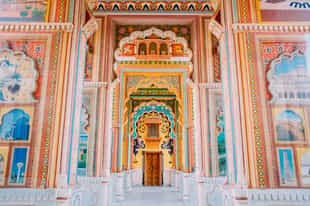
On your India travels, you might encounter spiritual strongholds and multicoloured temples, regal architecture and tiger-filled forests, and tranquil countryside scenes.
,url-https%3A%2F%2Fassets.waybird.com%2Fcdn-cgi%2Fimage%2Fwidth%3D12%2Cformat%3Dauto%2Fhttps%3A%2F%2Fassets.waybird.com%2Fimages%2Fmap%2Fpin-primary-outlined.png(78.2238516,23.0623936),url-https%3A%2F%2Fassets.waybird.com%2Fcdn-cgi%2Fimage%2Fwidth%3D12%2Cformat%3Dauto%2Fhttps%3A%2F%2Fassets.waybird.com%2Fimages%2Fmap%2Fpin-primary-outlined.png(77.613105,31.344204),url-https%3A%2F%2Fassets.waybird.com%2Fcdn-cgi%2Fimage%2Fwidth%3D12%2Cformat%3Dauto%2Fhttps%3A%2F%2Fassets.waybird.com%2Fimages%2Fmap%2Fpin-primary-outlined.png(76.631209,9.637798),url-https%3A%2F%2Fassets.waybird.com%2Fcdn-cgi%2Fimage%2Fwidth%3D12%2Cformat%3Dauto%2Fhttps%3A%2F%2Fassets.waybird.com%2Fimages%2Fmap%2Fpin-primary-outlined.png(78.402415,11.324681),url-https%3A%2F%2Fassets.waybird.com%2Fcdn-cgi%2Fimage%2Fwidth%3D12%2Cformat%3Dauto%2Fhttps%3A%2F%2Fassets.waybird.com%2Fimages%2Fmap%2Fpin-primary-outlined.png(78.02247,27.178656),url-https%3A%2F%2Fassets.waybird.com%2Fcdn-cgi%2Fimage%2Fwidth%3D12%2Cformat%3Dauto%2Fhttps%3A%2F%2Fassets.waybird.com%2Fimages%2Fmap%2Fpin-primary-outlined.png(75.786305,26.908109),url-https%3A%2F%2Fassets.waybird.com%2Fcdn-cgi%2Fimage%2Fwidth%3D12%2Cformat%3Dauto%2Fhttps%3A%2F%2Fassets.waybird.com%2Fimages%2Fmap%2Fpin-primary-outlined.png(77.203073,28.63076),url-https%3A%2F%2Fassets.waybird.com%2Fcdn-cgi%2Fimage%2Fwidth%3D12%2Cformat%3Dauto%2Fhttps%3A%2F%2Fassets.waybird.com%2Fimages%2Fmap%2Fpin-primary-outlined.png(73.0447584,26.2561577),url-https%3A%2F%2Fassets.waybird.com%2Fcdn-cgi%2Fimage%2Fwidth%3D12%2Cformat%3Dauto%2Fhttps%3A%2F%2Fassets.waybird.com%2Fimages%2Fmap%2Fpin-primary-outlined.png(81.0285426,23.6887833),url-https%3A%2F%2Fassets.waybird.com%2Fcdn-cgi%2Fimage%2Fwidth%3D12%2Cformat%3Dauto%2Fhttps%3A%2F%2Fassets.waybird.com%2Fimages%2Fmap%2Fpin-primary-outlined.png(76.5010534,26.0183273),url-https%3A%2F%2Fassets.waybird.com%2Fcdn-cgi%2Fimage%2Fwidth%3D12%2Cformat%3Dauto%2Fhttps%3A%2F%2Fassets.waybird.com%2Fimages%2Fmap%2Fpin-primary-outlined.png(76.268447,9.931976),url-https%3A%2F%2Fassets.waybird.com%2Fcdn-cgi%2Fimage%2Fwidth%3D12%2Cformat%3Dauto%2Fhttps%3A%2F%2Fassets.waybird.com%2Fimages%2Fmap%2Fpin-primary-outlined.png(72.877983,19.074294),url-https%3A%2F%2Fassets.waybird.com%2Fcdn-cgi%2Fimage%2Fwidth%3D12%2Cformat%3Dauto%2Fhttps%3A%2F%2Fassets.waybird.com%2Fimages%2Fmap%2Fpin-primary-outlined.png(77.5698351,34.1774086),url-https%3A%2F%2Fassets.waybird.com%2Fcdn-cgi%2Fimage%2Fwidth%3D12%2Cformat%3Dauto%2Fhttps%3A%2F%2Fassets.waybird.com%2Fimages%2Fmap%2Fpin-primary-outlined.png(76.411552,9.610366)/auto/600x400?access_token=pk.eyJ1IjoidGltYnVrdHV0cmF2ZWwiLCJhIjoiY2poMGw1eHpkMmRkbDJ6bW8xYWZ5OGpjYyJ9.PYvAO7lUJ40SOpGvwmQLqw&attribution=false&logo=false)
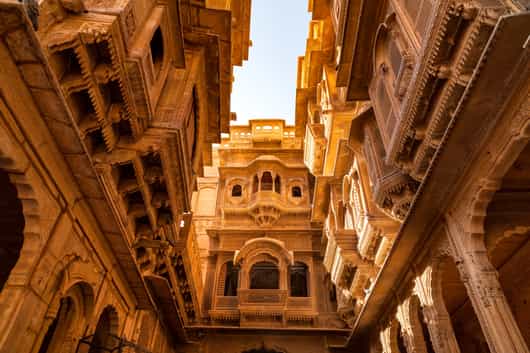
India
The Land of the Kings and the glittering jewel in India’s crown of colour, festivals and magic
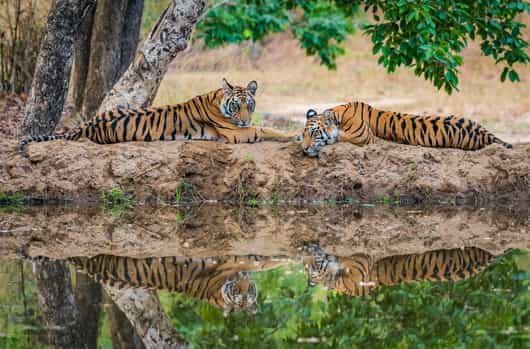
India
Follow the tiger trail and enjoy a dose of medieval majesty in this rugged central state.
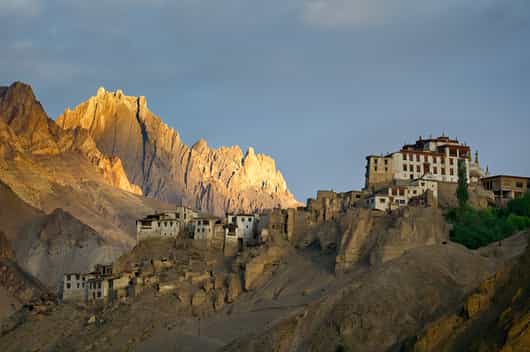
India
Let your soul soar amid the culture and landscapes of the greatest mountain range in the world.
One way to describe India is vast - meaning its weather tends to boggle the mind, changing wildly depending on where you are. Overall, the country is the most pleasant from November to March when Agra, Rajasthan, Varanasi, Goa and Delhi aren't sizzling hot. It's best to avoid Kerala and the coastline after the monsoon hits at the end of May and instead head north to the grand forts, the trails of the Himalayas or hill stations in Ladakh - but take a rain coat! As the rain eases up in September, Delhi and the Golden Triangle are more bearable to visit and the backwaters of Kerala are calling for you to drift along them. March is a stellar time to explore the wildlife parks of central India, including the famous, tiger-filled Ranthambore. Goa is the perfect place to enjoy some winter sun but by May, the coastal areas are awash with rain and the central cities reach high humidity - its the perfect time to head to the Himalayan hills. Indian festivals are a medley of colour and sound, a great opportunity to see the country at her brightest. Diwali, the festival of lights, usually takes place in early October or November, and the brilliantly colourful Holi festival is in March.

Dry Season — one of the best times to visit
Temperatures are beautiful in Rajasthan making it the perfect time for exploring palaces and forts or sneaking into the desert for a night or two.
In Kerala, days are balmy with little rain. Meander through the backwaters on a houseboat or opt for Munnar’s tea plantations for something slightly cooler
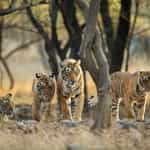
The tigers! All 10 zones are open in Ranthambore National Park (from October to June) but securing a booking requires planning many months in advance. For a quieter experience, the tiger reserves of Madhya Pradesh are also an excellent option.
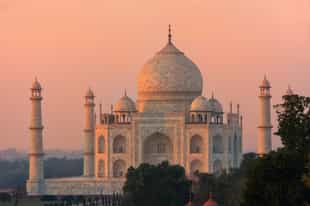
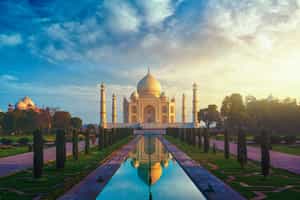
If you’re heading to Agra to admire the Taj Mahal, be careful of the morning fog during sunrise visits.
Dry Season — one of the best times to visit
Before temperatures really skyrocket, this is a fantastic time for discovering the sights and sounds of Rajasthan, be it in the cities, in the desert or at the temples.
The fog begins to lift throughout the Golden Triangle, making for unobstructed sunrise views of the Taj Mahal in Agra without being overwhelmed by the heat either.
In Bandhavgarh, Kanha and Pench, the foliage and water sources thin out, making tiger spotting increasingly easier. Cubs born in earlier months can often be seen accompanying their mothers to waterholes.
Dry Season — one of the best times to visit
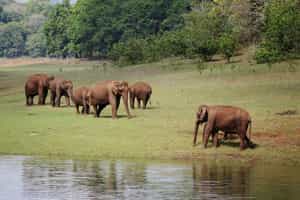
Kerala is heating up, but without being overbearing – perfect for cruising the backwaters or heading to Periyar National Park, where elephants congregate around the depleting water sources.
Tiger sightings across India’s parks are good thanks to the ever-shrinking vegetation, and guides can often pinpoint which tigers head to specific water sources and when.
The crowds thin significantly in Goa, while the sea remains a temperate 28°C and the sights are just as good.
In early to mid-March, the Holi festival explodes across India (except many areas in the South) in a riot of colour – a must-see for some and a better-to-avoid for others.
Mixed Season — a good time to visit
The Western Himalayas emerge like a rhododendron from the snow as the picturesque trails open for the spring season.
April is widely considered the most fruitful month for tiger sightings as these big cats converge on remaining waterholes, often accompanied by their growing cubs. But beware, the temperatures verge on scorching.
The north of India reaches intense temperatures but, if you’re willing to embrace the heat, travelling to Delhi, Agra and Rajasthan is still possible.
Mixed Season — a good time to visit
Central India is in the midst of intense heat but this also means tigers emerge from the undergrowth to drink and cool off at the remaining waterholes – the photography opportunities are incredible.
In the north, the Himalayan trekking season is in full swing as more and more trails become accessible and spring flowers carpet the meadows.
Rajasthan experiences its most extreme temperatures, making city and desert explorations nearly impossible.
Wet Season — a good time to visit
Ladakh reaches full accessibility and days warm into the mid-twenties, making it one of the best places to be as much of India is drenched by the monsoon. Do be aware that other Himalayan regions experience landslides during June.
While many parks including Ranthambore and Periyar remain open during June, we don’t recommend a visit as the monsoon will likely cause disruptions.
Mumbai and Kerala receive the monsoon in spectacular fashion, which most travellers (including us) avoid.
Wet Season — a quieter time to visit
With much of India experiencing extreme heat or monsoon, Ladakh is the darling of July with delightful weather and exceptional trekking conditions.
While most avoid Kerala during this period, it’s actually an optimal time to visit an Ayurvedic retreat as the conditions are just right.
Goa is firmly in monsoon mode with intense rainfall and rough seas.
Wet Season — a quieter time to visit
Although temperatures start dropping, Ladakh continues to enjoy excellent trekking conditions – your last chance to explore this corner of the Himalayas before the passes begin to close.
The monsoon begins to ease up in areas like Kerala (though backwater cruises remain challenging) and India’s tiger reserves, teeing them up for a lush and very photogenic re-opening..
Mumbai’s most prominent festival, Ganesh Chaturthi, takes over the city in late August and sometimes the beginning of September. The devoted race to Mumbai despite lingering monsoon conditions and it’s quite a spectacle!
Wet Season — a good time to visit
The Autumn trekking season opens in the Himalayas with clear skies, stable weather and golden landscapes.
The monsoon and scorching temperatures start to ease up across India, beginning with Jaipur and Jodhpur.
White-water rafting in Rishikesh reopens in late September but if you’d rather head for a yoga retreat, the dry weather means their doors are open once again.
Kerala is a brilliant shade of green after the monsoon, making it a rather photogenic time for a cruise, especially towards the end of September.
Dry Season — one of the best times to visit
Early October offers a brief sweet spot for a visit to Rajasthan and Agra as, with beautifully clear skies and reduced temperatures.
India’s tiger reserves typically re-open in mid to late-October and, although the vegetation isn’t exactly conducive to spotting the cats, it’s a stunning time to visit.
Rajasthan really finds its groove with glorious days, replenished lakes and streets washed clean by the rains.
In mid to late-October (sometimes extending into early November), Diwali illuminates cities across India. Areas like Varanasi, Jaipur and Udaipur are especially amazing but be aware that the crowds and cost will be significant.
Tamil Nadu experiences a high likelihood of flooding as the northeast monsoon arrives.
Dry Season — one of the best times to visit
Rajasthan is in fine form at this time of the year with idyllic temperatures that are just right for any and all itineraries.
Kerala comes into its own with lovely conditions for coastal excursions or backwater cruises.
Tiger safaris are back with a bang, although do expect sightings to be more hard-won as the lush (and very photogenic) foliage creates fantastic camouflage.
Tamil Nadu is considered a no-go zone as the northeast monsoon wreaks havoc on its coast.
Dry Season — one of the best times to visit
Snow leopard season begins tentatively in Ladakh (and continues until April) as the elusive cats descend to lower elevations in pursuit of their prey.
Rajasthan enjoys the finest of winter weather with pleasant temperatures and fantastic photography conditions.
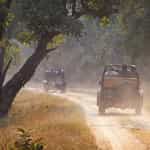
Expect chilly but rewarding morning safaris in India’s tiger reserves as the big cats bask in the winter sun and golden lighting makes for outstanding photos.
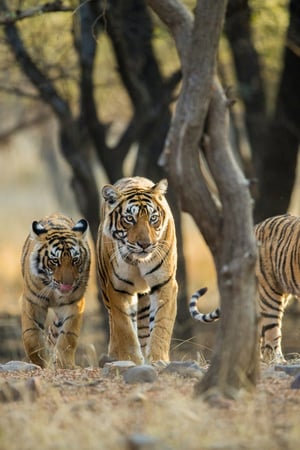
The Bengal tiger is India’s national animal and one of the major drawcards for an Indian safari. India has about 70% of the world’s population of tigers as well as 14 other species of wild cats. Ranthambore National Park, Bandhavgarh National Park, Kanha National Park, Tadoba National Park are particularly worth a visit for some tiger-spotting. Indian elephants, the smaller cousins of the African elephant, are mainly found in Southern India. Our number one choice for seeing this thick-skinned beauties is the Corbett National Park. You can also look forward to seeing Indian rhinos, which are sometimes called ‘Great Indian Rhinoceros’, and are mostly found in Kaziranga National Park and Nepal in North-East India. Asiatic lions are mainly found in Sasan Gir National Park in Gujarat and in the wild forests of Junagarh.

Most international flights to India land in the capital, New Delhi in the north (DEL) or in Mumbai in the west (BOM). Other airports you can fly to include Calcutta/Kolkata in the east (CCU) and Cochin in the south (COK). The area in India that you plan to travel to, will determine which airport you fly to. If you are continuing on to an area within India where international flights are unable to land, you will need to board an internal flight unless you choose to travel by road with a guide.
Please consult your personal physician and/or a travel clinic preferably 6 weeks prior to your departure. Vaccine requirements vary based on your country of origin, your travel itinerary and previous vaccination history. It is best to consult with your physician or the CDC website for guidelines. Important vaccinations to consider and which may either be required or recommended are: Yellow Fever, Diphtheria, Typhoid, Hepatitis A & B, Cholera, Japanese Encephalitus, Rabies and Tetanus. Yellow Fever A Yellow Fever vaccination and the relevant certification is required for travellers who are arriving from or have transited through countries with risk of Yellow Fever transmission. Recommended vaccines for all travellers: Diphtheria, Hepatitis A, Tetanus and Typhoid. Some travellers are also advised to be vaccinated for Cholera, Hepatitis B, Japanese Encephalitus and Rabies.
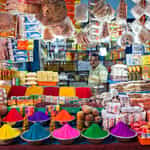
Money The currency of India is the Rupee but major currencies including USD, GBP and EUR can be changed easily throughout the country. There are ATMs widely available, but it’s good to carry cash (in moderate amounts), especially in more remote areas. If you’re planning to pay by card, remember to notify your bank before your trip to avoid having it blocked while you are away. At most shops and markets, expect to see bargaining for goods and be prepared to get involved as this is a way of life in India. If possible, don’t accept damaged bank notes as these won’t be accepted by other shops or people. Gratuities This is just a guideline as tipping is discretionary and the amount you give is up to you. Private drivers: Rs 500 per day Train or airport porters: Rs 100 per bag Trekking (National Parks): Guides/naturalists: Rs 1000 & porters: Rs 300 - 400 Tour Guides: 200 - Rs 500 per day Restaurants and hotels: service fees are automatically added to bills. If this is not the case, 10% tip of the total amount is reasonable.
Insurance It is a condition of booking that you carry the correct comprehensive travel and medical insurance to cover yourself, as well as any dependents/travelling companions for the duration of your trip. This insurance should include cover in respect of, but not limited to, the following eventualities: Compulsory Insurance: a. Emergency evacuation expenses b. Medical expenses c. Repatriation expenses Recommended Insurance: a. Cancellation or curtailment of trip b. Damage/theft/loss of personal luggage, money and goods
As a general precaution, we recommend you make several copies of your travel-related documents (passport, traveller’s cheques, credit cards, itinerary, airline tickets, insurance cover, visas, etc). Leave one set at home and bring another set with you, which we recommend you place in a location separate from your originals. Generally speaking, most nationalities will require a tourist visa to enter India. E-Visas are available for more than 150 nationalities and are valid for up to 60 days. These need to be applied for a minimum of 4 days and a maximum of 120 days before entering India. The e-visa is valid from the day of arrival into India and is a double-entry visa. We recommend completing your e-Arrival Card online within 72 hours of landing. You can do so here: https://indianvisaonline.gov.in/earrival/. Longer trips require a standard 6-month tourist visa, which is valid from the date of issue (not the date of arrival) and is a double-entry visa as well. You can apply for a 6-month visa at your nearest Indian Embassy, Consulate or here: www.indianvisaonline.gov.in/visa.
Climate India is famously large and it has a varied climate to match with each region differing in its version of the best time to go. India has three distinctive seasons - winter between October and March; summer between March and May and the notorious monsoon season that blows into town at the end of May when most national parks close. Of course, most of India is rather sunny for large parts of the year, but it’s winter that many regard as the best time to visit as the rains cease and the air is cool. The southern and central regions reach the highest temperatures so make the most of the beaches! Dress Code Across the board, India is a country that values dressing modestly, specifically in the smaller towns and villages. In the larger cities fashion is a bit more free, but wearing loose-fitting outfits that cover more skin is a good idea. The dress code differs between religions but some rules include covering your head, knees and shoulders; removing your shoes on entry and in some temples, leather isn’t allowed. If you book a safari, light layers of clothing in neutral colours are the best items to bring with you, as well as a warmer jacket or fleece for the colder evenings. A hat is also a must have! What to pack One of the hard and fast rules for travelling to India is not to overpack - you don’t want to have too much baggage to worry about if you do a little region-hopping and you can easily buy most essentials in the larger towns. What follows is by no means an exhaustive list but is designed to point you in the right direction. • Lightweight, airy clothing including a scarf or two & long-sleeved items • Warm items for chilly evenings • Shorts & bathing suits if you’re visiting the coast • Sun hat • Sturdy sandals and closed in shoes for longer walks • Ear plugs if you’re visiting the cities • Small torch • Water bottle • Reading material for passing the time on a train ride or reading by the pool • Plenty of sunscreen, insect repellent and hand sanitiser • Toiletries • Spare batteries, plug adaptors and charging equipment • Rucksack / bag for your essentials Most lodges will have a small medical and first aid kit, but we recommend bringing your own supply of essentials - cough medicine, plasters, vitamins, aspirin and paracetamol, and anything else you use on a regular basis.. Luggage Please check with your airlines for the specific luggage restrictions relevant to your flight schedule. Many international airlines have a baggage allowance of 20kgs or more per person and commercial airlines generally permit two (2) pieces of checked luggage per person. The carry-on bag must be of such dimensions and weight as set by the airlines. Electricity In India, appliances run on on a 230V supply voltage and there are three associated plug types - C, D and M, which are fairly standard two or three-pin models. If the standard voltage in your country is in a different category, you will need a voltage converter.

We’re big believers in leaving a positive impact in the countries in which we operate. We’re proud to donate $50 for every booking to projects focusing on female empowerment, tech education, conservation, and so much more.
Our dream is to empower our guests to travel with a purpose.
So far, we’ve donated $107,000 to projects across the globe.


Why travel with Timbuktu?

We've been crafting one-of-a-kind journeys since 2014 — over 2,500 trips across 40+ countries, each one built from scratch around your interests and dreams.

Our team only recommends places they've slept in, eaten in, and happily keep going back to. Condé Nast Traveler named 11 of them Top Travel Specialists in 2026, and Travel+Leisure made three A-List Advisors.

Travel+Leisure's readers voted us the World's No.1 Tour Operator in 2024 and No.2 in 2025 — the travel industry's biggest readers' award, judged by people who actually travel.

$50 from every booking goes to female empowerment, tech education, and conservation projects across the countries we love. We have donated $78,000 so far – and it's going up!

Your travel specialist is with you the whole way, dreaming up the trip, building the itinerary, checking you in, and answering the 2am question from the other side of the world..

We are rated 4.9 out of 5 from 995 verified Feefo reviews. And these are the words of people who actually went, not us talking about ourselves.
11 Condé Nast Traveler Top Travel Specialists 2026

No. 1 & No. 2 Tour Operator in Travel + Leisure's Best Awards 2024 & 2025

Best Booking Platform in Women's Health Travel Awards 2025

Travel Specialist voted as Latin America A-List Travel Advisor 2025

"Timbuktu can take relatively complex and slightly amorphous travel plans and transform them into a well-organized, perfectly tailored trip."