We're one of the World's Best Tour Operators!
Named three years running in Travel+Leisure World's Best, including No.1 in 2024
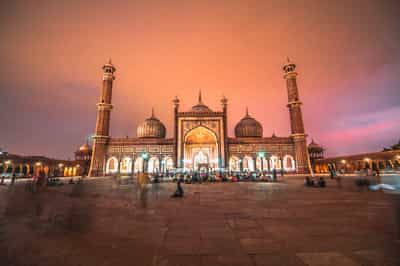
On your India travels, you might encounter spiritual strongholds and multicoloured temples, regal architecture and tiger-filled forests, and tranquil countryside scenes.
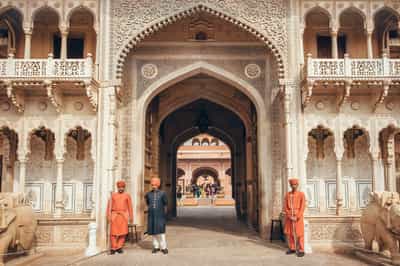
A treasure-trove of magnificent experiences, Jaipur is India’s modern, glitzy, vibrant and utterly romantic Pink City. Recently designated a UNESCO world heritage site, the ancient city walls contain a melee of salmon-coloured buildings, elaborate architecture and grand fortresses, the glorious City Palace taking pride of place. Visit Huwa Mahal, the Palace of the Winds, and marvel at the honeycomb exterior of stained glass and stone, then venture to the Amber Fort for a wander through the pavilions and dainty courtyards of Jaipur’s star attraction. But don’t miss the other side of this enthralling city either: glamorous polo matches atop painted elephants; cool-as-a-cucumber bars and restaurants hidden in the back streets; and a shopping scene to rival New York, where everything from block-print fabrics to Rajput jewels await a precious space in your suitcase.
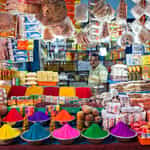
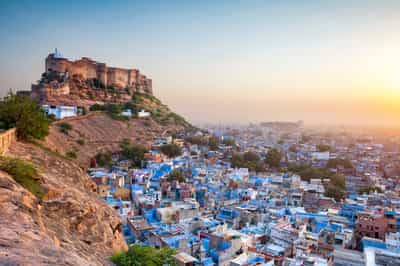
Next up on Rajasthan’s multi-coloured inventory of rainbow metropolises is the Blue City, otherwise known as Jodhpur. Legend states that the colour was chosen by the Brahmins to differentiate themselves from the lower castes of India and a wander through the tumble of alleys will take you past cornflower houses and cerulean roofs, glistening lazily in the sunshine. Like any good Rajasthani city, the streets are alive with sweet-smelling spice markets and merchants peddling everything and anything from puppets to temple decorations, and of course, those famous jodhpurs. Then, standing serenely over the bustle and sights is the mighty Mehrangarh Fort, a rock-hued sentinel that’s packed with myth, history and legend. Rickshaw to the ramparts to marvel at the architecture (and the view), discover secret tunnels and create your own version of history, or get your heart-rate going with a zip-line along the turrets.
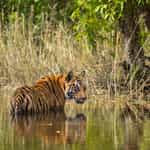
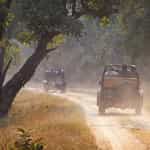
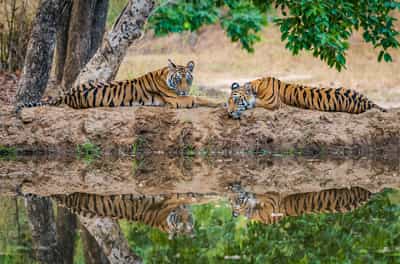
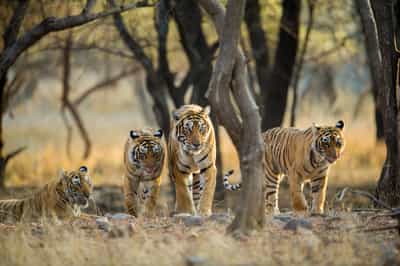
Recently the setting for David Attenborough’s Dyanasties, Bandhavgarh is undoubtedly one of India’s tiger top spots. Small by national standards, the park certainly packs a punch into its diminutive boundaries and is renowned for having one of the highest populations of the elusive felines in the country, narrowly pipping Kanha to the post. The terrain is a beguiling mix of valleys and boulders, deciduous forests and yellow grasslands, and is home to 37 species of mammal, leopard, wild boar and sloth included, 240 species of birds and 80 of butterflies, giving you plenty to look at as you scoot around in your 4x4. These smaller species are certainly not to be ignored either – more often than not their calls are the tell-tale sign that a big cat is on the prowl…
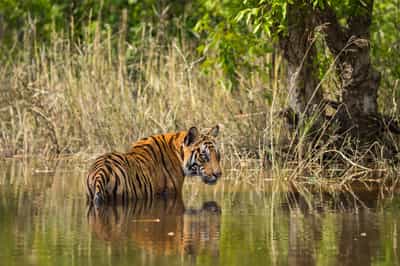
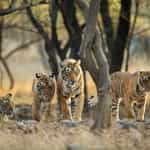
If one park is synonymous with India’s national animal, it’s Ranthambore. The dazzling, billion-year old forest, with its spindly trees, ancient boulders and roaming hills, is not only prime tiger territory, it’s also the enthralling, jungle-clad India of childhood stories. This is a land not only of tigers, but of lazy sloth bears and mysterious leopards, 10thcentury forts and crumbling pavilions, crocodile-filled lakes and swirling battalions of birds that migrate from Europe and Siberia in the winter. Make no mistake, you’re not going to be the only person here looking for Shere Khan, but when you add up the landscape, the smattering of super-stylish tented camps and the humbling magic of being in the wilderness, a few days in Ranthambore adds up to be one of life’s most thrilling experiences.
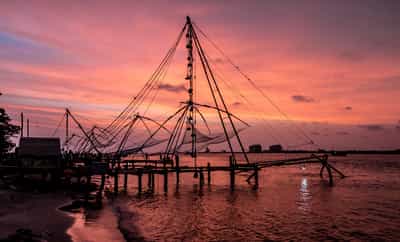
It’s often said that Kerala is India on a more manageable scale and if the frenzied cities of the rest of the country aren’t quite your cup of chai, then try Cochin. Remarkably peaceful (there’s even traffic signs that declare ‘No honking!’) and with only a few tuk-tuks to distract you from your sightseeing, the port city is a fusion of cultures and traditions that are definitely worth exploring. On a meandering walk, you’ll spot 16thcentury synagogues, Portuguese churches and intricate Dutch architecture rubbing shoulders with trendy coffee shops and pungent spice markets. Head out to the sleepy islands to watch the fishermen deftly bring in their catches with ancient Chinese nets, and, if your case isn’t already bursting, Jew Town’s antique shops and warehouses stuffed with artefacts are calling…
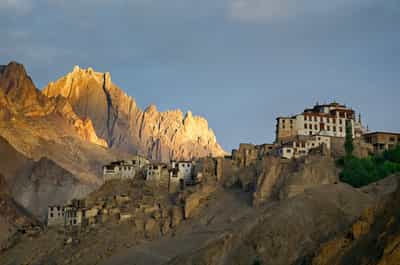
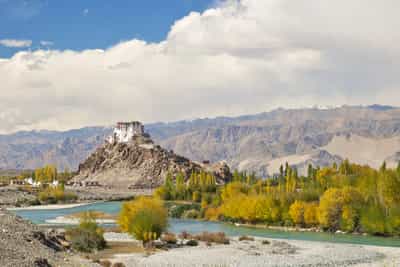
Forget Ayurvedic spas and pristine beach retreats – if you want to find inner calm, it’s the utterly peaceful Buddhist enclave of northern India, Ladakh, that you really need. This lofty mountain kingdom is not, however, for the faint-hearted: in winter, it’s one of the coldest places on the planet, and then there’s the staggering height of the villages – between 3,200 and 4,000 metres – and the sparse but spectacular terrain to contend with. But touchdown in Leh, the multicultural capital city, and you’ll be glad you braved it. This is a place of charming homestays that will connect you with both land and people, blood-pumping cycling trails and rafting excursions, and, of course, the Buddhist monasteries and temples, magnificently imposing and best visited at dawn for the most humbling of experiences.
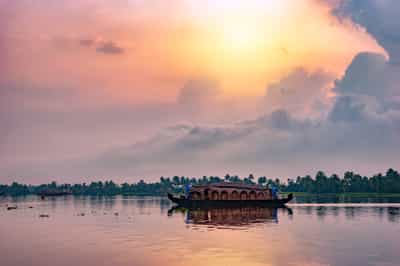
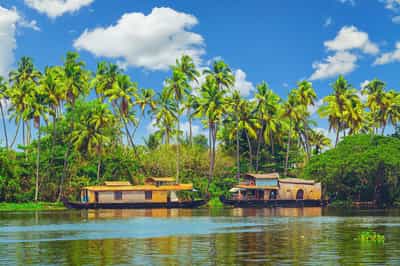
If you’ve heard of anywhere in Kerala, it’s probably the backwaters, a labyrinthine network of lakes, lagoons and canals that link quaint villages and paddy fields in the central part of the state. A one- or two-day cruise along the hyacinth-studded waters is almost a rite of passage when visiting and floating along in an antique barge is the perfect antidote to our frantic, modern world. It’s not all gliding, contemplating and relaxing, however, (although that is part of the fun) and there’s plenty of scope to moor up and explore hidden Vishnu temples, take tea on the banks, and feast on fragrant local curries. Popular sailing routes include beginning at Alleppey and sailing to Quilon or Kottalam and cruising around the whispering, palm-lined shores of Lake Vembanad – simply add a gentle breeze, a good book and a glass of something cold and you might never want to leave…
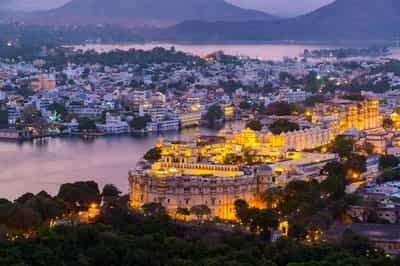
Set against the deep purple ridges of the Aravalli Hills and home to opulent palaces and fairy-tale myths, those who call Udaipur the most romantic city in India are certainly not wrong. At its centre is the impossibly picturesque Lake Pichola, a swathe of hazy waters where private islands play host to palaces and extravagant hotels. Above it rises the tangle of turrets and watercolour buildings of the old city, slender staircases leading nonchalantly to the rooftops of the havelis and stalls offering chilled lassis and all manner of antique treasures. Whilst there’s plenty of history to get your teeth into (the assorted lakeside palaces and Jagdish Temple spring to mind), Udaipur also lends itself to a hefty dose of relaxation – and with languid boat trips along the lake and alfresco cocktails as the sun bathes the city in gold, it’s not hard to do just that.
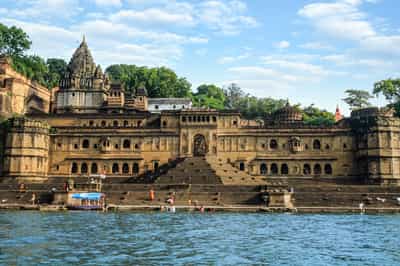
On first inspection, Maheshwar is a sleepy little place. A walled city on the edge of the holy Narmada River, it has long held spiritual significance and pilgrims travel from far and wide to pray and immerse themselves in the sun-spangled waters. Boats float up and down and as the sun dips below the horizon, strains of chanting fill the air in a sensory experience like no other. But delve a little deeper, and you’ll find a hive of activity: the ghats are a whirl of colour and gossip and a wander through the streets of the Old Quarter will reveal multi-coloured buildings and a frenzy of weavers attending to the iconic silk fabric, Maheshwari. For travellers, it’s a spot to enjoy a little R&R, well away from the tourist path – and up your temple intake substantially!
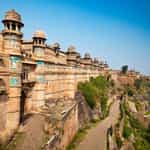
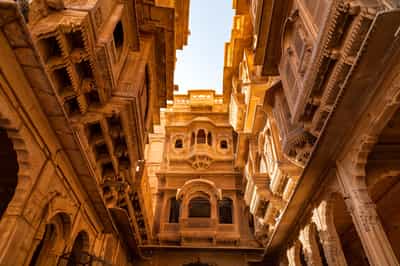
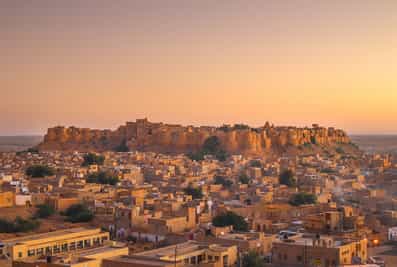
Think Rajasthan, and you probably don’t think of a vast, sprawling desert – but travel into the remote west of the state and that’s exactly what you’ll find. The desert in question is the Thar, a shimmering wave of sand dunes and caparisoned camels that was once an important trading post on the Silk Route between China and the Central Asia. Today, it’s exotic and magical, the heady scent of spices never far away, and to visit is to enjoy camel safaris and alfresco nights in fairy-tale tented camps. But the real standout has to be the exquisitely-crafted Jaisalmer Fort and the sprawling, golden-hued city below. Built in 1156 by Rajput ruler Rawal Jaisal and defended by 99 magnificent turrets, 4000 people still live inside the ancient fort walls today, and a wander through the twisting streets will reveal temples, ornate havelis and artisans peddling their wares.
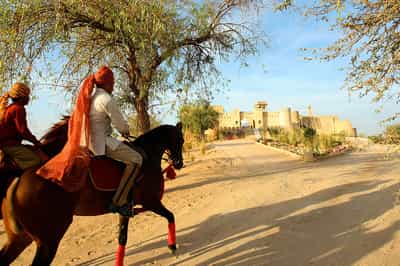
It’s hard to sum up rural Rajasthan in only a few sentences. Of course, as you head away from the cities, life becomes a tad slower and a little less modern: Rabari tribesman living off the fruits of the land, sari-clad ladies churning butter by hand, and men in colourful turbans leading their bullocks through the fields are a common, and enthralling, sight. But rural life is not all camels and homestays and the countryside of the regal state promises a veritable treasure chest of experiences. How about rambling through the hills on horseback, or 4x4ing to veiled shrines? Perhaps you’d like to visit local artists and potters and watch as they craft their masterpieces? Or maybe the great outdoors is more your thing and bird-watching by hidden lakes or leopard-stalking through forgotten temples would be just up your street. It’s time to explore rural Rajasthan…
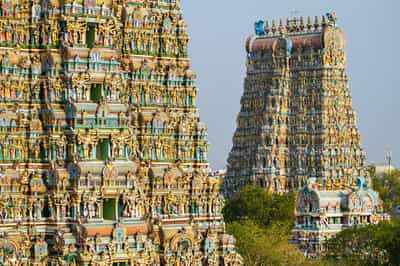
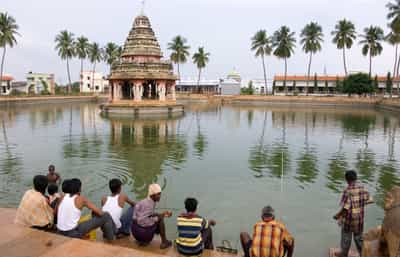
The name Chettinad actually refers to a collection of villages, around 76 in total, located in the dusty southern reaches of Tamil Nadu. The area is the homeland of the Chettiars, a banking community who, in the time of the Chola dynasty, made a fortune in trading gems. Today, the region is awash with the palatial houses that sprang up from their years of international travel – a teak door from Burma here, some Italian marble there – and a wander through the villages, particularly Karaikudi, is sure to illicit a few gasps. After a night in one such magnificent mansion, hit the markets; with rows and rows of stalls dedicated to textiles, silver, furniture, antiques, and even kitchenware, there are more shopping opportunities than you can shake a suitcase at. And of course, you can’t leave without trying a peppery Chettinad curry…
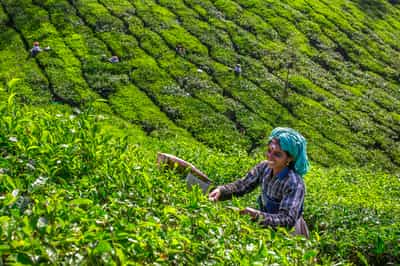
We’ll let you in on a secret: Kerala isn’t all heady spices and tropical papaya fields. In fact, as you head into the perfectly-even tea plantations of the interior highlands, the landscape is distinctly reminiscent of somewhere much further north, complete with emerald scenery and woolly-jumper temperatures. This region is the Western Ghats, the highest point in India south of the Himalayas and home to Munnar, a quaint hill town surrounded by virgin forest and, of course, tea. This high up, the mountain views are fabulous and walking expeditions and treks spectacular – Chokken Mudi provides the best views, whilst the Attukudu waterfall might leave you less breathless. And, if wildlife-spotting is on your list, try nearby Eravikulam, the state’s first national park and home to endangered mountain goat.
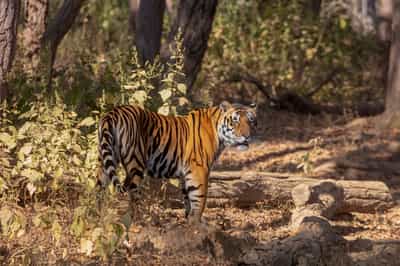
One of the first areas in the country to be protected under the innovative Project Tiger, launched by the government in 9173, catching a glimpse of a striped copper coat in Kanha is highly likely. It’s one of the prettiest parks in the state and its dense sal forests, bamboo jungles and golden, grassy meadows are often credited as the inspiration for the vivid landscapes in Kipling’s Jungle Book. The national park, a protected 940-sq-km area, is actually part of the larger2059-sq-km ‘tiger reserve’, which, combined, are divided into a further four safari zones. All four have a good reputation for sightings of the feline kind, with Kisli and Mukki perhaps coming top if we had to say (and Mukki being the quieter of the two). Once you’ve seen your Royal Bengal, keep your eyes peeled for southern swamp deer, unique to the area, langurs, bison and plenty of dainty antelope.
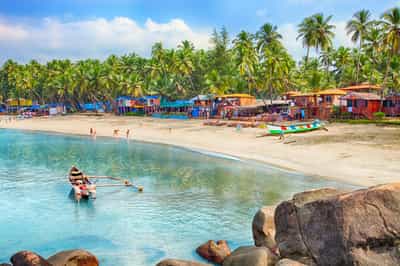
From placid lakes to bustling cities, ancient churches to stylish hotels, the central part of Kerala is by far the most diverse. The lovely stretch of sand that runs down the coast by Marari is a favourite amongst visitors, partly due to its proximity to Cochin and Alleppey but also largely due to its unparalleled cleanliness and stunning ecology. The water is crisp and gin-clear and perfect for a spot of swimming, snorkelling and water-skiing (and surfing if the wave Gods are in your favour) and the beach has won awards for its clever environmental programmes. And as the palm trees sway in the salty breeze, you’ll more than likely catch a glimpse of the fishermen heading out to sea over the breakers and local ladies making traditional mats and brushes. Genuine, unpretentious and picturesque.
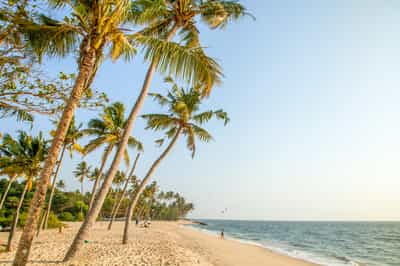
Placed firmly on the map by John Lennon and the Beatles after their visit to attend a Transcendental Meditation Session in the 1960s, Rishikesh is now a magnet for those looking for unsurpassed yoga instruction and all things spiritual. The setting, on the banks of the Ganges River and surrounded by lush hills and tinkling temple bells, is magical and a divine intensity is almost immediately apparent. Once you’ve perfected your downward dog and taken in some of the famed temples (be warned – the crowds may test out your newly discovered inner calm), try your hand at some world-class rafting on the Ganges. Then, check straight in to one of the uber-luxe spa retreats that have recently appeared on the scene and soothe those aching muscles.
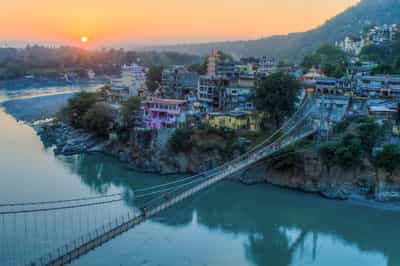
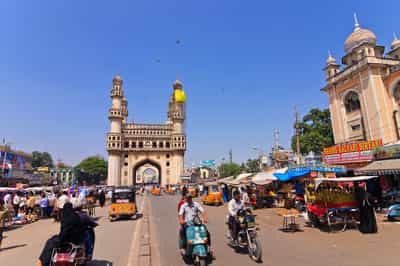
Hidden amongst the shivering peaks of the Himalayas and ensconced by a dense ceder forest, there’s a village where rose-filled gardens and genteel cobbled streets are the norm. This is Shimla, former summer capital of the British Raj, and not to be mistaken for an English country village. The best way to see the (unusual) sights is on a walking tour, which will take you past the old Post Office to Christ Church, northern India’s second oldest church, over to Scandal Point, and along the iconic Mall promenade where imperial landmarks stand proudly next to the colourful Lakkar Bazaar. Other highlights include yak riding in nearby Kufri, and a visit to Chail, the then Maharaja’s rival capital complete with trimmed cricket lawn and polo ground. Bet you’ve never heard those two in the same sentence before…
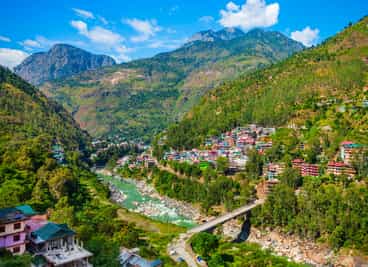
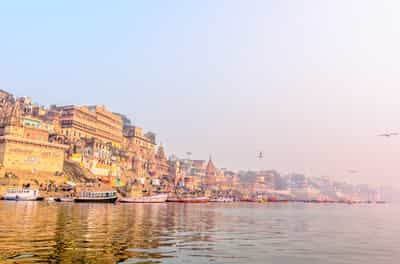
Perched high up in the Himalayan hills, in the lesser-known Uttarakhand region, is Kumaon. It’s a pretty, grass-carpeted utopia of orchards, mountains, rivers and meadows that Julie Andrews would be proud of and so quiet and utterly blissful, you’ll wonder whether you’ll ever need an iPhone again. So, what to do in such a paradise? Days are devoted to partaking in local life, be it cooking, weaving or metalsmith-ing, ogling mountain vistas (many say they are the most breath-taking of all) and exploring on foot. The trekking is really what it’s all about and walks range from the laden-donkey-and-Sherpa style, to gentle peak-to-peak ambles and sedate strolls. Round off a stay in the Jim Corbett National Park; named after the legendary hunter-turned-conservationist it’s the oldest in India and home to a number of elephants and tigers, bears and birds.
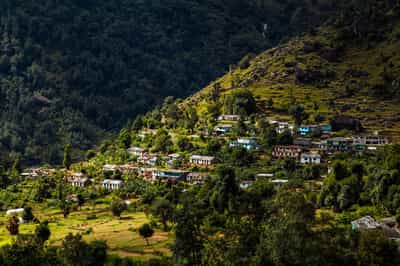
Just like it’s colonial namesake, Madras, Chennai is hot, spicy, sometimes sweet and sometimes a little bit sour too. With direct flights from the major European hubs, it’s often used as the gateway into Tamil Nadu, which is more than a little unfair as it’s a noisy, honking, tuk-tuk filled metropolis that would be enough to terrify anyone stepping off a plane! Our advice? Choose somewhere lovely to stay (The Leela if pennies can stretch, but there are plenty of other choices), check-in, have a bath, and then throw yourself straight in to everything Chennai has to offer. From the imperious Fort St George and High Court buildings to the Kapaleeswarar Temple to Shiva, there’s a surprising amount of history and architecture to poke your nose into. Throw in the infectious enthusiasm of its people, some serious culinary treats, and a fairly lengthy beach, Marina Sands, you might just find it more sweet than sour…
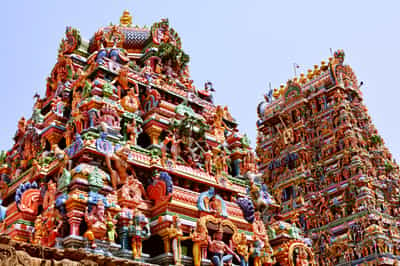


Namibrand, Namibia