We're one of the World's Best Tour Operators!
Named three years running in Travel+Leisure World's Best, including No.1 in 2024
On your India travels, you might encounter spiritual strongholds and multicoloured temples, regal architecture and tiger-filled forests, and tranquil countryside scenes.
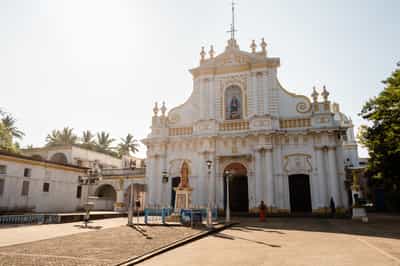
A little sliver of croissant amid a sea of spicy Chettinad curries, colonial Pondicherry is a charming town that was once the largest French colony in India. A walking tour is undoubtedly the best way to see the delights: start in bohemian ‘Black Town’, the bustling, Tamil side of the city, before making your way across the canal and into ‘White Town’, or the French Quarter, where rows of pastel houses, dusty petanque courts, bakeries and even a French-speaking rickshaw driver or two will start to seem normal. If you’re in the mood for some chill-out time, head to Auroville just north of town, an offshoot of the internationally famous Sri Aurobindo ashram that draws spiritually-minded from far and wide. Then, end your day at the promenade, probably one of the loveliest in the country, and enjoy a sunset stroll followed by a French steak and a side of frites in a pavement cafe. C’est chic!
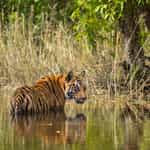
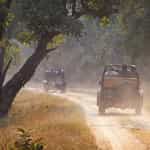
The iconic copper stripes of a Royal Bengal are without doubt what brings most people to Madhya Pradesh, but once you’ve ticked off your tiger, it’s in places like Satpura that the magic of the jungle really comes alive. Probably the least well-known of the central reserves, Satpura is staggeringly beautiful and the experience is varied and fabulous. Jeep safaris are the best way to see the myriad animals – deers, leopard, wild dog, sambars, sloth bears, gaur and monkeys to get you started – but there are also bikes, canoes, boats and even elephants from which to conduct your wildlife watching. The biggest draw is, however, the chance to walk. The reserve is criss-crossed with trails and it’s only on foot that you’ll really get to grips with the flora and fauna and absorb the true magic of the wilderness. Best pack those walking boots.

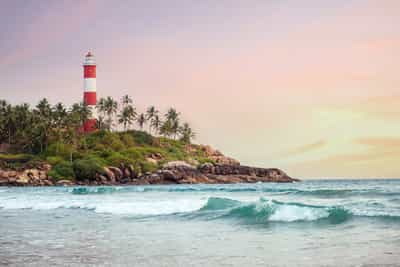
We know we said that Kerala wasn’t known for its picture-perfect beaches, but when it comes to sandy shores and waving fronds, southern Kerala does indeed score pretty highly. Kovalam, a teensy-tiny surf town where reggae fills the air, is probably the most well-known beach and crescent bays and ritzy hotels of the shoreline are stunning if sometimes busy. Head a little further in either direction and you’ll also be in for a treat; here, the cliffs get more dramatic, the beaches more deserted and the palm trees more, er, wavey. So, when should you go? For sun-splattered but temperate days, travel between October and March before the monsoon season hits in late May. Don’t ignore June, July and September totally, however, as it’s the perfect time to take Ayuverdic treatments. And the best place for them? You guessed it…
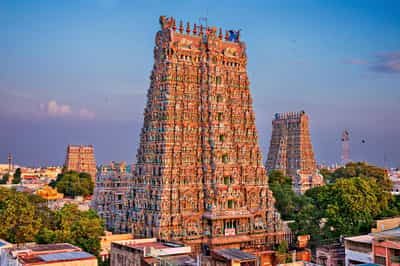
Laying claim to the lofty title of India’s oldest city (or just about), the only way to describe the Hindu town of Madurai is to throw a long list of adjectives at it. Colourful, extravagant and extroverted, it’s the cultural heart of Tamil Nadu and often considered to be the peak of South Indian architecture. We’re talking mostly about the acres-wide Sri Meenakshi-Sundareshwarar temple complex that writhes with gleaming goddesses and vivid demons, and a 17thcentury palace with its riot of Italian, Dravidian and Islamic architecture, as well as a daily light show, complete with frenetic bells and Tamil music. In the streets, there’s crowded bazaars, shrines, lip-smackingly good street food, mini temples and loud, pulsating processions of living history. After all that, you’re going to need somewhere quiet to lay your head (and perhaps a cold flannel), and thankfully there’s a couple of lovely hotels just north of the Vaigai River that fit the bill perfectly.
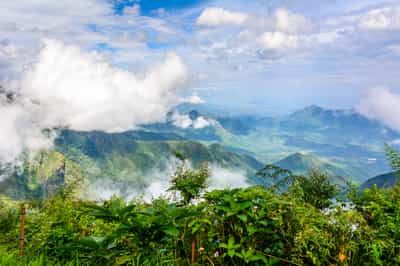
As you head inland, towards the foothills of the Western Ghats, the landscape of Tamil Nadu starts to change. Rice paddies and marauding rivers slowly give way to lolling hills wrapped in verdant forest blankets, and the lungfuls of cool, crisp air are delightfully welcome. These are the Palani Hills, renowned for their heavenly scenery and smattering of colonial, slightly eccentric, hill stations. One such perch is Kodaikanal, centred around a star-shaped lake and famous for its shimmering waterfalls and camera-flapping views. It’s probably the most popular (but still quieter than neighbouring ‘Queen’ Ooty), but there’s still plenty of scope for rambling forest hikes, wild swimming and even horseback trails in the surrounding mist-laden hills. After a week or two in the temple towns and scorching heat of Tamil Nadu, you know what to do…
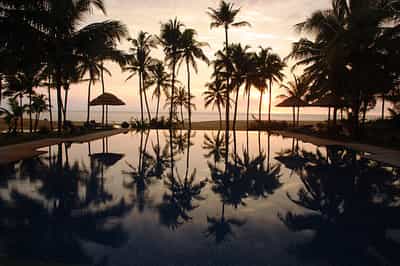
A remote stretch of coastline on northern Kerala’s Malabar Coast, just where the state borders Karnataka, Nileshwar is the place to unplug and refresh whilst the Arabian Sea laps at your toes. It’s a journey to get here and only a sprinkling of tourists ever make it, but if you do, your rewards are deserted beaches thumped by blue, blue waves, and glistening backwater canals, more tranquil than their southern counterparts. But make no mistake, this isn’t India-lite: it might give off a cool-as-a-cucumber atmosphere but there’s an exoticism and vitality that is worth seeking out. Hop on a bike and explore the local villages on two wheels, visit the impressive Bekal Fort, the largest in Kerala, and let yourself be enthralled by a masked theyyam dance…
Located in the midlands of Kerala, pretty Dewalokam definitely comes up trumps in the prime real estate game. An ideal link or stopover point between popular Munnar, Periyar, Cochin and the backwaters, it’s got the practical side of things covered (and there’s no excuse not to squeeze it in to most itineraries), but the area is also really quite lovely. As you drive, take in roaming rubber and tea plantations, follow rivers wiggling through steamy jungle and breathe in the heady aromas of fields of spices. This is rural Kerala; a countryside corner that’s largely unaffected by pottering tourists, and unique, welcoming and absolutely authentic. And with only one real place to stay, you’ll probably be one of the few who get to discover it.
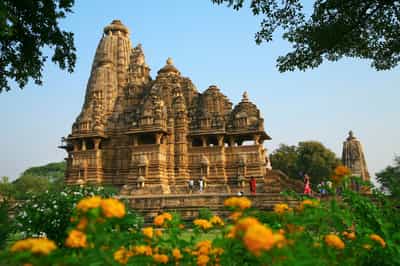
Khajuraho derives its name from the Khajur tree (the date palm tree) which can be found in abundance in the area. The divine sculptures in these temples are a tribute to life itself, embodying everything that is sublime and spontaneous about it. The murals depict the life and times of the Chandelas, and celebrate the erotic state of being. They not only testify to the mastery of the craftsman, but also to the extraordinary breadth of vision of the Chandela Rajputs under whose reign, these temples were constructed.


Namibrand, Namibia