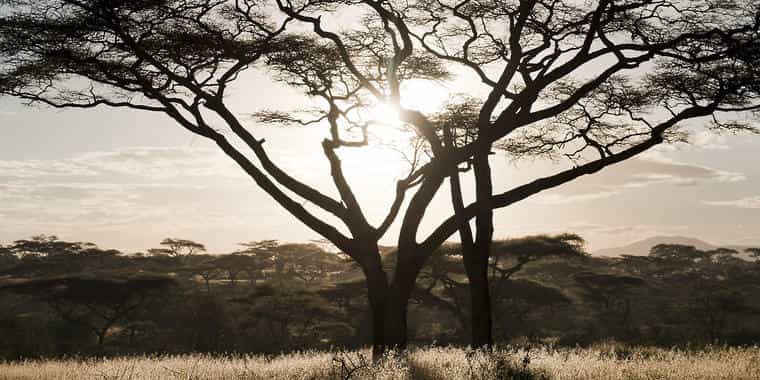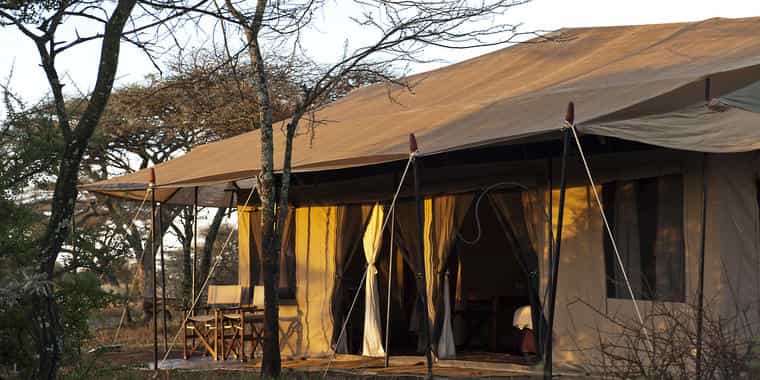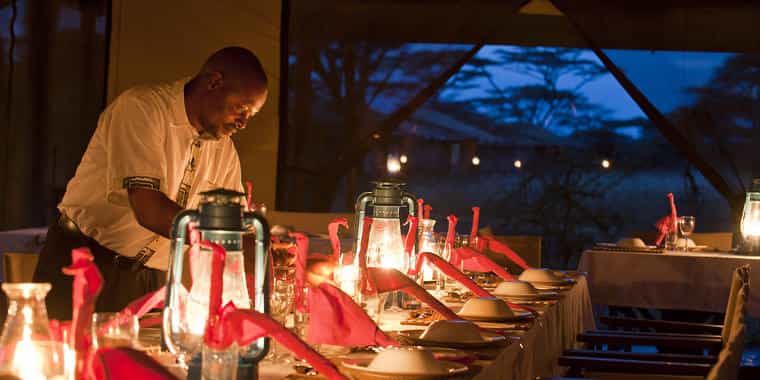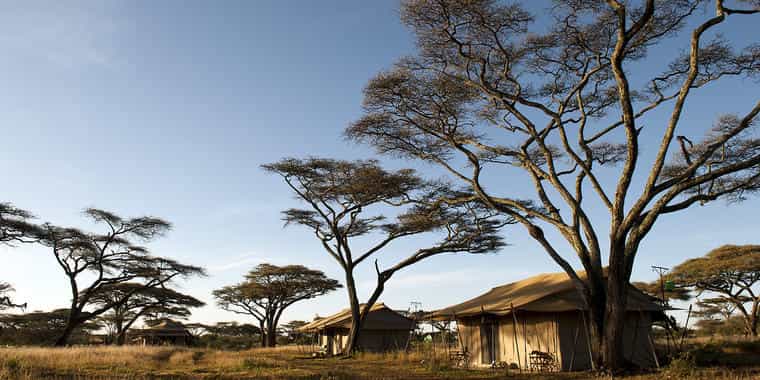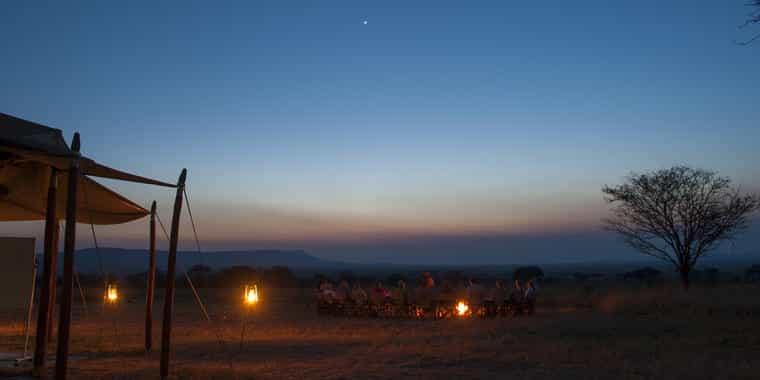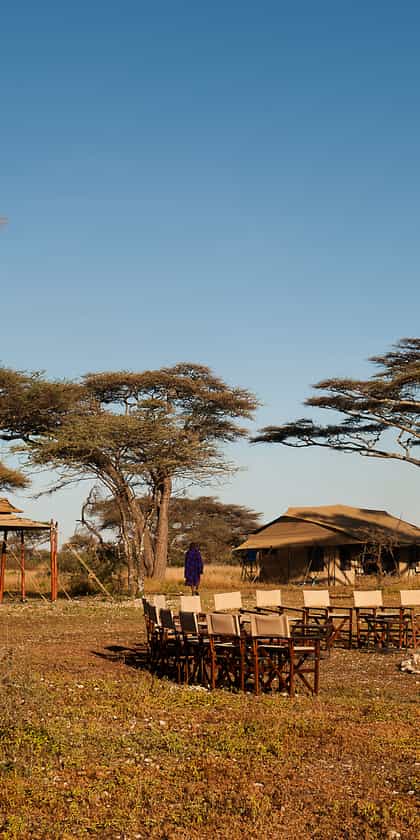

Masek is an intimate tented camp in the Ngorongoro Conservation area bordering the Serengeti. Open from the beginning of December to the end of March, it witnesses all the glory of the Great Migration. Its woodland thicket setting makes for a successful combination of privacy and the opportunity to be close to all the action in the surrounding Serengeti. Guests can expect relative luxury for an affordably priced option and a true African adventure. The eco-friendly nature of the camp’s solar powered setup fits with the authenticity of the experience on offer.
/35.04456061958899,-3.02702401163278,6/600x400?access_token=pk.eyJ1IjoidGltYnVrdHV0cmF2ZWwiLCJhIjoiY2poMGw1eHpkMmRkbDJ6bW8xYWZ5OGpjYyJ9.PYvAO7lUJ40SOpGvwmQLqw&attribution=false&logo=false)
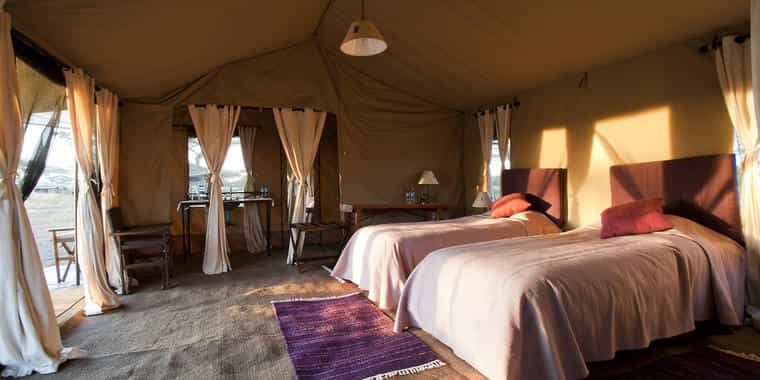
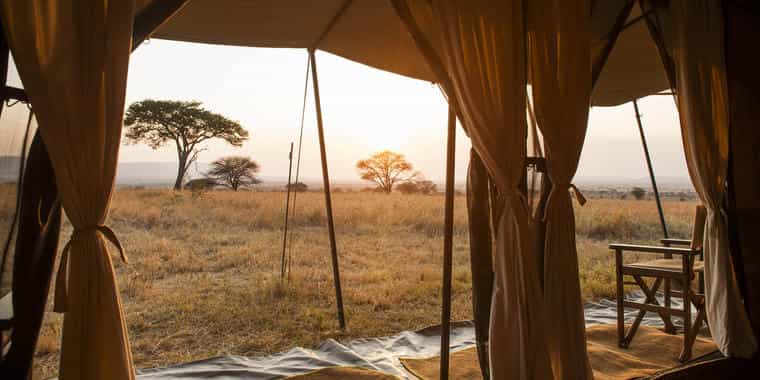
With just 10 en-suite tents, Masek feels very exclusive. Spread in a linear formation so as not to obscure anyone’s view, the tents are very private with uninterrupted panoramas of the plains. Each tent is very spacious and comfortable with all the luxuries of a mobile camp, including king-size or twins beds that are strategically placed to maximise the gorgeous views of sunlit grass and silhouetted trees. The overall setup makes it easy to feel at one with the magic of the bush.

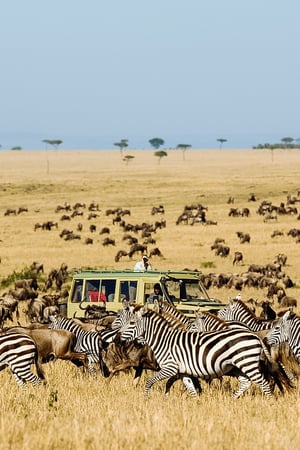
Front-row seats to the calving season — from December to March, over a million wildebeest drop their young across these plains while predators circle.

Book early for February — this is peak calving time when the predator action is at its most intense, and camps fill up months in advance.

This is a seasonal camp that operates during the migration window only — if you're travelling outside December to March, you'll need to look at the central or northern Serengeti instead.
Start with a recommended trip or create one from scratch
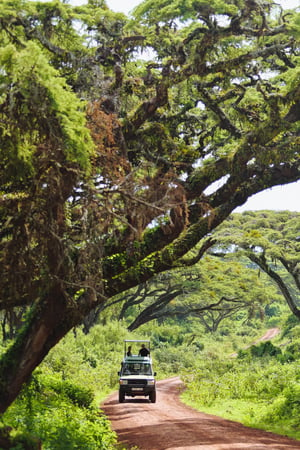
11 nights from $13.1K per person
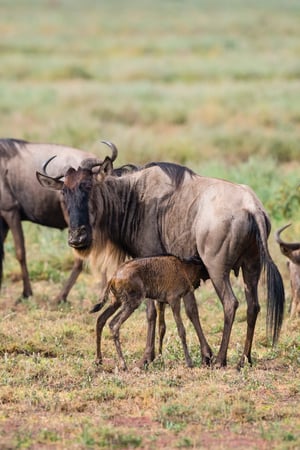
9 nights from $9K per person
10 nights from $12.2K per person
12 nights from $11.7K per person
13 nights from $10.2K per person
8 nights from $7.5K per person
Masek Under Canvas can be booked with Timbuktu as part of a tailor-made Tanzania trip, rather than as a standalone room reservation. Start online, customising one of our recommended Tanzania trips featuring Masek Under Canvas or get advice and suggestions from one of our Tanzania specialists who will design the trip around your dates, check availability and handle every booking for you.
Stays at Masek Under Canvas start from around $280, or US$280, per person per night as part of a tailor-made trip. The exact price depends on your travel dates, room type and the shape of the rest of your itinerary. A Timbuktu travel specialist can give you an accurate quote for your dates.
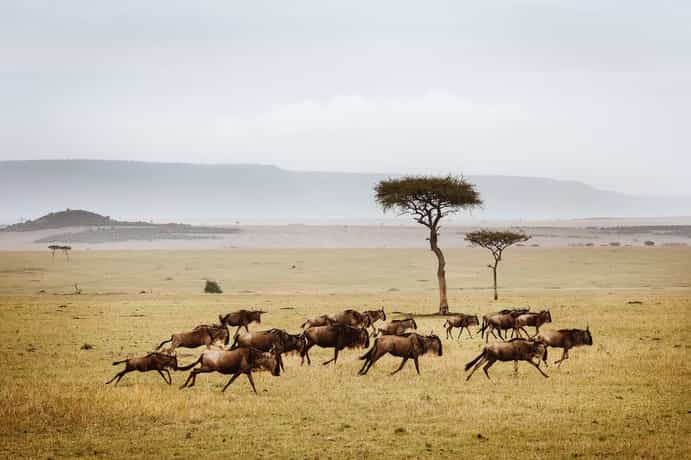
Home to the iconic Great Migration, endangered rhino, predator-filled plains and game drives galore.