
We're one of the World's Best Tour Operators!
Named three years running in Travel+Leisure World's Best, including No.1 in 2024
A brooding (in the volcanic sense) and underrated island at the southern end of Japan, Kyushu is a dreamy destination for those who think they’ve “done Japan”. Every corner of the island brings something different to the table (and it’s one laden with Hakata ramen), whether you’re seeking a little history in Nagasaki, life inside one of the world’s largest active calderas, or the onsen-strewn landscape of Beppu. Happily, it’s also rather easy to make your way from place to place, discovering the unique landscapes and culture shaped by years of isolation from mainland Japan and early interactions with European travellers. A place of samurais and sand baths, volcanic cuisine and castles, Kyushu is truly and wonderfully authentic.
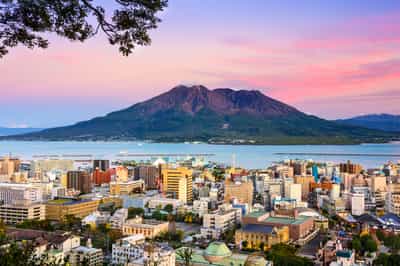
Kagoshima lives in the shadow of Sakurajima, one of the world's most active volcanoes, which puffs and rumbles hundreds of times a year just four kilometres across the bay. The locals barely flinch – children wear helmets to school, yellow ash bags are distributed by the city, and the morning weather report includes an 'ashfall forecast' alongside daily temperatures. Take the 15-minute ferry (it runs 24 hours a day) and you'll find volcanic soil producing the world's largest radishes and sweetest mikan oranges. Back in the city, Sengan-en garden uses the smoking peak as 'borrowed scenery,' a 350-year-old design trick that never gets old. This is also Japan's shochu heartland, with over 100 distilleries and a drinking culture that pairs perfectly with kurobuta black pork, proven to be seven times sweeter than ordinary pork.
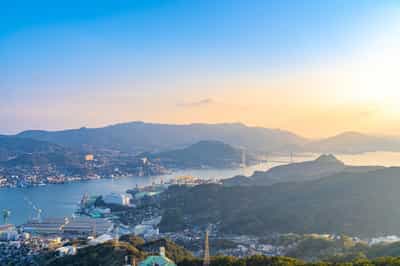
Isolated from the rest of Japan for many, many decades, Nagasaki was once the most ‘global’ city in the country, with European and Chinese ideas and cuisine becoming a part of its multi-layered fabric. In fact, a steaming bowl of Nagasaki champon tells that story better than anything else. If you’re really into your history, then a visit to Oura Church, Japan’s oldest Christian church is a given, while the restored Dejima Island makes for a fascinating walkabout whilst the Nagasaki Peace Park is a reminder of the past while championing hope for the future. For the absolute best view of Nagasaki (especially at sunset), ride the ropeway to the summit of Mount Inasa as the sky shifts from orange to purple.
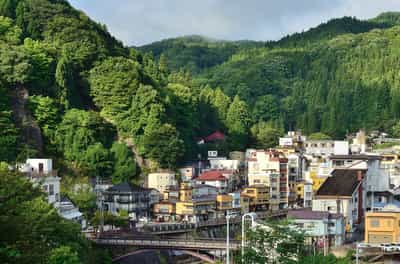
Takeo Onsen has been soothing tired limbs for over 1,300 years, though you'd hardly know it from the lack of crowds. The vermilion Romon Gate – designed in 1915 by the same architect behind Tokyo Station and constructed entirely without nails – declares your arrival in suitably dramatic fashion. Beyond it, the Motoyu bathhouse, welcoming bathers since 1876, is all high wooden ceilings and stone tubs that are virtually unchanged. The water here is alkaline and impossibly smooth, known locally as bijin-no-yu or “the beauty bath.” Alternate between the 'hot' and 'lukewarm' pools as the regulars do, then perhaps rent the marble-lined Tonosama-yu where samurai legend Miyamoto Musashi once soaked. A short walk through bamboo groves leads to a 3,000-year-old camphor tree at Takeo Shrine – pure Studio Ghibli territory.
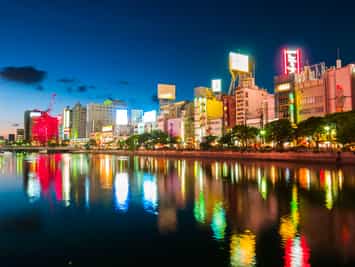
A result of the cities of samurai Fukuoka and merchant Hakata merging in 1889, Fukuoka has a split personality, and wears it well. The samurai won the naming rights but the merchants kept everything else – the food, the dialect, the festivals – and it’s that spirit that still hums through the yatai stalls of Naka River where tiny wooden kitchens dish up Hakata's famous tonkotsu ramen. Order your noodles barikata and ask for kaedama when you're ready for seconds – that's how the locals do it. But there's much more beyond the broth… Wander the temple district behind Hakata Station and you'll find Shofukuji, Japan's very first Zen temple, founded in 1195, whilst nearby Tochoji houses the country's largest wooden seated Buddha, all 30 tonnes of him. A short train ride will bring you to Dazaifu Tenmangu where students have prayed for exam success beneath 6,000 plum trees for over a millennium. This is the Japan you didn't know you were looking for.
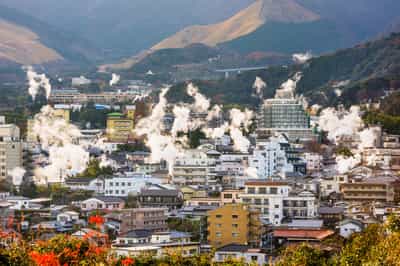
Beppu produces more hot spring water than anywhere else on earth, bar Yellowstone and the locals have been finding creative uses for it since a wandering monk tamed the volcanic 'hells' in 1276. The Kannawa district is where the magic concentrates: steam curls from drains and chimneys, corner shops sell sweet potatoes cooked in geothermal vents, and tiny neighbourhood baths charge a couple of hundred yen for waters that would cost a fortune elsewhere. Try the mushiyu at Kannawa – an eight-tatami stone chamber where you’ll sweat (sweetly) on a bed of medicinal sekisho herbs – or Takegawara's sand baths, where attendants bury guests in naturally heated volcanic sand. Unlike more manicured onsen towns, Beppu takes pride in its role as a geothermal oddity and even welcomes inked visitors.


Namibrand, Namibia