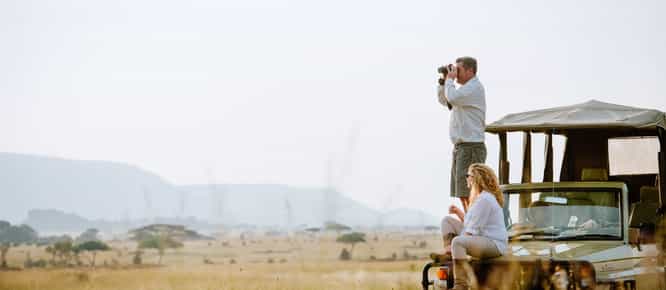
With its wide, winding rivers that attract animals in their droves and peaceful national parks where walking safaris are the name of the game, Zambia is one Africa’s greatest wildlife hotspots. Over 30% of its land is reserved for wildlife, including 20 national parks; but that might leave you wondering where exactly to go. And that’s where our trusty Zambia wildlife guide comes in…
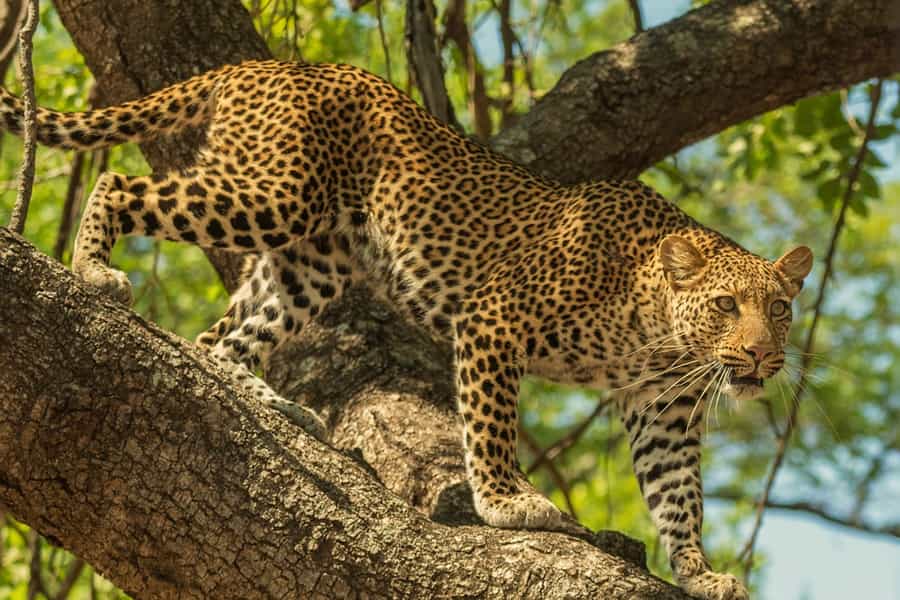
Spy a leopard while on safari in South Luangwa
South Luangwa
Dubbed one of the most prolific wildlife sanctuaries in Africa (and the world), South Luangwa National Park is nicknamed the ‘Valley of the Leopard’ thanks to its abnormally high numbers of the elusive cats. In fact, it’s unusual for visitors not to see a leopard during game drives or walking safaris. These usually stealthy cats enjoy lazing in the sausage trees along the Luangwa River’s fertile banks and have even been known to hunt in broad daylight.
In fact, the Luangwa River draws wildlife of every kind to its banks including elephant, zebra and 14 species of antelope. There is estimated to be about 50 hippos per kilometre in the mighty river and, during the dry season when the oxbow lagoons become smaller and smaller, the sightings become even more spectacular.
South Luangwa is also home to over 400 species of birdlife, including hundreds of large water birds like the elegant crowned crane and goliath heron. Between August and September, the flurry of crimson carmine bee-eaters nesting along the river banks is a truly splendid sight.
Lower Zambezi
While the Lower Zambezi National Park is developing steadily, it remains a relatively untouched wilderness where larger animals congregate on the valley floor and along the banks of its two rivers. The area is beginning to rival the South Luangwa in its leopard sightings and there is a growing wild dog pack, which visitors have a good chance of spotting. They have even begun hunting buffalo – a real rarity!
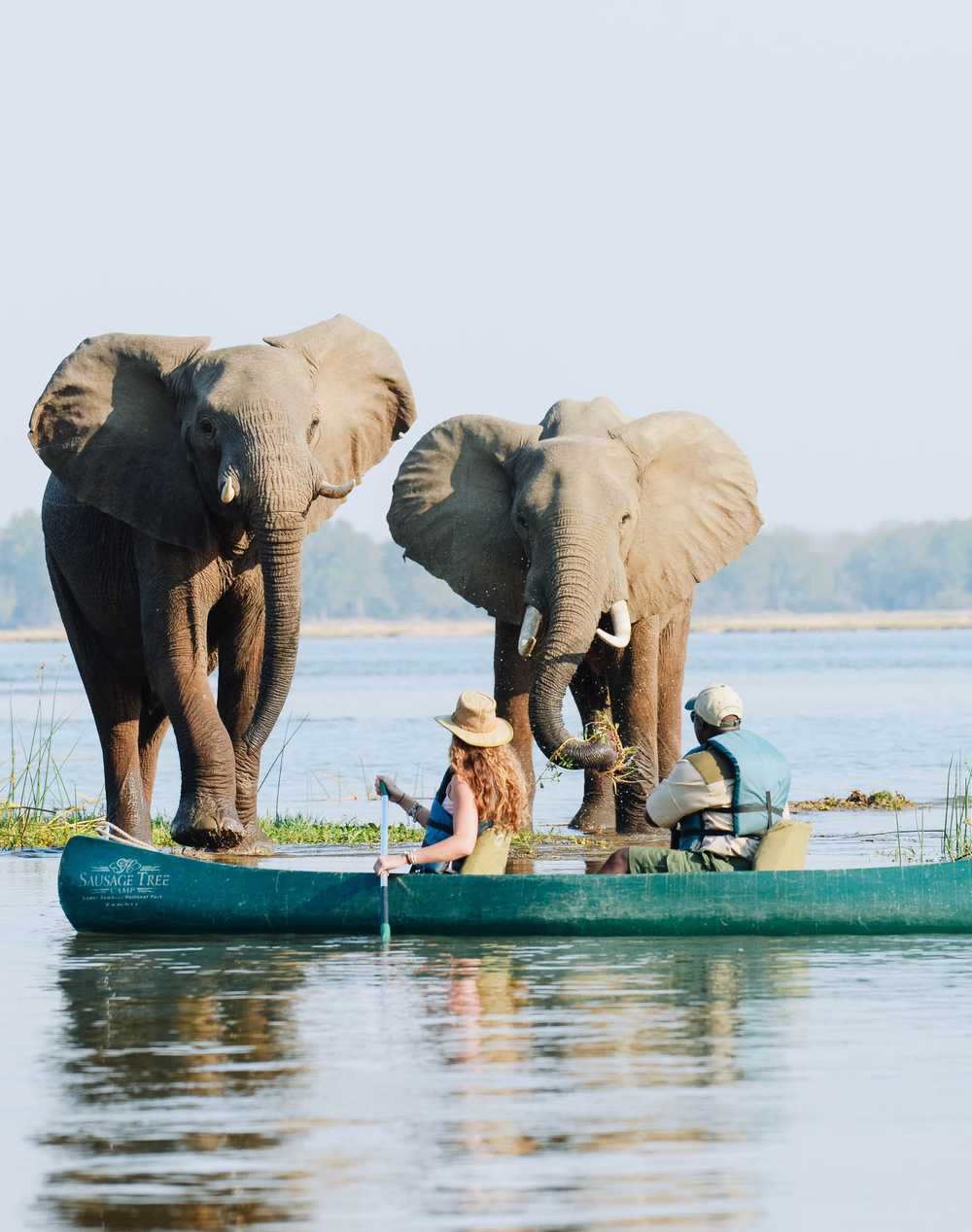
Canoe and boating safaris are very popular in the Lower Zambezi, offering the opportunity to see waterbuck and buffalo grazing on islands in the river, pods of hippo and, towards the end of the dry season (September to November), 100-strong herds of elephant bathing in the water. Birding is also exceptional with notable species like Lilian’s lovebird, red-winged pratincole and nesting carmine bee-eaters.

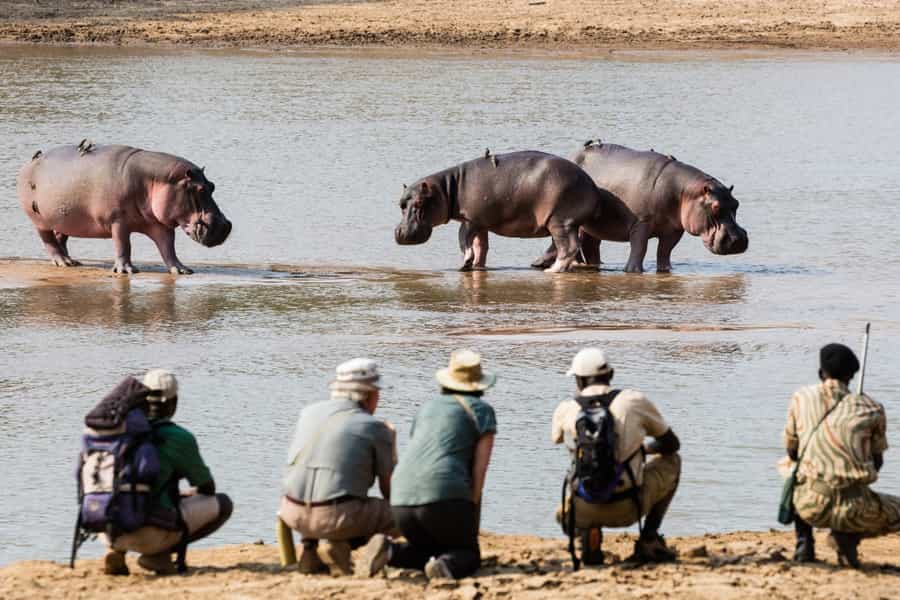
Spot hippos on a walking safari in North Luangwa
North Luangwa
Mostly left alone by humans, the North Luangwa is sheltered by the Luangwa River on one side and a dramatic escarpment on the other, with some areas only accessible on foot. It’s a good thing walking safaris are so popular here! The park has an extensive variety of habitats and winding tributaries that attract huge herds of buffalo and elephant, pods of hippo, endemic Cookson’s wildebeest, swaggering prides of lion and packs of African painted dogs. North Luangwa is also known for its impressive birdlife with highlights including the elegant secretary bird, Bateleur eagle and purple-crested turaco.
Kafue
Despite being Zambia’s oldest and biggest park, Kafue still remains fairly unexplored, and while the wildlife viewing isn’t as action packed as South Luangwa or the Lower Zambezi, it is home to the greatest variety of species in the country. Cheetahs remain rare in Zambia and Busanga Plains in northern Kafue is one of the best (and only) places to see them. Busanga is famous for its annual flood, which turns the plains into a vast swamp, and the Kafue lions race each year to raise their cubs in time to survive the oncoming water. There are also a whopping 21 species of antelope including red lechwe–who gather in their thousands on the plains–and both sable and roan, which are highly uncommon in other parks.
The Busanga Plains are home to one of Zambia’s largest congregations of water birds including Pel’s fishing owl, endangered wattled cranes and open-billed storks who spiral skywards in the late afternoon, forming a striking scene. Overall, Kafue has over 500 species – roughly as many as the whole of Europe – including ‘specials’ like the Zambian barbet, racket-tailed rollers and black-chested snake eagles.

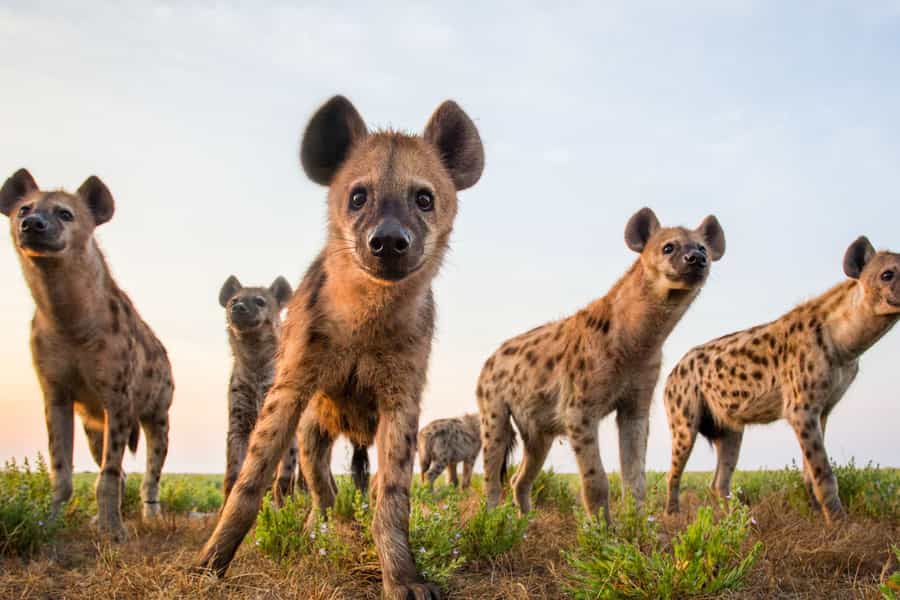
See the hyenas of Liuwa Plain
Liuwa Plain
Golden grass plains and an abundance of water combine to make Liuwa Plain a spectacular wildlife destination. One of its major draw cards is the incredible herds of blue wildebeest, which form the second largest mammal migration in Africa. They are often followed in hot pursuit by clans of spotted hyena, the apex predator in the area, which can reach up to 50 individuals. The area isn’t known for its big cats but has an incredible story of rejuvenation following years of poaching, growing from just one lion to over 16.
The park has an iconic collection of birdlife and you’ll have the chance to see swathes of pelicans searching for food in the shallows, crowned cranes and secretary birds, fluttering white-cheeked bee-eaters and the greater kestrel.

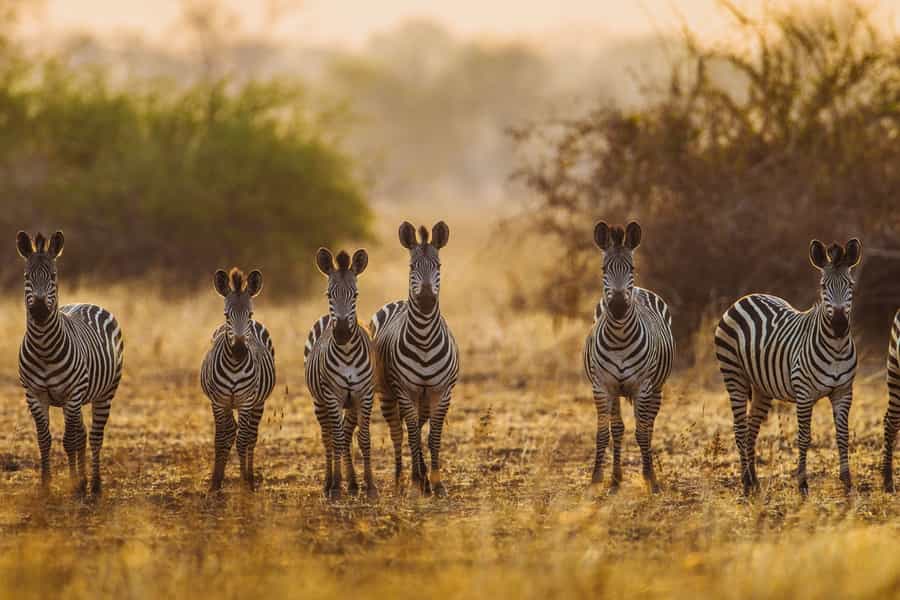
Witness herds of zebras on a game drive in Luambe
Luambe
An uninhabited and relatively undiscovered park on the eastern banks of the Luangwa River, the wildlife may not be as prolific in Luambe but sightings feel especially thrilling. The hippos really steal the show with pods that can reach over 500 and as the water dries up between August and October, their spectacular territorial fights begin. The river also attracts a host of antelope from the tiny duiker to the graceful kudu.
Birdlife is rather incredible in Luambe but perhaps the most impressive spectacle is the nesting colonies of carmine bee-eaters that take up residence along the river banks between September and October.
Kasanka
This tiny park is blessed with wetland habitats where you can spy unique wildlife like the rare blue monkey, slender-snouted crocodile, marsh mongoose and good herds of sitatunga and waterbuck. The birdlife is impressive with rarities like Pel’s fishing owl, the pygmy goose and Ross’ loerie to be spotted. If you’re lucky, you may even catch a glimpse of the elusive shoebill stork on Lake Ndolwa.
What really puts Kasanka on the map is its iconic bat migration, which takes place between the end of October and December. During this time, over 10 million fruit bats flock to its forests to dine on ripened fruit. The best time to take in this phenomenon is at sunrise when they take roost or sunset when they leave the trees to forage.

Latest blogs


As seen in