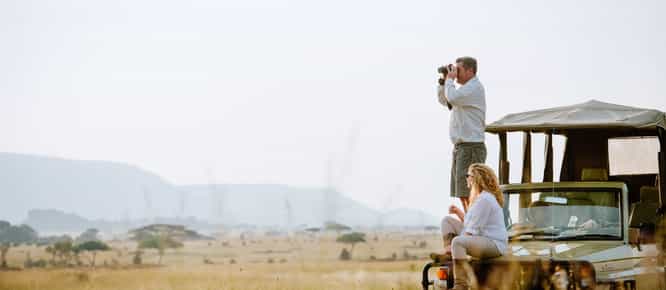
How to plan the perfect Tanzania safari
Close your eyes and picture Tanzania. Chances are you’re imagining those honey-hued plains of the Serengeti where herds of wildebeest stretch to the horizon and lions drape themselves over rocky kopjes to survey their kingdom. And yes, that’s Tanzania – but it’s only the beginning. If you’ve ever wondered how to plan a safari in Tanzania, it helps to first understand just how varied the experiences can be: think watching chimpanzees swing overhead in the emerald forests of Mahale, watching dhows gliding past on a pristine Zanzibari beach, or fly-camping under a sky of stars in Ruaha National Park. Because the real beauty of Tanzania is that it never stops surprising you…
Tanzania’s seasons
Before you dig out your soft-sided bag and start thinking about how to plan a safari in Tanzania, it’s worth casting your thoughts to the weather. The seasons really can make or break a safari.
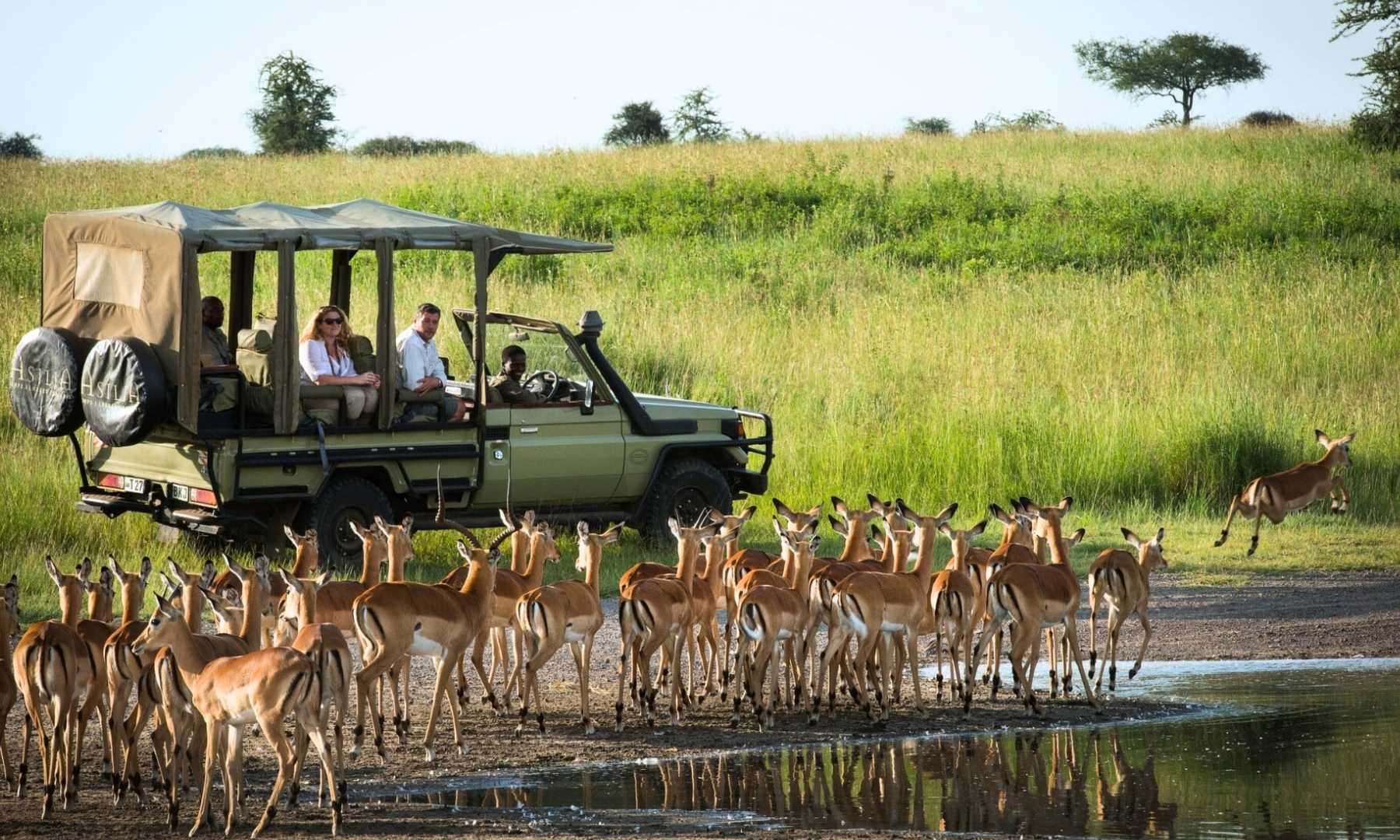
The dry season (June to October): Clear skies, thinning vegetation and animals gathering around waterholes mean game viewing is at its best during the peak dry season. It’s also when those famous Mara River crossings happen in the northern Serengeti – a bucket list experience if ever we saw one. But there is a catch: everyone knows it, so you’ll be sharing the magic with others, and possibly paying a premium.
The green season (November to May): Safari insiders love this time. The long rains arrive from March to May, the short rains in November and December, and in between you’ll enjoy lush, dramatic landscapes with hardly anyone else around. As an added bonus, lodges often offer great rates – and if documentary crews head out in the green season, you know it’s special…
As for wildlife, the birds are out in force. Keep your binoculars handy for pallid harriers and lesser kestrels in the Serengeti, or the smaller but no less spectacular European bee-eaters and Caspian lapwings. If chimpanzees are on your list, November in Mahale is perfect as the fruiting trees draw the chimps closer to the lakeshore, making them far easier to spot.
In the southern parks of Ruaha and Nyerere, many camps close when the rains are heaviest (accessibility can be tricky when the roads turn into rivers!) but many excellent lodges stay open throughout.

Where to go
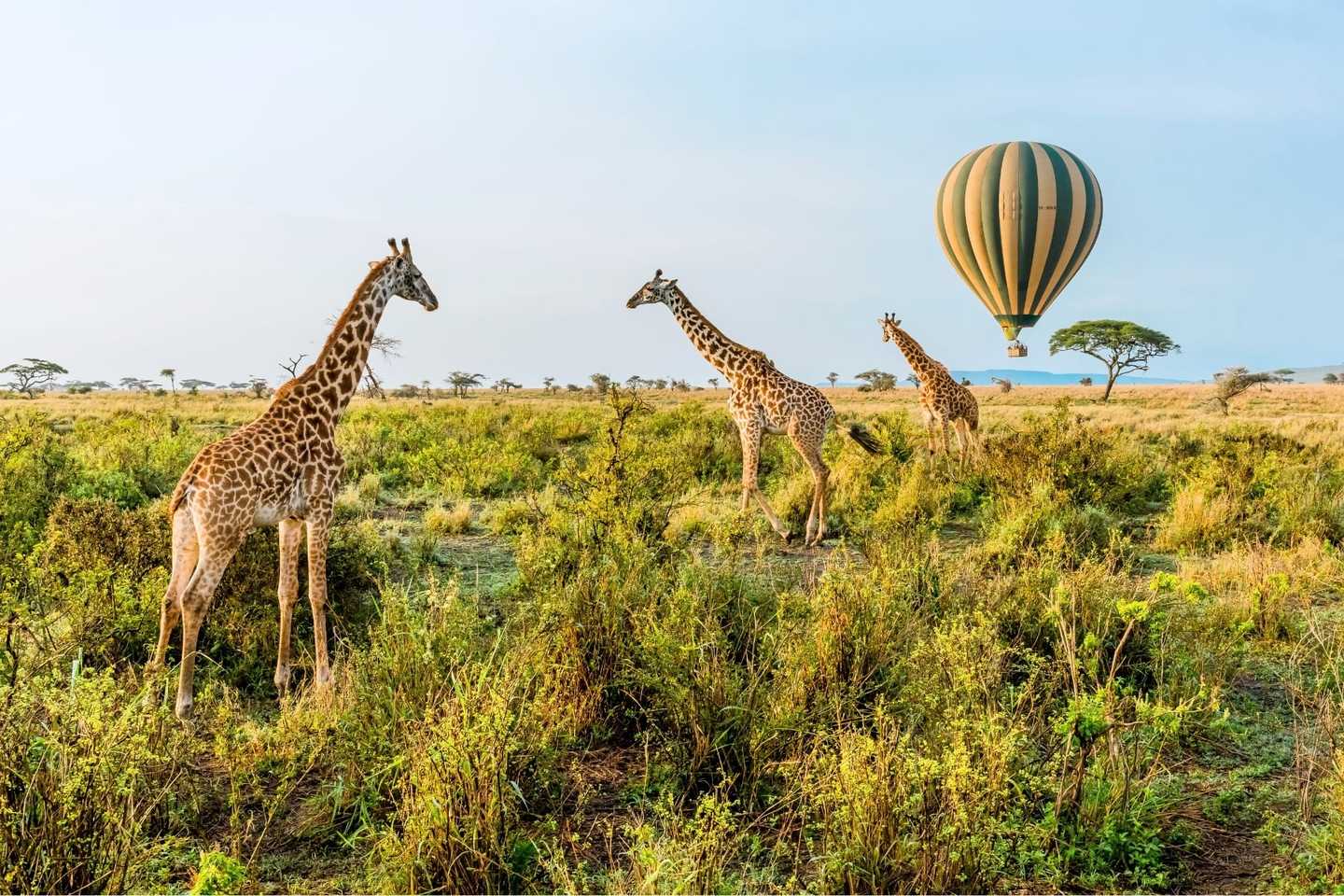
The question most people ask is whether to head north or south in Tanzania – and when thinking about how to plan a safari in Tanzania, the answer often depends on whether you’re looking for icons or intimacy. Both circuits are brilliant, just in very different ways.
The Northern Circuit
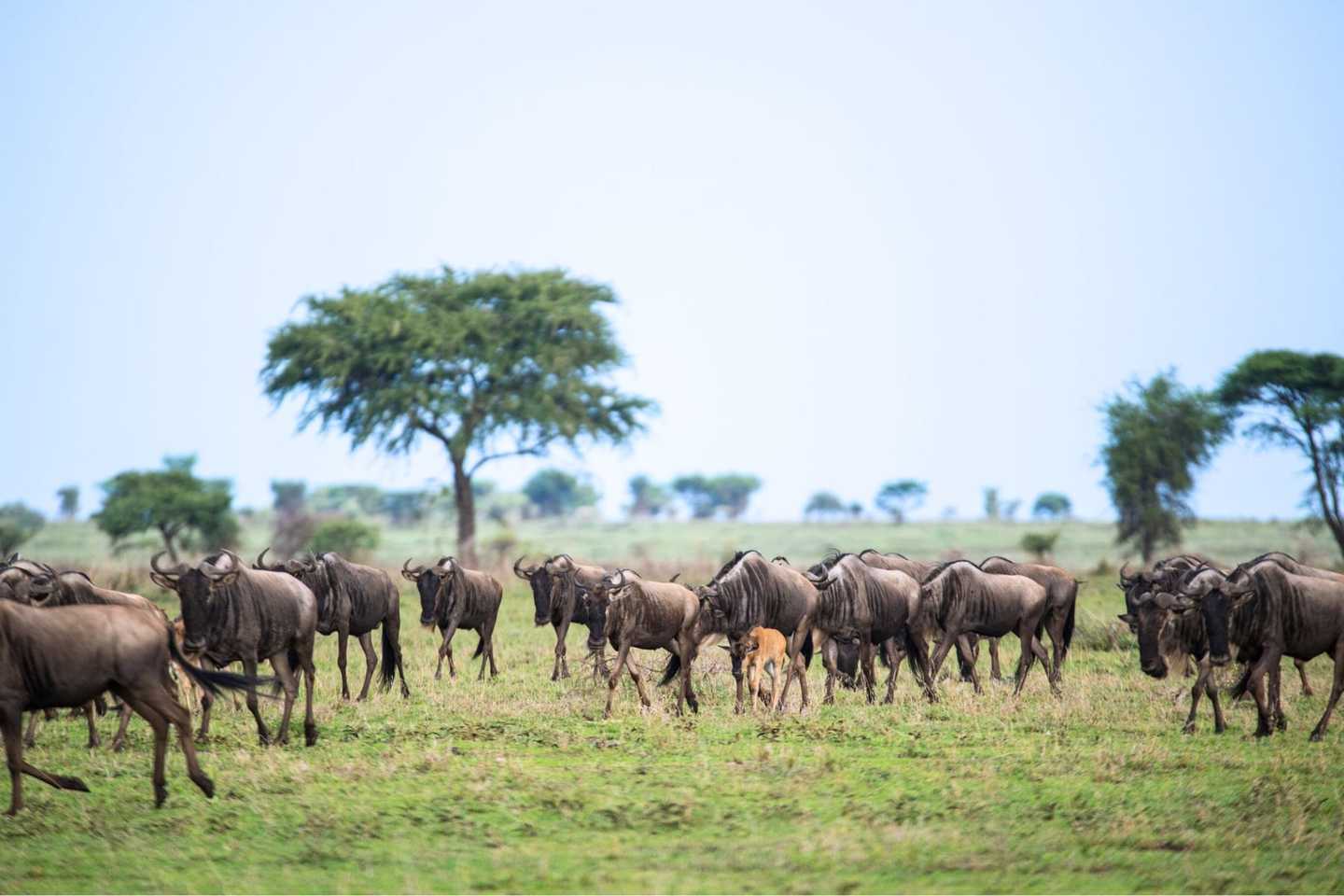
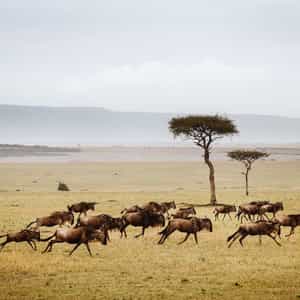
The north is Tanzania’s “greatest hits” and it’s easy to see why so many visitors start here. The Serengeti National Park is the headliner. Its golden plains are iconic and feel endless and it’s these very landscapes that the Great Migration plays out, from river crossings in the north to the extraordinary calving season in the south (February and March), when hundreds of thousands of wildebeest, zebras, and gazelles give birth within weeks of each other. It’s tender, chaotic, and unforgettable.
Close by is the Ngorongoro Crater, Africa’s “Garden of Eden.” Standing on the rim at sunrise, looking into the world’s largest volcanic caldera with its self-contained ecosystem, is an experience that will leave you lost for words. The Big Five live here year-round, so sightings are plentiful without the need for long drives.
Tarangire is often overlooked, but those who make the journey are rewarded with vast elephant herds, dramatic baobabs, and some of the best birding in East Africa with over 550 species calling the park home. Landscapes here change with surprising speed, and you’ll find everything from lush forests to sprawling swamps in the space of a morning game drive.
And then there’s Lake Manyara, a tiny but mighty park that’s full of character. Famous for its flamingo-fringed lake and tree-climbing lions (a behaviour scientists still debate — cooling off, escaping flies, or just a tactical advantage), it offers something a little different and wonderfully photogenic.
The Southern Circuit
For those craving a wilder, more intimate experience, the south is hard to beat and anyone working on how to plan a safari in Tanzania that avoids the crowds should have Ruaha and Nyerere on their shortlist.
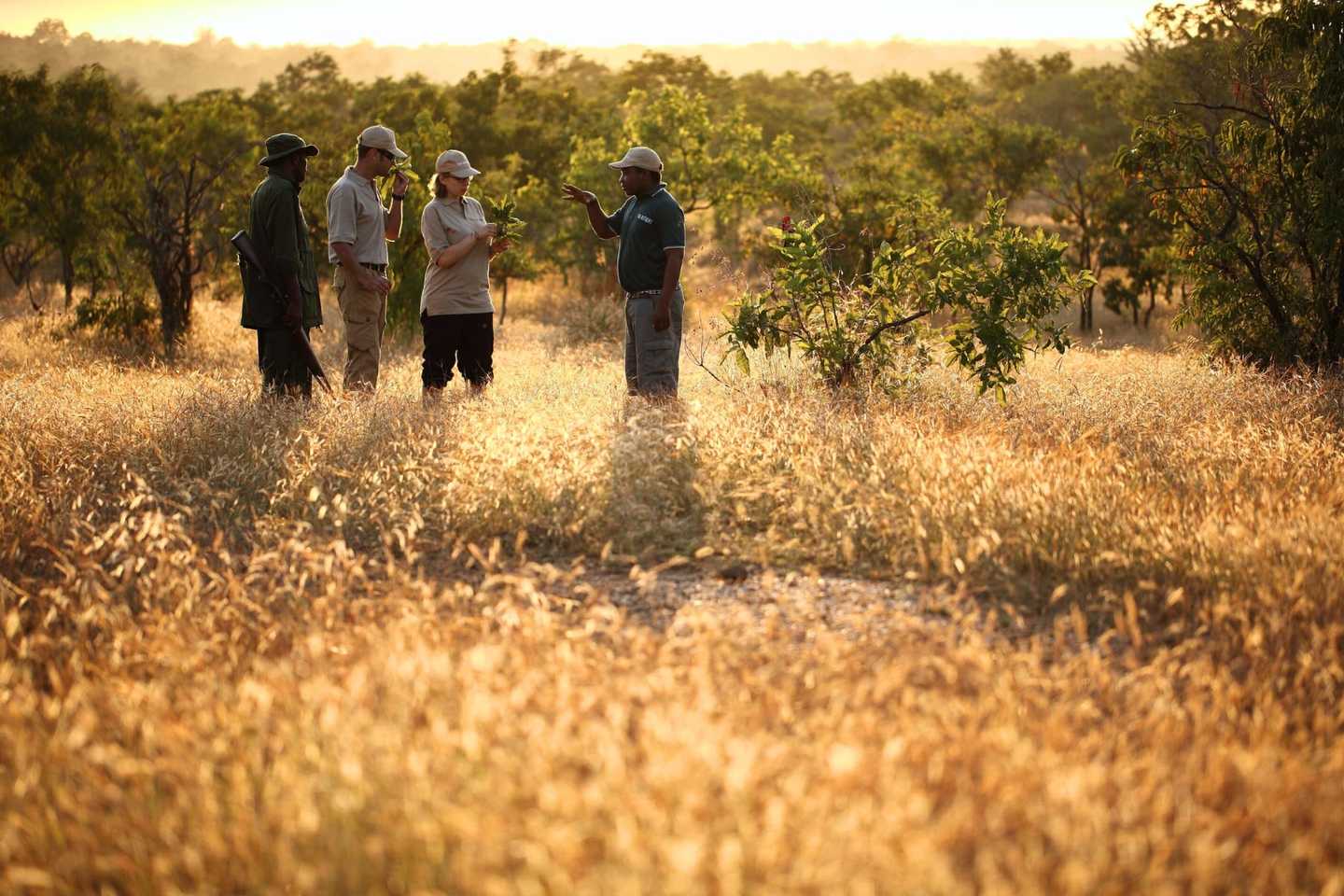
Ruaha National Park is vast, remote, and home to roughly ten percent of the world’s lion population. It’s one of the best places to try a walking safari, and if you visit in June you might even track African wild dogs during their denning season.
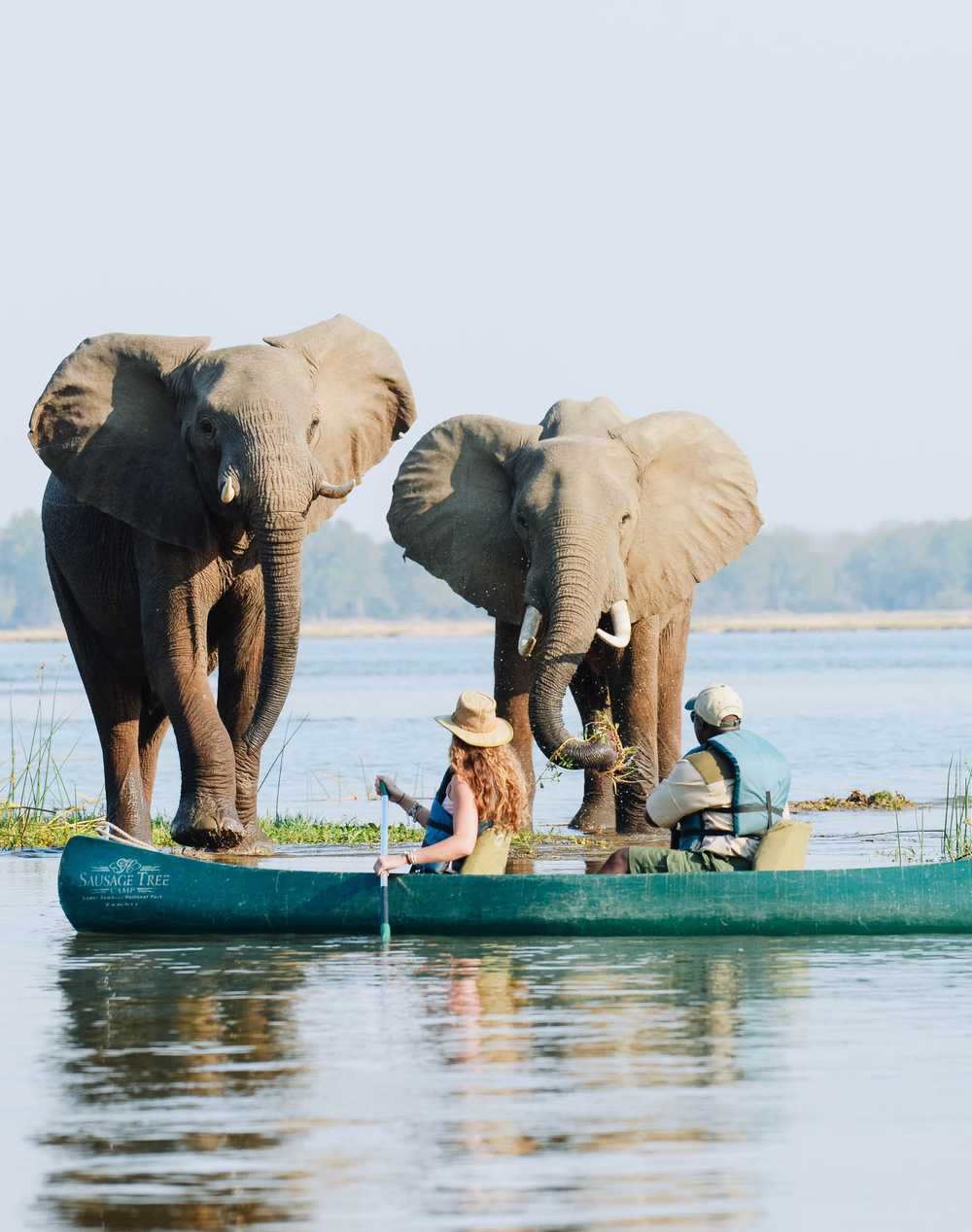
Nyerere National Park, formerly Selous, pioneered walking safaris in Tanzania, but its real claim to fame is boat safaris along the 600-kilometer Rufiji River. From the water, you’ll spot crocodiles basking on sandbanks, elephants wading through channels, and birdlife flittering along the banks. The park is also home to a good-sized population of African wild dogs, with some 2,000 of them calling it home.
Further west is Katavi, one of Tanzania’s least visited parks, where in the dry season hippos jostle shoulder to shoulder in shrinking pools and crocodiles carve caves into the riverbanks. It’s raw, dramatic, and very, very memorable.

Adding Zanzibar
Pairing a Tanzanian safari with Zanzibar’s spice scented shores is a golden travel pairing. We would recommend at least 10 days to do both destinations justice, but there is a little leeway if you have less (or more!) time to spend.
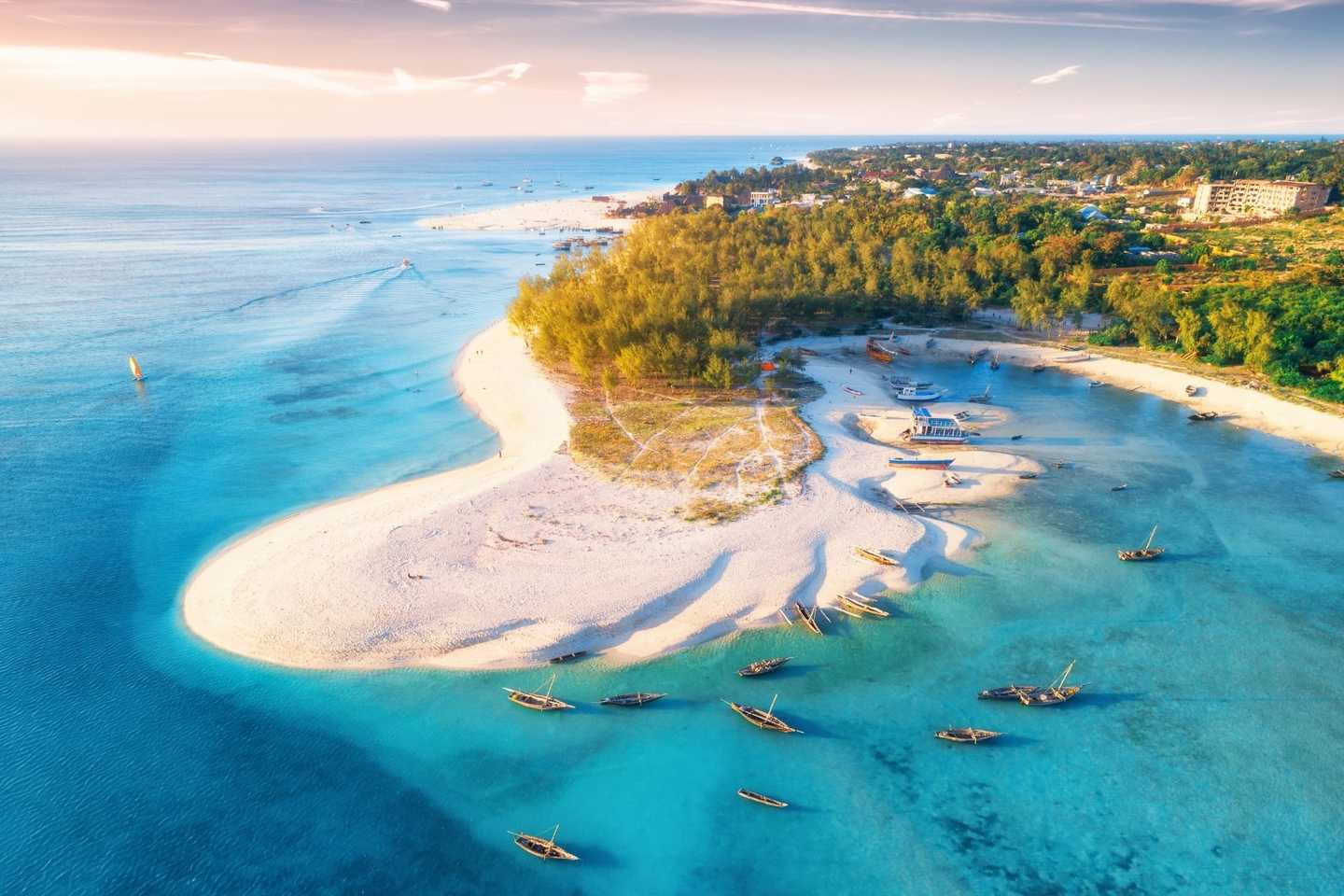
After days of dawn game drives, slipping into island time on Zanzibar is blissful. Stone Town’s maze of alleys and carved doors speaks of centuries of trade between Africa, Arabia and Europe, while the beaches invite long days of snorkelling, hammock swinging, or simply perfecting the art of doing nothing. After all, sometimes the best adventures are the ones that happen in a hammock…
Flights from the mainland take just over an hour, with soft bag weight limits on the small aircraft, or you can opt for the ferry from Dar es Salaam.
Regular flights on small aircraft make island-hopping easy and quick, although all flights have strict 15-20kg soft bag weight limits.
While safari season might dictate your mainland timing, Zanzibar plays by its own rules – it’s warm and welcoming year-round. March is the sweet spot for diving visibility, just before the long rains arrive and after the winds have settled into something more civilized.
Packing tips
As always, we recommend keeping it simple: plenty of neutral colours in lightweight fabrics, layers for cool mornings and warm afternoons, and comfortable walking shoes. Dark blue and black attract tsetse flies, so leave those at home.
Don’t forget a wide brimmed hat, sunscreen, insect repellent, and more memory cards than you think you’ll need.
For Zanzibar, add swimwear, sandals, a sarong or light cover up, and a waterproof pouch for electronics. Most lodges and resorts do laundry, so there’s no need to overpack.
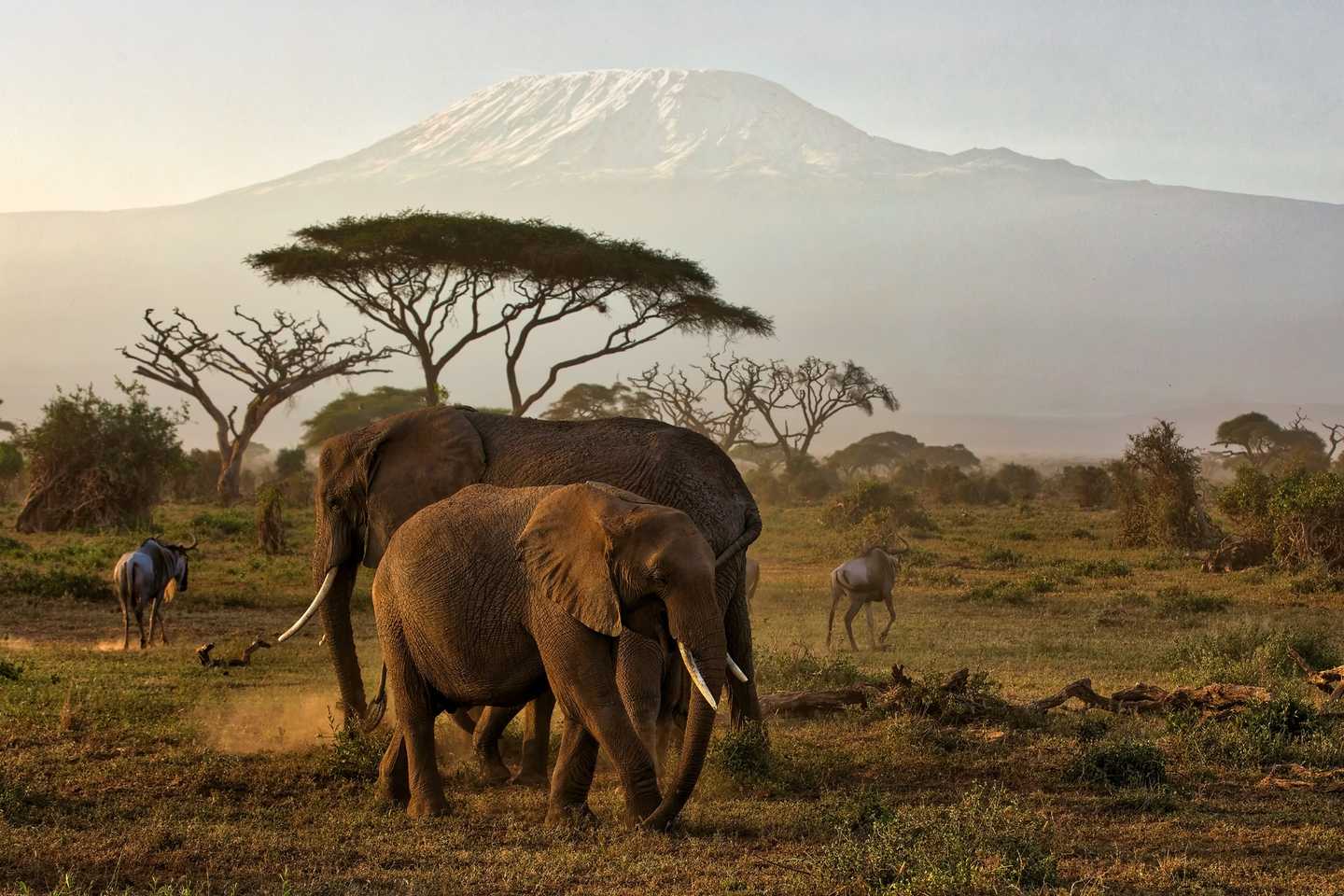
Planning a trip to Kenya and Tanzania
If you’re thinking about how to plan a safari in Tanzania and want to extend it, adding Kenya is one of the easiest and most rewarding options. It’s surprisingly simple to combine the two countries in one trip thanks to regular flights between Dar es Salaam (the capital of Tanzania) and Nairobi. This way, you get the best of both worlds – Kenya’s Masai Mara and Tanzania’s Serengeti are neighbours, after all, and the Great Migration doesn’t recognise international borders.
Many travellers also choose to relax on the beaches of Kenya’s gorgeous coastline at the end of their safari. As with Zanzibar, flights to places like Diani Beach, Malindi and the tropical island of Lamu are quick and easy from Nairobi’s Wilson Airport.

The beauty of Tanzania lies not just in its world-famous wildlife spectacles, but in its ability to surprise you. Whether you’re watching a leopard melt into the shade, sharing a moment with chimpanzees deep in the forests, or simply watching dhows silhouetted against a Zanzibar sunset, Tanzania has a way of exceeding even the wildest expectations.
So go on, start planning with our experts today. Your Tanzania adventure is waiting…
Latest blogs


As seen in