The best time to visit Nepal
 With expert insights from Carola Fresno, Travel Specialist
Nepal packs an extraordinary amount into a country roughly the size of England. From the steamy jungles of the Terai where tigers prowl, to the lung-busting heights of Everest Base Camp, to the incense-thick temples of Kathmandu Valley, it’s a destination that rewards careful timing. Get it right, and you’ll discover crystalline panoramas, exceptional wildlife encounters that quicken the pulse, and swirling festivals of colour and devotion. But get it wrong and you might be faced with foggy views and some serious weather conditions. The good news is that Nepal’s seasons are remarkably predictable. Here’s our honest, month-by-month breakdown to help you plan your perfect trip.
The best time to visit Nepal at a glance
- Best overall: mid-October to mid-November, when the monsoon has cleared the air and the Himalayan views are at their sharpest.
- Clearest mountain views: December to February, once the morning valley fog burns off.
- Best for tigers: February and March, after the annual grass cutting begins in the lowland jungles.
- Best for rhododendrons: late March and April, especially along the Annapurna trails.
- Avoid: June to September, when 80% of the annual rainfall arrives – with the exception of Upper Mustang.
- Prices: peak season commands a premium; winter rates drop by 20–30%.
- Booking window: luxury lodges need booking eight to 12 months ahead for October and November.
When to visit Nepal, season by season
| Season | Best for | Trade-off |
|---|---|---|
| October to November | Clear skies, pristine trekking trails, Dashain and Tihar festivals | Premium prices, busy trails, lodges need booking 8–12 months ahead |
| December to February | The clearest mountain views of the year, thin crowds, tiger country | Cold at altitude, many teahouses above 4,000m closed, poor Kathmandu air quality |
| March to May | Rhododendrons in bloom, excellent trekking, Everest summit season | Haze and dust below 3,000m; the Terai becomes uncomfortably hot by late May |
| June to September | Upper Mustang only, with almost no other tourists | 80% of annual rainfall, impassable roads, flight cancellations, most lodges closed |
October to November
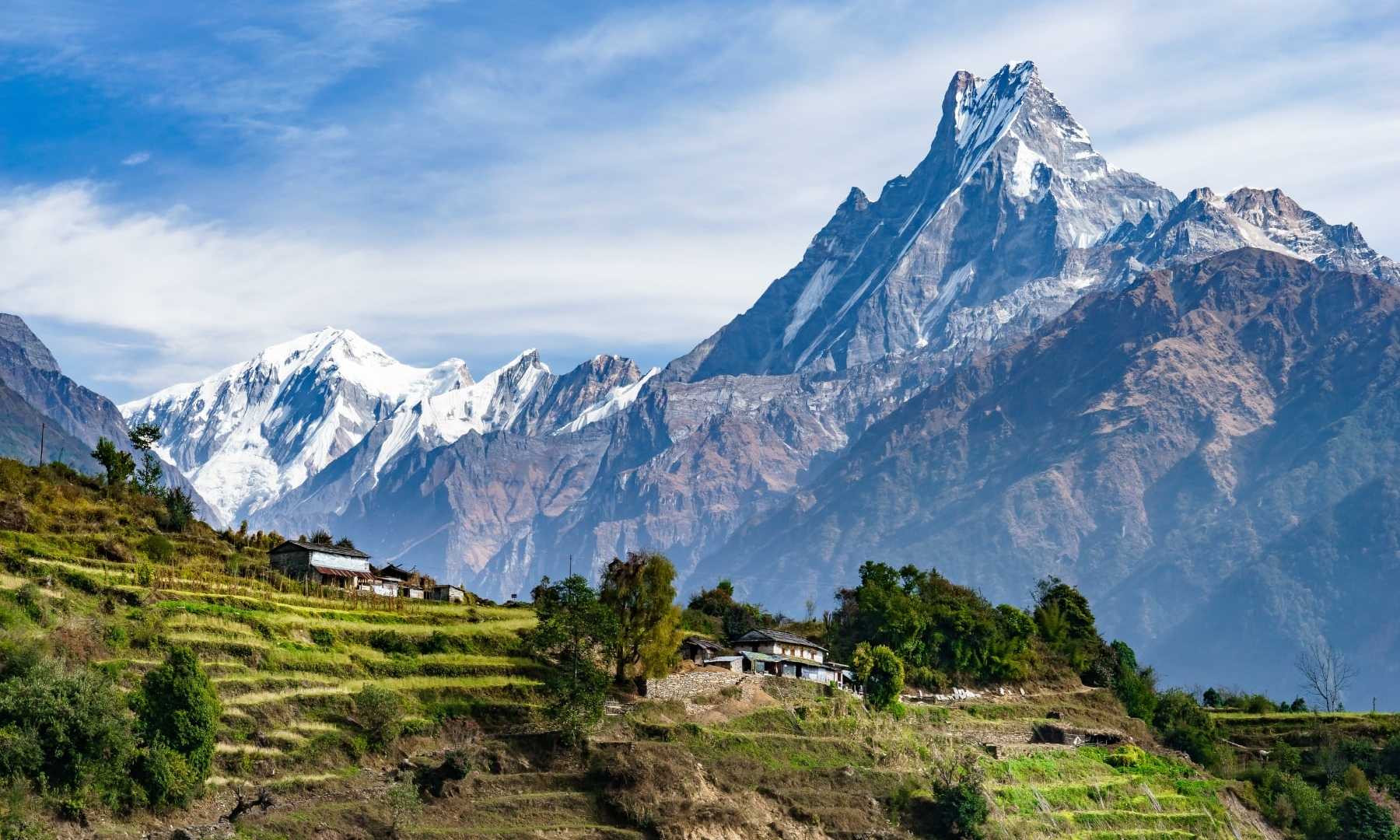
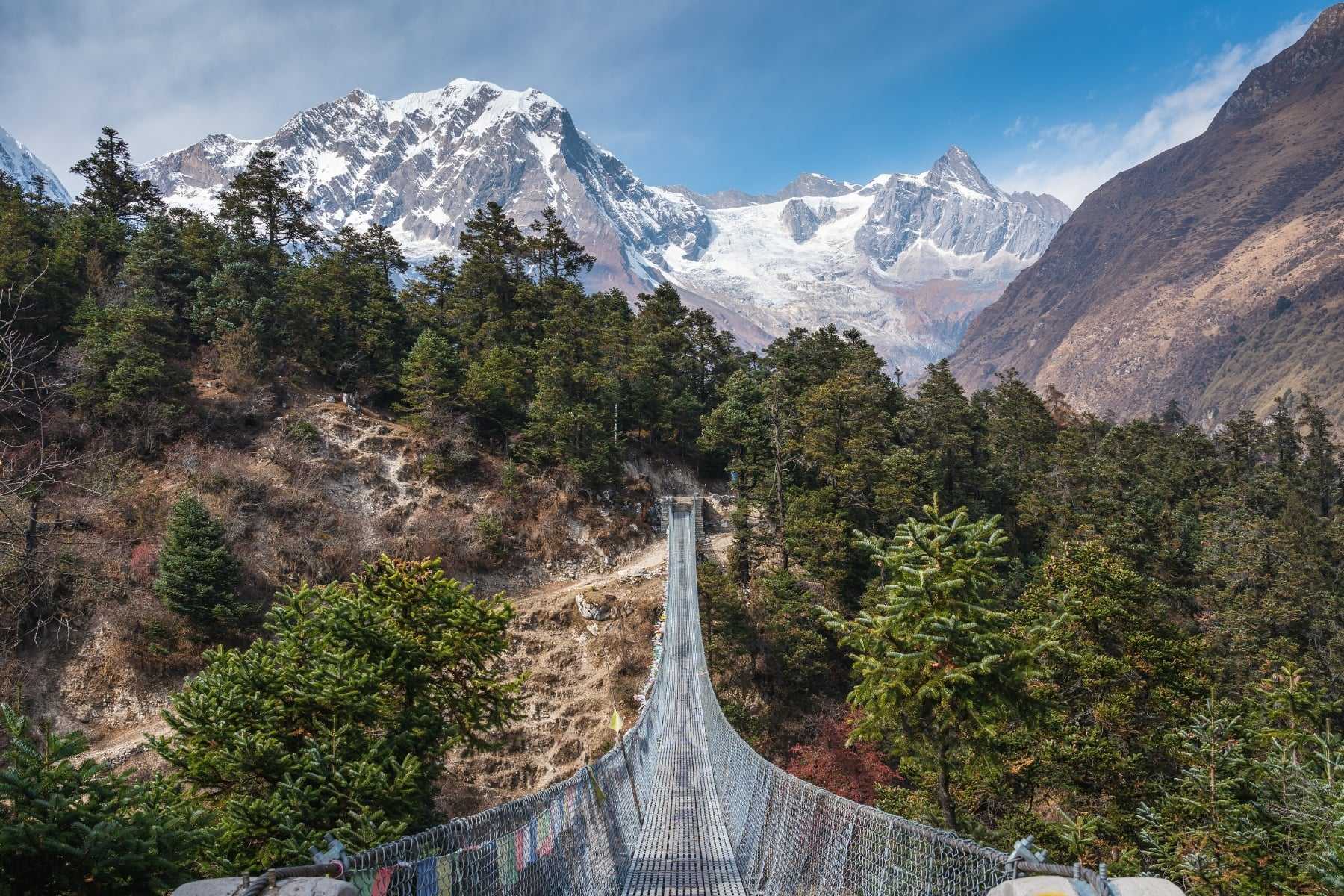
If Nepal had a greatest hits album, this would be it. The monsoon rains have scrubbed the air clean, leaving incredibly blue skies and Himalayan views so sharp they look almost unreal. Temperatures in Kathmandu hover around a pleasant 20 to 24°C during the day, dropping a little at night but only enough to need a light layer. The trekking trails are in pristine condition, the wildlife is visible, and the entire country hums with a post-monsoon optimism.
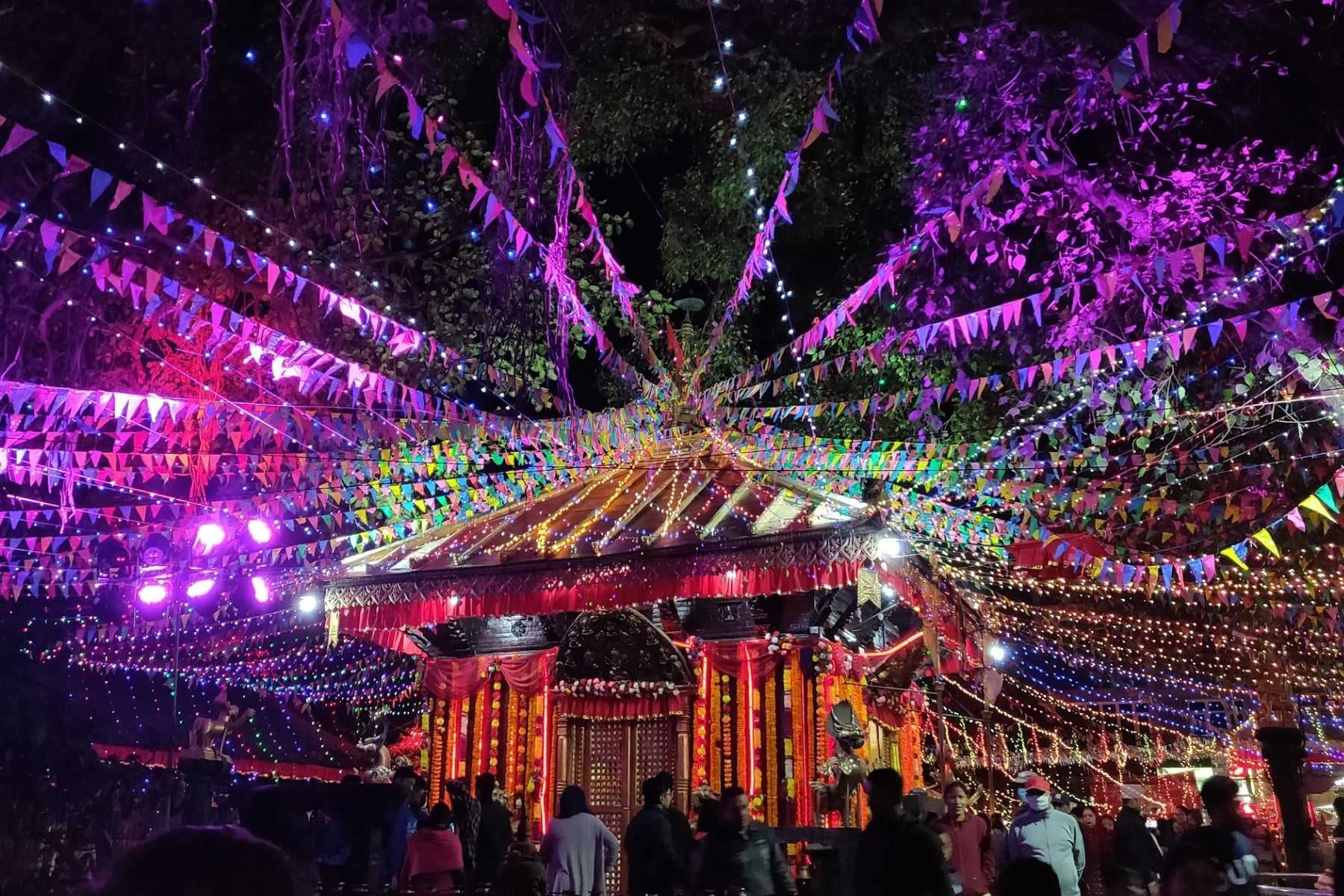
This time of year is also festival season, and Nepal doesn’t do them by halves. Dashain arrives in late September or early October – a 15-day celebration that slows the country to a gentler rhythm as families reunite, kites fill the skies, and blessings are exchanged. Then comes Tihar in October or November, the Festival of Lights, when houses throughout the old towns of Patan and Bhaktapur are decorated with oil lamps and intricate rangoli designs, and singing groups go door-to-door in scenes that feel lifted from another century.
The catch? Everyone knows this is prime time. Expect premium prices, well-populated trails, and the need to book luxury lodges a good eight to 12 months ahead. If you’re the sort of traveller who likes having Everest Base Camp to yourself, this isn’t your moment. But if you want the country at its most spectacular and don’t mind sharing the view with a few fellow admirers, there’s simply no better time to visit Nepal.
“October and November are Nepal’s greatest hits. The monsoon has scrubbed the air clean and the Himalayan views are so sharp they look almost unreal. You just have to accept that everyone else knows it too — and book those lodges eight to 12 months out.” — Carola Fresno, Asia travel specialist

December to February
Here’s a secret that seasoned Nepal hands guard jealously: winter delivers the clearest mountain views of the entire year. Once the morning valley fog burns off, the Himalayas reveal themselves with an almost startling clarity. Crowds thin dramatically, prices drop by 20–30%, and you’ll find yourself with significantly more elbow room at viewpoints and on trails.
The trade-off is obvious: it’s cold. Kathmandu enjoys mild enough days (15–20°C) but nights require proper layers, and January frost isn’t unusual. Up at altitude, conditions become genuinely challenging – Everest Base Camp averages -17°C in January, and many teahouses above 4,000 metres close entirely. High-altitude trekking in winter is strictly for the experienced and well-equipped.
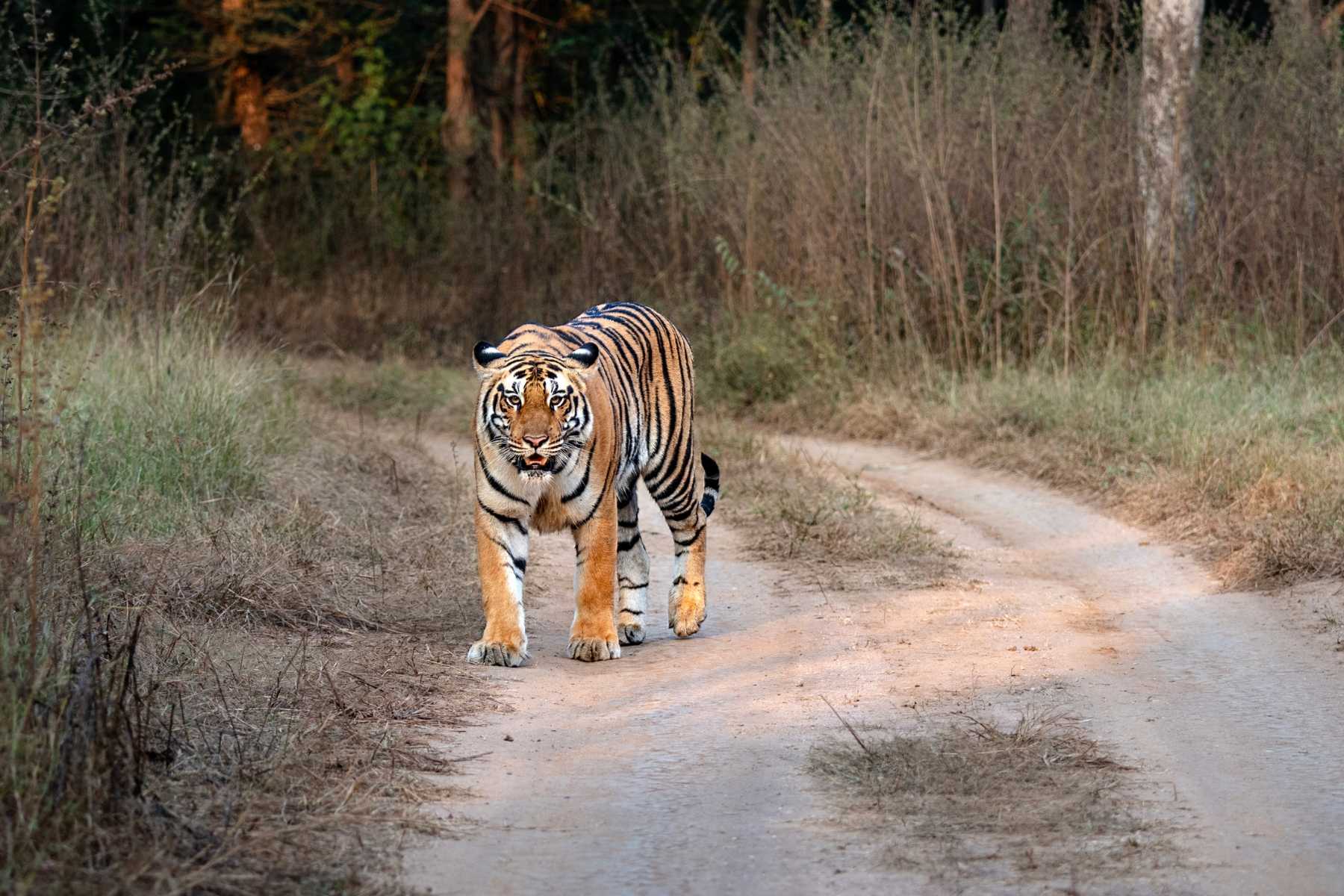
But here’s where it gets interesting. While the mountains turn inhospitable, the lowland jungles of Chitwan and Bardia come into their own. Temperatures are comfortable, and come late January, the annual grass cutting begins, transforming what was impenetrable elephant grass into cropped meadows where wildlife becomes dramatically visible. February and March offer some of the best tiger sighting odds of the year so if a Royal bengal has been on your bucket list, this is when to come looking.
One caveat, however: Kathmandu’s air quality deteriorates significantly in winter, with pollution levels regularly hitting the ‘unhealthy’ category. Consider limiting your time in the capital in favour of Dhulikhel’s cleaner air or heading straight to the mountains or jungles.
“Winter is the season seasoned Nepal hands guard jealously. Once the morning fog burns off you get the clearest mountain views of the entire year, prices drop by 20–30%, and the lowland jungles of Chitwan and Bardia come into their own.” — Carola Fresno, Asia travel specialist

March to May
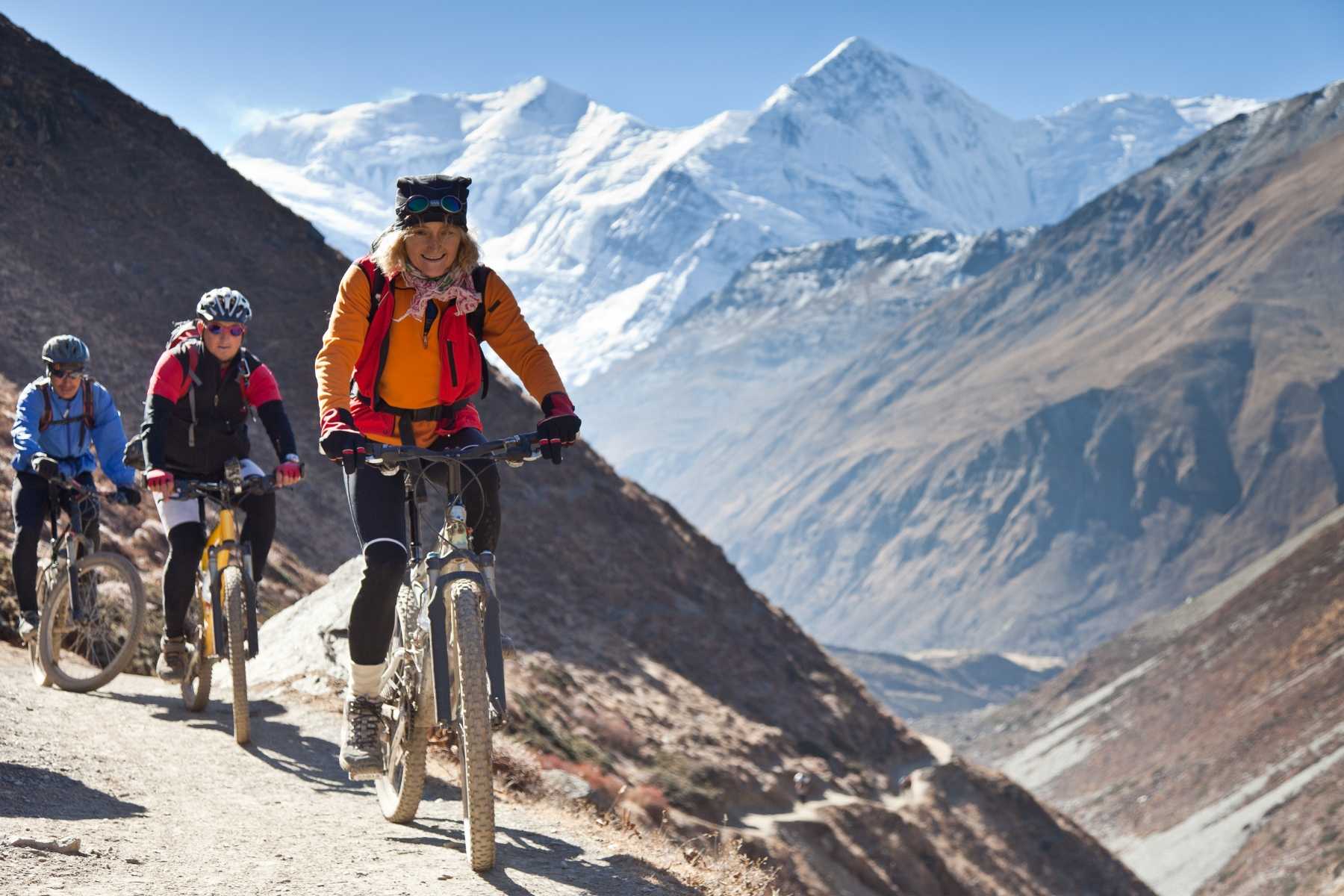
Spring transforms Nepal’s hillsides into something rather magical. The rhododendrons – Nepal’s national flower – burst into bloom across the middle hills, painting entire mountainsides in a riot of crimson, pink, and white. The effect is particularly spectacular along the Annapurna trails in late March and April, where you’ll find yourself walking through mystical forests and fields.
Temperatures warm progressively and it’s pleasant in March but properly warm by May. Trekking conditions are excellent, with the Thorong La Pass on the Annapurna Circuit reliably open and the days are long enough for comfortable hiking. There’s also a particular energy in the Everest region during April and May. This is summit season and Base Camp buzzes with expedition teams preparing for their attempts on the world’s highest peak. Even if you’re not planning to go higher than the standard trekking route, there’s something exciting about being in the vicinity of such ambitious adventures.
The main drawback is visibility. Haze and dust from the lower elevations can obscure views from Kathmandu and Pokhara, though conditions improve once you’re above 3,000 metres. By late May, pre-monsoon showers begin to arrive, and the Terai lowlands become uncomfortably hot – safaris are still possible but require early morning starts and a tolerance for temperatures exceeding 40°C.
Holi in March brings a frenzy of colour and energy to the streets, and Buddha Jayanti in May sees thousands of pilgrims converging on Lumbini, Buddha’s birthplace, and Boudhanath Stupa in Kathmandu.
“Late March and April on the Annapurna trails is something else — the rhododendrons paint entire mountainsides crimson, pink and white. Just know that haze from the lower elevations can obscure the views until you’re above 3,000 metres.” — Carola Fresno, Asia travel specialist

June to September
There’s no polite way to say this: the monsoon is not Nepal’s finest hour. 80% of the annual rainfall arrives between June and September, with Pokhara alone receiving a staggering 940mm in July. Roads become impassable, domestic flights face frequent cancellations, mountain views disappear behind persistent cloud, and leeches emerge on lower-elevation trails with gusto. Most lodges reduce operations or close entirely, making a visit mostly illogical.
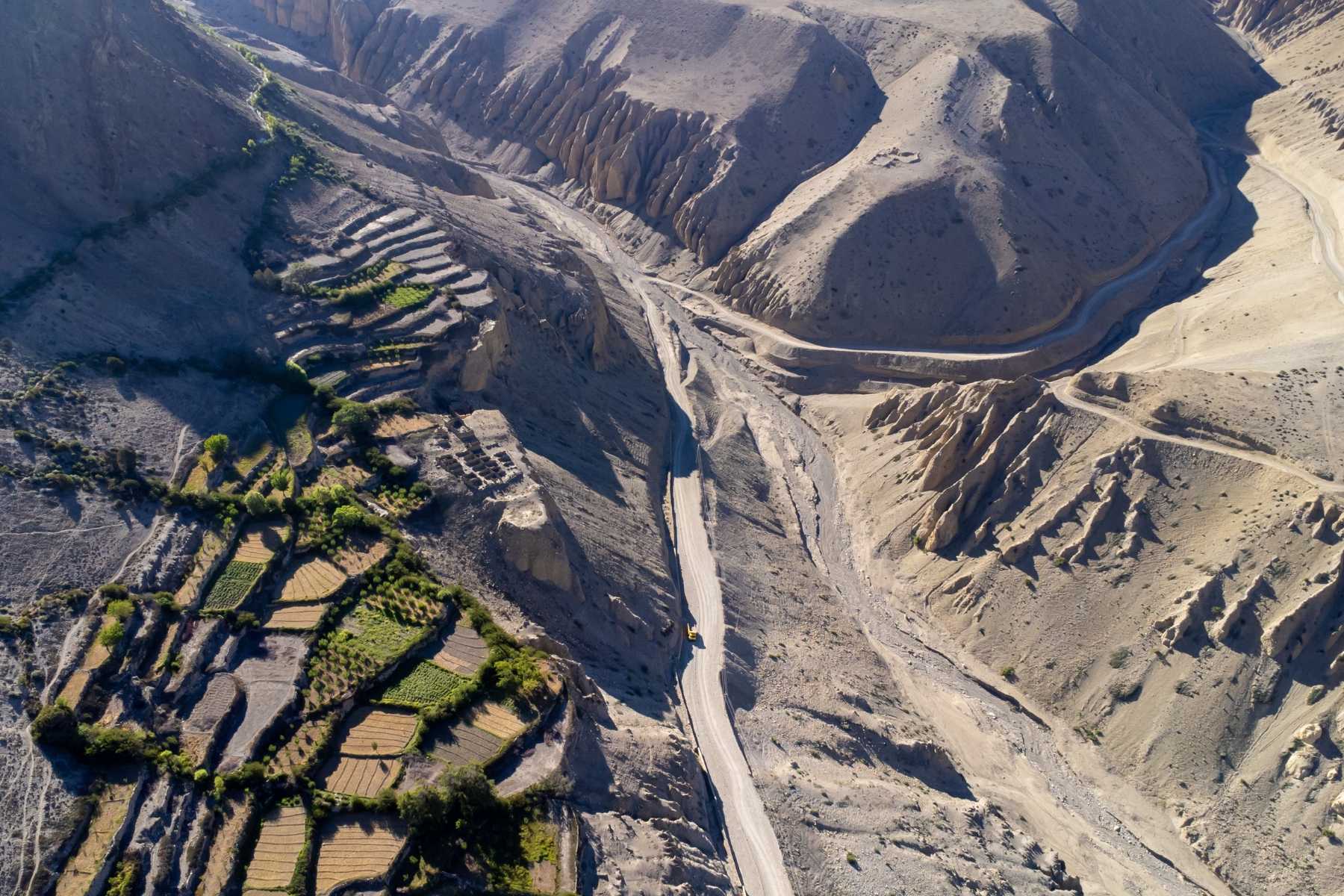
The exception is Upper Mustang, the former Kingdom of Lo. This restricted region lies in the Himalayan rain shadow, receiving less than 300mm of rain annually. While the rest of Nepal dissolves into soggy chaos, Upper Mustang remains trekable, offering Tibetan-influenced landscapes, ancient monasteries, and an almost complete absence of other tourists. If you’re determined to visit Nepal in summer and are willing to invest in the necessary permits, this is your route.
Otherwise, save your travels for elsewhere.

The practical bits
Lukla flights: If you’re trekking to Everest, know that flights to Lukla are notoriously unreliable – roughly 50% experience delays even in peak season. Build in buffer days, and consider pre-arranging helicopter backup for tight itineraries.
Insurance: Travel insurance is mandatory for trekking permits. Ensure your policy covers your maximum altitude (6,000m for most treks) and helicopter evacuation to at least $100,000.
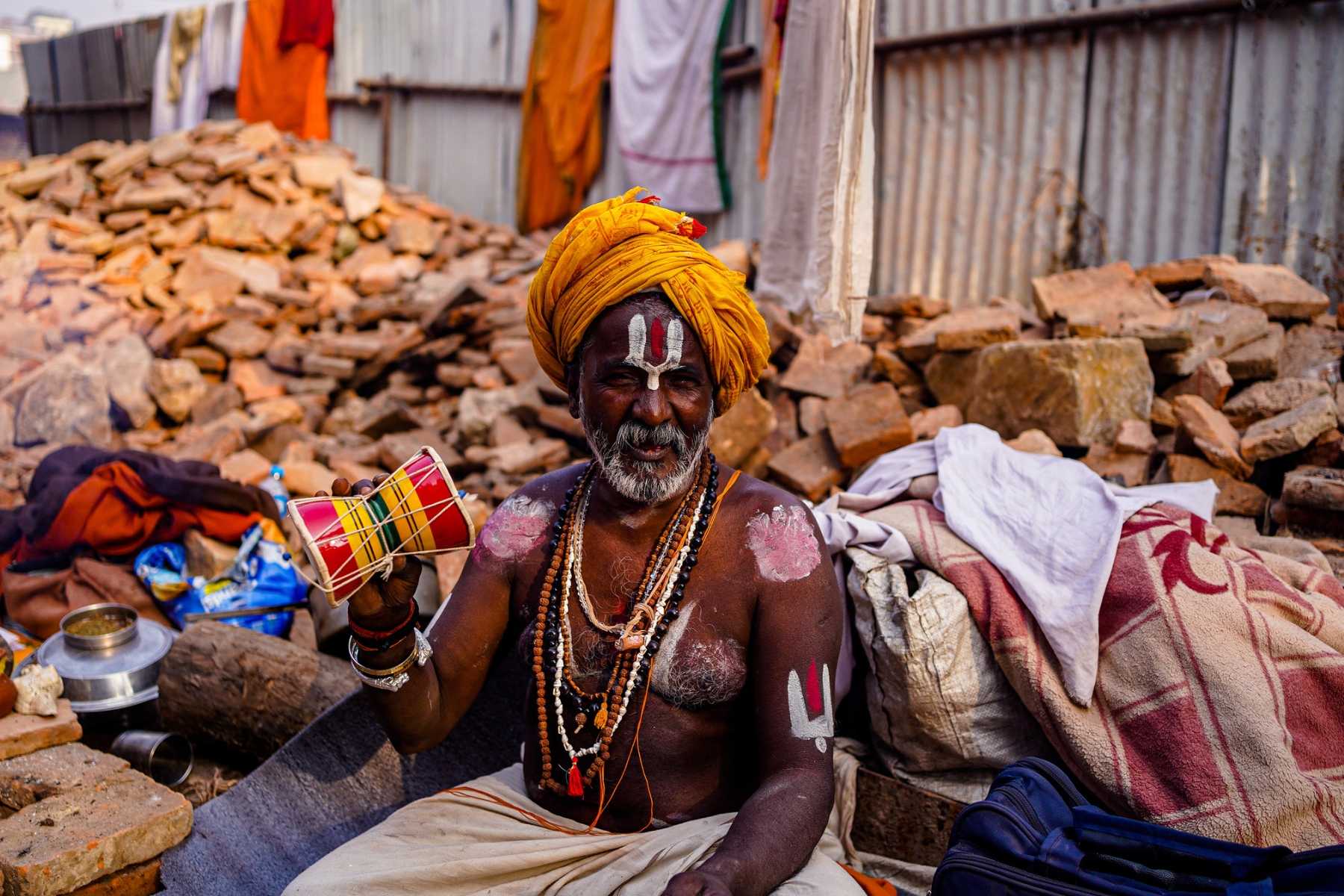
Festivals to plan around: Dashain and Tihar offer unforgettable cultural immersion, but expect some areas can be busy, whilst others close – although all tourist services like flights and hotels remain open. Maha Shivaratri in February transforms Pashupatinath Temple into an extraordinary spectacle of devotees and sadhus. Arrive at 2am if you want to catch the full experience.

So, when should you go?
For the complete Nepal experience – mountains, wildlife, culture, the lot – mid-October to mid-November remains the gold standard. But there’s a strong case for February and March with their crystal-clear mountain views, prime safari conditions, thinned crowds, and the satisfaction of knowing you’ve timed it very cleverly.
Whichever time of year you choose, what remains constant is Nepal’s capacity to deliver experiences that have the ability change you. It might be watching the sun rise over Everest from Kala Patthar, locking eyes with a tiger in Bardia’s riverine forest, or simply sitting in a temple courtyard as the evening prayers begin and the smell of incense drifts through the golden light…
“Mid-October to mid-November is still the gold standard for the complete Nepal experience. But February and March are my quiet recommendation — crystal-clear mountain views, prime safari conditions and thinned crowds, with the satisfaction of knowing you’ve timed it very cleverly.” — Carola Fresno, Asia travel specialist
Nepal FAQs
What is the best month to visit Nepal?
Mid-October to mid-November remains the gold standard for the complete Nepal experience. The monsoon rains have scrubbed the air clean, Kathmandu sits at a pleasant 20 to 24°C during the day, and the trekking trails are in pristine condition. Expect premium prices and well-populated trails in return.
Is it worth visiting Nepal in winter?
Yes, if you know what you’re getting. December to February delivers the clearest mountain views of the entire year once the morning valley fog burns off, with prices 20–30% lower and far more elbow room on trails. The trade-off is the cold: Kathmandu days are mild at 15–20°C but nights need proper layers, and many teahouses above 4,000 metres close entirely.
When is the best time to trek to Everest Base Camp?
October and November offer pristine trail conditions, while April and May bring summit season, when Base Camp buzzes with expedition teams. Avoid winter unless you’re experienced and well-equipped – Everest Base Camp averages -17°C in January. Whenever you go, build in buffer days: roughly 50% of Lukla flights experience delays even in peak season.
When can you see tigers in Nepal?
February and March offer some of the best tiger sighting odds of the year. From late January the annual grass cutting begins in Chitwan and Bardia, transforming impenetrable elephant grass into cropped meadows where wildlife becomes dramatically visible.
Can you visit Nepal during the monsoon?
It’s difficult. 80% of the annual rainfall arrives between June and September, roads become impassable, domestic flights face frequent cancellations and most lodges reduce operations or close. The exception is Upper Mustang, which lies in the Himalayan rain shadow and receives less than 300mm of rain annually – it stays trekable, with almost no other tourists.
When do the rhododendrons bloom in Nepal?
Nepal’s national flower bursts into bloom across the middle hills in spring, painting entire mountainsides crimson, pink and white. The effect is particularly spectacular along the Annapurna trails in late March and April.
How far in advance should I book a trip to Nepal?
For the October to November peak, luxury lodges need booking a good eight to 12 months ahead. Outside peak season there’s more flexibility, particularly in winter when crowds thin dramatically.
Do I need travel insurance to trek in Nepal?
Yes – travel insurance is mandatory for trekking permits. Make sure your policy covers your maximum altitude, which is 6,000m for most treks, and helicopter evacuation to at least $100,000.
Latest blogs


As seen in