
How to choose a safari planner: 9 questions to ask before booking
Planning a safari isn’t only about choosing a destination, but about choosing the right person to help you shape your experience. A good safari planner can shape everything from where you stay to how your days unfold and are often the difference between a good trip and an exceptional one. They’ll smooth out the logistics, point you to experiences you wouldn’t find on your own, and ensure everything works exactly as it should.
Here are nine key questions to ask before you decide who to trust with your safari of a lifetime.

Does it cost more to use a safari planner?
The short answer is no, using a safari planner doesn’t cost more than booking directly. Safari planners earn a commission from lodges and suppliers (not you!), meaning their expertise, advice and itinerary designs are included in the price you pay. In some cases, they can even access better rates or added value and services that aren’t available publicly.
What you’re really paying for is not just booking but the thinking behind the trip that has been honed from years of research: how it flows, where to spend time, and what to prioritise. A good planner will know where to go to escape the crowds and the secret seasons that you might not even have thought about travelling in – and that’s where they will quickly prove their worth.

What does a safari planner actually do?
A safari planner designs, books and manages your entire trip from start to finish. This includes recommending destinations and regions across Africa, selecting lodges, arranging internal flights and transfers, coordinating timings, and troubleshooting anything that comes up before or during your trip. They can also act as a point of contact if anything changes while you’re already travelling, from flight delays to last-minute lodge adjustments and help to resolve any issues quickly and seamlessly.
A good planner will take time to understand your wants and dreams and will tailor everything to your interests, budget and travel style. Really, they are both designer and a fixer, subtly making sure everything works exactly as it should and often before you even realise there was something to think about.
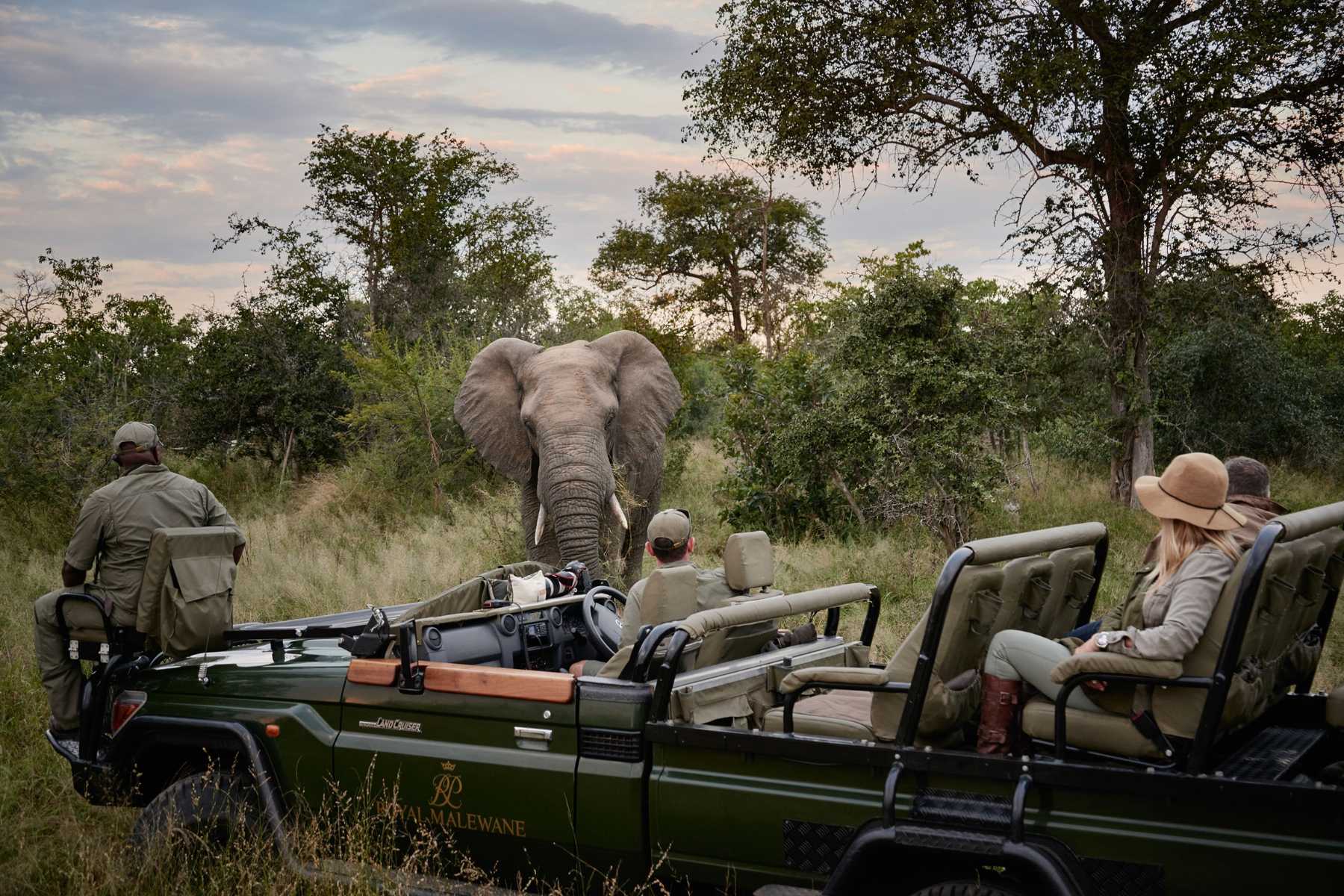
What’s the difference between a safari planner and a tour operator?
A safari planner creates tailor-made, personalised trips, while a tour operator most often sells pre-packaged itineraries.
Tour operators usually offer fixed departures or set routes, whereas safari planners build trips from scratch around your preferences. Some companies do both, but the key difference is the flexibility on offer (in terms of dates and the length of the safari) and the level of personalisation.
If you want something that feels considered and personalised to you rather than off-the-shelf, a safari planner is usually the better fit, especially in a destination like Africa where small decisions can make a big difference to the overall experience.
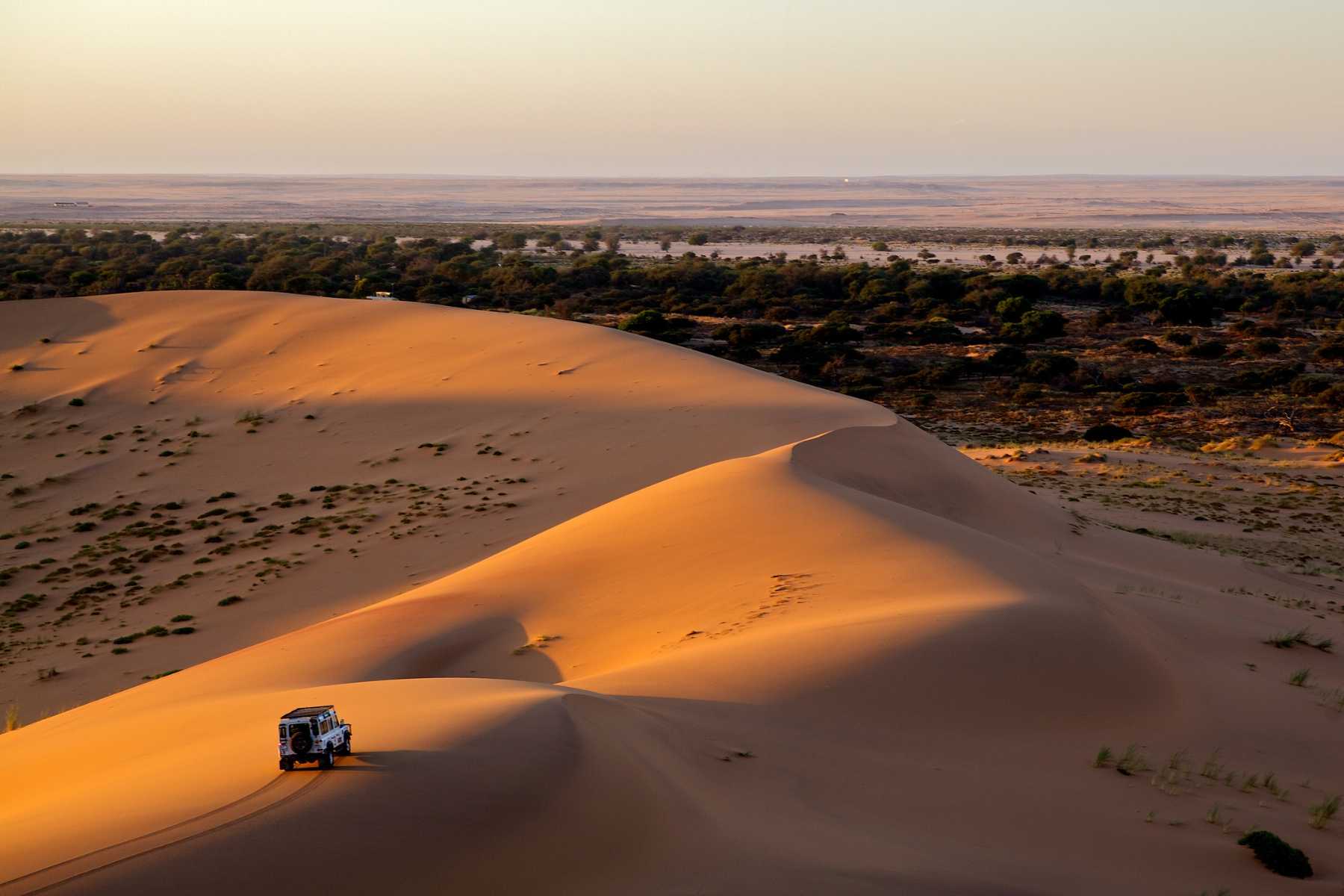
Should I use a safari planner based in Africa or at home?
Both can work, but the best planners often combine on-the-ground expertise with international support. Being closer to the destination can mean better relationships with lodges, more up-to-date insight on conditions, and quicker on-the-ground support if anything changes. Meanwhile, planners based in your home country can offer easier communication, aligned time zones, and a better understanding of your expectations.
Many of the strongest safari companies blend both with teams on the ground and abroad, giving you the benefit of local knowledge alongside seamless, accessible service.
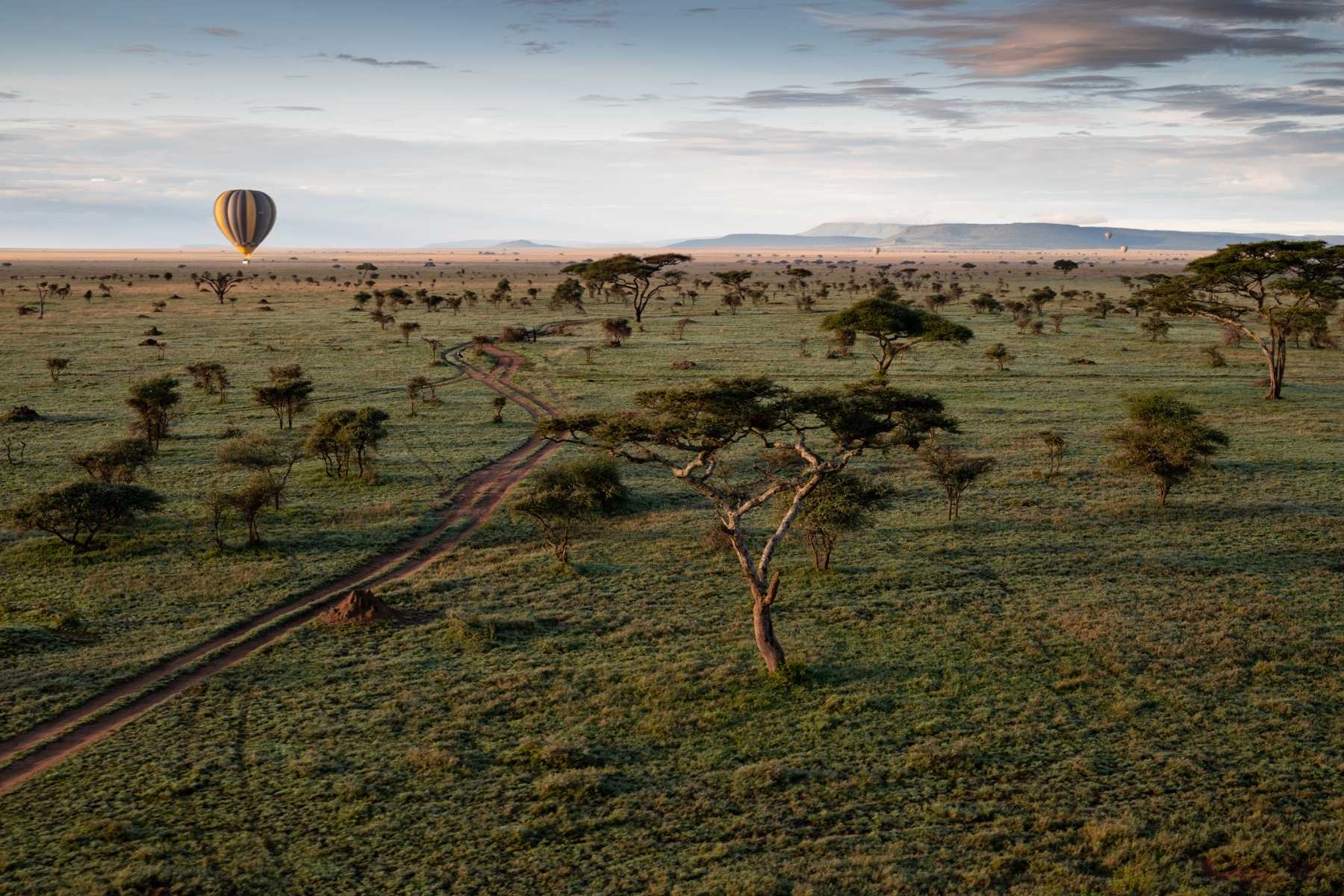
How do safari planners make money?
Safari planners earn commission from the lodges, camps and suppliers they book. This commission is built into the pricing structure of most safari properties, so you’re not paying any extra for using a planner. Some may also apply a transparent planning fee, particularly if the itinerary is complex and involves lots of destinations and regions.
This means their incentives are aligned with creating a great experience and not simply making a quick sale.

Will I get better lodges or access through a planner?
Often, yes, especially when it comes to availability, combinations and added extras. Safari planners can access a wide network of properties and know how to piece them together in a way that works both geographically and seasonally. They may also be able to secure preferred rooms, guides or small added benefits as a result of their relationships.
Even more importantly, travel planners know what not to combine! Often this is just as valuable in a destination where distances, seasons and wildlife patterns all play a role in creating a perfect – and nuanced – overall picture.
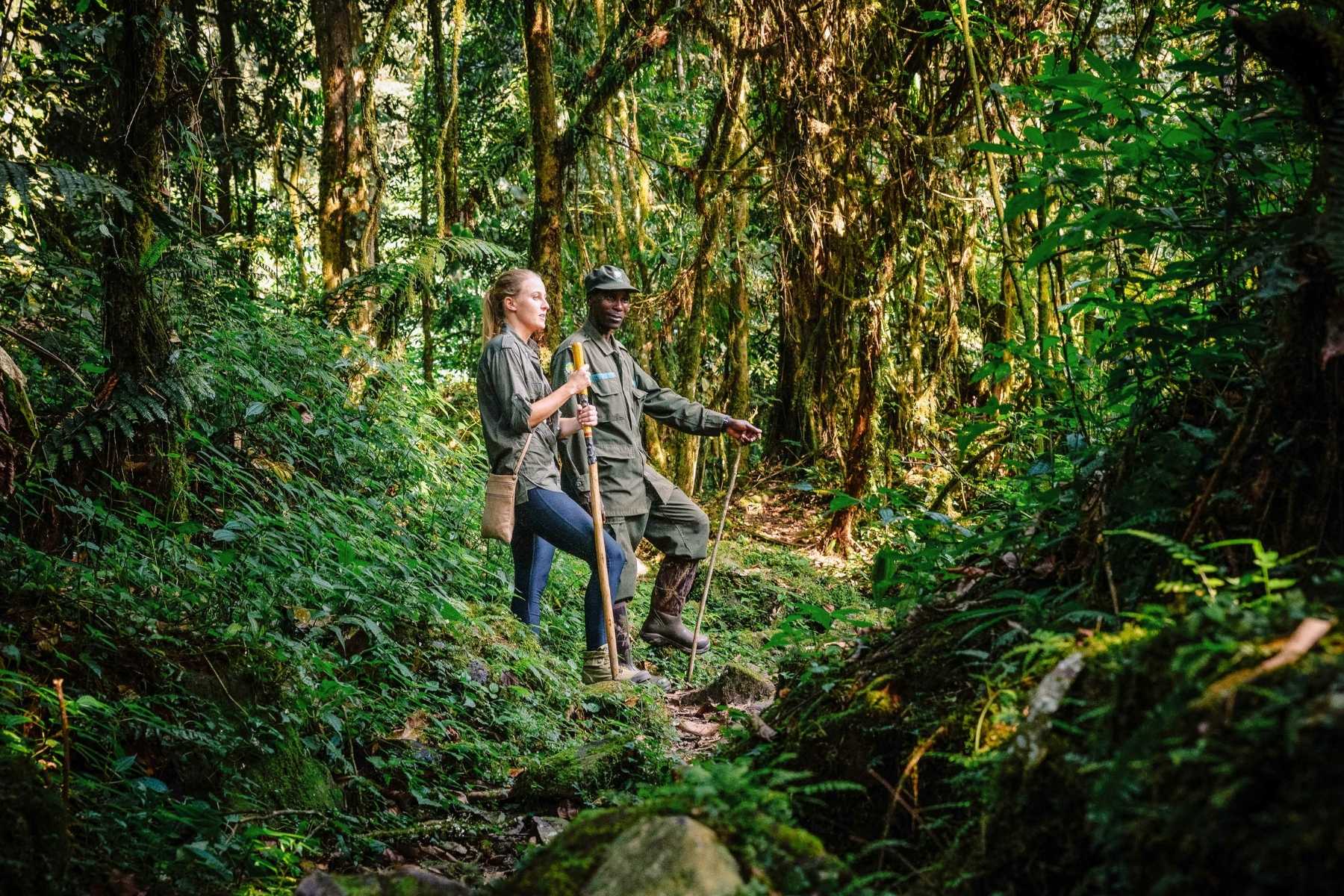
How do I know if a safari planner is reputable?
Look for a combination of experience, transparency and third-party validation. This can include independent reviews, industry recognition, clear communication, and a willingness to explain why they are making a certain decision and how their pricing works.
Reputable planners are often recognised through industry awards, like the Travel + Leisure World’s Best Awards, as well as strong client feedback and repeat bookings. These signals help indicate a track record of delivering high-quality trips, not just marketing well.
A reputable planner should also ask thoughtful questions about your trip, not just send endless options. Trust is built early and is often in how well they listen, rather than how quickly they sell. And lastly, always trust your gut feeling!
How personalised will my safari itinerary be?
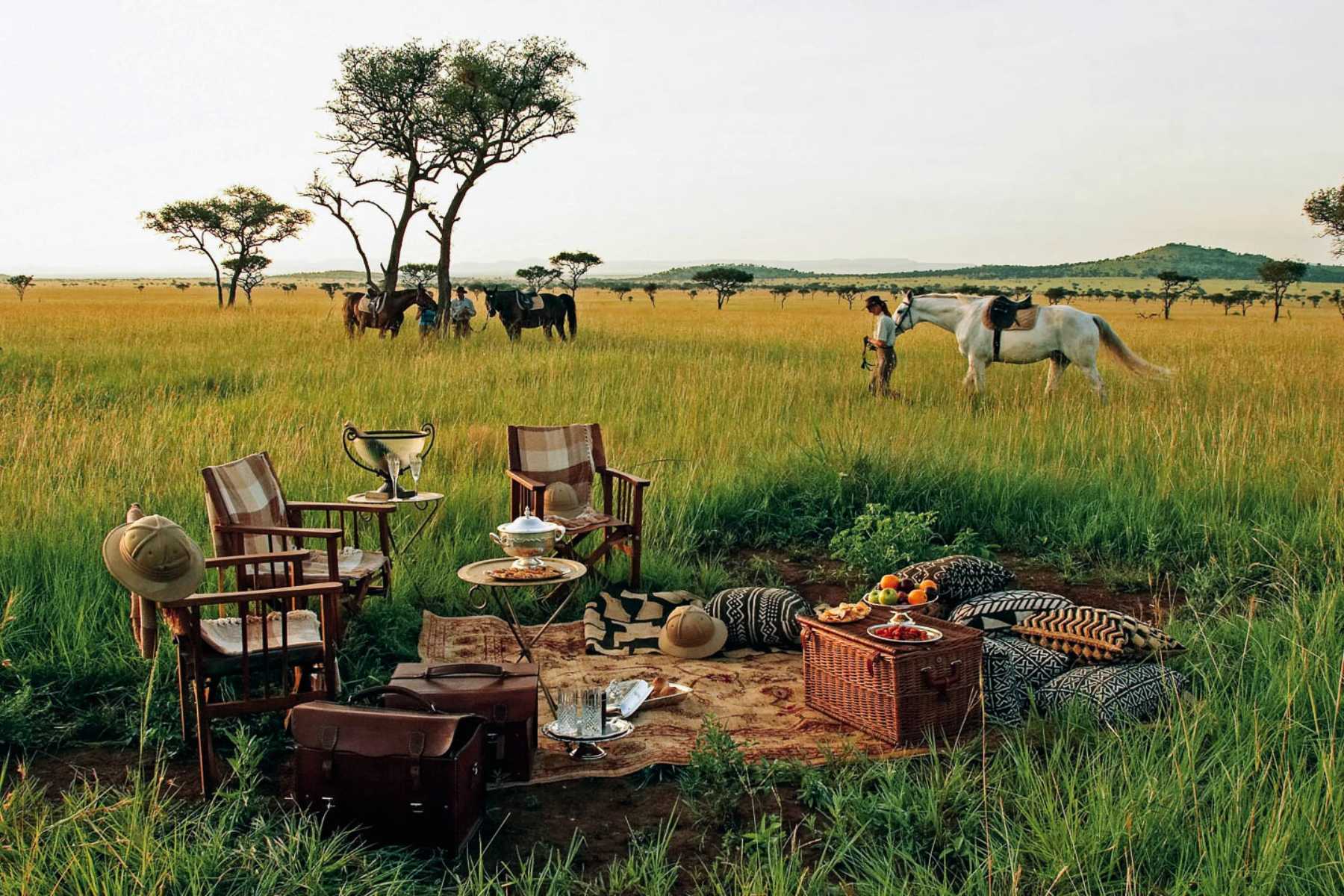
A good safari itinerary should be built around you, not adapted from a template. While planners may start with their favourite tried-and-tested routes, the details (pace, properties, and experiences) should reflect your interests, whether that’s wildlife, landscapes, culture or simply time to switch off and enjoy a little R&R.
The difference is often subtle but important: the trip should feel like it fits you, rather than the other way around.
How do independent reviewers categorise safari planners?
Independent reviewers often group safari planners based on their scope, expertise and approach. For example, African Safari Mag outlines a useful framework that includes continental master planners, boutique advisors and specialised interest planners. Each offers a different style of planning, depending on how broad or niche their focus is.
Timbuktu is listed within the continental planners category, reflecting our wide destination coverage and on-the-ground expertise in building trips across multiple regions in Africa, not just one.
Ultimately, choosing a safari planner is a personal decision. You’re trusting someone to shape a trip that, for many, is a once-in-a-lifetime experience. The right planner will take the time to understand what matters to you, guide you with confidence, and take care of the details you didn’t even know to consider.
Ask the right questions, trust your instincts, and you’ll find that the planning process becomes part of the experience itself: thoughtful, collaborative, and incredibly exciting, right from the moment you start.

Latest blogs


As seen in