What wildlife will I see in Gorongosa National Park?
There are few safari destinations on the continent that match Gorongosa National Park for its sheer, astonishingly-good variety. Firstly, the landscape. Spread across more than a million acres in central Mozambique, it’s a medley of fever tree forests, alluvial floodplains that stretch to the horizon, rare sand forests, palm groves and the cool, misty rainforests of Mount Gorongosa rising to the north. It is, in fact, this patchwork terrain that makes the wildlife so diverse – and by diverse we mean over 100,000 large animals, more than 500 bird species, the largest waterbuck population on earth and an ever-growing cast of apex predators that, not long ago, were almost non-existent. And here’s what you can expect to see…
Elephants
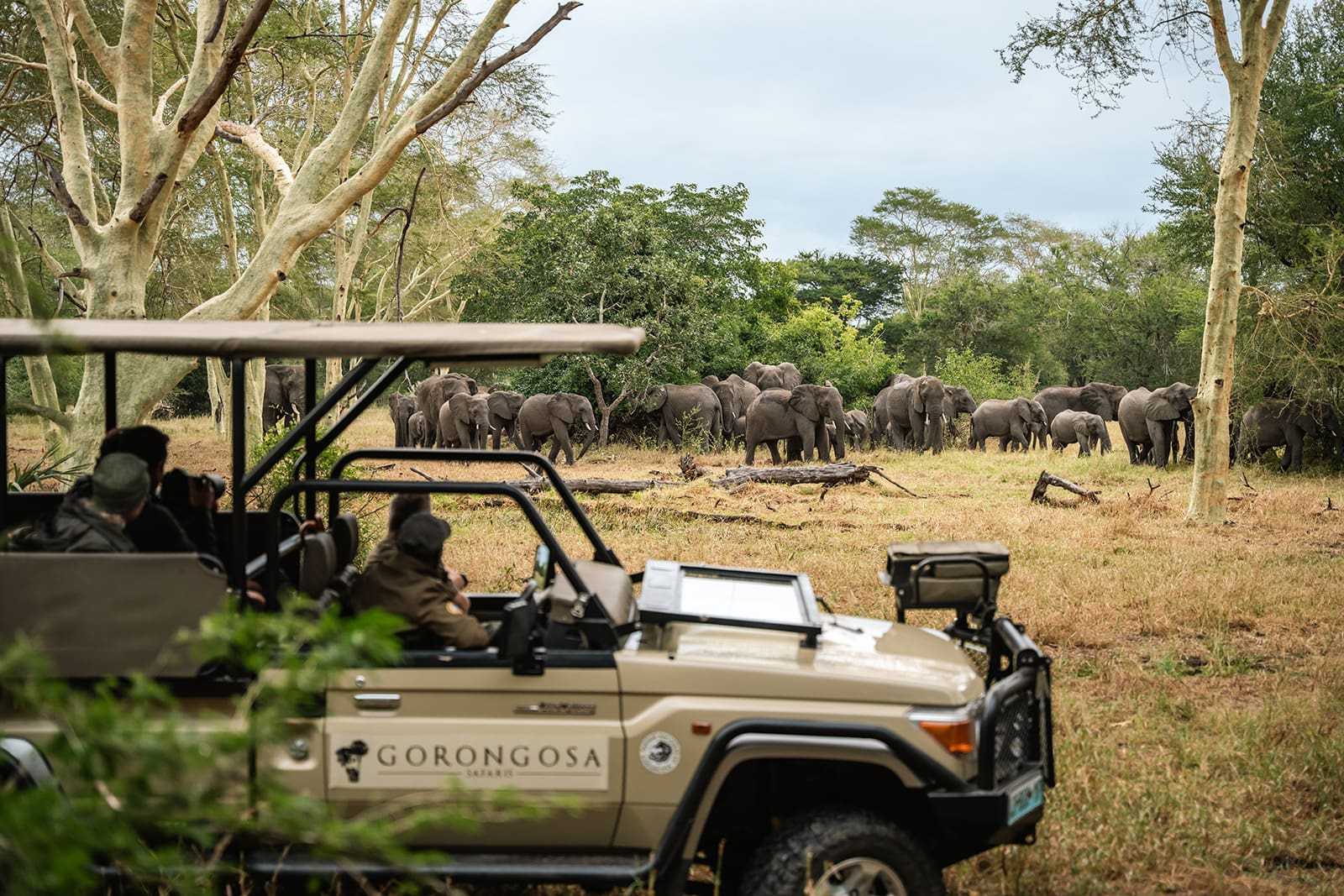
It’s safe to say that Gorongosa’s 800 to 1,000 elephants have spent considerably less time around safari vehicles than those in more established parks. These magnificent pachyderms are genuinely wild – and they certainly haven’t spent generations acclimatising to tourists – but that’s exactly why the sightings are so unique: mock-charges from protective matriarchs and family herds retreating quickly into the treeline. The elephants also play a critical role as ecosystem engineers, knocking down trees and grazing the bush in ways that sustain dozens of other species across the park.
Lions
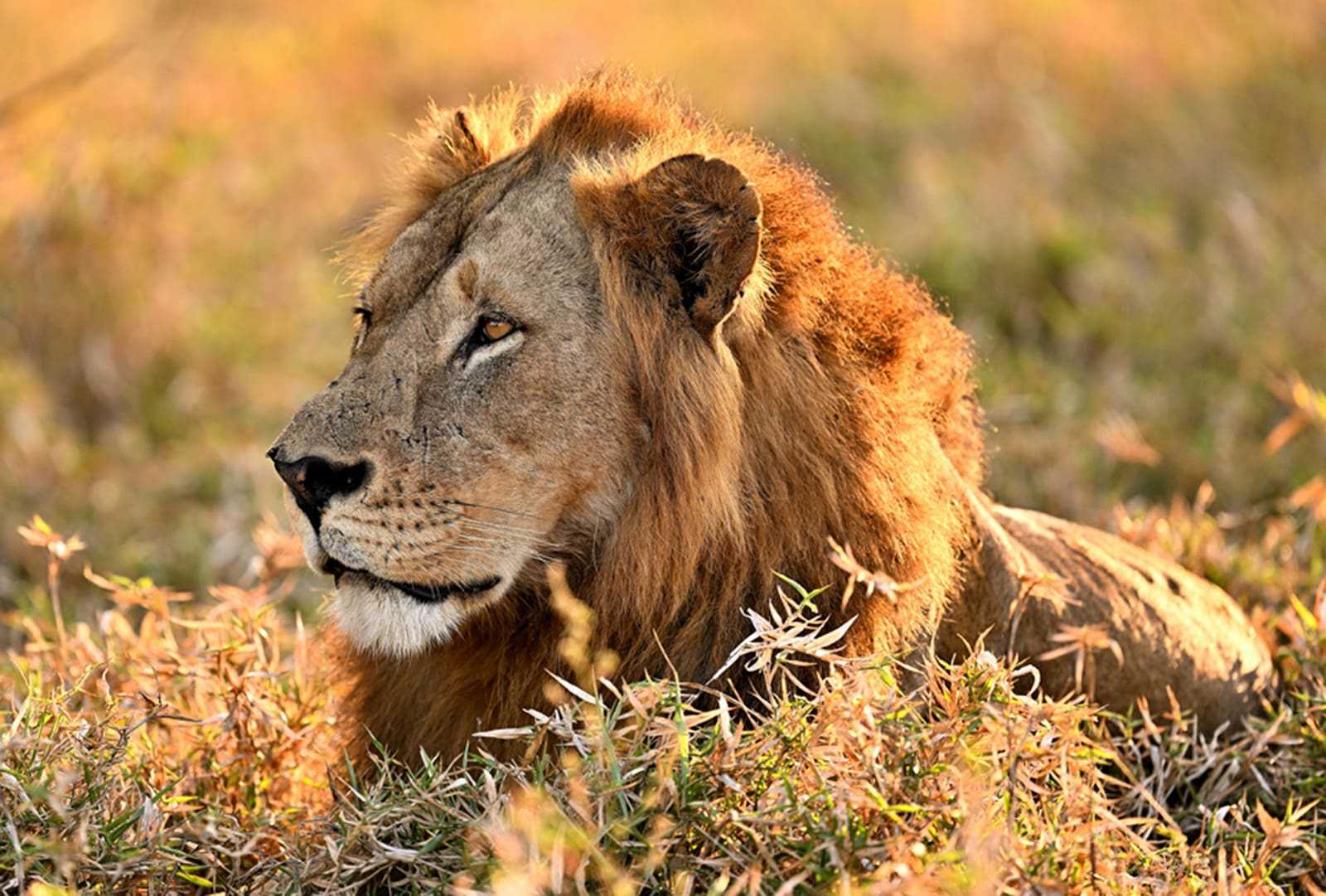
Out on the open savannah, Gorongosa’s lions are usually found doing what cats do best: sleeping. They can rest for over 20 hours a day, stretched out languidly in the shade, before walking to hunt as darkness falls, making night drives in the park particularly exciting. Today, the population has recovered from near-zero during the civil war years to at least 146 known individuals, a figure that continues to grow.
African wild dogs
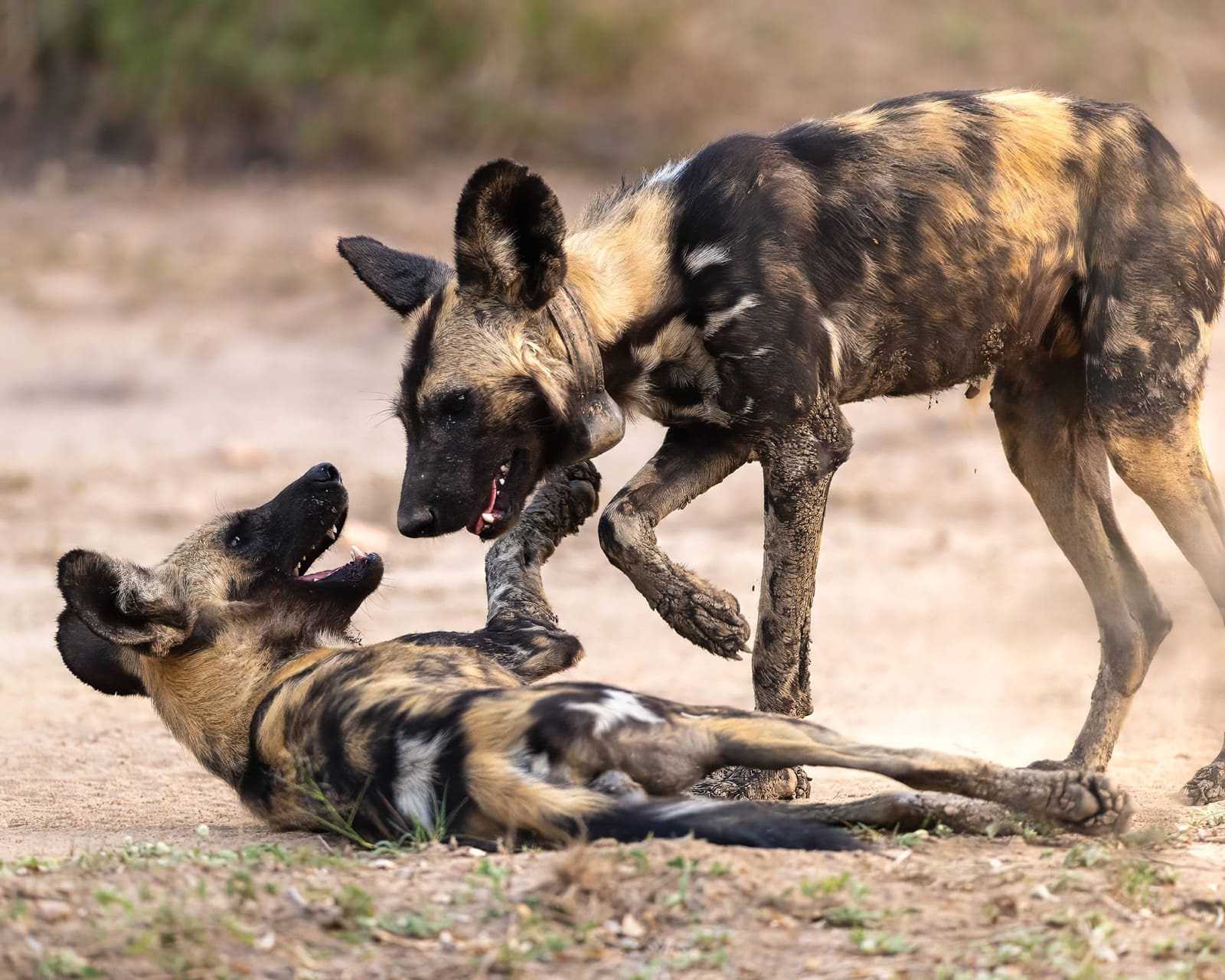
African wild dogs (also known as painted wolves), are among Africa’s most endangered carnivores and only around 6,600 remain across the continent. Gorongosa’s pack was reintroduced in 2018 (the first wild dog introduction in Mozambique for 25 years), beginning with just 14 animals. Since then, the pack has grown considerably and sightings are becoming more and more reliable. If you’re lucky, try and find them before a hunt, the whole pack yipping, circling and leaping before loping off into the bush. Magnificent.
Pangolin
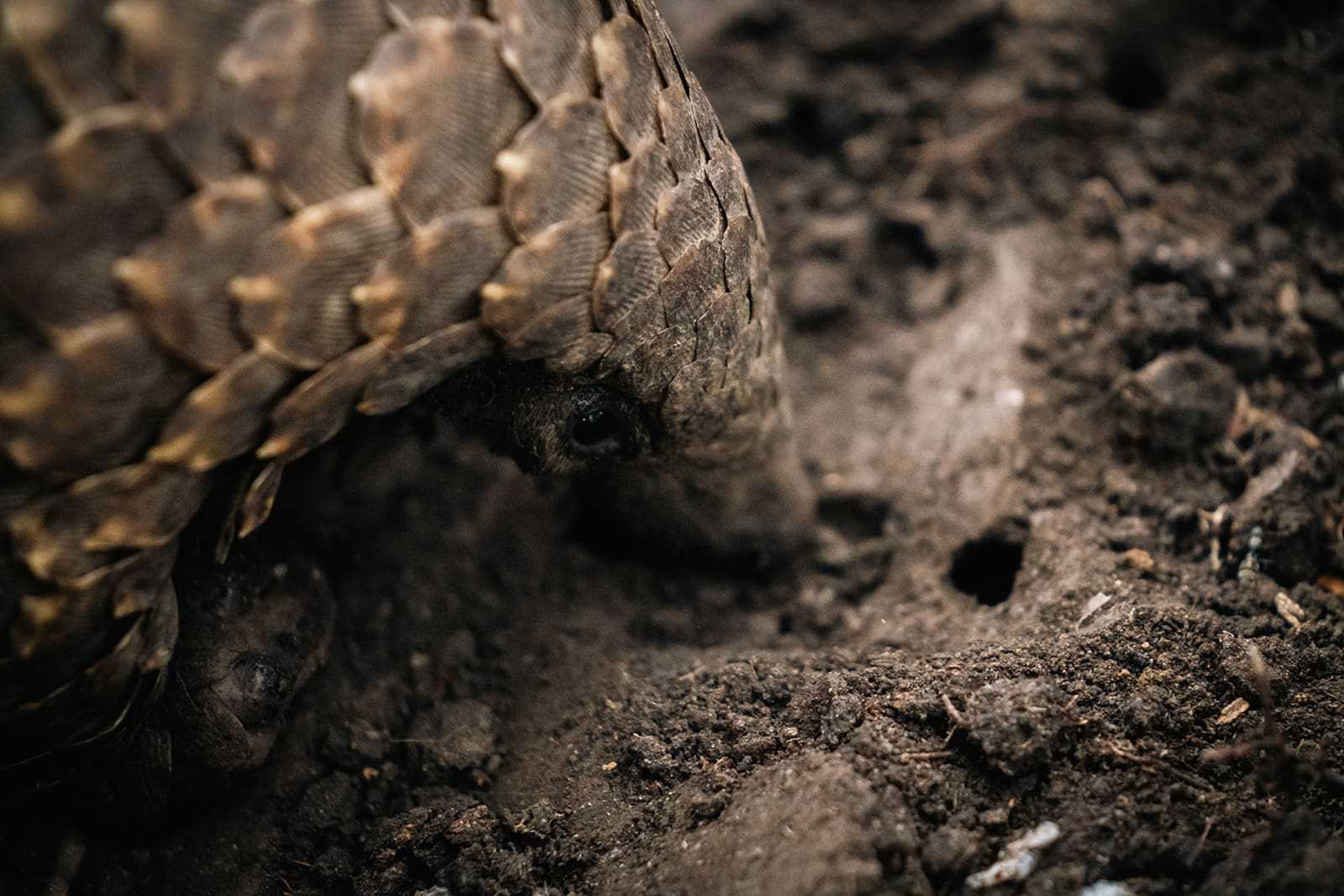
The most trafficked mammal on earth is, against all odds, finding refuge in Gorongosa. The park runs Mozambique’s first pangolin rescue programme, intercepting animals from traffickers operating along the borders with Zimbabwe, Zambia and Malawi, nursing them back to health and tracking their return to the wild by satellite. Since the programme began, 150 pangolins have been received and 103 released. The most reliable way to see one is the Pangolin Rescue Centre Visit: a guided experience with the park’s conservation team, following a pangolin not yet ready for release as it forages (although the experience is subject to availability).
Waterbuck, buffalo and plains game
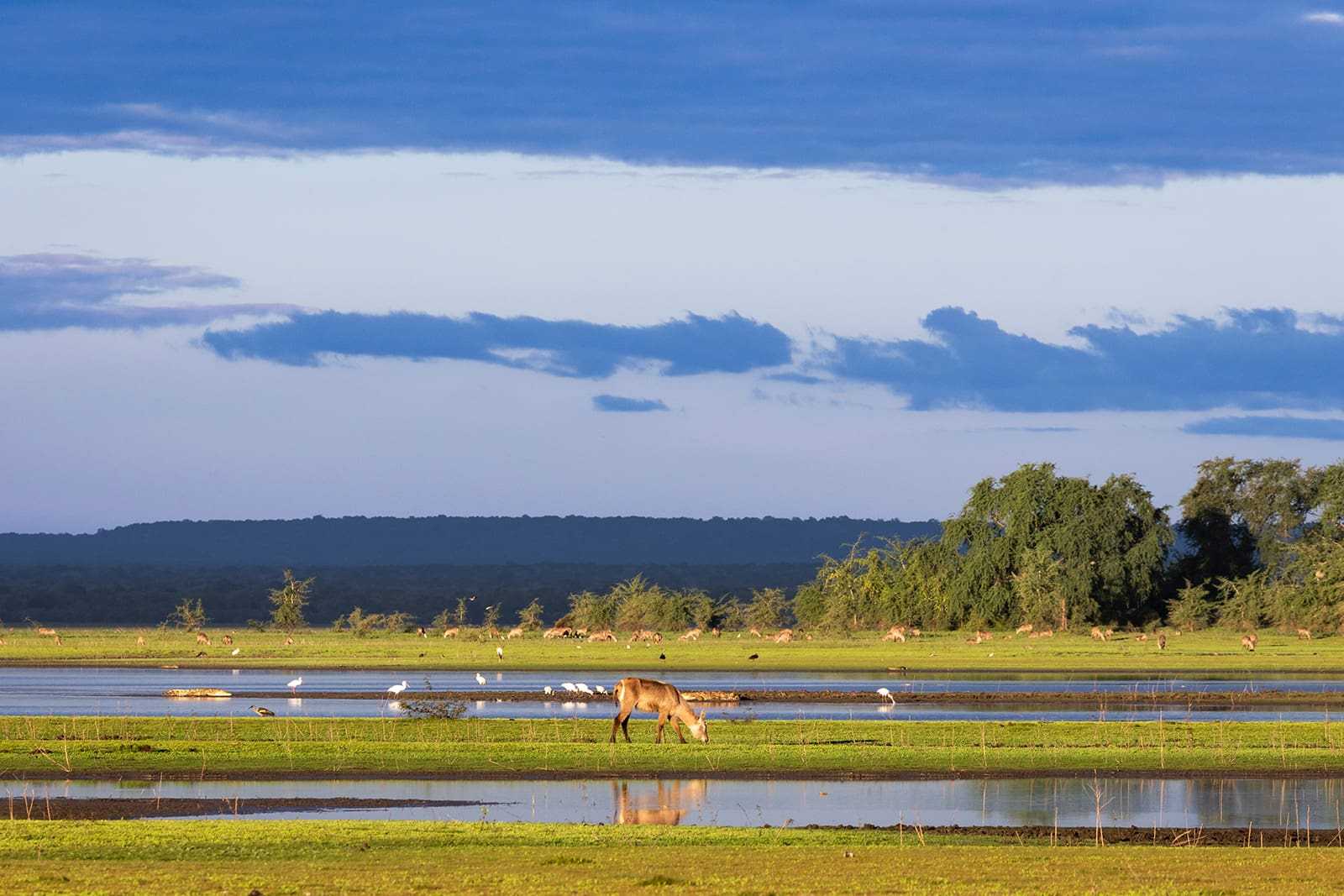
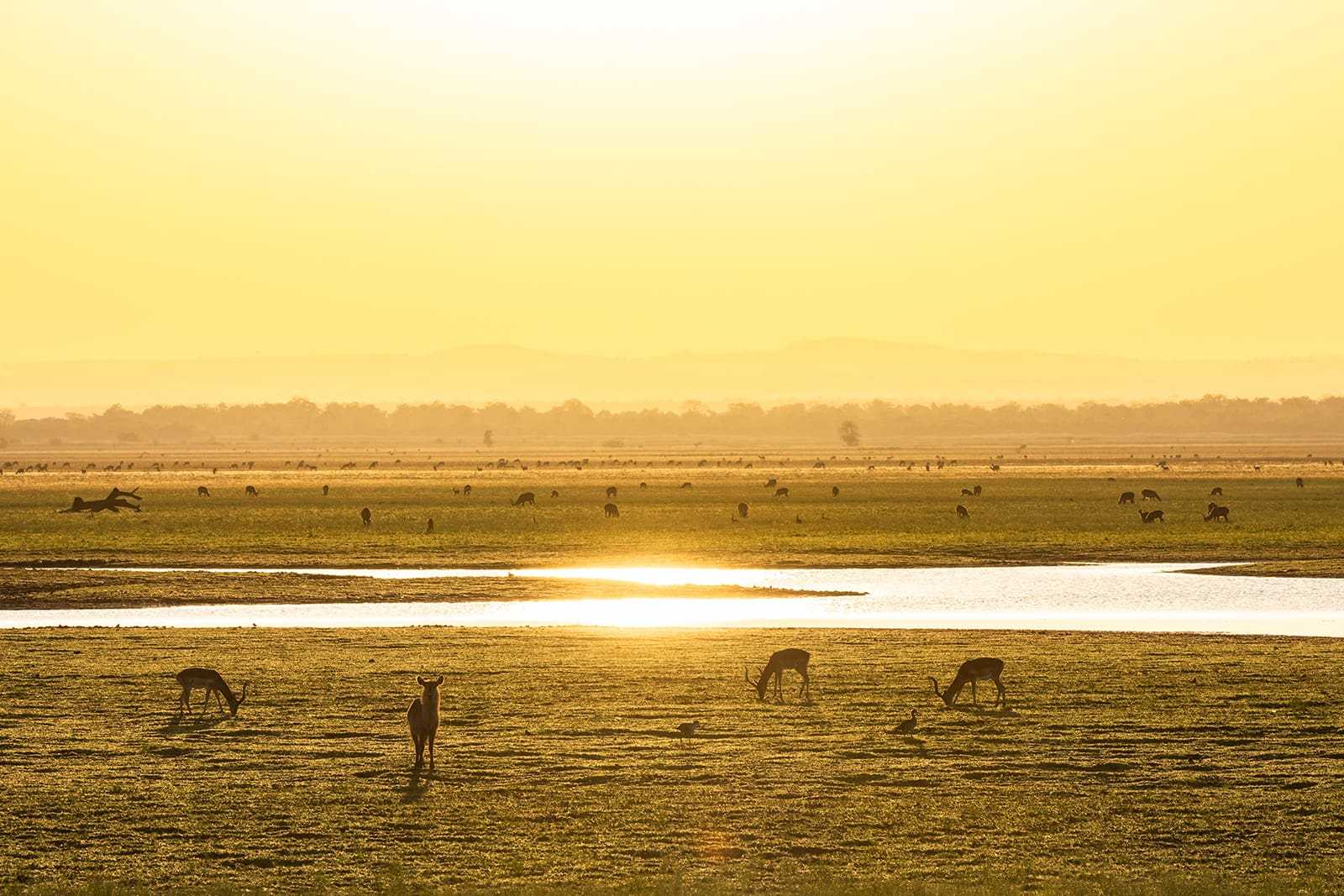
Lake Urema’s floodplain is where Gorongosa’s incredible abundance of wildlife is most visible. The plain is home to the world’s largest population of waterbuck at over 65,000 and the sight of them gathered together at dawn is astounding. You’ll also find buffalo in significant numbers, as well as reedbuck, warthog, bushbuck and impala. For first-time visitors to Mozambique especially, the sheer density of life here comes as a happy surprise.
Hippos and crocodiles
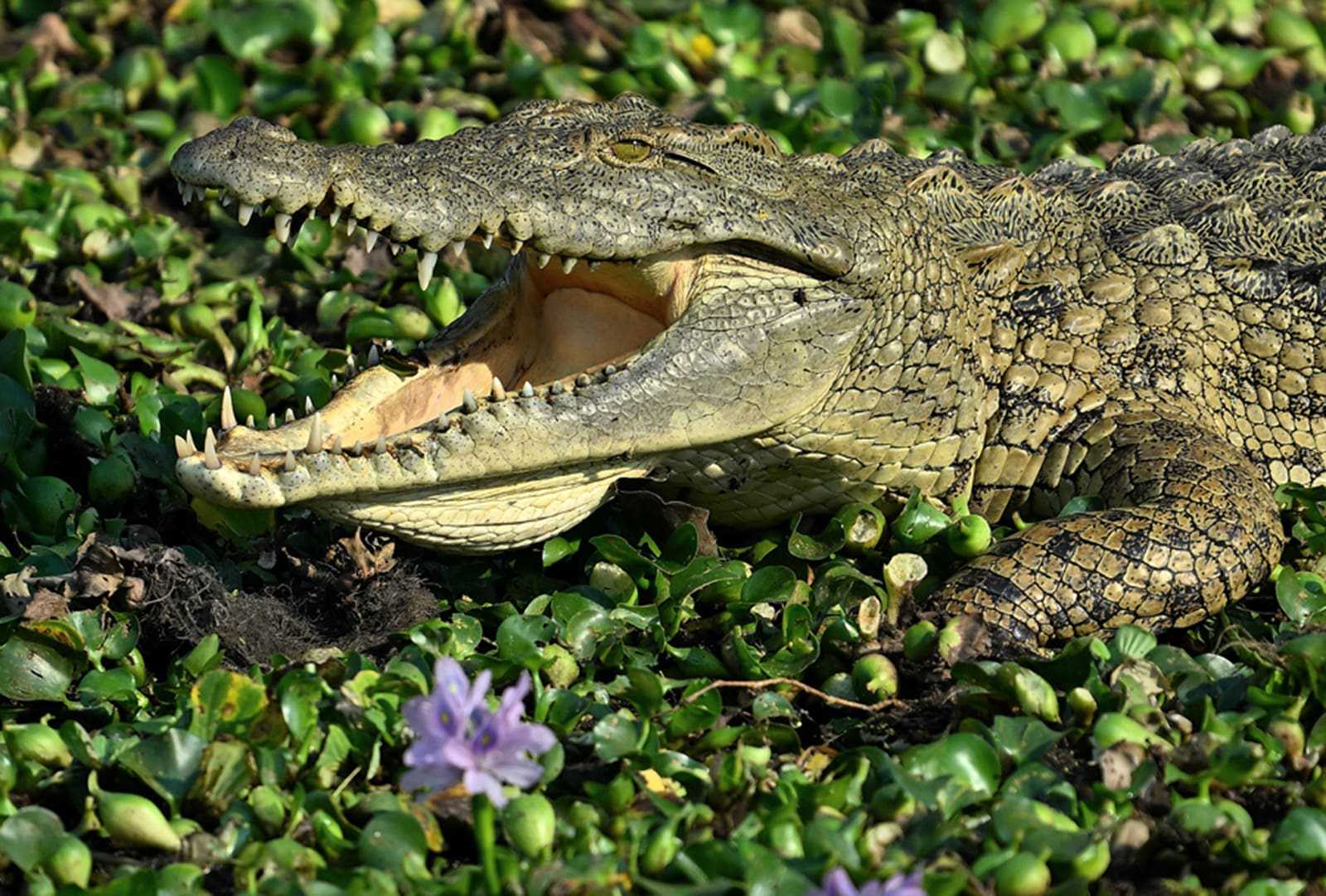
One of Gorongosa’s most distinctive experiences (at the right time of year) is a boat safari on the Urema Lake. Cruise past the 750-strong hippo population, a number that has recovered from around 100 in 2000, but is still far from a pre-war count of 3,500, watching them submerge and re-emerge and tussle for territory. From this vantage point, you’ll also notice the reddish tinge of their ‘natural SPF’ skin secretions. Look carefully, and you’ll spot the enormous Nile crocodiles that bask on the sandbanks.
Birdlife
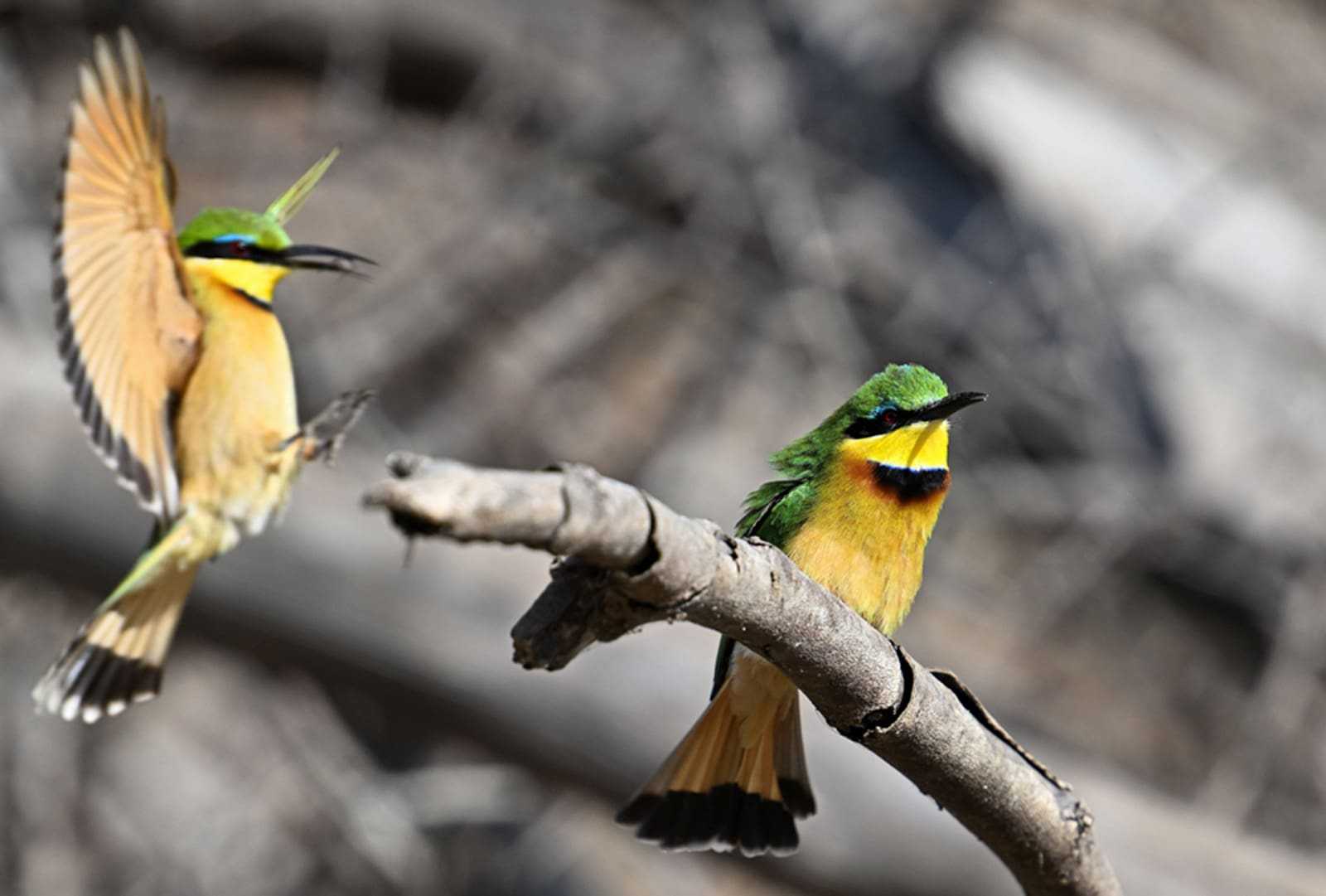
Gorongosa is exceptional birding territory and more than 500 species have been recorded across the park and surrounding landscape. In November, when the migratory birds arrive and the resident species are in breeding plumage, it’s possible to tick off over 150 species in a single day. The African fish eagle is one of the most reliable sightings along the river and the grey crowned crane, globally threatened elsewhere, is a fairly common resident here. And, over on Mount Gorongosa lives a unique race of the Green-headed Oriole, distinguished by a white wing panel seen on no others on the continent. A serious, once-in-a-lifetime tick!

How to see it all
Game drives cover the most ground and are the foundation of any Gorongosa safari, but it’s the combination of experiences that really distinguishes an experience here. Walking safaris at dawn, led by local guides with an encyclopaedic knowledge of the landscape, bring the park to life at ground level, whilst boat safaris access parts of the park that vehicles simply can’t. In the evening, night drives open up an entirely different part of the ecosystem and, as darkness falls, the whole landscape shifts into another register…
Gorongosa is a destination that makes even the most seasoned safari-goers shiver with excitement. The pure, elemental wilderness, vast open spaces where incredible wildlife roams, and the chance to see a pangolin up-close might have something to do with it. Come and see it all for yourself.
Latest blogs


As seen in