Africa’s greatest conservation story: the remarkable rebirth of Gorongosa
We tend to think of conservation as a story of resistance; something protects what remains and slows the inevitable. But Gorongosa National Park tells a different tale entirely. Here, in the wilderness of central Mozambique, an ecosystem that was all but destroyed by civil war has been rebuilt almost from scratch – and the way it was done is, arguably, as significant as the fact that it was done at all.
The downfall of Gorongosa
In the 1960s, Gorongosa was considered one of Africa’s most noteworthy safari destinations, a park of such extraordinary abundance that it drew film stars and naturalists from around the world, becoming known, not unreasonably, as ‘Africa’s Eden’. Then, between 1977 and 1992, came Mozambique’s civil war. The wildlife of the park was decimated by soldiers and armed groups hunting for bushmeat, infrastructure was destroyed, and the enormous herds of wildlife virtually disappeared. By the time the war ended, Gorongosa was, in conservation terms, barely recognisable. The hippos that had once numbered around 3,500 had fallen to around 100 and ecosystems that had taken millennia to develop were unravelling at speed.
The road to recovery
It would be safe to assume that recovery at the scale that was required was almost impossible, but in 2004, American philanthropist Greg Carr visited Gorongosa for the first time and it’s here that the story really begins. What he found moved him so deeply that he committed the rest of his working life (and a substantial portion of his fortune) to the park’s future. By 2008, a formal 20-year public-private partnership – called the Gorongosa Project – was signed between Carr’s foundation and the Mozambican government and in 2018, the management agreement was extended for a further 25 years. To date, Carr has invested over $100 million in the park, not only in the recovery of the wildlife but in the schools, healthcare facilities and livelihoods of the 200,000 people living in communities around the park.
For decades, mainstream conservation in Africa has operated on what is sometimes called the ‘fortress’ model, largely based on the premise of keeping wildlife and humans separate. The two are treated as entirely different problems, an approach which, whilst creating protected areas, offers the people living alongside them very little. In many cases, this actively excludes them from land and resources that they have long depended on.

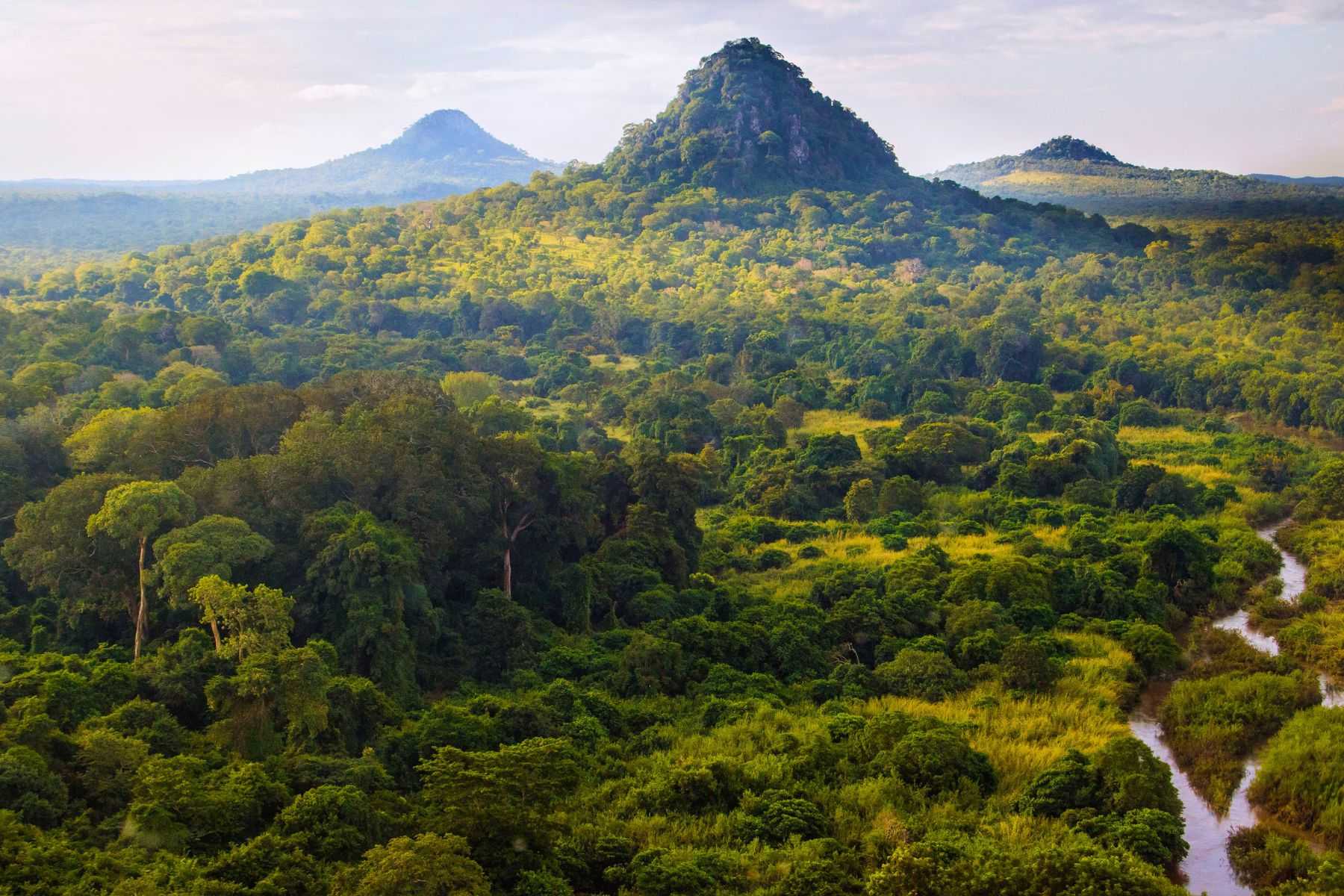
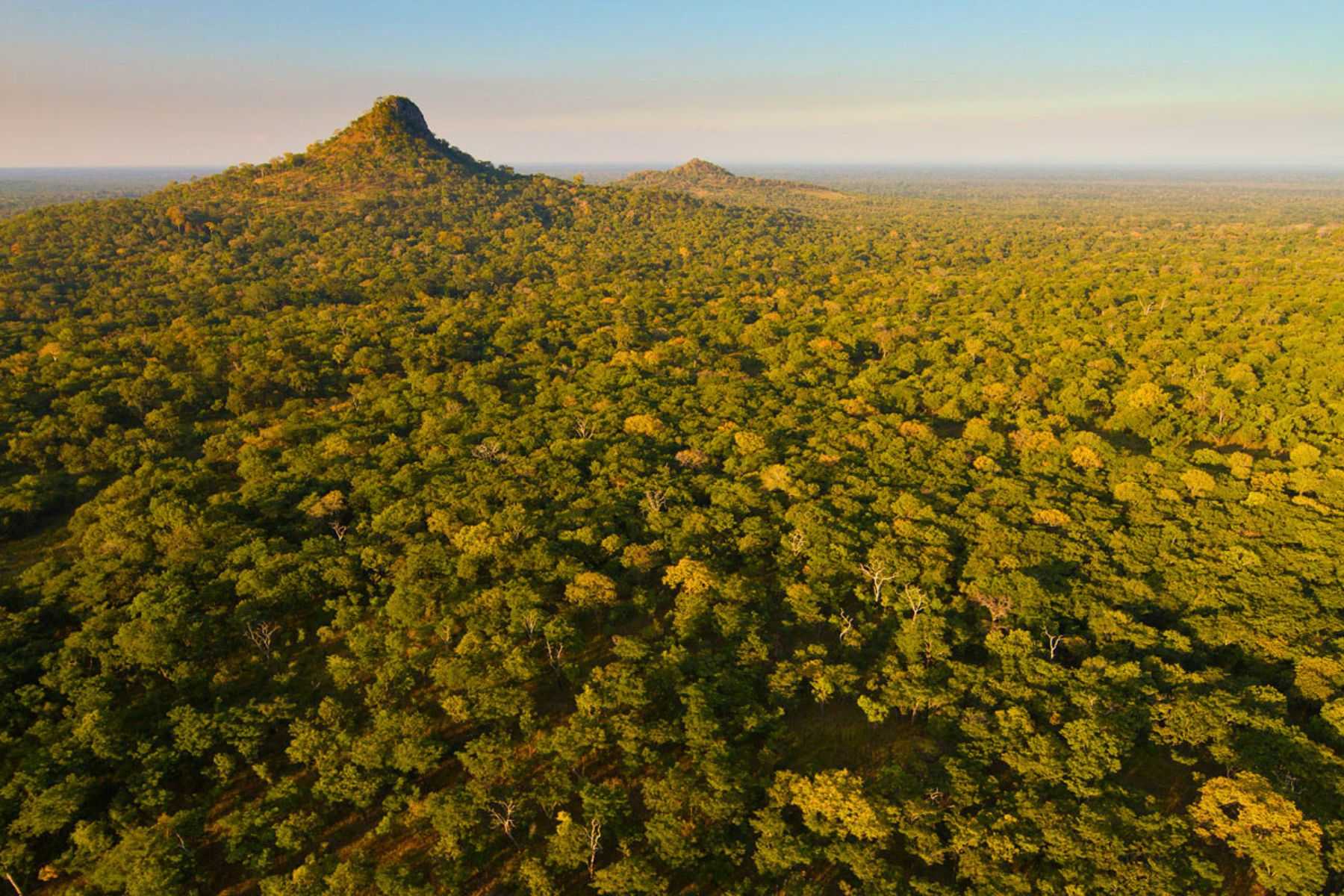
Gorongosa, however, was built on a fundamentally different premise stemming from Carr’s belief that the health of the ecosystem and the health of the surrounding communities are inextricably intertwined. It is this philosophy of ‘One Health’ that is at the centre of the entire restoration project. The rainforest on Mount Gorongosa is being restored not simply for its own sake but because a healthy forest means healthy watersheds, which in turn means reliable water for the farming communities downstream.
On those same slopes, sustainable shade-grown coffee provides an income that makes protecting the trees economically rational with farmers benefitting directly from the forest canopy rather than having reason to clear it. Girls’ education programmes and healthcare projects in the surrounding villages are, when viewed through the lens of sustainability, a conservation investment: communities with stronger education, and better health and economic prospects place less pressure on the park’s resources.
The result is a conservation model in which the forest, the water supply, the coffee harvest, the school buildings and the wildlife recovery are all part of the same underlying system. It is, in short, a more complicated idea than simply building a fence and, increasingly, proving to be the right one.
A Park for Peace
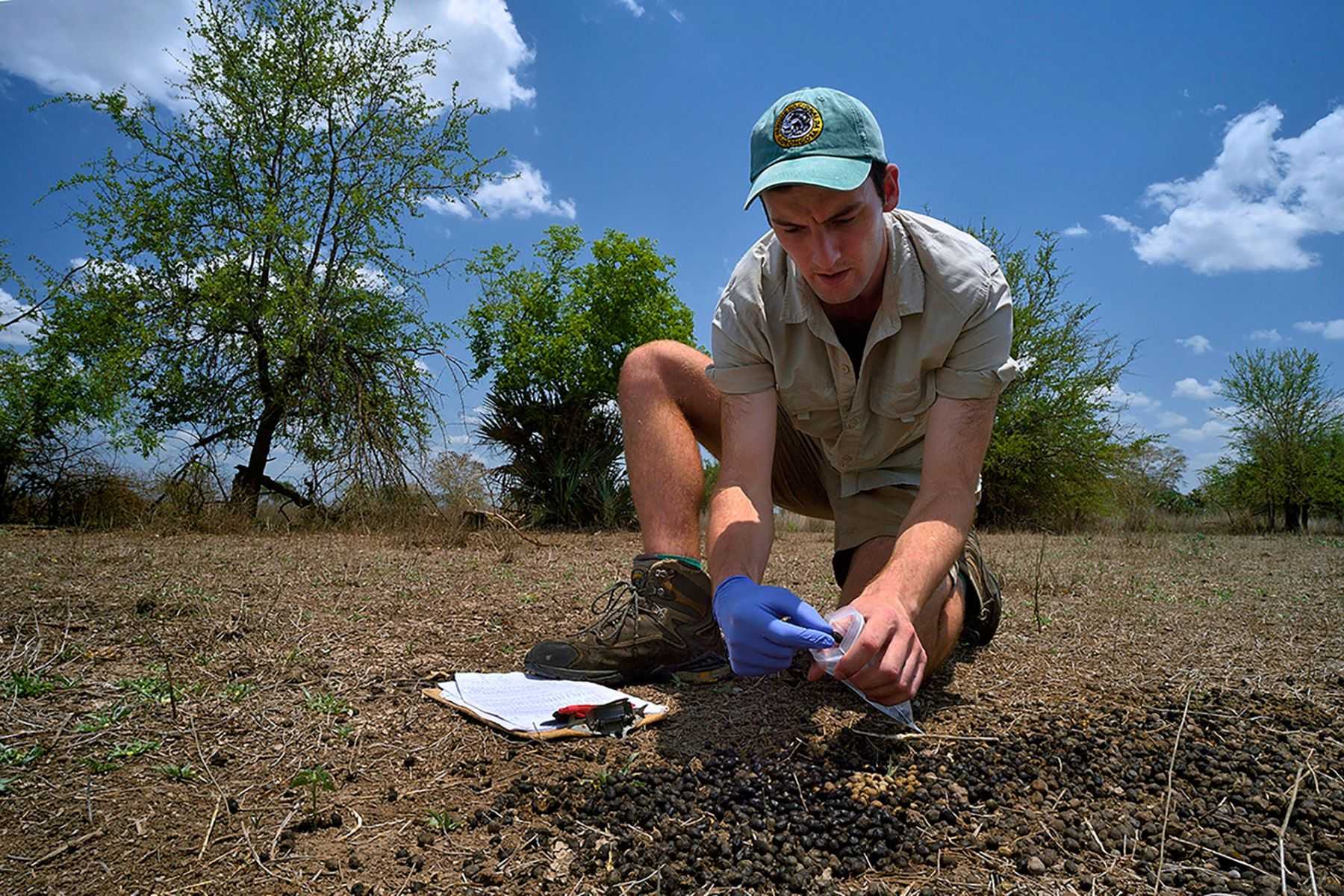
It is on these terms that Gorongosa has attracted such serious scientific attention. The E.O. Wilson Biodiversity Laboratory, named after the late Harvard biologist who championed the park, supports ongoing research in ecology, species recovery and biodiversity monitoring. Several Princeton University researchers also call the park’s labs home. National Geographic has named Gorongosa one of its “Last Wild Places,” and in 2025, the World Bank cited the park as a model public-private conservation partnership. And, perhaps most significantly, in August 2019, a national ceremony was held to mark the Cessation of Hostilities Accord between the government and the Renamo party, officially designating Gorongosa a “Park for Peace.” The park that civil war nearly destroyed had become a symbol of the country’s reconciliation.
The return of the wildlife
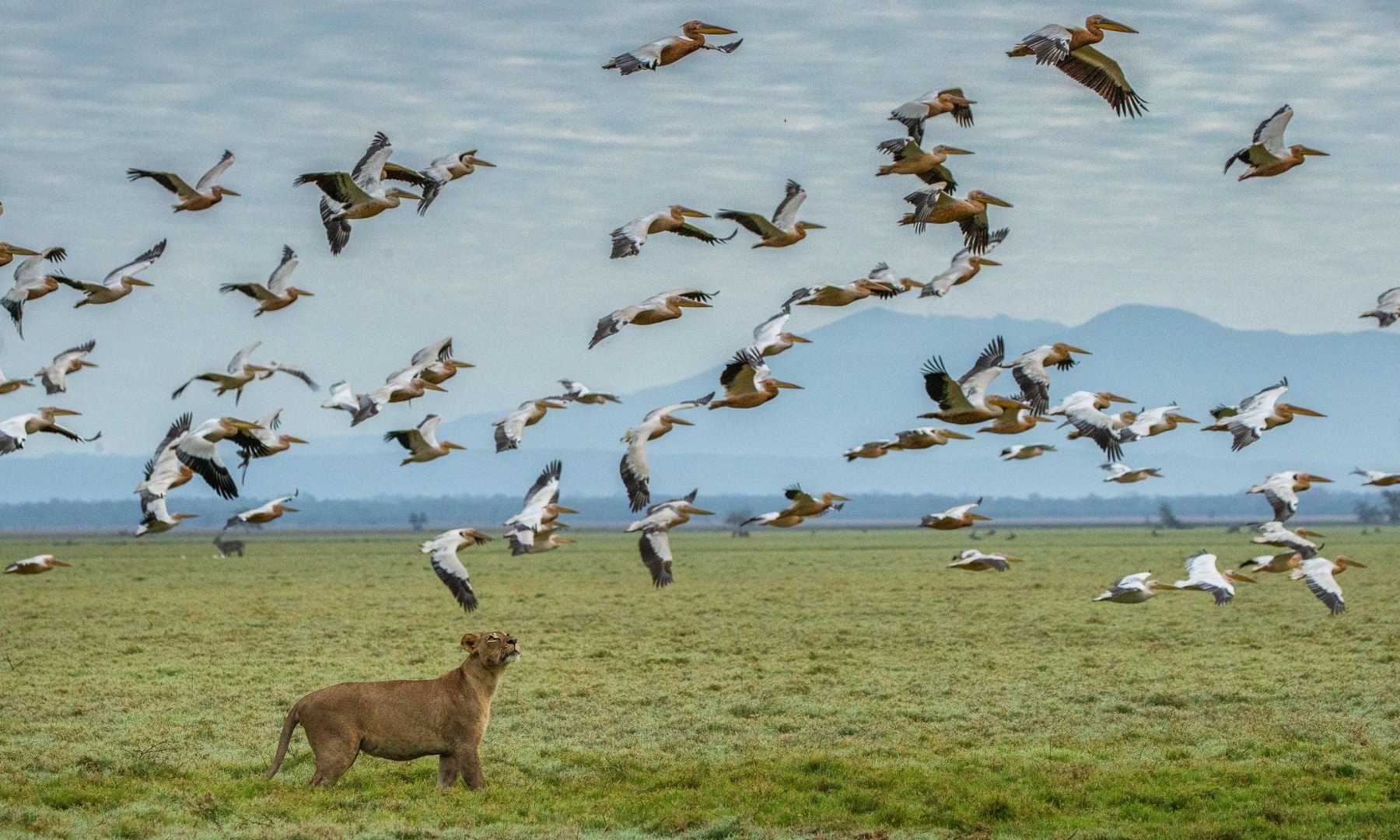
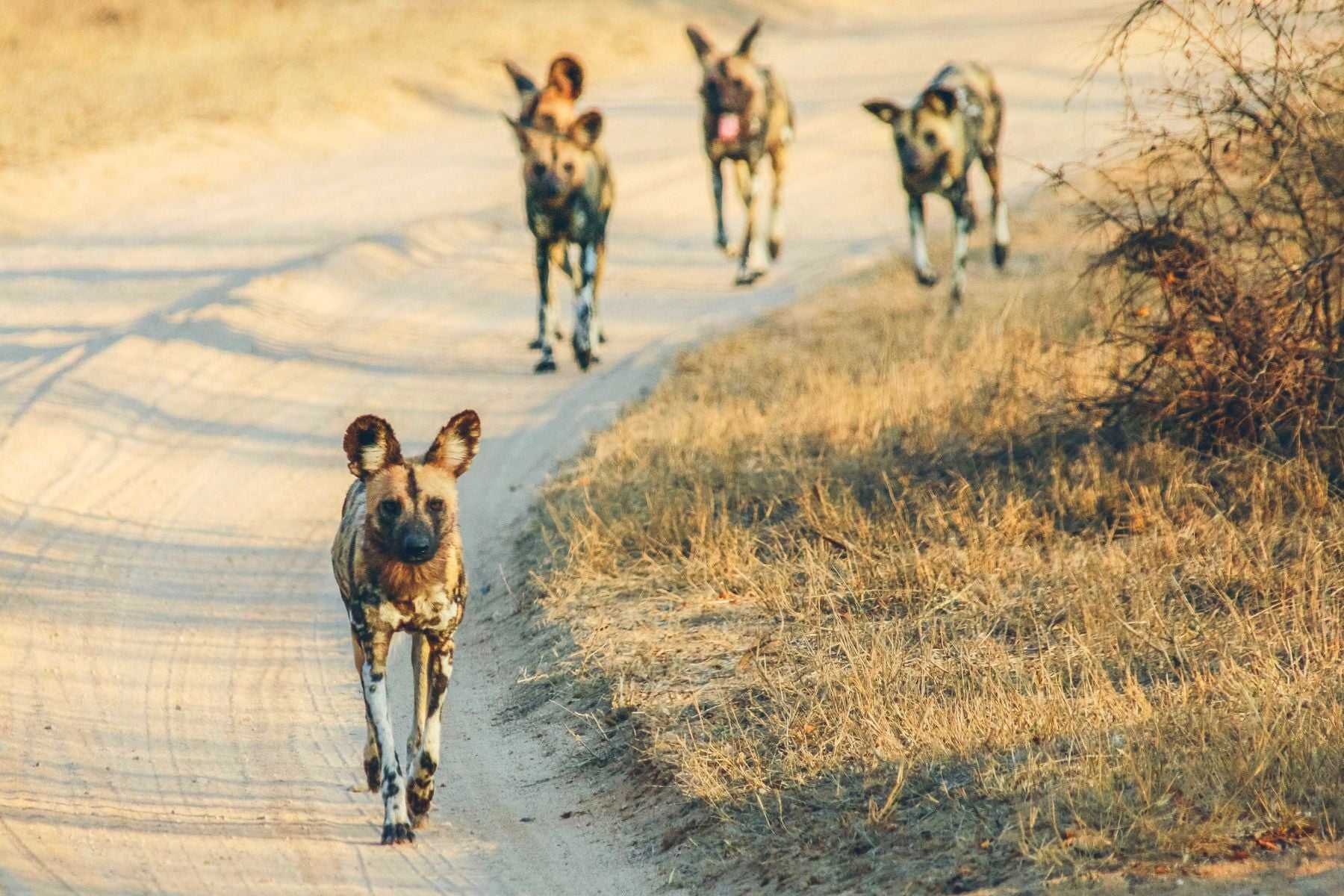
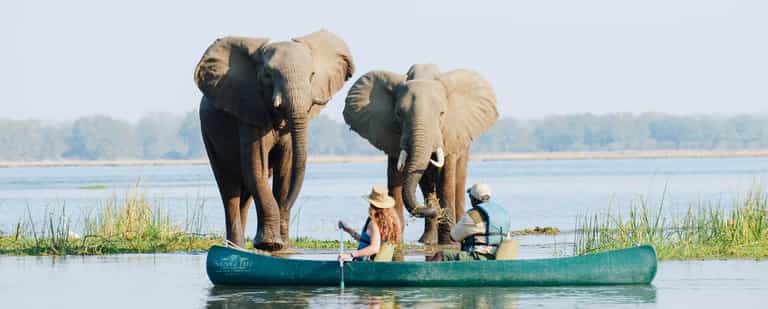
The wildlife recovery statistics are also absolutely remarkable and they are still moving in the right direction today. Across the park’s more than one million acres, over 100,000 large animals now roam alongside more than 500 recorded bird species. Where once a handful of lion prides clung on through the worst years of the war, there are now at least 146 known individuals and the population continues to grow. Hippos have recovered from around 100 in the year 2000 to over 750 today and elephant numbers stand between 800 and 1,000. In 2018, the first pack of African wild dogs was re-introduced to Gorongosa after an absence of over 25 years and today, the pack has grown considerably with multiple litters of pups appearing year after year.
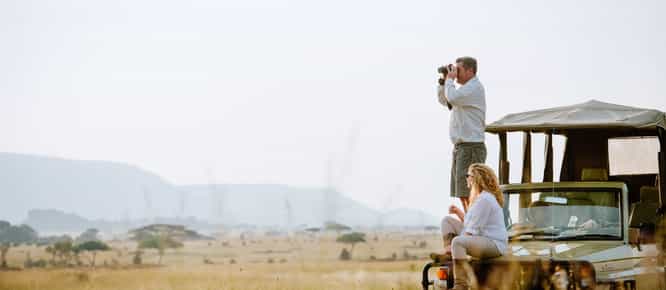
So why does all this matter? Often, conservation stories in Africa are centred on loss, be it of declining lion populations and of migration corridors severed by expanding human settlements. But Gorongosa is a story about what can come back and, more specifically, a demonstration that the conditions for return can be deliberately created. The wildlife hasn’t recovered on its own, but was coaxed back through a sustained, interconnected programme of ecological restoration, scientific research and human development. When visiting Gorongosa, the difference in focus is obvious. The restoration is ongoing and visible, and guests are not passive observers of the landscape but witnesses to an ecosystem still finding its way back.
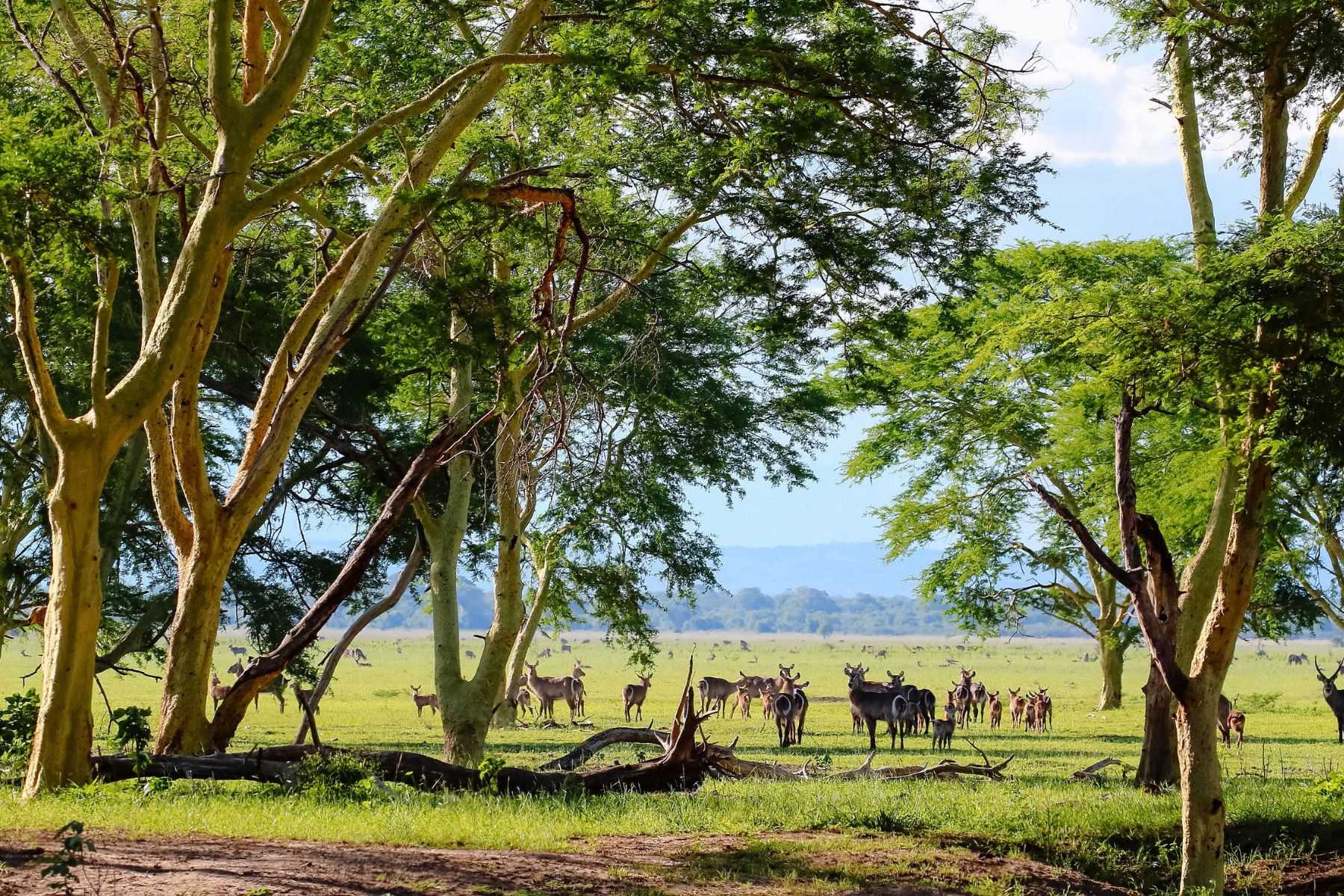
One of the clearest and most exciting testaments to what Gorongosa has achieved is its wildlife relocation programmes. In recent years, the park has provided sable, waterbuck, oribi and reedbuck to help rewild both Zinave National Park and the Maputo Special Reserve, both in Mozambique.
There is a particular quality to conservation success that looks like this: not simply a place that has held on, but one that has recovered fully enough to share. It is, at a time when most stories from the natural world point in the other direction, not just cause for optimism but evidence of hope and of a sustainable future.
Latest blogs


As seen in