Planning Guides
The best regions for wine tasting in South America
Try these spots on your next wine tasting adventure

Buenos Aires enjoys a lovely climate throughout the year, but the winter months of July and August are often favoured for their temperate conditions, while skiing begins in earnest by July and the Tango Festival takes place in August. Mendoza has a fantastic, Mediterranean climate but keep in mind that the Wine Festival falls within March. Salta and the Northwest enjoys clear skies and warm days in autumn (March - May) and, although the nights are chilly, it’s still lovely in winter. By spring (September - November), the Lake District is blooming with wildflowers while summer (December - February) means Patagonia becomes more accessible and enjoys longer days. Winter in Patagonia should be avoided as many facilities close and the temperatures are frigid. The area around Iguazu Falls is tropical, which remains pleasant all year but after the spring rains, the Falls are particularly spectacular.

Wet Season — one of the best times to visit
Bariloche is positively perfect at this time of year with fewer crowds than Patagonia proper and sublime weather for all sorts of outdoor activities – hiking, biking and kayaking on the lakes.
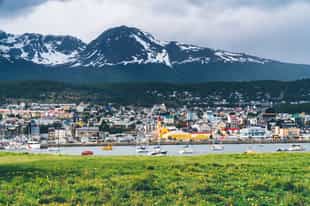
Venture to Ushuaia and Tierra del Fuego National Park to see colonies of Magellanic, Gentoo, and potentially King penguins, bustling with new life.
Gualeguaychú Carnival begins its Saturday night festivities featuring elaborate floats and sequined, samba-style comparsas.
Wet Season — one of the best times to visit
This is a fantastic time to explore Ushuaia (though it can be rather busy with Antarctica-bound visitors), spotting penguins in all their raucous glory and hiking in Tierra del Fuego National Park.
Slightly more moderate winds make February a wonderful period for exploring the glaciers and hiking trails of Los Glaciares National Park – but be prepared to share it with other tourists.
Enjoy the festivities in and around Salta, especially with Quebrada de Humahuaca taking place in Jujuy.
Wet Season — one of the best times to visit
A visit to Argentine Patagonia in March shows off the bronzed beauty of early autumn foliage while saving you a few pennies – and bonus, there’s far less wind!
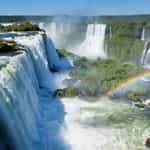
Iguazu Falls are flowing dramatically while the high temperatures start to subside, making exploring on foot or by boat enjoyable.
March marks the beginning of Peninsula Valdés’ most spectacular phenomenon when orcas beach intentionally in order to hunt sea lion pups at Punta Norte.
Mendoza’s Fiesta Nacional de la Vendimia, which ranks among National Geographic’s Top 10 World Harvest Festivals, reaches its grand conclusion in early March while grape picking continues throughout the month.
Wet Season — one of the best times to visit
This is prime time for visiting Iguazu Falls with idyllic weather, fewer crowds and maintained water levels – perfect for boat rides to the base of the falls.
Autumn makes Argentina’s Lake District even more beautiful, and the Seven Lakes Route is particularly lovely and photogenic.
There’s plenty of action going on around the Peninsula Valdés, where orcas beach themselves in the hopes of nabbing growing sea lion pups – a truly unique sight.
The rugged and dramatic scenery of Salta and the Northwest is at its most photogenic come April.
Dry Season — a good time to visit
May brings ideal conditions for exploring Buenos Aires and towards the end of the month, you can enjoy the festivities (and foods) of Semana de Mayo.
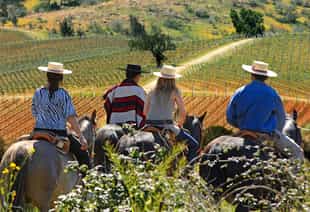
Enjoy the wine regions of Mendoza and Salta, dressed in their autumn colours and free of crowds. Sipping on Torrontés wines in Cafayate with the soaring mountains behind you is rather dreamy.
The Iberá Wetlands are a delight in May with outstanding wildlife viewing on foot, horseback or kayak – and hundreds of bird species in attendance.
Dry Season — a good time to visit
While water levels at Iguazu Falls will be lower than peak months, but the cooler weather and clear skies make it wonderful for sightseeing.
Buenos Aires enjoys comfortable days, perfect for strolling between cafes, museums and galleries, all without the summer crowds.
Expect splendid weather in the Northwest, promising idyllic explorations of Quebrada de Humahuaca, Salinas Grandes salt flats, Cerro de Siete Colores, and the Cafayate wine region.
Dry Season — a good time to visit
Salta and Jujuy continue to offer some of the best weather in Argentina with sublime, sunny days just right for exploring Quebrada de Humahuaca, Cerro de Siete Colores and Salinas Grandes.
World-class ski resorts welcome guests once again including Cerro Catedral in Bariloche and Las Leñas in southern Mendoza. However, the slopes are rather crowded during Argentina’s school holidays, so we would stick to early July or wait until August
This is a relatively crowd-free and pleasant time to marvel at Iguazu Falls, which remain impressive despite lower water levels.
Dry Season — a good time to visit
August is, without a doubt, a sweet spot for skiing. Free of crowds from mid-month, enjoy longer, sunnier days on the slopes of Bariloche and Mendoza.
With incredible water clarity and spectacular breaching displays, whale watching around the Peninsula Valdés remains exceptional throughout the month.
The Buenos Aires Tango Festival and World Championships typically take place in August where you can see some of the world’s best dancers in action across the city.
This is prime time for enjoying the sights of the Northwest including colourful valleys, unique rock formations and shimmering salt flats.
Dry Season — one of the best times to visit
The waters and islands off the Peninsula Valdés are a hive of marine life including southern right whales, breeding Magellanic penguins and elephant seals.
Temperatures and blooming jacarandas make exploring Buenos Aires on foot a real pleasure, while the vineyards of Mendoza are draped in lush spring hues.
Make a beeline for Punta Tombo as the whales arrive to breed and calf, before heading south later in the year.
Bariloche and San Martin make for an idyllic visit with few fellow hikers and fantastic trails open for exploring.
Wet Season — one of the best times to visit
Wildflowers bloom in abundance across Patagonia’s valleys and steppes, making the landscape even more scenic on hiking routes, which have just begun to open up again.
Head for Laguna de los Pozuelos in Jujuy where Andean, James’s and Chilean flamingos can all be spotted.
This is the absolute best time for visiting the Peninsula Valdés as southern right whale sightings are virtually guaranteed and orcas begin beach hunting for elephant seal pups.
Wet Season — one of the best times to visit
November is an idyllic time to visit Iguazu Falls with fair weather, few tourists and a still-impressive flow.
With around 17 hours of daylight by late November and pleasant temperatures, trekking conditions in Patagonia are truly superb – and you’ll have the trails mostly to yourself.
On the Peninsula Valdés, November is hatching month for Magellanic penguins, offering a chance to observe tiny chicks, feeding behaviour and courtship displays.
Still blooming and covered in greenery, November is a superb time for exploring Bariloche and San Martin – and the weather is a delight.
Wet Season — one of the best times to visit
In El Chaltén, up to 17 hours of daylight and pleasant temperatures make extended treks like the Laguna de los Tres trail both possible and positively amazing. This is also a spectacular time for seeing the Perito Moreno glacier in El Calafate.
The Magellanic penguin colonies around Ushuaia and Tierra del Fuego National Park reach a fever pitch with sweet, tiny chicks on display.
Off the coast of Patagonia, male sea lions are in the midst of establishing their harems and pups may begin arriving around mid-December.


Get advice and suggestions to make this your perfect trip.
or call us on: +1 (646) 542 0667
11 Condé Nast Traveler Top Travel Specialists 2026

No. 1 & No. 2 Tour Operator in Travel + Leisure's Best Awards 2024 & 2025

Best Booking Platform in Women's Health Travel Awards 2025

Travel Specialist voted as Latin America A-List Travel Advisor 2025

"Timbuktu can take relatively complex and slightly amorphous travel plans and transform them into a well-organized, perfectly tailored trip."









.jpg)
.jpg)