.jpg)
.jpg)


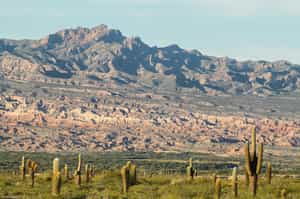
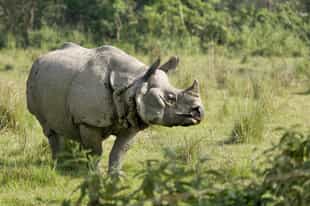
Planning Guides
Global Safari Alternatives
Explore the best safari-style wildlife destinations outside Africa
Argentina
From Patagonian peaks to vineyards, Argentina travels are bold, beautiful, and brimming with life.

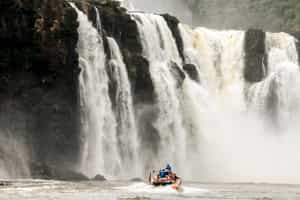
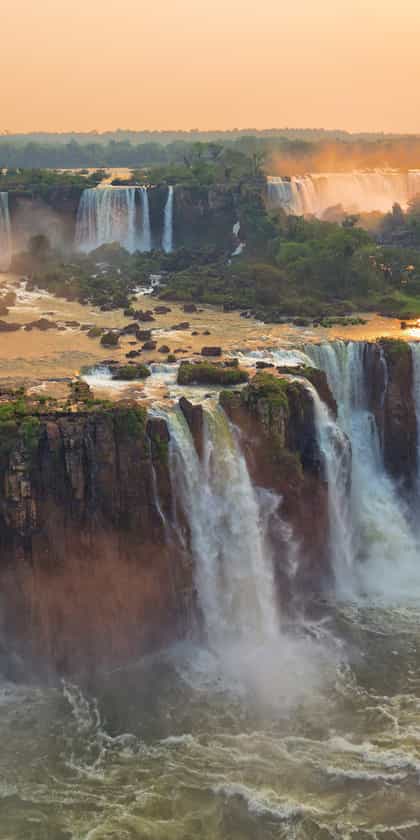
As cliché as it sounds, Argentina truly has something for everyone - and how could it not? The enormous country - the eighth largest in the world, to be exact - encapsulates over 2.78 million square-kilometres where vibrant cities, sky-brushing mountains, endless pampas, glaciers, subtropical rainforests and gleaming lakes can all be discovered. Beyond the mesmerising scenery, there's plenty of activity too: head to Iguazu to marvel at one of Argentina's greatest natural spectacles, don your trekking boots and explore El Chaltén’s infinite trails, perfect your tango moves in Buenos Aires, hit the slopes in dreamy Bariloche or make the journey to the 'End of the World' in wild Tierra del Fuego. And while you’re at it, leave some space for some decadent wining and dining for this is the land of empanadas, asados, dulce de leche and bottomless Malbec. Need we say more, except perhaps, salud?

Argentina is a land of unparalleled natural beauty, with accommodation options in the most remote of locations. And, Argentinians are unbelievably open and friendly, making every experience just that touch more memorable.

Argentina is not all about wine, Patagonia and gauchos; it’s also a hotbed of culture. With a thriving literary, music and film scene, and all-around diverse artistic tastes, there’s plenty to be enjoyed.

Did we mention Argentina is enormous? If you’re on a tight schedule, don’t try to do it all at once. The choices are endless and it's wise to prioritise where you go depending on your interests instead of rushing all around the map.
Start with a recommended trip or create one from scratch
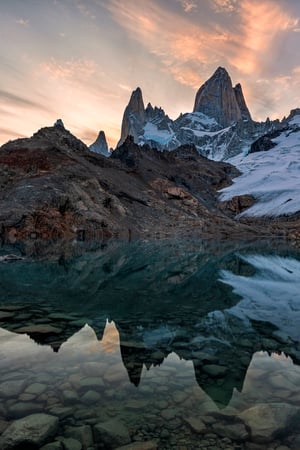
11 nights from $10.1K per person
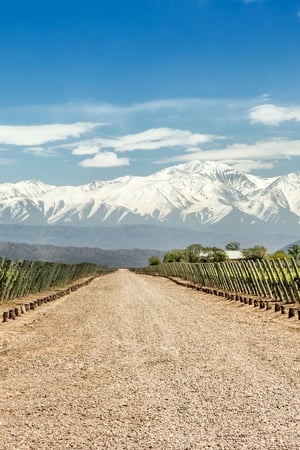
10 nights from $8K per person
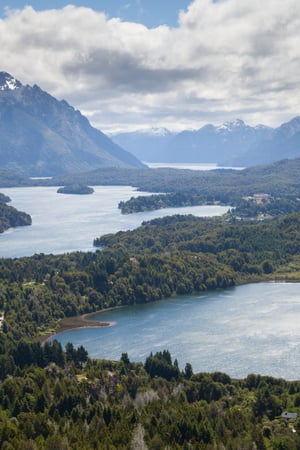
16 nights from $13.7K per person
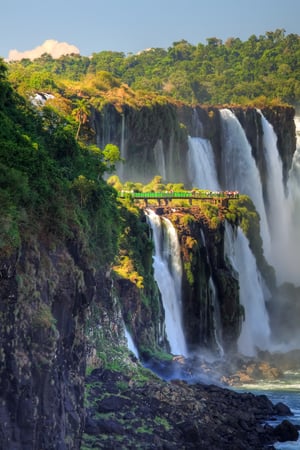
16 nights from $14.8K per person
Get advice and suggestions to make this your perfect trip.
or call us on: +1 (646) 542 0667
Tango it up in Buenos Aires, enjoy the sunny magic of Mendoza (and Malbec!) or revel in head-spinning natural beauty on an Argentina trip you’ll never forget.
,url-https%3A%2F%2Fassets.waybird.com%2Fcdn-cgi%2Fimage%2Fwidth%3D12%2Cformat%3Dauto%2Fhttps%3A%2F%2Fassets.waybird.com%2Fimages%2Fmap%2Fpin-primary-outlined.png(-58.4459236,-34.6075683),url-https%3A%2F%2Fassets.waybird.com%2Fcdn-cgi%2Fimage%2Fwidth%3D12%2Cformat%3Dauto%2Fhttps%3A%2F%2Fassets.waybird.com%2Fimages%2Fmap%2Fpin-primary-outlined.png(-68.8687352,-32.8886044),url-https%3A%2F%2Fassets.waybird.com%2Fcdn-cgi%2Fimage%2Fwidth%3D12%2Cformat%3Dauto%2Fhttps%3A%2F%2Fassets.waybird.com%2Fimages%2Fmap%2Fpin-primary-outlined.png(-72.8821296,-49.3277447),url-https%3A%2F%2Fassets.waybird.com%2Fcdn-cgi%2Fimage%2Fwidth%3D12%2Cformat%3Dauto%2Fhttps%3A%2F%2Fassets.waybird.com%2Fimages%2Fmap%2Fpin-primary-outlined.png(-71.3761904,-41.1445274),url-https%3A%2F%2Fassets.waybird.com%2Fcdn-cgi%2Fimage%2Fwidth%3D12%2Cformat%3Dauto%2Fhttps%3A%2F%2Fassets.waybird.com%2Fimages%2Fmap%2Fpin-primary-outlined.png(-68.3378945,-54.822756),url-https%3A%2F%2Fassets.waybird.com%2Fcdn-cgi%2Fimage%2Fwidth%3D12%2Cformat%3Dauto%2Fhttps%3A%2F%2Fassets.waybird.com%2Fimages%2Fmap%2Fpin-primary-outlined.png(-54.4550978,-25.6528507),url-https%3A%2F%2Fassets.waybird.com%2Fcdn-cgi%2Fimage%2Fwidth%3D12%2Cformat%3Dauto%2Fhttps%3A%2F%2Fassets.waybird.com%2Fimages%2Fmap%2Fpin-primary-outlined.png(-65.4106756,-24.7885347),url-https%3A%2F%2Fassets.waybird.com%2Fcdn-cgi%2Fimage%2Fwidth%3D12%2Cformat%3Dauto%2Fhttps%3A%2F%2Fassets.waybird.com%2Fimages%2Fmap%2Fpin-primary-outlined.png(-64.19206740902281,-31.42319901653946),url-https%3A%2F%2Fassets.waybird.com%2Fcdn-cgi%2Fimage%2Fwidth%3D12%2Cformat%3Dauto%2Fhttps%3A%2F%2Fassets.waybird.com%2Fimages%2Fmap%2Fpin-primary-outlined.png(-65.98130068555773,-26.07100535248598),url-https%3A%2F%2Fassets.waybird.com%2Fcdn-cgi%2Fimage%2Fwidth%3D12%2Cformat%3Dauto%2Fhttps%3A%2F%2Fassets.waybird.com%2Fimages%2Fmap%2Fpin-primary-outlined.png(-63.87656561014108,-42.52521343861976),url-https%3A%2F%2Fassets.waybird.com%2Fcdn-cgi%2Fimage%2Fwidth%3D12%2Cformat%3Dauto%2Fhttps%3A%2F%2Fassets.waybird.com%2Fimages%2Fmap%2Fpin-primary-outlined.png(-65.2754924709417,-24.208313391879027),url-https%3A%2F%2Fassets.waybird.com%2Fcdn-cgi%2Fimage%2Fwidth%3D12%2Cformat%3Dauto%2Fhttps%3A%2F%2Fassets.waybird.com%2Fimages%2Fmap%2Fpin-primary-outlined.png(-70.12355690756566,-47.4943930630634),url-https%3A%2F%2Fassets.waybird.com%2Fcdn-cgi%2Fimage%2Fwidth%3D12%2Cformat%3Dauto%2Fhttps%3A%2F%2Fassets.waybird.com%2Fimages%2Fmap%2Fpin-primary-outlined.png(-57.706344456000025,-28.699971013079512),url-https%3A%2F%2Fassets.waybird.com%2Fcdn-cgi%2Fimage%2Fwidth%3D12%2Cformat%3Dauto%2Fhttps%3A%2F%2Fassets.waybird.com%2Fimages%2Fmap%2Fpin-primary-outlined.png(-66.16707514767575,-25.121649345662014)/auto/600x400?access_token=pk.eyJ1IjoidGltYnVrdHV0cmF2ZWwiLCJhIjoiY2poMGw1eHpkMmRkbDJ6bW8xYWZ5OGpjYyJ9.PYvAO7lUJ40SOpGvwmQLqw&attribution=false&logo=false)

Argentina
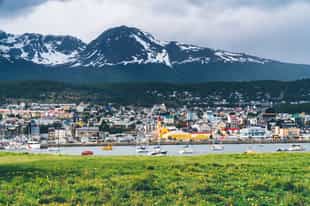
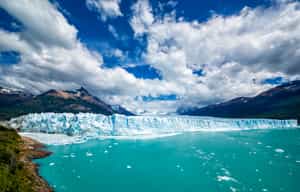
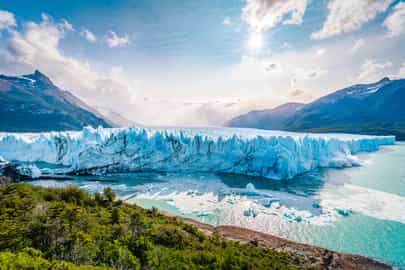
Revel in the grandeur of one of the world’s most iconic glaciers in this lakeside Patagonian town
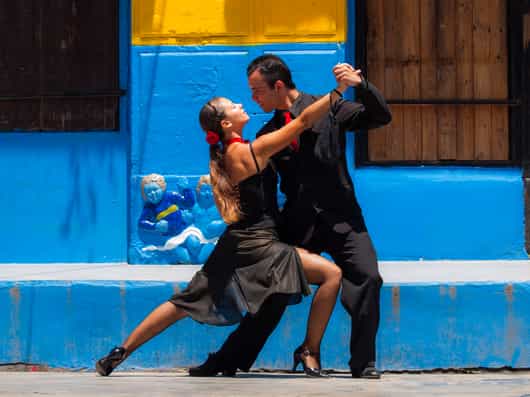
Argentina
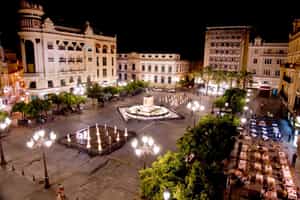
Let South America’s cultural - and tango! - capital fill you with its signature la alegría
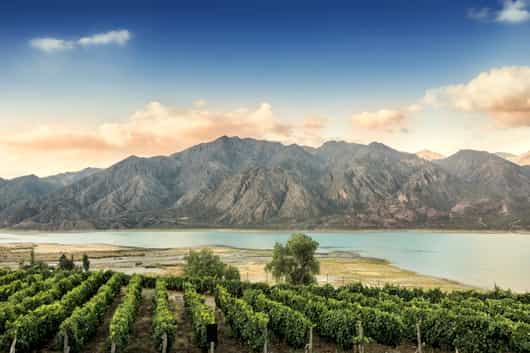
Argentina
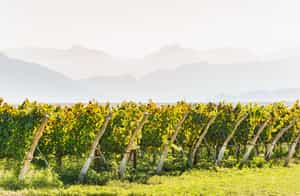
Mountain backdrops, countless vineyards, outdoors activities and Malbec for days… Wine not?
Buenos Aires enjoys a lovely climate throughout the year, but the winter months of July and August are often favoured for their temperate conditions, while skiing begins in earnest by July and the Tango Festival takes place in August. Mendoza has a fantastic, Mediterranean climate but keep in mind that the Wine Festival falls within March. Salta and the Northwest enjoys clear skies and warm days in autumn (March - May) and, although the nights are chilly, it’s still lovely in winter. By spring (September - November), the Lake District is blooming with wildflowers while summer (December - February) means Patagonia becomes more accessible and enjoys longer days. Winter in Patagonia should be avoided as many facilities close and the temperatures are frigid. The area around Iguazu Falls is tropical, which remains pleasant all year but after the spring rains, the Falls are particularly spectacular.

Wet Season — one of the best times to visit
Bariloche is positively perfect at this time of year with fewer crowds than Patagonia proper and sublime weather for all sorts of outdoor activities – hiking, biking and kayaking on the lakes.
Venture to Ushuaia and Tierra del Fuego National Park to see colonies of Magellanic, Gentoo, and potentially King penguins, bustling with new life.
Gualeguaychú Carnival begins its Saturday night festivities featuring elaborate floats and sequined, samba-style comparsas.
Wet Season — one of the best times to visit
This is a fantastic time to explore Ushuaia (though it can be rather busy with Antarctica-bound visitors), spotting penguins in all their raucous glory and hiking in Tierra del Fuego National Park.
Slightly more moderate winds make February a wonderful period for exploring the glaciers and hiking trails of Los Glaciares National Park – but be prepared to share it with other tourists.
Enjoy the festivities in and around Salta, especially with Quebrada de Humahuaca taking place in Jujuy.
Wet Season — one of the best times to visit
A visit to Argentine Patagonia in March shows off the bronzed beauty of early autumn foliage while saving you a few pennies – and bonus, there’s far less wind!
Iguazu Falls are flowing dramatically while the high temperatures start to subside, making exploring on foot or by boat enjoyable.
March marks the beginning of Peninsula Valdés’ most spectacular phenomenon when orcas beach intentionally in order to hunt sea lion pups at Punta Norte.
Mendoza’s Fiesta Nacional de la Vendimia, which ranks among National Geographic’s Top 10 World Harvest Festivals, reaches its grand conclusion in early March while grape picking continues throughout the month.
Wet Season — one of the best times to visit
This is prime time for visiting Iguazu Falls with idyllic weather, fewer crowds and maintained water levels – perfect for boat rides to the base of the falls.
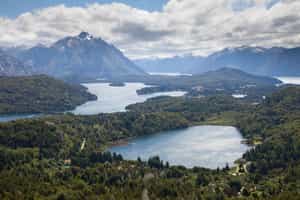
Autumn makes Argentina’s Lake District even more beautiful, and the Seven Lakes Route is particularly lovely and photogenic.
There’s plenty of action going on around the Peninsula Valdés, where orcas beach themselves in the hopes of nabbing growing sea lion pups – a truly unique sight.
The rugged and dramatic scenery of Salta and the Northwest is at its most photogenic come April.
Dry Season — a good time to visit
May brings ideal conditions for exploring Buenos Aires and towards the end of the month, you can enjoy the festivities (and foods) of Semana de Mayo.
Enjoy the wine regions of Mendoza and Salta, dressed in their autumn colours and free of crowds. Sipping on Torrontés wines in Cafayate with the soaring mountains behind you is rather dreamy.
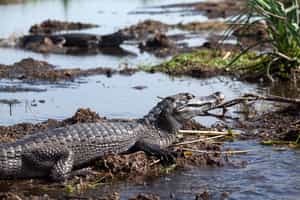
The Iberá Wetlands are a delight in May with outstanding wildlife viewing on foot, horseback or kayak – and hundreds of bird species in attendance.
Dry Season — a good time to visit
While water levels at Iguazu Falls will be lower than peak months, but the cooler weather and clear skies make it wonderful for sightseeing.
Buenos Aires enjoys comfortable days, perfect for strolling between cafes, museums and galleries, all without the summer crowds.
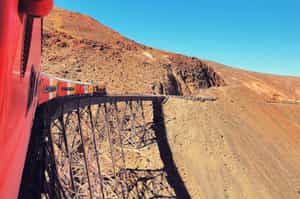
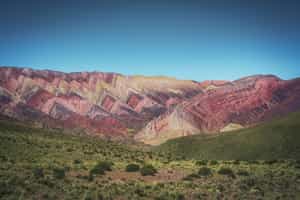
Expect splendid weather in the Northwest, promising idyllic explorations of Quebrada de Humahuaca, Salinas Grandes salt flats, Cerro de Siete Colores, and the Cafayate wine region.
Dry Season — a good time to visit
Salta and Jujuy continue to offer some of the best weather in Argentina with sublime, sunny days just right for exploring Quebrada de Humahuaca, Cerro de Siete Colores and Salinas Grandes.
World-class ski resorts welcome guests once again including Cerro Catedral in Bariloche and Las Leñas in southern Mendoza. However, the slopes are rather crowded during Argentina’s school holidays, so we would stick to early July or wait until August
This is a relatively crowd-free and pleasant time to marvel at Iguazu Falls, which remain impressive despite lower water levels.
Dry Season — a good time to visit
August is, without a doubt, a sweet spot for skiing. Free of crowds from mid-month, enjoy longer, sunnier days on the slopes of Bariloche and Mendoza.
With incredible water clarity and spectacular breaching displays, whale watching around the Peninsula Valdés remains exceptional throughout the month.
The Buenos Aires Tango Festival and World Championships typically take place in August where you can see some of the world’s best dancers in action across the city.
This is prime time for enjoying the sights of the Northwest including colourful valleys, unique rock formations and shimmering salt flats.
Dry Season — one of the best times to visit
The waters and islands off the Peninsula Valdés are a hive of marine life including southern right whales, breeding Magellanic penguins and elephant seals.
Temperatures and blooming jacarandas make exploring Buenos Aires on foot a real pleasure, while the vineyards of Mendoza are draped in lush spring hues.
Make a beeline for Punta Tombo as the whales arrive to breed and calf, before heading south later in the year.
Bariloche and San Martin make for an idyllic visit with few fellow hikers and fantastic trails open for exploring.
Wet Season — one of the best times to visit
Wildflowers bloom in abundance across Patagonia’s valleys and steppes, making the landscape even more scenic on hiking routes, which have just begun to open up again.
Head for Laguna de los Pozuelos in Jujuy where Andean, James’s and Chilean flamingos can all be spotted.
This is the absolute best time for visiting the Peninsula Valdés as southern right whale sightings are virtually guaranteed and orcas begin beach hunting for elephant seal pups.
Wet Season — one of the best times to visit
November is an idyllic time to visit Iguazu Falls with fair weather, few tourists and a still-impressive flow.
With around 17 hours of daylight by late November and pleasant temperatures, trekking conditions in Patagonia are truly superb – and you’ll have the trails mostly to yourself.
On the Peninsula Valdés, November is hatching month for Magellanic penguins, offering a chance to observe tiny chicks, feeding behaviour and courtship displays.
Still blooming and covered in greenery, November is a superb time for exploring Bariloche and San Martin – and the weather is a delight.
Wet Season — one of the best times to visit
In El Chaltén, up to 17 hours of daylight and pleasant temperatures make extended treks like the Laguna de los Tres trail both possible and positively amazing. This is also a spectacular time for seeing the Perito Moreno glacier in El Calafate.
The Magellanic penguin colonies around Ushuaia and Tierra del Fuego National Park reach a fever pitch with sweet, tiny chicks on display.
Off the coast of Patagonia, male sea lions are in the midst of establishing their harems and pups may begin arriving around mid-December.

Most travellers arrive and depart from Ministro Pistarini International Airport in Ezeiza, which sits approximately 32 km from the centre of Buenos Aires. There are flights available from the UK via Europe, the USA or Sao Paulo; while the USA offers a number of direct, daily flights (duration is between nine and 11 hours). Domestic flights are also very common with most leaving from Aeroparque Jorge Newbery in Buenos Aires, which offers flights to all provincial capitals and other major destinations. However, these flights can fill up quickly, especially during peak season so advanced booking is best. Taxis are readily available in main cities, but be sure of the rate and check the meter is turned on before you leave. Travelling to your hotel or more remote locations will mostly be done via a private transfer.
Recommended vaccines include Hepatitis A and B, typhoid, rabies and yellow fever (especially if you’re travelling to the Corrientes or Misiones provinces) and a booster shot for tetanus, diptheria and pertussis. Zika may be present in some areas of Argentina so using a DEET-based insect repellent is recommended. However, please consult your personal physician and/or a travel clinic preferably 6 weeks prior to your departure. Vaccine requirements vary based on your country of origin and your travel itinerary, as well as your previous vaccination history. It is best to consult with your physician or the CDC website for guidelines. While most hotels have a first aid kit, we advise taking a basic one of your own as well as any prescriptions / medication you may need. Tap water is considered safe to drink in Buenos Aires and other larger cities, however, the high mineral content may be unpleasant for some travellers. Overall, it’s safer to drink bottled water, which is readily available throughout the country and at hotels.
Money The currency used in Argentina is Pesos (ARS), however, US dollars are accepted in some hotels and tourist centres. Credit cards aren’t as widely accepted as they are in the USA or Europe, even in certain major hotels. Most cities have ATMs but they aren’t necessarily reliable, so it’s best to carry some cash with you. Gratuities Gratuities are not compulsory or expected; rather it is a reward for excellent service. If you are pleased with the service you have received, you are more than welcome to tip your guide or the staff. Tipping is usually done at the end of your stay. You may tip the staff individually, give the tip to the manager to distribute, or do both. Gratuities suggestions: Private guide: $10 per day Private driver: $3 - $5 per day Porters: $1 per bag Lodge staff: $20 per room per night (this can be distributed by the manager) Restaurants: In most upscale/tourist restaurants, 12% VAT and a 10% service charge is already included. For local restaurants, the service charge may not be included so a 10% tip is appreciated/appropriate (12% VAT is included).
Insurance It is a condition of booking that you carry the correct comprehensive travel and medical insurance to cover yourself, as well as any dependents/travelling companions for the duration of your trip. This insurance should include cover in respect of, but not limited to, the following eventualities: Compulsory Insurance: a. Emergency evacuation expenses b. Medical expenses c. Repatriation expenses Recommended Insurance: a. Cancellation or curtailment of trip b. Damage/theft/loss of personal luggage, money and goods
As a general precaution, we recommend you make several copies of your travel-related documents (passport, credit cards, itinerary, airline tickets, insurance cover, visas, etc). Leave one set at home, and bring another set with you, and place it in a location separate from your originals. You may need to present any relevant travel-related documents at any time on the trip. For anyone travelling from the EU, USA, UK, Canada and Australia, and remaining in Argentina for 90 days or less, a visa isn’t required. Be sure to double check that your passport is valid for the duration of your trip, extending a few weeks after that to be on the safe side. For anyone that requires a tourist visa, be aware that they cost $50. Please do contact the embassy in your home country to reconfirm visa requirements, as they change often. Visa Central is also a good resource for further information. As of 1 October 2023, anyone from the USA, Canada and Australia travelling to the Brazilian side of Iguazu Falls will require a Visa. To enter the country, all travellers must present the following: - Valid medical insurance that provides comprehensive coverage for the entire duration of the stay. - A return ticket or proof of onward travel out of Argentina. - Accommodation booking or the address of the place where they will be staying. Failure to provide any of these documents may result in denied entry, at the discretion of the immigration authorities.
Climate As you can guess from Argentina’s impressive length, its weather is just as diverse with a total of 11 different climate zones. These range from tropical areas in the Northeast to polar conditions in lower Patagonia. Needless to say, what you pack depends on where you plan to go and what you plan to do there. The below is a rough guide to get you started. What to pack: Clothing to suit your destination. This might include shorts, slacks, T-shirts, jeans or trousers, skirts or dresses, an all-weather jacket, and fleece sweater, socks, scarves and gloves. Comfortable walking shoes, sandals and waterproof hiking or snow boots. Sunscreen, sun glasses and a hat Hand sanitiser, insect repellent and toiletries Any medication needed and a first aid kit Backpack Reusable water bottle Cameras, batteries, electronics, chargers and adaptors. Argentina uses Type C and I plugs, and operates on 220V supply voltage and 50Hz. Luggage Please check with your airlines for the specific luggage restrictions relevant to your flight schedule. Many international airlines have a baggage allowance of 20kgs or more per person and commercial airlines generally permit two (2) pieces of checked luggage. The carry-on bag must be of such dimensions and weight as set by the airlines.
We’re big believers in leaving a positive impact in the countries in which we operate. We’re proud to donate $50 for every booking to projects focusing on female empowerment, tech education, conservation, and so much more.
Our dream is to empower our guests to travel with a purpose.
So far, we’ve donated $107,000 to projects across the globe.


Why travel with Timbuktu?

We've been crafting one-of-a-kind journeys since 2014 — over 2,500 trips across 40+ countries, each one built from scratch around your interests and dreams.

Our team only recommends places they've slept in, eaten in, and happily keep going back to. Condé Nast Traveler named 11 of them Top Travel Specialists in 2026, and Travel+Leisure made three A-List Advisors.

Travel+Leisure's readers voted us the World's No.1 Tour Operator in 2024 and No.2 in 2025 — the travel industry's biggest readers' award, judged by people who actually travel.

$50 from every booking goes to female empowerment, tech education, and conservation projects across the countries we love. We have donated $78,000 so far – and it's going up!

Your travel specialist is with you the whole way, dreaming up the trip, building the itinerary, checking you in, and answering the 2am question from the other side of the world..

We are rated 4.9 out of 5 from 992 verified Feefo reviews. And these are the words of people who actually went, not us talking about ourselves.
11 Condé Nast Traveler Top Travel Specialists 2026

No. 1 & No. 2 Tour Operator in Travel + Leisure's Best Awards 2024 & 2025

Best Booking Platform in Women's Health Travel Awards 2025

Travel Specialist voted as Latin America A-List Travel Advisor 2025

"Timbuktu can take relatively complex and slightly amorphous travel plans and transform them into a well-organized, perfectly tailored trip."