.jpg)
Planning Guides
Best hotels in Italy
The Italian addresses that get it right
.png)
Italy
Dizzying sights, delectable art, food and wine, and la dolce vita by the gondola-load await on a trip to Italy.

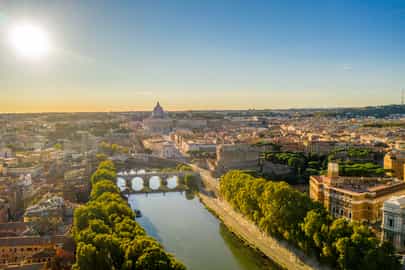
Italy is a country that is gloriously, unashamedly itself. Church bells and clinking espresso cups; striped umbrellas on the beach and snow on the mountains; Vespas zipping past Roman ruins and grandmothers arguing over whose tortellini is best. One minute you’re standing beneath an impossibly beautiful Renaissance ceiling, the next you’re elbow-deep in pasta flour and plotting which flavour of gelato to have for round two. And then there’s the sheer variety of it all: the cool, glassy lakes of the north, Tuscany’s iconic vine-covered hills, cities that hit you round the head with their sheer beauty and astonishing architecture, and coastlines that can be polished, glitzy and sparkling – or a little rough around the edges. Come hungry, wear good shoes, and don’t expect to fit it all into one trip.

Because few places do la dolce vita with such finesse. Art is taken seriously, food – even more so, and even the smallest daily rituals, morning coffee, evening passeggiata, a long lunch in the shade, are all part of the magic.

Yes, Rome, Venice and Florence earn their fame, but what about food pilgrimages through Emilia-Romagna or truffle season in Piedmont? Perhaps exploring the baroque towns in Puglia, or the hidden beaches of Sicily?

Italy looks deceptively manageable on a map. It isn’t. Resist the urge to cram everything in (and spend too long driving on pot-holed roads) – two regions done properly almost always beats six done in a rush.
Start with a recommended trip or create one from scratch
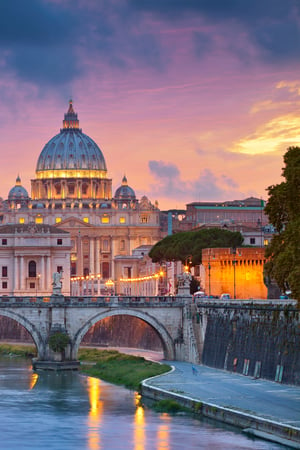
10 nights from $14.2K per person
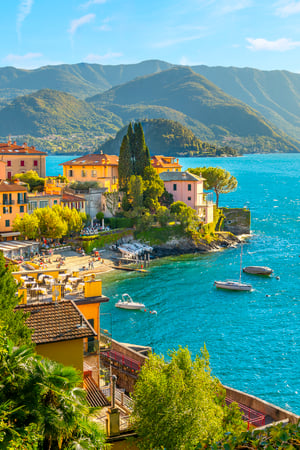
12 nights from $13.4K per person
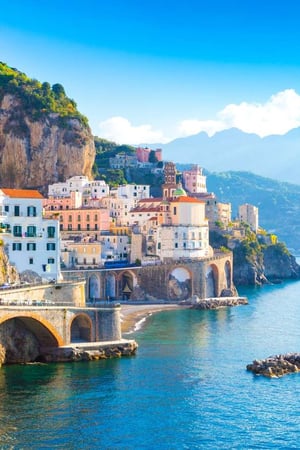
12 nights from $21.6K per person
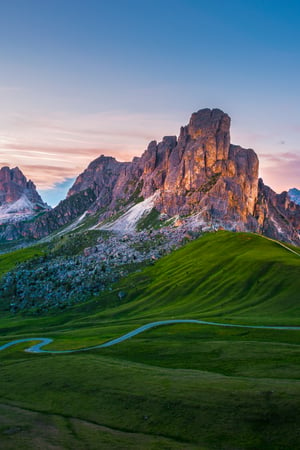
11 nights from $9.9K per person
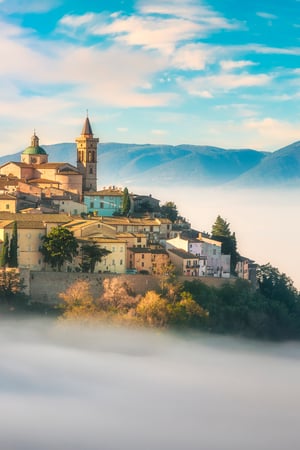
10 nights from $16.6K per person
Get advice and suggestions to make this your perfect trip.
or call us on: +1 (646) 542 0667
,url-https%3A%2F%2Fassets.waybird.com%2Fcdn-cgi%2Fimage%2Fwidth%3D12%2Cformat%3Dauto%2Fhttps%3A%2F%2Fassets.waybird.com%2Fimages%2Fmap%2Fpin-primary-outlined.png(14.6028963,40.6333389),url-https%3A%2F%2Fassets.waybird.com%2Fcdn-cgi%2Fimage%2Fwidth%3D12%2Cformat%3Dauto%2Fhttps%3A%2F%2Fassets.waybird.com%2Fimages%2Fmap%2Fpin-primary-outlined.png(11.143590900192224,43.44739861469373),url-https%3A%2F%2Fassets.waybird.com%2Fcdn-cgi%2Fimage%2Fwidth%3D12%2Cformat%3Dauto%2Fhttps%3A%2F%2Fassets.waybird.com%2Fimages%2Fmap%2Fpin-primary-outlined.png(12.3152672,45.44146850000001),url-https%3A%2F%2Fassets.waybird.com%2Fcdn-cgi%2Fimage%2Fwidth%3D12%2Cformat%3Dauto%2Fhttps%3A%2F%2Fassets.waybird.com%2Fimages%2Fmap%2Fpin-primary-outlined.png(11.2523792,43.7679178),url-https%3A%2F%2Fassets.waybird.com%2Fcdn-cgi%2Fimage%2Fwidth%3D12%2Cformat%3Dauto%2Fhttps%3A%2F%2Fassets.waybird.com%2Fimages%2Fmap%2Fpin-primary-outlined.png(9.257167599999999,46.0160486),url-https%3A%2F%2Fassets.waybird.com%2Fcdn-cgi%2Fimage%2Fwidth%3D12%2Cformat%3Dauto%2Fhttps%3A%2F%2Fassets.waybird.com%2Fimages%2Fmap%2Fpin-primary-outlined.png(11.3307574,43.31880899999999),url-https%3A%2F%2Fassets.waybird.com%2Fcdn-cgi%2Fimage%2Fwidth%3D12%2Cformat%3Dauto%2Fhttps%3A%2F%2Fassets.waybird.com%2Fimages%2Fmap%2Fpin-primary-outlined.png(14.0153557,37.5999938),url-https%3A%2F%2Fassets.waybird.com%2Fcdn-cgi%2Fimage%2Fwidth%3D12%2Cformat%3Dauto%2Fhttps%3A%2F%2Fassets.waybird.com%2Fimages%2Fmap%2Fpin-primary-outlined.png(17.1011931,40.7928393),url-https%3A%2F%2Fassets.waybird.com%2Fcdn-cgi%2Fimage%2Fwidth%3D12%2Cformat%3Dauto%2Fhttps%3A%2F%2Fassets.waybird.com%2Fimages%2Fmap%2Fpin-primary-outlined.png(14.222154,40.5532009),url-https%3A%2F%2Fassets.waybird.com%2Fcdn-cgi%2Fimage%2Fwidth%3D12%2Cformat%3Dauto%2Fhttps%3A%2F%2Fassets.waybird.com%2Fimages%2Fmap%2Fpin-primary-outlined.png(10.6351414,45.6049385),url-https%3A%2F%2Fassets.waybird.com%2Fcdn-cgi%2Fimage%2Fwidth%3D12%2Cformat%3Dauto%2Fhttps%3A%2F%2Fassets.waybird.com%2Fimages%2Fmap%2Fpin-primary-outlined.png(11.3047836,44.50051010000001),url-https%3A%2F%2Fassets.waybird.com%2Fcdn-cgi%2Fimage%2Fwidth%3D12%2Cformat%3Dauto%2Fhttps%3A%2F%2Fassets.waybird.com%2Fimages%2Fmap%2Fpin-primary-outlined.png(9.181873,45.458626),url-https%3A%2F%2Fassets.waybird.com%2Fcdn-cgi%2Fimage%2Fwidth%3D12%2Cformat%3Dauto%2Fhttps%3A%2F%2Fassets.waybird.com%2Fimages%2Fmap%2Fpin-primary-outlined.png(11.844157086196985,46.41024038017541),url-https%3A%2F%2Fassets.waybird.com%2Fcdn-cgi%2Fimage%2Fwidth%3D12%2Cformat%3Dauto%2Fhttps%3A%2F%2Fassets.waybird.com%2Fimages%2Fmap%2Fpin-primary-outlined.png(14.332644,40.901975)/auto/600x400?access_token=pk.eyJ1IjoidGltYnVrdHV0cmF2ZWwiLCJhIjoiY2poMGw1eHpkMmRkbDJ6bW8xYWZ5OGpjYyJ9.PYvAO7lUJ40SOpGvwmQLqw&attribution=false&logo=false)
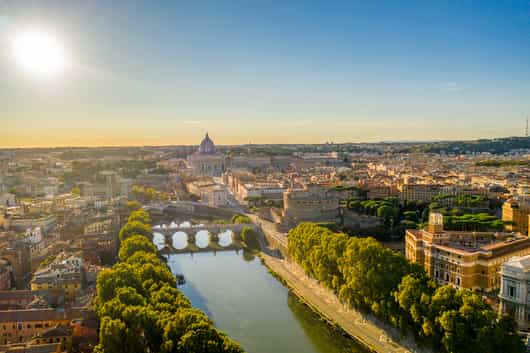
Italy
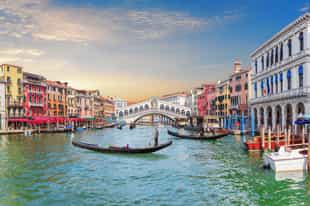
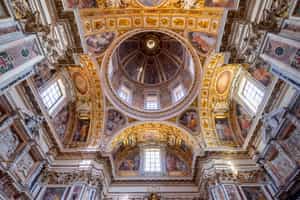
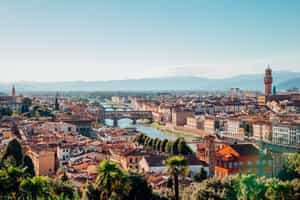
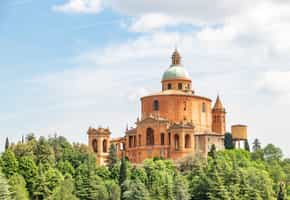
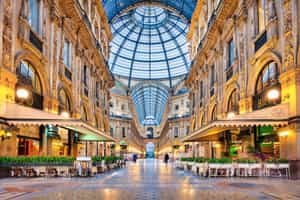
2,000 years of history – and excellent aperitivo – in one of the prettiest capital cities in the world.
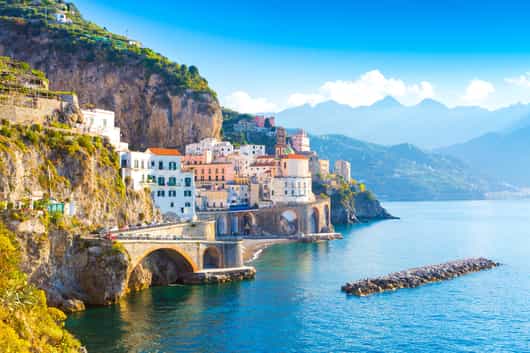
Italy
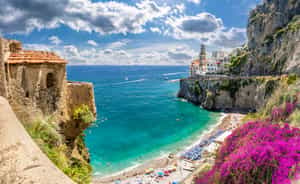
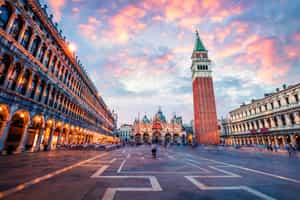
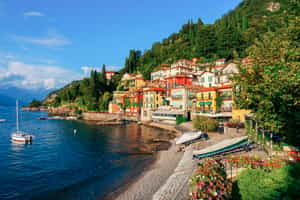
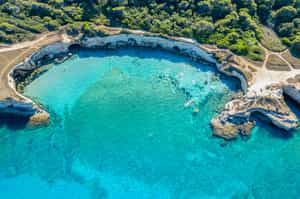
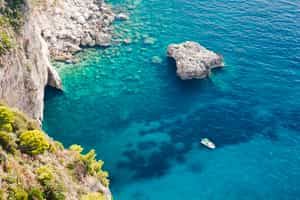
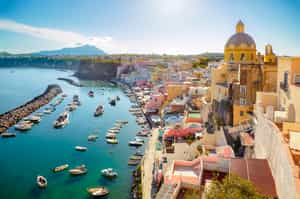
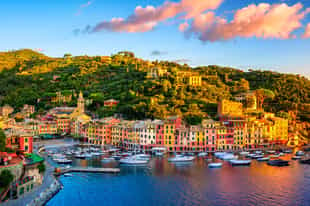
A heady blend of cerulean waters & old-world glamour on the world’s most theatrical coastline.
Italy
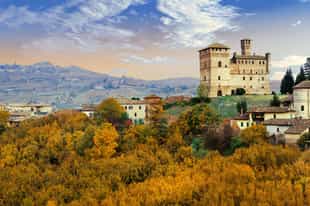
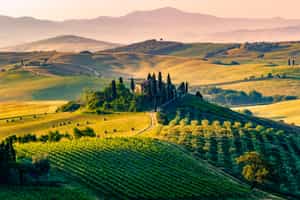
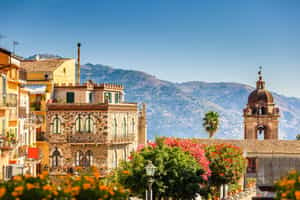
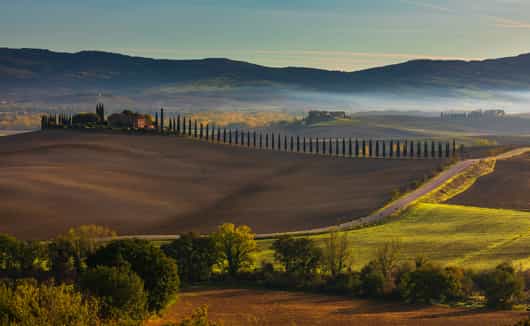
A smorgasbord of good food, iconic, undulating hills and museum-grade cities.
Italy resists a single answer on this one. For most visitors, April, May, September, and October represent the sweet spot – warm enough to be comfortable, light enough on crowds, and aligned with some of the country's finest seasonal produce: artichokes and wildflowers in spring, truffle and grape harvest in autumn. July and August deliver guaranteed sunshine but also queues, prices, and heat that can genuinely wear you down, particularly in Rome and Florence. Winter has its own quiet appeal – skiing in the Dolomites, blood oranges in Sicily, and a Venice that finally has room to breathe – for those willing to pack accordingly.

Wet Season — a good time to visit
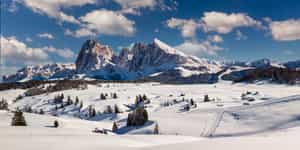
Enjoy reliable snow coverage across the Dolomiti Superski circuit and, on clear days, the famous enrosadira alpenglow at its most spectacular.
While the north of Italy is rather icy, its southern regions enjoy streaming sunshine and virtually no crowds. It’s also peak blood orange season in Sicily, its markets overflowing with scrumptious fruit.
January is one of the few months of the year when Rome’s major sights aren’t filled with tourists, though the Colosseum still requires advance booking.
Acqua alta, the high tides that flood Venice’s lower streets, is at its most dramatic. It’s rather amazing to witness but be sure to pack suitable footwear.
Wet Season — a good time to visit
Taking place in the two weeks leading up to Shrove Tuesday (this can fall in late January), the Venice Carnival is a spectacle of note with elaborate costumes and processions. Do be aware that the crowds are immense.
Soak up the first signs of spring as almond trees blossom in clouds of white and pale pink, especially glorious against the ancient Greek temples in Agrigento.
Skiing in the Dolomites is wonderful with reliable snow and rapidly longer days. Traversing the Sella Ronda circuit is one of Europe’s skiing greats.
Wet Season — a good time to visit
Bathed in beautiful spring light, Rome is a joy in March with manageable crowds (compared to summer) at its most iconic sights. The Roman artichoke season also begins and you can enjoy them served up in every imaginable way.
Still free of the summer rush, the Amalfi Coast is genuinely lovely with fragrant herbs filling the air along the ‘path of the gods’ and dazzling views.
Sardinia’s interior is enveloped by springtime blooms and hiking trails reveal stunning landscapes as golden eagles soar overhead.
Dry Season — one of the best times to visit
The Tuscan countryside is a patchwork of colour and cycling through the Chianti hills, stopping for olive oil tastings and a glass of wine, is simply sublime.
As the snow recedes in Gran Paradiso National Park, the Alpine ibex descend to lower meadows and are often seen near to hiking trails.
Italy’s major lakes are on top form with idyllic scenery and shimmering views, perfect for cycling and boating excursions.
Sicily is carpeted in wildflowers, its coastal waters are exceedingly swimmable and Mount Etna usually opens for the first walks of the year.
Enjoy the marine life of the Ligurian Sea, which includes the enthralling blue whales as well as fin whales and striped dolphins.
Dry Season — one of the best times to visit
Italy’s lakes are at their most beautiful, surrounded by ethereal gardens, and island-hopping is possible for the first time since winter.
The Cinque Terre’s coastal paths offer incredible, sunlit views of the sea below and it’s usually warm enough for a dip.
In late May (and into early June), evenings in Central Italy are turned into a light show, put on entirely by nature. Wherever you are, watch fireflies zoom through the fragrant, balmy air.
From mid-May, the Dolomites’ hiking trails begin to open along with the hillside rifugi (mountain huts) – and they’re still pretty crowd-free.
Dry Season — one of the best times to visit
Led by expert marine biologists, daily whale and dolphin-watching excursions run from Portofino and the Cinque Terre.
By June, the snow has cleared from most of the via ferrata (fixed routes) in the Dolomites, surrounded by picturesque meadows and peaks.
The Puglia Coast is rather glorious with golden light shimmering on the Adriatic, which is warm enough for a swim, followed by a tasty plate of seafood.
Dry Season — a good time to visit
By July, all high mountain rifugi (mountain huts) are open, as are the via ferrata routes, making this one of the most rewarding months for hiking in the Dolomites.
Mount Etna puts on quite a show, best enjoyed during dawn or midnight climbs, while boating between Sicily’s Aeolian Islands is wonderfully scenic.
This is a fantastic month for watching the gravity-defying antics of ibex in Gran Paradiso National Park as golden eagles soar above.
Dry Season — a quieter time to visit
15 August marks Ferragosto, Italy’s great national holiday, when major cities empty out as locals make a beeline for the coast or mountains. Expect lots of closures, jam-packed beaches and a unique atmosphere.
Enjoy Sardinia’s quieter beaches, which are idyllic for swimming, snorkelling and sailing on the sky-blue water.
While the trails are at their busiest, hiking in the Dolomites is absolutely stunning with shimmering lakes and towering peaks – the light and lack of tourists is especially good at dawn.
Dry Season — one of the best times to visit
From Sicily to Tuscany, September means Italy’s Grape Harvest begins in earnest, along with plenty of celebrations. Enjoy ‘working stays’, spending mornings picking and afternoons with the winemaker in the cellar.
The Amalfi Coast is in tip-top condition with shimmering sea views, balmy waters and thinning crowds.
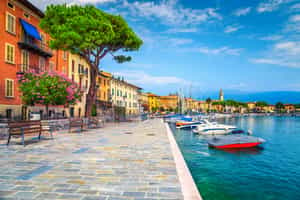
Autumn brings a distinctive beauty to Italy’s lakes, the water turning a deep cobalt-blue, chestnut trees beginning to turn and delightful villa gardens.
Wet Season — one of the best times to visit
October marks white truffle season in and around Piedmont where mornings involve joining a truffle hunt and dishes only get more delicious.
From the vales of Tuscany to the lofty Dolomites, Italy is dressed in its very best autumn colours and everything becomes rather photogenic.
Visit the medieval hill city of Perugia to indulge in the creations of its Eurochocolate Festival, which takes over the centro storico for a week in October.
Rome is especially lovely in autumn with fewer crowds, unique food markets and cooler evenings.
Wet Season — a good time to visit
Venice in November promises a unique experience as the acqua alta flooding is in full force, the fog rolls in and crowds are nearly non-existent.
The south is rather lovely at this time of year. Enjoy Puglia’s olive harvest and people-free wanderings, or admire the temples and cathedrals of Sicily.
With cooler temperatures and a lull in tourists, sightseeing in Rome is a real pleasure.
Wet Season — a good time to visit
If you’re in the mood for mulled wine and strudel, peruse the Christmas markets of South Tyrol – they’re rather enchanting.
Wonderfully free of crowds and with plenty of sunshine, this is a perfect time to explore the sights of Sicily.
A delightful, festive time for skiing in the Dolomites, December brings good snow but fewer crowds than later in the season.

Italy’s largest airports are in Rome and Milan, and many countries offer direct flights; while Naples and Venice also have international airports. Throughout Europe, Ryanair, easyJet and ITA Airways often offer the best flight options. For intercontinental flights, airlines including Emirates, American airlines, Turkish Airlines and Air Canada offer direct flights to Italy. Booking a connecting flight via another major European city can be a good alternative. When travelling to Italy from Europe, going by high-speed train is a pleasant and scenic alternative to flying. High speed trains from neighbouring countries are scenic and fast. Intercontinental flights sometimes are quite expensive. There are various options for travelling to central Rome from Fiumicino Airport. It is approximately 30 minutes by the Leonardo Express to Roma Termini Station, while regular taxis and buses are also available.
Milan Malpensa Airport is the second busiest airport after Fiumicino and about 50 km away from the city centre. The Malpensa Express train connects the airport to Milan's city centre, with stops at several major stations including Milan Cadorna and Milan Centrale.
Please consult your personal physician and/or a travel clinic preferably 6 weeks prior to your departure. Vaccine requirements vary based on your country of origin and your travel itinerary and your previous vaccination history. It is best to consult with your physician or the CDC website for guidelines. However, there are currently no vaccinations required to enter Italy. The tap water quality is good enough to drink but many locals prefer bottled water. In general, Italy is regarded as a safe country however petty crimes are more common in larger cities. Be on the lookout for pickpockets, especially in major tourist hubs or on public transport, and scams like overpricing. Communication Italy Country Code: +39 Calling overseas from Italy: From a landline dial 010, followed by the country code, area code, and the phone number. e.g., To call the USA: 010 1 [Area Code] [Phone Number] When calling from a cell phone dial +, followed by the country code, area code, and the phone number. e.g., To call the USA: +1 [Area Code] [Phone Number]
The currency used in Italy is the Euro (€). Major credit cards (Visa, MasterCard, American Express) are widely accepted, particularly in cities and tourist areas. However, it's advisable to have some cash on hand, especially in smaller towns or for smaller establishments that might not accept cards. Known as Bancomat in Italy, ATMs are widely available and are a convenient way to withdraw cash. We advise checking with your bank regarding charges for international withdrawals. You can exchange currency at airports, banks, and exchange offices, but be aware of the rates and fees. Using ATMs often provides a better rate. Gratuities Gratuities are not compulsory or expected; rather it is a reward for excellent service. If you are pleased with the service you receive, you are more than welcome to tip. This is usually done at the end of your stay. You may tip the staff individually, give the tip to the manager to distribute, or do both. Tipping in Italy is not as customary or substantial as it is in other countries like the United States. Gratuities suggestions: Restaurants: If you receive exceptional service, leaving a small tip (around 5-10% of the bill) is appreciated, but it's not obligatory. Many restaurants include a service charge (coperto) in the bill. Bars and Cafes: It's not usual to tip at bars or cafes. You might just round up to the nearest Euro if paying in cash. Taxis: It's not necessary to tip taxi drivers, but rounding up the fare to the nearest Euro is a common practice.
It is a condition of booking that you carry the correct comprehensive travel and medical insurance to cover yourself, as well as any dependents/traveling companions for the duration of your trip. This insurance should include cover in respect of, but not limited to, the following eventualities: Compulsory Insurance: a. Emergency evacuation expenses b. Medical expenses c. Repatriation expenses Recommended Insurance: a. Cancellation or curtailment of trip b. Damage/theft/loss of personal luggage, money and goods
The visa requirements depend on the purpose of your visit. EU, EEA and Swiss citizens can travel without a visa as Italy is part of the Schengen agreement; a valid identity card or passport is needed. Non-European citizens can travel to Italy with a 90-day Schengen Visa, which can be extended to a 180-day visa. Be aware that this visa extends to the majority of Europe. It's essential to have a passport valid for at least three months beyond your planned date of departure from the Schengen Area. Visa application procedures can involve requirements such as travel insurance, proof of accommodation, return tickets, and proof of financial means. Schengen Entry/Exit System (EES) The EU has introduced a new Entry/Exit System (EES) for non-EU passport holders entering the Schengen area. It’s designed to make borders more secure and keep a record of who’s coming and going, but it does mean a few extra steps on your first arrival: • On your first entry into the Schengen zone, travellers aged 12 and over will need to: - Have their passport scanned - Provide fingerprints and have a photo taken by a border officer - Answer a few straightforward questions (such as your reason for travel, where you’ll be staying, and for how long) • Children under 12 will simply have a photo taken. • There’s no cost for this process and you don’t need to register in advance. Once completed, your details are valid for three years and will be automatically recognised on future trips. • Exemptions: The EES does not apply if you are transiting through or if you hold an EU passport. Please allow a little extra time at border control for this on your first entry.
Climate Spring (March to May) is a lovely time of year to visit Italy with generally sunny days. In the north, it can be cooler, especially in the evenings, while southern cities have a mostly temperate climate. During summer (June to August), the days are typically hot and dry, often going for weeks without rain, which makes the air very humid. During autumn (September to November), the southern regions remain fairly warm, while rainfall and cooler temperatures occur in north and central Italy. During winter (December to February), Italy is mostly cold and rainy and although coastal areas like Sicily enjoy milder winters, the wind makes it rather chilly. What to pack - Deciding what to pack for a trip to Italy very much depends on the season. However, here are some general guidelines to help you: - Pack items that can be worn in layers including T-shirts, breezy slacks, as well as jackets, sweaters and a scarf for colder days. - A dressier outfit for the evenings - Sunglasses, a hat and sunscreen - Comfortable and sturdy walking shoes - Swimwear - Basic first aid kit and any prescription medications - Toiletries: while most hotels provide basic amenities, it’s advisable to bring specific personal items. - Camera, spare batteries and memory card, chargers and adaptors. Italy uses plug types C, F and L, at 230V and 50Hz. - A daypack or comfortable bag to carry water bottles, snacks and guidebooks. Luggage Please check with your airlines for the specific luggage restrictions relevant to your flight schedule. Many international airlines have a baggage allowance of 20kgs or more per person and commercial airlines generally permit two (2) pieces of checked luggage. The carry-on bag must be of such dimensions and weight as set by the airlines.
In major cities, tourist sites and hotels, many people speak at least conversational English. It’s less common in smaller towns, particularly in the south or countryside, so a translation app or a few Italian phrases can be extremely helpful and well-received.
Ideally, you don’t want to find yourself sprinting between sights so finding a balance between pace and how much you want to see is crucial. On a trip of 7 to 10 days, you can comfortably visit multiple regions with time to see some iconic sights (don’t try to cram them all in), local culture and even a bit of relaxation. If you have the time to spare, two weeks spent exploring Italy will be deeply rewarding.
Italy is filled to the brim with places worth seeing, but where to begin? At its centre, Rome is a fantastic anchor for your trip with its astounding history and unique culture. Tuscany is a natural next step for art, wine and beach-lovers alike, while Venice captures the soul with its architecture and beauty. If you’re more actively inclined, the northern lakes, Dolomites and Portofino belong on your itinerary. And then we have wild and rustic southern Italy where you could marvel at the cliffs of the Amalfi Coast or the ancient towns of Sicily. Italy is as varied as they come and it’s all about choosing the right combination to suit you.
While crowding in Italy is a genuine concern to have, by planning ahead, managing expectations and getting your timing right, you can navigate it all without a hitch. Certain cities and regions do get extremely busy, especially in the summer months, including Rome, Tuscany and the Amalfi Coast. Planning a trip to Italy in the ‘shoulder’ months means fewer tourists, while it could also pay off to head for lesser-known alternatives to the most famous destinations. Of course, timing also plays a big part and it’s worth avoiding well-known sights during the midday rush, opting for an early morning or late afternoon visit.
Definitely, and with great ease. Italy has a fantastic and extensive train network, which can take you from Rome to Florence in around 90 minutes, and Florence to Venice in under 2 hours. This works well for central and northern Italy, but if you’re heading south, it pays to rent a car or hire a guide / driver. This allows you to really explore off-the-beaten-path destinations, but be sure not to drive into historic city centres as this will come with a fine.
In Italy, meals are unhurried and social. Expect multiple courses (antipasto, primo, secondo) rather than one big plate, and the bill won’t arrive until you ask for it – "il conto, per favore". Cappuccino is considered a morning drink; ordering one after dinner earns good-natured teasing rather than real judgement. Many restaurants add a small "coperto" (cover charge) to the bill – that's standard practice, not a scam.
Italy is considered safe for travellers to visit but petty theft is still a reality. Pickpocketing and bag-snatching can occur in crowded spots like Rome’s Termini Station, around the Colosseum and on busy metro lines, especially in peak season. Simple habits like a crossbody bag worn in front, zipped pockets and extra awareness on public transport are worth implementing, while small towns see very little of this at all. Your Timbuktu specialist and our partners on the ground will keep you informed on any areas to avoid.
Always dress modestly when visiting churches – covered shoulders and knees are often required. Greetings usually involve a kiss on the cheek or handshake depending on familiarity, and Italians tend to dress well even for casual outings. Many historic city centres restrict car access (look for ZTL signs) – don’t drive into one without checking first as fines are common.
Trains are the best way to travel between cities – the network is extensive and fast on high-speed routes (Rome to Florence in about 1.5 hours). Always validate paper regional tickets at the small machines on the platform before boarding, since an unvalidated ticket can mean a fine even if you intended to pay. Within cities, walking and public transport cover most needs, and driving is best avoided in historic centres.

We’re big believers in leaving a positive impact in the countries in which we operate. We’re proud to donate $50 for every booking to projects focusing on female empowerment, tech education, conservation, and so much more.
Our dream is to empower our guests to travel with a purpose.
So far, we’ve donated $107,000 to projects across the globe.


Why travel with Timbuktu?

We've been crafting one-of-a-kind journeys since 2014 — over 2,500 trips across 40+ countries, each one built from scratch around your interests and dreams.

Our team only recommends places they've slept in, eaten in, and happily keep going back to. Condé Nast Traveler named 11 of them Top Travel Specialists in 2026, and Travel+Leisure made three A-List Advisors.

Travel+Leisure's readers voted us the World's No.1 Tour Operator in 2024 and No.2 in 2025 — the travel industry's biggest readers' award, judged by people who actually travel.

$50 from every booking goes to female empowerment, tech education, and conservation projects across the countries we love. We have donated $78,000 so far – and it's going up!

Your travel specialist is with you the whole way, dreaming up the trip, building the itinerary, checking you in, and answering the 2am question from the other side of the world..

We are rated 4.9 out of 5 from 1007 verified Feefo reviews. And these are the words of people who actually went, not us talking about ourselves.
11 Condé Nast Traveler Top Travel Specialists 2026

No. 1 & No. 2 Tour Operator in Travel + Leisure's Best Awards 2024 & 2025

Best Booking Platform in Women's Health Travel Awards 2025

Travel Specialist voted as Latin America A-List Travel Advisor 2025

"Timbuktu can take relatively complex and slightly amorphous travel plans and transform them into a well-organized, perfectly tailored trip."