We're one of the World's Best Tour Operators!
Named three years running in Travel+Leisure World's Best, including No.1 in 2024
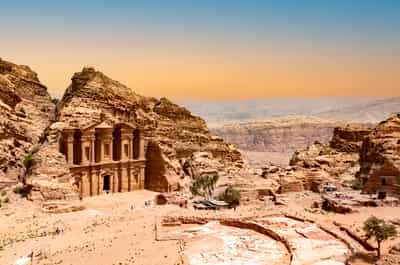
Petra lives up to the hype. Yes, the Treasury reveal through the Siq canyon is spectacular, but this is an entire city carved into pink sandstone, spreading across valleys and up mountainsides for miles. The Nabataeans weren't just artists - they engineered water channels through solid rock that turned desert into a thriving metropolis. Your guide will know exactly when to hit the Treasury for perfect light and which trails dodge the cruise crowds. They'll show you what most visitors miss: ancient water channels along the Siq walls, the best photo angles at the Roman Theatre, hidden spots where Bedouin families serve mint tea with million-dollar views. The Monastery climb (800 steps) becomes manageable when your guide knows every shady rest spot, and they might suggest the backdoor route via Little Petra - less crowded, equally spectacular. The Royal Tombs and High Place of Sacrifice offer payoffs worth the effort, especially with someone explaining what you're actually seeing beyond "old carved rocks." Between the Street of Facades, Collonaded Street, and the Great Temple, you'll understand why this was a city, not just ceremonial tombs. Wadi Musa provides comfortable hotels and restaurants where lamb mansaf and cold beer await after dusty days of exploring. Accept the Bedouin tea offers - the stories that come with them are half the experience.
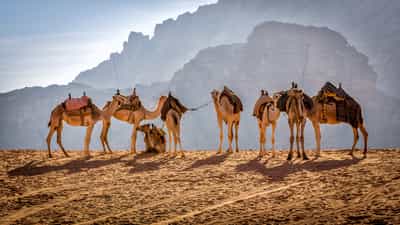
Wadi Rum delivers the Lawrence of Arabia fantasy you didn't know you had - vast red sand valleys punctuated by sandstone towers that look like they've been dropped from another planet (Hollywood agrees - this doubled as Mars in The Martian). After the intensity of Petra, this protected desert offers the perfect counterpoint: silence, space, and skies so clear the Milky Way looks painted on. Your Bedouin hosts have this down to an art - jeep tours that hit the highlights without feeling rushed, scrambles up rock bridges for the brave, ancient petroglyphs hidden in slot canyons that prove people have been getting lost in wonder here for millennia. The real magic happens after sunset when camp life kicks in: zarb (lamb slow-cooked underground), sweet sage tea around the fire, and stories that get better as the night deepens. Whether you've gone basic Bedouin or full glamping with proper beds and bathrooms, sleeping under these stars recalibrates something fundamental. One night gives you a taste, two lets you properly decompress. Your guide will know which dunes offer the best sunset views and where to find shade during the heat of the day. Spring and fall nail the sweet spot between scorching days and freezing nights. Pro tip: bring layers - the temperature drops like a stone when the sun disappears behind those rocks. This isn't about ticking sights off a list but about remembering what silence sounds like and why humans have always been drawn to places that make them feel wonderfully small.
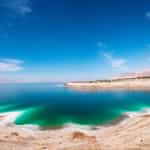
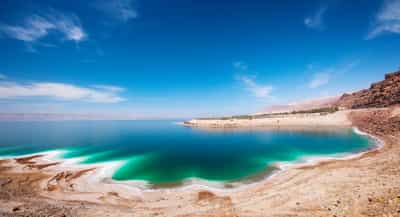
There's something wonderfully absurd about bobbing in water so salty you couldn't sink if you tried, 430 metres below sea level. The Jordanian shores have turned this geological oddity into a spa playground, where five-star resorts line the salt-crusted beaches, peddling mud wraps and mineral treatments that Cleopatra apparently swore by. The experience itself is unlike anything else - you float effortlessly whilst the water stings every tiny cut you forgot you had, then emerge with suspiciously soft skin. The shoreline looks otherworldly, with salt formations and desert hills that glow amber at sunset. Yes, the water's dropping (environmental crisis pending), but for now this remains Earth's strangest spa, where the main activities involve slathering yourself in black mud, floating horizontally, and watching the sun set from the lowest point on the planet. Mount Nebo and Bethany Beyond the Jordan add biblical weight if you need cultural justification for what is essentially nature's most peculiar wellness retreat. Just don't shave beforehand and keep your eyes firmly shut—this is one place where the water genuinely bites back.
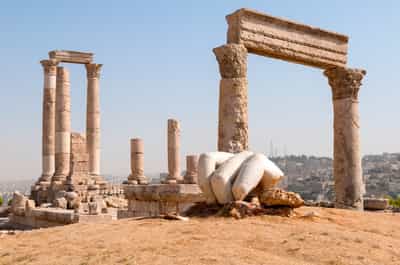
Amman doesn't try to be Dubai or compete with Cairo's chaos - it's too comfortable in its own limestone skin for that. Sprawled across hills that multiply every time you try to count them, this is a city that wears its millennia lightly, where the Citadel's Hercules Temple presides over hipster galleries in Jabal al-Lweibdeh and backgammon clicks provide the soundtrack to downtown's fruit souks. What makes it special isn't the Roman Theatre carved into the hillside (though that's rather good), but how locals navigate this temporal hopscotch daily - grabbing falafel at Hashem's no-frills tables before heading to Rainbow Street's rooftop bars without anyone batting an eyelid. The genius is in the geography: those hills create natural neighbourhoods with distinct personalities - artsy Lweibdeh with its street murals, tree-lined Jabal Amman hiding 1920s villas, downtown's controlled chaos where spice vendors hawk next to gold merchants. Unlike its flashier regional cousins, Amman's modest scale means you can actually walk from a Neolithic site to a third-wave coffee shop, catch the evening call to prayer from a hillside perch, then tuck into mansaf (lamb drowning in fermented yoghurt, and yes, it's better than it sounds) while the city lights flicker below.


Namibrand, Namibia