Travel and Leaisure Worlds Best Awards for number 1 tour operator in the world 2024 and number 2 tour operator in the world 2025
We're one of the World's Best Tour Operators!
Voted No.1 in 2024 and No.2 in 2025 by Travel+Leisure
Destinations

Where to go in Mozambique

A phenomenal blend of dreamboat beaches and islands & next-level safari experiences await when you fly to Mozambique.

Benguerra

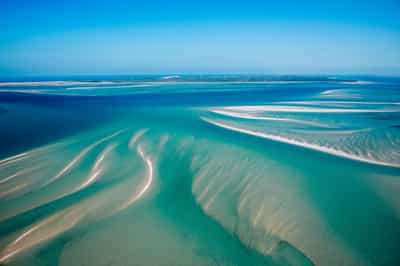
The second largest island in Bazaruto is home to stunning lodges to make all your island dreams come true.
The beautiful Benguerra Island is a tropical gem off the coast of Mozambique. Declared a National Park in 1971, the island is the second largest of the Bazaruto Archipelago and home to Africa's only population of the rare dugong. The island is also rich in wildlife, with over 140 bird species in the forests, wetlands and freshwater lakes in the interior. The warm waters beyond the shore are also brimming with fish and stunning corals. There are activities to keep to having fun for days: Sail a traditional Dhow boat, enjoy a dive in the warm, clear water; snorkel, or take part in an epic deep sea fishing adventure.

Bazaruto

A diving hotspot, a honeymoon haven and wild beach escape, this idyllic archipelago ticks many boxes.
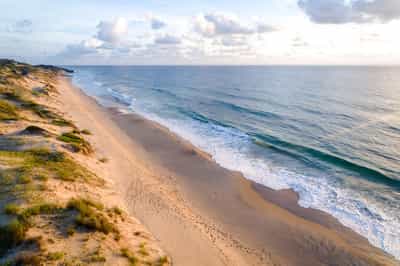
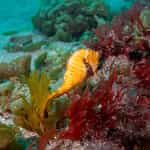
A world-class diving hotspot, a honeymoon haven and wild and spectacular beach getaway – Mozambique’s Bazaruto Archipelago ticks many boxes. Declared a national park in 2000, the archipelago brims with dive sites that are among the best in the world, and rare dugong, seahorses, manta rays and whale sharks are regular visitors. This is the place for first-timers or experienced divers to take the plunge! Explore the long remote beaches, untouched by man for years; visit the charming lodges; and enjoy easy, laid-back island living. Bazaruto is the perfect addition to a southern Africa safari, we think you’ll agree.
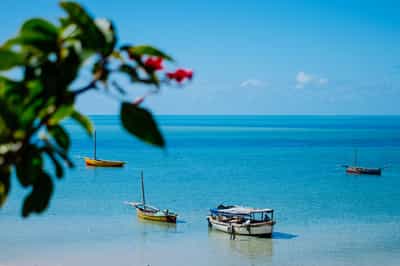
Vilanculos

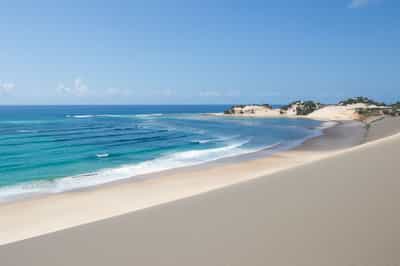
A small tropical town with a laidback lifestyle, traditional seaside charm and sparkling blue seas.
The expression "Africa time" was probably coined in Vilanculos, a tiny, tropical village on Mozambique’s southern Indian Ocean coastline. It’s unapologetically laid-back, things definitely don’t get done on time and it’s the best antidote to big-city life that we could imagine. A lot of people skip through Vilanculos on their way to the Bazaruto Archipelago, but there are excellent reasons to stay put for a while. How about colourful market stalls to explore and friendly restaurants selling fresh crab to nibble on? Maybe a dhow safari through the pristine marine national park, and some damn fine lodges to stay in, spilling out onto the squeaky sand beach? Yes please!

Inhambane

Walk along Tofo’s sweeping beaches, dive amongst manta rays and dugong, and explore the sleepy town.
With more than a millennium of history under its belt, the waterside town of Inhambane is one of the oldest in Mozambique. Part colonial relic, with its jumble of eccentric Portuguese and Arabic architecture; part European seaside resort, thanks to its café-lined streets and Mediterranean climate, the sleepy town is also unmistakably African and totally charming. When you’ve finished wandering the streets, the beautiful bay offers up several surprises, from waters filled with manta rays and rare dugong to secluded sandy beaches and wild coves. On the other side of the peninsula, behind the coconut groves and cashew fields, you’ll find superb diving at honeymoon favourite Barra, and sweeping, story-book beaches at Tofo.

Ponta Do Ouro

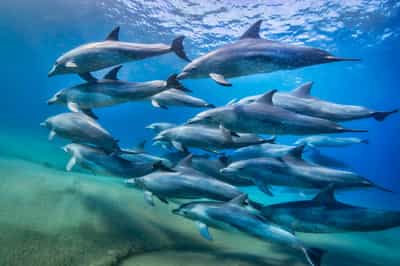
Southern Mozambique’s seaside playground offers wide, white beaches and dolphin-filled waters.
Spend your days snorkelling and surfing, and then dance the night away in the funky town.

Nampula

Every step of the journey is worth it when you arrive in this rugged region, packed full of culture.
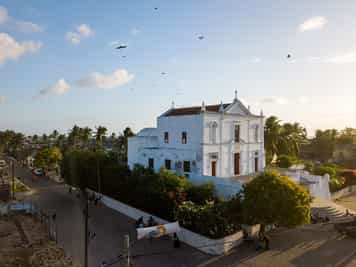
You may never have heard of northern Mozambique’s Nampula Province, but don’t let that deter you from visiting. In fact, we’ve got two very, very good reasons why it should be on your travel list. The first is the scenery. Inland, you’ll find verdant landscapes dotted with koppies and rising mountains. Head to the coast, and you’ll find yourself on a rugged tropical coastline, dotted with traditional fishing villages and a couple of fabulous lodges for the best kind of off-the-beaten-track beach holiday. And our second reason is Ilha de Mozambique. Three kilometres offshore, the island is Mozambique's old capital, and the country's only UNESCO World Heritage Site. It’s a warm, welcoming and sunny sort of place, full of splendid buildings, quirky streets, and children asking the strange visitors for ‘Photo?’. We love it already!

Gorongosa

Enjoy game drives and explore the future of conservation in this fascinating safari destination.
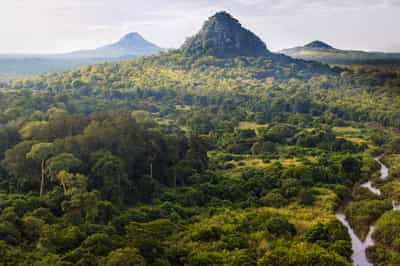
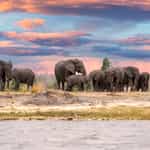
Gorongosa has been through a lot in its relatively short life as a national park. Once one of Africa's finest, with superb populations of predators and herbivores, the sanctuary has been decimated by civil war, recovered, fallen foul of unrest again, and has even been a playground for Hollywood actors. So what’s happening now? Gorongosa is currently undergoing a complete transformation under the auspices of the Carr Foundation, a US not-for-profit organisation, in partnership with the Mozambican Government. Expected to take 20 years to complete, the project is still in its early stages, but Gorongosa already boasts good populations of oribi, waterbuck, warthog, sable, elephant and lion, among others – we can only hope it gets better and better.

Xai Xai

Rustic Mozambique where you’ll spend your days canoeing and exploring hidden forests and beaches.
On the road north through Mozambique, about 100 km past Maputo, the cashew-nut sellers come out in force. Then you’ll see the piri-piri stalls selling hundreds (and hundreds) of bottles of Mozambique’s iconic hot chilli sauce. And then comes Xai Xai. Unless you’re looking for some fuel and a sugary drink, give the town a miss and head straight to the powdery sands of Praia de Xai Xai. This is rustic Mozambique at its best, where charming, ecofriendly hotels overlook wild and wonderful beaches, and the scenery is absurdly breathtaking. Spend your days diving and fishing the deep waters, picking coconuts and bartering with locals for avocados, or simply wander the long beaches, sand between your toes and the wind in your hair.

Maputo

A cultural melting pot with fabulous restaurants and lively bars that are definitely worth a visit.
This sprawling port city is Mozambique's economic centre with a warm and throbbing heart. The city's trade history brought cultures from all the corners of the earth. While the most dominant are the Bantu and Portuguese, there are also Arab, Indian and Chinese footprints. The downtown neighbourhood, Baixa, is lined with jacaranda trees and pretty colonial Portuguese architecture, with its wrought-iron balustrades, is most striking. Beyond, Indian traders sell spices in side streets and fishermen trade in the broad coastal boulevard. Relax in shady street café's by day and live the legendary music bars by night.

Pemba

A pretty, colonial town in the north with a dazzling coastline and a smattering of lovely lodges.
Not to be confused with Pemba island in Tanzania, this Pemba is a small, colonial town in northern Mozambique. The gateway to the Quirimbas Archipelago and Niassa Reserve, it's a regular one-night stopover for travellers, but we think it's worthy of a night or two more... Firstly, the Bay of Pemba is magnificent. One of the deepest natural harbours in the world, it’s lined with cotton-candy sand (Wimbe Beach is the loveliest) and a smattering of beachy, barefoot lodges. The translucent waters are a hotspot for diving, snorkelling and, further afield, big game fishing. And if you need one more reason, a stroll around Paquitequette, the town's colourful Muslim Quarter, provides a peep into traditional Mozambique.

Niassa Reserve

A secluded reserve that offers one the most magical wilderness experiences of the 21st century.
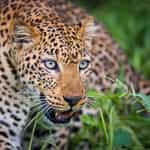
From the Quirimbas Archipelago, it's a mere hop, skip and jump across to the mainland to visit Mozambique’s Niassa Reserve – one of Africa’s largest conservation areas, and one of its best kept secrets. Now, the Serengeti this is not; no antelope hordes stream across the plains, and no big cats lurk around every corner. But that’s not the point of Niassa. A safari here is about discovering endless, untouched landscapes and a feeling of remoteness unlike anywhere else in the world. That’s not to say you won’t add a few ticks to your wildlife list – at the last count, there were 12,000-plus elephant and 6,000 buffalo, plenty of lion, leopard and hunting dog and three intriguing subspecies, the Niassa wildebeest, Boehm’s zebra and Johnston’s impala.
Where To Go
Pin Icon

Namibrand, Namibia