,url-https%3A%2F%2Fassets.waybird.com%2Fcdn-cgi%2Fimage%2Fwidth%3D12%2Cformat%3Dauto%2Fhttps%3A%2F%2Fassets.waybird.com%2Fimages%2Fmap%2Fpin-primary-outlined.png(55.6665485,-4.5833361),url-https%3A%2F%2Fassets.waybird.com%2Fcdn-cgi%2Fimage%2Fwidth%3D12%2Cformat%3Dauto%2Fhttps%3A%2F%2Fassets.waybird.com%2Fimages%2Fmap%2Fpin-primary-outlined.png(55.42877111571698,-4.608901942249005),url-https%3A%2F%2Fassets.waybird.com%2Fcdn-cgi%2Fimage%2Fwidth%3D12%2Cformat%3Dauto%2Fhttps%3A%2F%2Fassets.waybird.com%2Fimages%2Fmap%2Fpin-primary-outlined.png(55.48344066301669,-4.638132931634194),url-https%3A%2F%2Fassets.waybird.com%2Fcdn-cgi%2Fimage%2Fwidth%3D12%2Cformat%3Dauto%2Fhttps%3A%2F%2Fassets.waybird.com%2Fimages%2Fmap%2Fpin-primary-outlined.png(55.50378577178562,-4.662244254884355),url-https%3A%2F%2Fassets.waybird.com%2Fcdn-cgi%2Fimage%2Fwidth%3D12%2Cformat%3Dauto%2Fhttps%3A%2F%2Fassets.waybird.com%2Fimages%2Fmap%2Fpin-primary-outlined.png(55.45122647163469,-4.62132179471918),url-https%3A%2F%2Fassets.waybird.com%2Fcdn-cgi%2Fimage%2Fwidth%3D12%2Cformat%3Dauto%2Fhttps%3A%2F%2Fassets.waybird.com%2Fimages%2Fmap%2Fpin-primary-outlined.png(55.738775821426856,-4.331392574681493),url-https%3A%2F%2Fassets.waybird.com%2Fcdn-cgi%2Fimage%2Fwidth%3D12%2Cformat%3Dauto%2Fhttps%3A%2F%2Fassets.waybird.com%2Fimages%2Fmap%2Fpin-primary-outlined.png(55.524687639062364,-4.7037183767800785),url-https%3A%2F%2Fassets.waybird.com%2Fcdn-cgi%2Fimage%2Fwidth%3D12%2Cformat%3Dauto%2Fhttps%3A%2F%2Fassets.waybird.com%2Fimages%2Fmap%2Fpin-primary-outlined.png(55.82351326578691,-4.356242499722667),url-https%3A%2F%2Fassets.waybird.com%2Fcdn-cgi%2Fimage%2Fwidth%3D12%2Cformat%3Dauto%2Fhttps%3A%2F%2Fassets.waybird.com%2Fimages%2Fmap%2Fpin-primary-outlined.png(55.76292382575705,-4.33514713495598),url-https%3A%2F%2Fassets.waybird.com%2Fcdn-cgi%2Fimage%2Fwidth%3D12%2Cformat%3Dauto%2Fhttps%3A%2F%2Fassets.waybird.com%2Fimages%2Fmap%2Fpin-primary-outlined.png(55.75124257275729,-4.318620758772463),url-https%3A%2F%2Fassets.waybird.com%2Fcdn-cgi%2Fimage%2Fwidth%3D12%2Cformat%3Dauto%2Fhttps%3A%2F%2Fassets.waybird.com%2Fimages%2Fmap%2Fpin-primary-outlined.png(55.729229276368194,-4.31963051766101),url-https%3A%2F%2Fassets.waybird.com%2Fcdn-cgi%2Fimage%2Fwidth%3D12%2Cformat%3Dauto%2Fhttps%3A%2F%2Fassets.waybird.com%2Fimages%2Fmap%2Fpin-primary-outlined.png(55.4543355108641,-4.632724785799772),url-https%3A%2F%2Fassets.waybird.com%2Fcdn-cgi%2Fimage%2Fwidth%3D12%2Cformat%3Dauto%2Fhttps%3A%2F%2Fassets.waybird.com%2Fimages%2Fmap%2Fpin-primary-outlined.png(55.462655,-4.752571),url-https%3A%2F%2Fassets.waybird.com%2Fcdn-cgi%2Fimage%2Fwidth%3D12%2Cformat%3Dauto%2Fhttps%3A%2F%2Fassets.waybird.com%2Fimages%2Fmap%2Fpin-primary-outlined.png(55.485646,-4.773094),url-https%3A%2F%2Fassets.waybird.com%2Fcdn-cgi%2Fimage%2Fwidth%3D12%2Cformat%3Dauto%2Fhttps%3A%2F%2Fassets.waybird.com%2Fimages%2Fmap%2Fpin-primary-outlined.png(55.695966,-4.288893),url-https%3A%2F%2Fassets.waybird.com%2Fcdn-cgi%2Fimage%2Fwidth%3D12%2Cformat%3Dauto%2Fhttps%3A%2F%2Fassets.waybird.com%2Fimages%2Fmap%2Fpin-primary-outlined.png(55.44429359546752,-4.655274783025037),url-https%3A%2F%2Fassets.waybird.com%2Fcdn-cgi%2Fimage%2Fwidth%3D12%2Cformat%3Dauto%2Fhttps%3A%2F%2Fassets.waybird.com%2Fimages%2Fmap%2Fpin-primary-outlined.png(55.50856493622953,-4.6197756340006695),url-https%3A%2F%2Fassets.waybird.com%2Fcdn-cgi%2Fimage%2Fwidth%3D12%2Cformat%3Dauto%2Fhttps%3A%2F%2Fassets.waybird.com%2Fimages%2Fmap%2Fpin-primary-outlined.png(55.82814786242885,-4.358467598585776),url-https%3A%2F%2Fassets.waybird.com%2Fcdn-cgi%2Fimage%2Fwidth%3D12%2Cformat%3Dauto%2Fhttps%3A%2F%2Fassets.waybird.com%2Fimages%2Fmap%2Fpin-primary-outlined.png(55.45174444413116,-4.6215929355251255),url-https%3A%2F%2Fassets.waybird.com%2Fcdn-cgi%2Fimage%2Fwidth%3D12%2Cformat%3Dauto%2Fhttps%3A%2F%2Fassets.waybird.com%2Fimages%2Fmap%2Fpin-primary-outlined.png(55.74009546690281,-4.332023766602092),url-https%3A%2F%2Fassets.waybird.com%2Fcdn-cgi%2Fimage%2Fwidth%3D12%2Cformat%3Dauto%2Fhttps%3A%2F%2Fassets.waybird.com%2Fimages%2Fmap%2Fpin-primary-outlined.png(55.75008576443577,-4.302910441315643),url-https%3A%2F%2Fassets.waybird.com%2Fcdn-cgi%2Fimage%2Fwidth%3D12%2Cformat%3Dauto%2Fhttps%3A%2F%2Fassets.waybird.com%2Fimages%2Fmap%2Fpin-primary-outlined.png(55.83864087249121,-4.361025173333376),url-https%3A%2F%2Fassets.waybird.com%2Fcdn-cgi%2Fimage%2Fwidth%3D12%2Cformat%3Dauto%2Fhttps%3A%2F%2Fassets.waybird.com%2Fimages%2Fmap%2Fpin-primary-outlined.png(55.47671914727886,-4.638801264843499)/auto/600x400?access_token=pk.eyJ1IjoidGltYnVrdHV0cmF2ZWwiLCJhIjoiY2poMGw1eHpkMmRkbDJ6bW8xYWZ5OGpjYyJ9.PYvAO7lUJ40SOpGvwmQLqw&attribution=false&logo=false)

Planning Guides
Top Kenya honeymoons
Top notch romance from Matthew’s Range to the Masai Mara
Seychelles
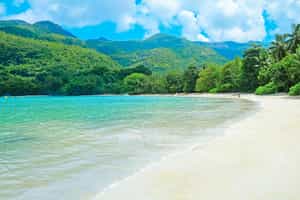
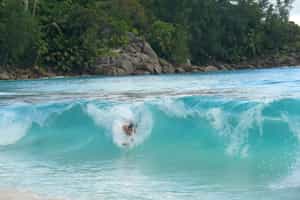
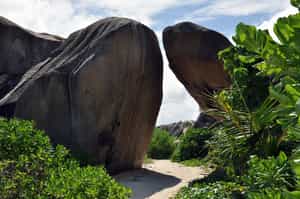
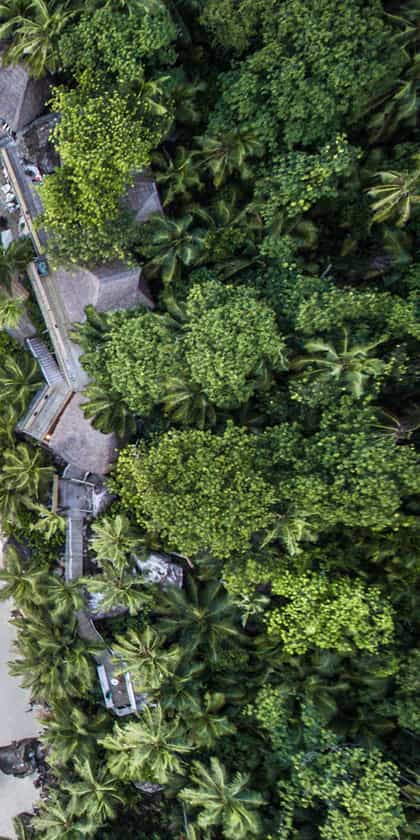
Hop between Seychelles’ islands and bask on beaches that redefine paradise.

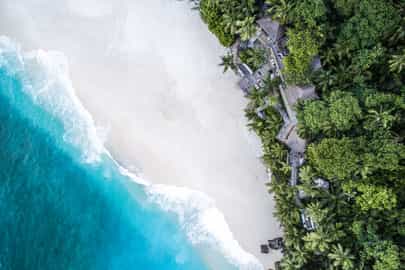
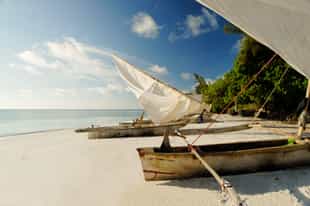
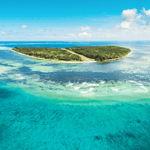
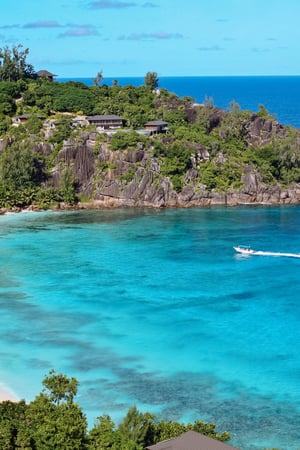
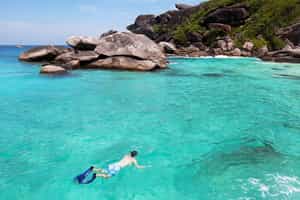
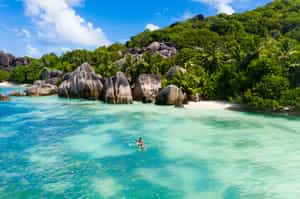
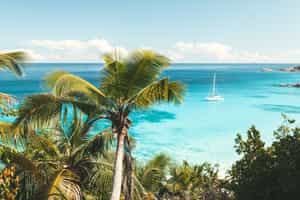
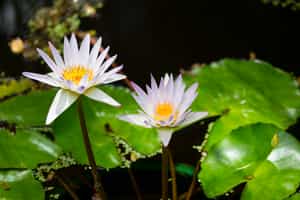
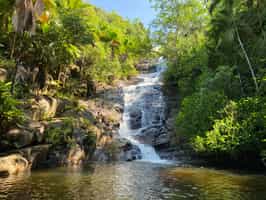
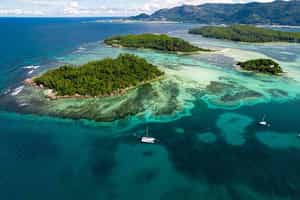
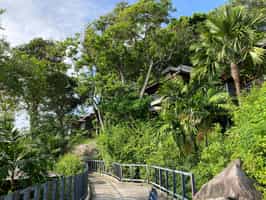
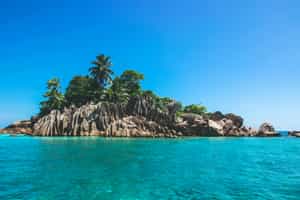
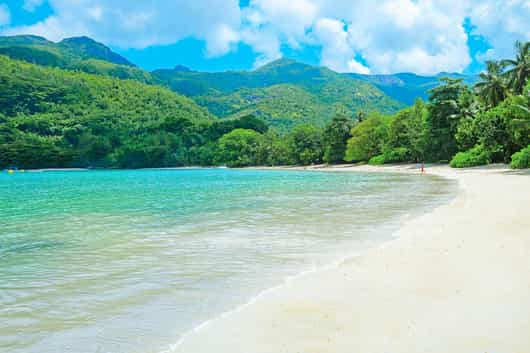
With more than 115 tiny white islands glistening like pearls in the brilliant-turquoise Indian Ocean, the Seychelles brings a whole new meaning to the word "idyllic". The main islands Mahé and Praslin may offer high-octane glamour alongside endlessly perfect beaches, but the archipelago offers far more than first meets the eye. For back-to-nature experiences, try Fregate Island with its shuffling jumbo tortoises, Desroches to admire profusions of wild and colourful orchids or La Digue to spot the aptly named paradise fly-catcher. So, whether you’re looking for a sunlounger and a cocktail on the hour, every hour, or a Robinson Crusoe escapade, a Seychelles holiday should definitely be on your list.

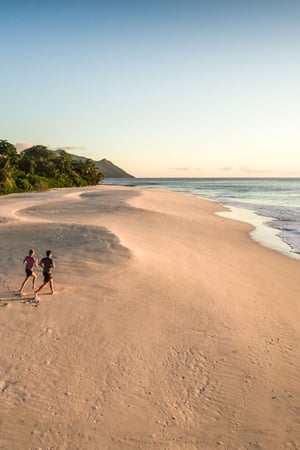
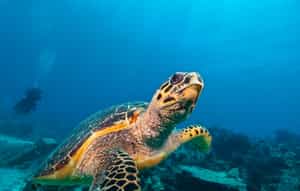
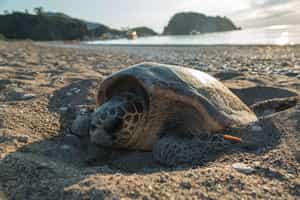
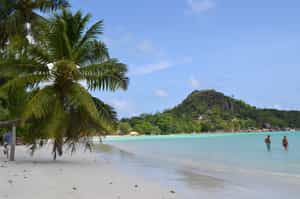
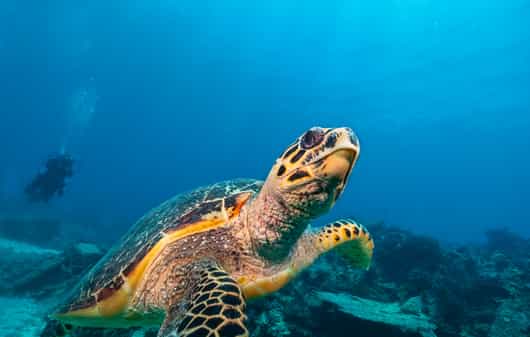
Powdery white beaches? Check. Shimmering azure waters? Check. But what makes the Seychelles really stand out is the archipelago's fascinating flora and fauna. Explore the remarkable nature reserves, both on land and in the ocean (from which turtles emerge to lay their eggs, and the multicoloured reefs swirl with fish).

If you fancy a spot of rustic island living and a pace of life as slow as one of the resident tortoises, then head to Bird Island, the Seychelles' most remote atoll. As its name implies, the island is a haven for some of the most gloriously beautiful birds in the world too.

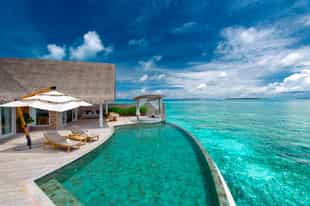
The Seychelles has a deserved reputation for being one of the glitziest destinations in the world, with some of the most exclusive private islands ready to be lounged upon – but accommodation here does come with a matching price tag!
Start with a recommended trip or create one from scratch
Get advice and suggestions to make this your perfect trip.
or call us on: +1 (646) 542 0667
With dozens of Seychelles islands to choose from, it really depends on exactly what you’re looking for – a slick-as-a-whistle holiday, a nature-focused escape or something in between?
Located just south of the equator, the tropical islands of the Seychelles enjoy blissful temperatures pretty much 365 days of the year. Most of the islands miss out on those pesky tropical storms and cyclones (apart from the southernmost islands), and the whole area is malaria-free so no worries over medication either. But that’s not to say there isn’t some fluctuation in the weather! November to March is the wettest period in the Seychelles; think afternoon downpours and slightly higher temperatures. Afternoon downpours aren’t uncommon but there are also beautiful dry days too. April is the calmest month and then comes the winter ‘dry’ season from May to October. Travel now for picture-perfect days and balmy temperatures that hover around the 27-degree mark.

Wet Season — a good time to visit
Wet Season — a quieter time to visit
Wet Season — a good time to visit
Dry Season — one of the best times to visit
Dry Season — one of the best times to visit
Dry Season — a good time to visit
Dry Season — a good time to visit
Dry Season — a good time to visit
Dry Season — a good time to visit
Dry Season — one of the best times to visit
Wet Season — one of the best times to visit
Wet Season — a good time to visit

Seychelles has one international airport: Seychelles International Airport (SEZ), situated on the Island of Mahé near the capital city of Victoria. International flights We would recommend booking your flights online in order to get the best rates. If you need any help or advice please let us know. Domestic flights and transfers Connecting between all the locations on your trip may necessitate a variety of modes: light aircraft charters, domestic commercial flights and road transfers. Please review the inclusions and exclusions on your specific trip page for details. If you need help understanding the best flights to book, please let us know. From the moment that you land in Seychelles you will be greeted and assisted to your onward connections. You will be looked after from that point on until you are transferred back to the airport in time for your departure flight.
Please consult your personal physician and/or a travel clinic preferably 6 weeks prior to your departure. Vaccine requirements vary based on your country of origin and your travel itinerary and your previous vaccination history. It is best to consult with your physician or the CDC website for guidelines. The Seychelles is free of tropical diseases such as malaria, bilharzia, typhoid and dysentery. Currently, no vaccinations are necessary. However, you will not be allowed to enter Seychelles if you have visited Guinea, Liberia, Sierra Leone, Mali or the Democratic Republic of Congo within 21 days of the date of your arrival. As requirements change frequently, please consult the embassy or consultant in your home country to confirm the conditions. Yellow Fever There is no risk of Yellow Fever in Seychelles; however, vaccination is required for travellers who are arriving from, or have transited through, countries with risk of Yellow Fever transmission (e.g. Kenya, Uganda, Rwanda or elsewhere worldwide). This requirement can change unexpectedly, therefore, we recommend carrying a Yellow Fever card with you at all times. Communication Seychelles country code: +248 Calling overseas from Seychelles: From a landline dial 00 followed by the country code plus area code and number. e.g. USA: 00 1 910 795 1048 When calling from a cell phone dial + prefix followed by the country code plus area code and number. e.g. USA: + 1 910 795 1048
Money The local currency is the Seychelles Rupee (SCR), made up of 100 Cents. Visitors can either use Rupees or foreign currency (e.g. USD, GBP, EUR) for payments. MasterCard, Visa and American Express are all widely accepted throughout the Seychelles. IMPORTANT: When bringing foreign currency into the country, it needs to be no older than 2013 and free of damage, writing or ink stain. All banks handle Travellers Cheques and foreign exchange transactions. Passports are required for all transactions and nominal commissions may be charged. Gratuities A 10% service charge is added to the bill at most resorts, hotels and restaurants so tipping isn’t usually expected or required, but always appreciated. If you do choose to tip, US dollars or the local currency is best. As a suggestion, tour guides are often given approximately $10 per guest per day and a suggested amount for housekeeping staff is $2 per guest per day.
Insurance It is a condition of booking that you carry the correct comprehensive travel and medical insurance to cover yourself, as well as any dependents/travelling companions for the duration of your trip. This insurance should include cover in respect of, but not limited to, the following eventualities: Compulsory Insurance: a. Emergency evacuation expenses b. Medical expenses c. Repatriation expenses Recommended Insurance: a. Cancellation or curtailment of trip b. Damage/theft/loss of personal luggage, money and goods
As a general precaution, we recommend you make several copies of your travel-related documents (passport, traveller’s cheques, credit cards, itinerary, airline tickets, insurance cover, visas, etc). Leave one set at home, and bring another set with you, and place it in a location separate from your originals. Currently, Seychelles is a visa-free country meaning that there are no visa requirements for any person wishing to travel to this country. However, it is to be noted that although a visa is not required prior to entering Seychelles for any nationals, they should nevertheless have in their possession a valid passport, return or onward ticket, proof of accommodation and sufficient funds. As Visa requirements can change, please consult this website for further information: http://www.mfa.gov.sc. Visa Central is also a good resource.
Climate The islands enjoy a pleasant tropical climate year-round and, as it is situated outside the cyclone belt, there are no extremes of weather. The temperature seldom drops below 24°C or rises above 33°C. Globally changing climatic conditions make it difficult to predict exact weather patterns. From October to March the islands are affected by the northwest trade winds. This is when the sea is generally calm with warm tropical water. From May to September, the weather is generally drier and cooler, with choppy seas, particularly on the south-eastern coast, which is when the southeast trade winds occur. The wettest months are December and January. Dress Code Conservative/casual clothing is acceptable in the bigger towns in Seychelles, however on the beaches at the coast, it is perfectly fine to wear shorts and shirts or beach wear. Generally speaking, light layers of clothing are the best items to bring with you, as well as a warmer jacket or fleece for the cooler evenings. A hat is also a must have! What to Pack Preparation and packing for any holiday is important but never more so than when you visit remote areas in Africa. Once on safari you will find it very hard to pick up that odd item you thought your partner had packed! What follows is by no means an exhaustive list but is designed to point you in the right direction. • Layers - long and short sleeve shirts and trousers • A warm fleece or jumper • A lightweight waterproof jacket • Comfortable but sturdy shoes • Flip-flops • Swimming costume (Bathing suit) • A hat or baseball cap • Sunglasses • Sunscreen – a must! • Toiletries – most accommodations will provide shampoo, shower gel and soap • A small torch • Spare batteries, plug adaptors and charging equipment • A good pair of Binoculars (8x40/8x42 is recommended) • Dive card and log book (if applicable) • Books or a fully loaded Kindle / iPad for siesta time Most camps and lodges will have a small medical and first aid kit, but we recommend bringing your own supply of essentials - cough medicine, plasters, vitamins, aspirin and paracetamol, and anything else you use on a regular basis. Camera Equipment (for the enthusiasts) • A telephoto lens (200/300mm) • Flash and fast film (400 ASA) for night photography • Lots of film (64,100,200,400 ASA) if using an SLR camera • Spare memory cards for digital cameras • Camera cleaning equipment and a good dust proof bag • Bring spare batteries as although you may recharge your batteries at the camps, charging capacity can be limited Luggage Please check with your airlines for the specific luggage restrictions relevant to your flight schedule. Many international airlines have a baggage allowance of 20kgs or more per person and commercial airlines generally permit two (2) pieces of checked luggage per person. The carry-on bag must be of such dimensions and weight as set by the airlines. Electricity Electrical appliances run on 220V/240V. The Seychelles uses the British standard square 3-pin 13 amp plug. You can use your electric appliances in Seychelles, if the standard voltage in your country is in between 220 - 240 V (as is in the UK, Europe, Australia and most of Asia and Africa). If the standard voltage in your country is in the range of 100 V - 127 V (as is in the US, Canada and most South American countries), you will need a voltage converter in Seychelles.
We’re big believers in leaving a positive impact in the countries in which we operate. We’re proud to donate $50 for every booking to projects focusing on female empowerment, tech education, conservation, and so much more.
Our dream is to empower our guests to travel with a purpose.
So far, we’ve donated $107,000 to projects across the globe.


Why travel with Timbuktu?

We've been crafting one-of-a-kind journeys since 2014 — over 2,500 trips across 40+ countries, each one built from scratch around your interests and dreams.

Our team only recommends places they've slept in, eaten in, and happily keep going back to. Condé Nast Traveler named 11 of them Top Travel Specialists in 2026, and Travel+Leisure made three A-List Advisors.

Travel+Leisure's readers voted us the World's No.1 Tour Operator in 2024 and No.2 in 2025 — the travel industry's biggest readers' award, judged by people who actually travel.

$50 from every booking goes to female empowerment, tech education, and conservation projects across the countries we love. We have donated $78,000 so far – and it's going up!

Your travel specialist is with you the whole way, dreaming up the trip, building the itinerary, checking you in, and answering the 2am question from the other side of the world..

We are rated 4.9 out of 5 from 1007 verified Feefo reviews. And these are the words of people who actually went, not us talking about ourselves.
11 Condé Nast Traveler Top Travel Specialists 2026

No. 1 & No. 2 Tour Operator in Travel + Leisure's Best Awards 2024 & 2025

Best Booking Platform in Women's Health Travel Awards 2025

Travel Specialist voted as Latin America A-List Travel Advisor 2025

"Timbuktu can take relatively complex and slightly amorphous travel plans and transform them into a well-organized, perfectly tailored trip."