
/31.98321,-21.458188,6/600x400?access_token=pk.eyJ1IjoidGltYnVrdHV0cmF2ZWwiLCJhIjoiY2poMGw1eHpkMmRkbDJ6bW8xYWZ5OGpjYyJ9.PYvAO7lUJ40SOpGvwmQLqw&attribution=false&logo=false)
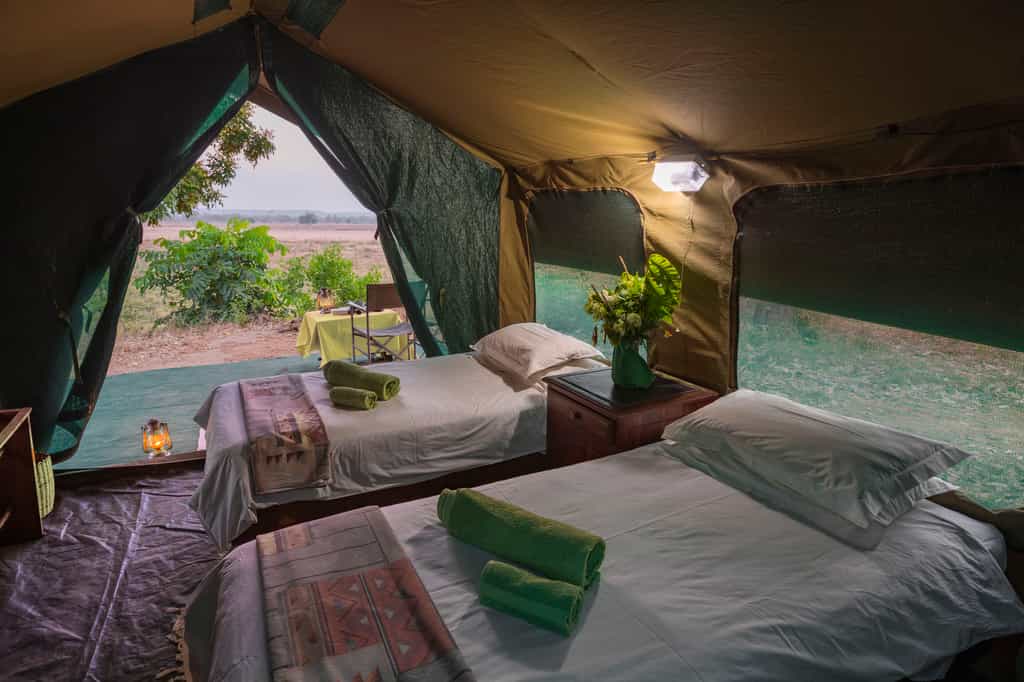
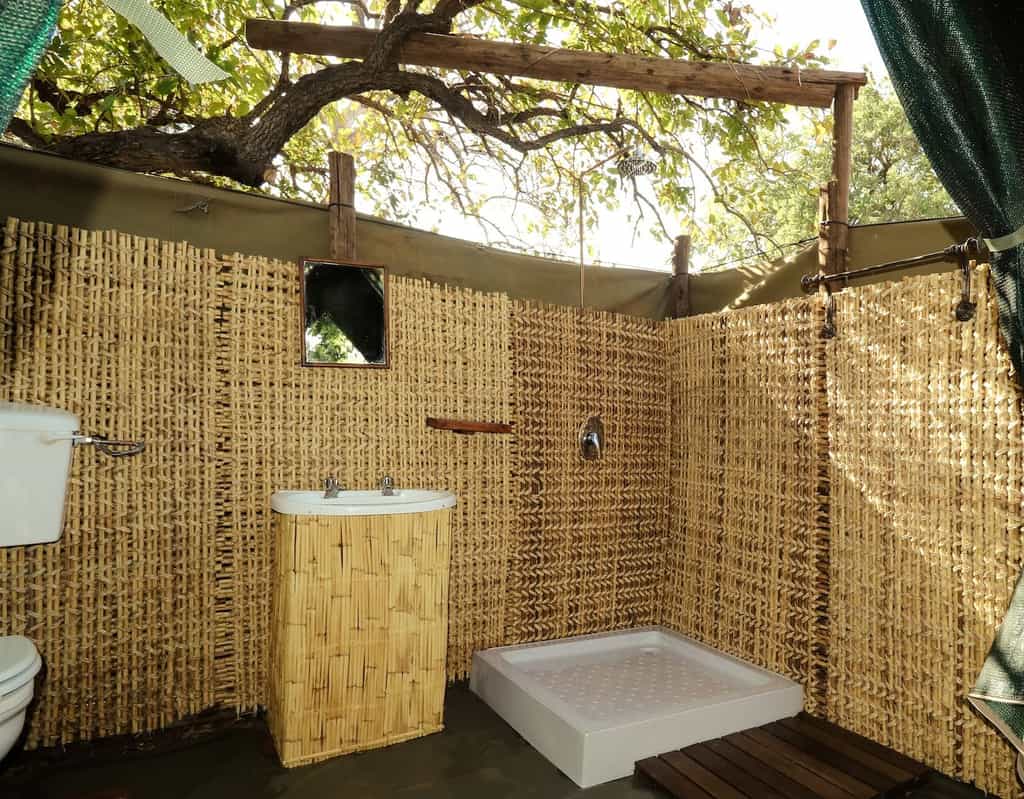
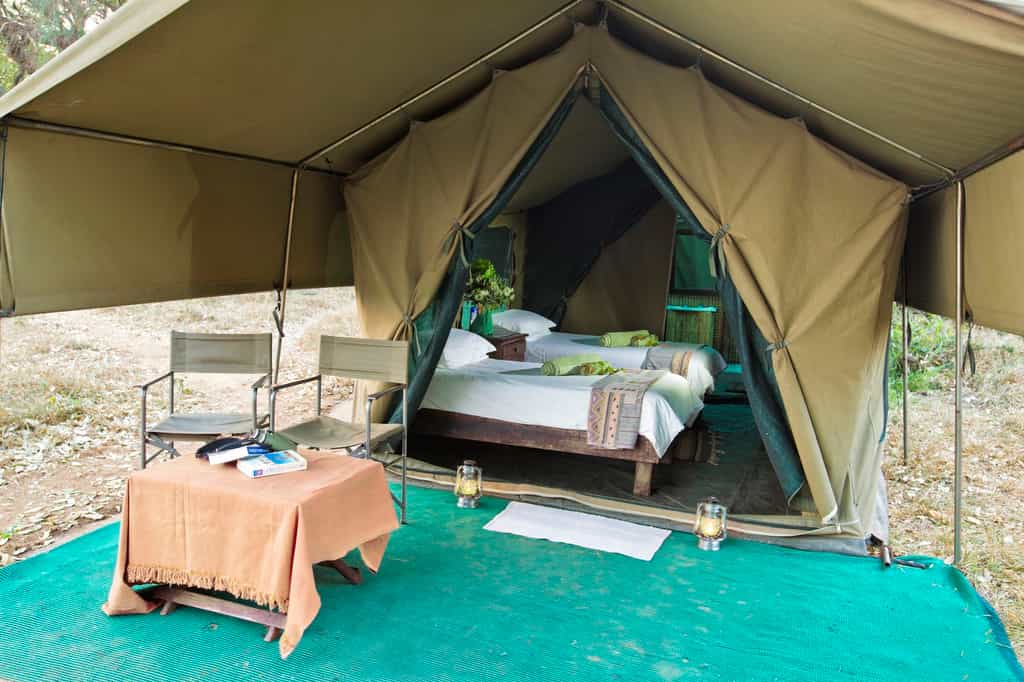
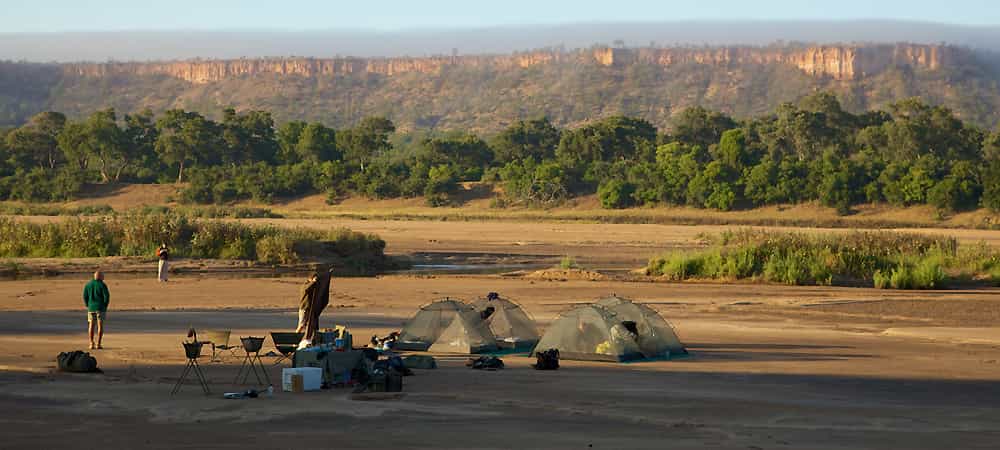
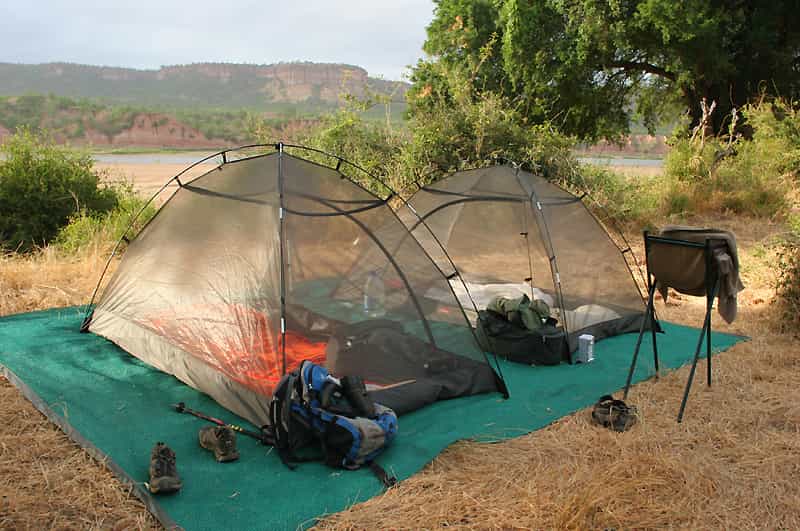
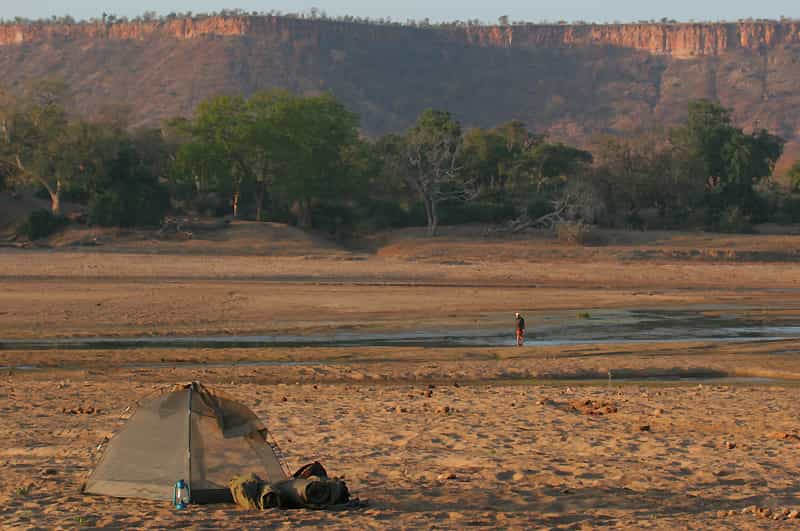
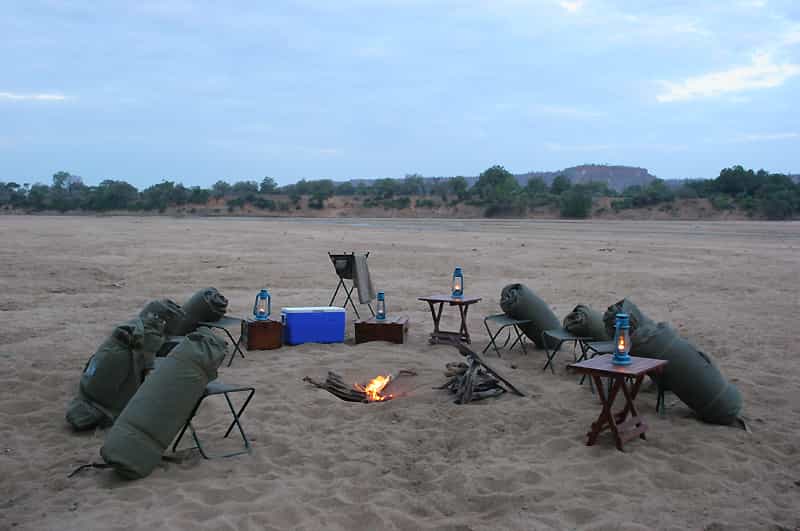
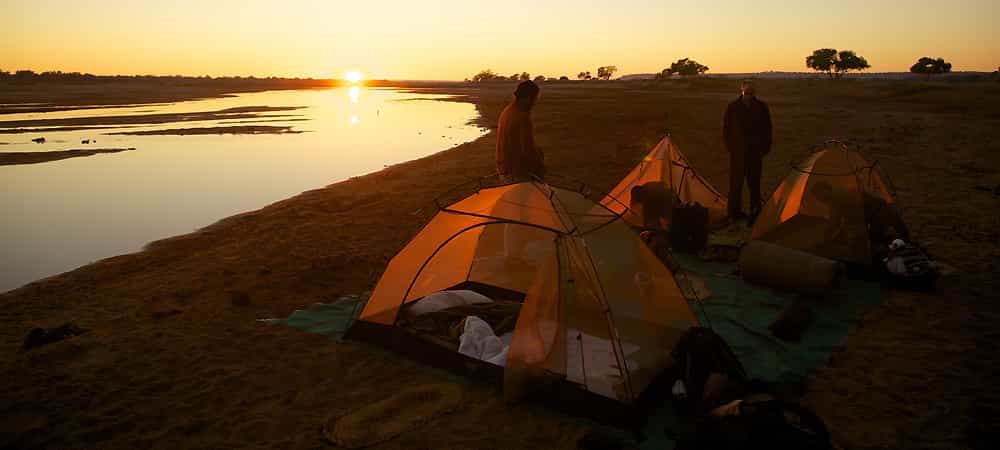
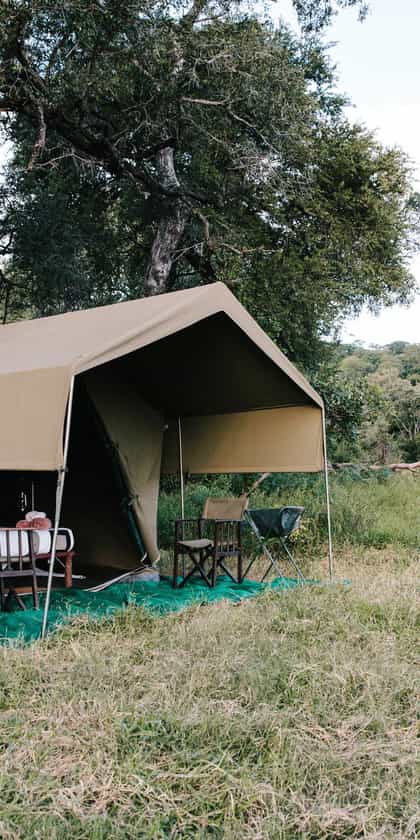
Fly camps use tight mesh netted dome tents, making a sealed cocoon which keeps out any crawlies that might disturb your snooze. The green mesh makes the tents virtually transparent at night, so once you’re snugly in bed you’ll have a front row view into the centre of the universe. Beds consist of comfortable bedrolls with 100% cotton linen, duvets and feather pillows. Ablution facilities are a simple affair, and either consist of bathing in the river or having a bucket shower. Loos are shared short drops.
Start with a recommended trip or create one from scratch
Chilojo Bush Camp can be booked with Timbuktu as part of a tailor-made Zimbabwe trip, rather than as a standalone room reservation. Start online, customising one of our recommended Zimbabwe trips featuring Chilojo Bush Camp or get advice and suggestions from one of our Zimbabwe specialists who will design the trip around your dates, check availability and handle every booking for you.
Stays at Chilojo Bush Camp start from around $1.8K, or US$1.8K, per person per night as part of a tailor-made trip. The exact price depends on your travel dates, room type and the shape of the rest of your itinerary. A Timbuktu travel specialist can give you an accurate quote for your dates.
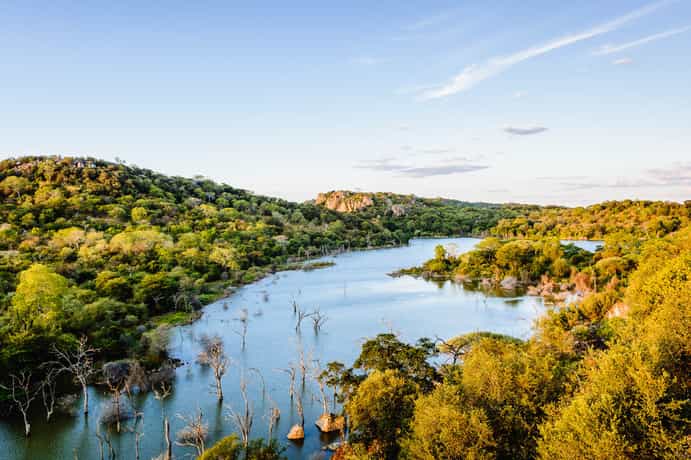
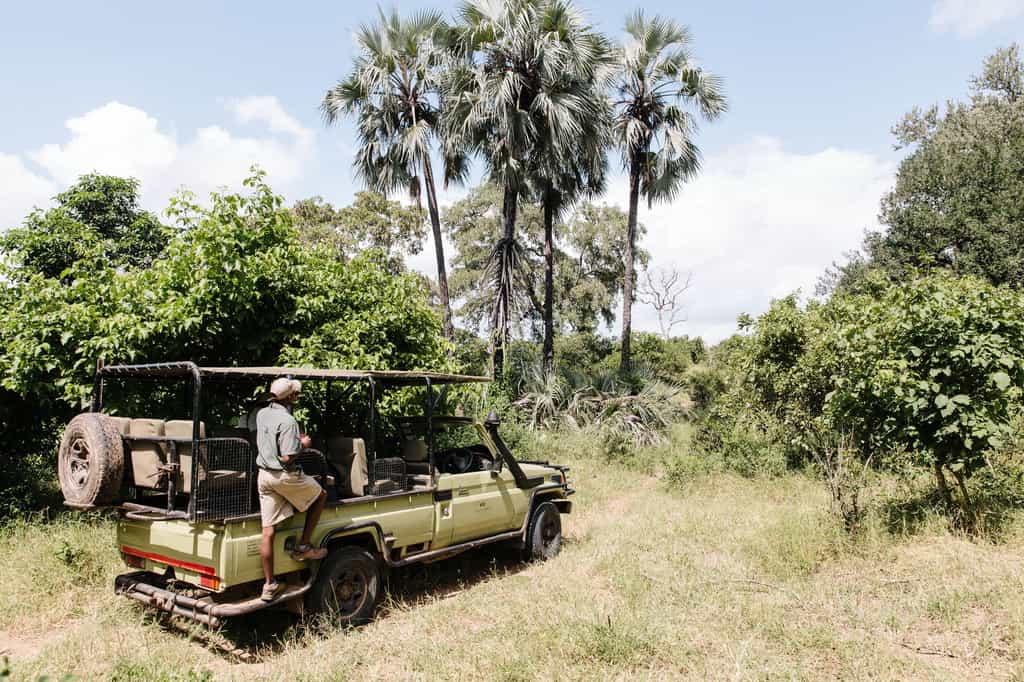
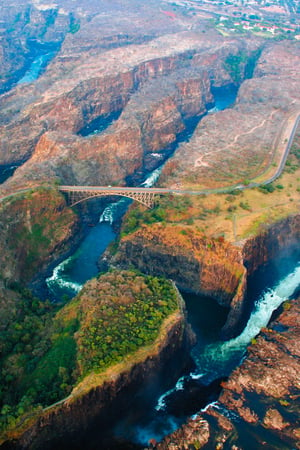
An undeveloped wilderness where conservation is alive and well and game viewing is pretty good too.