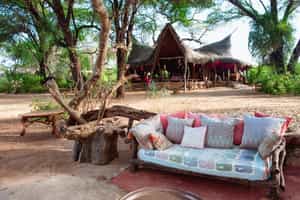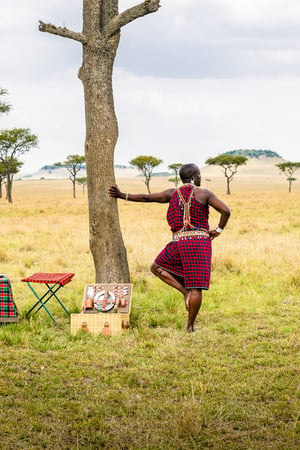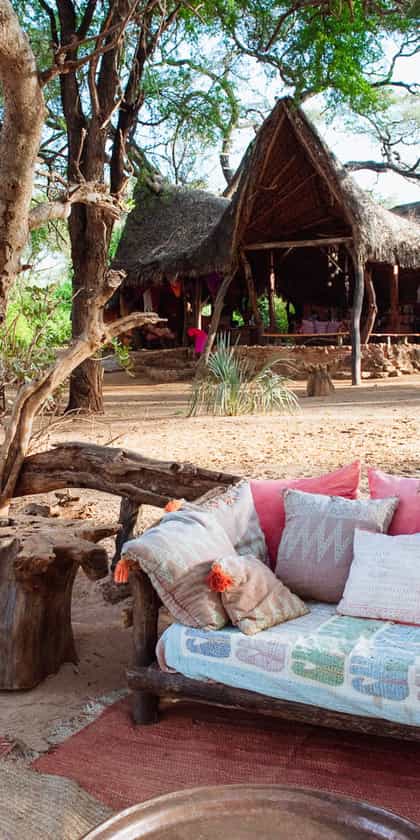

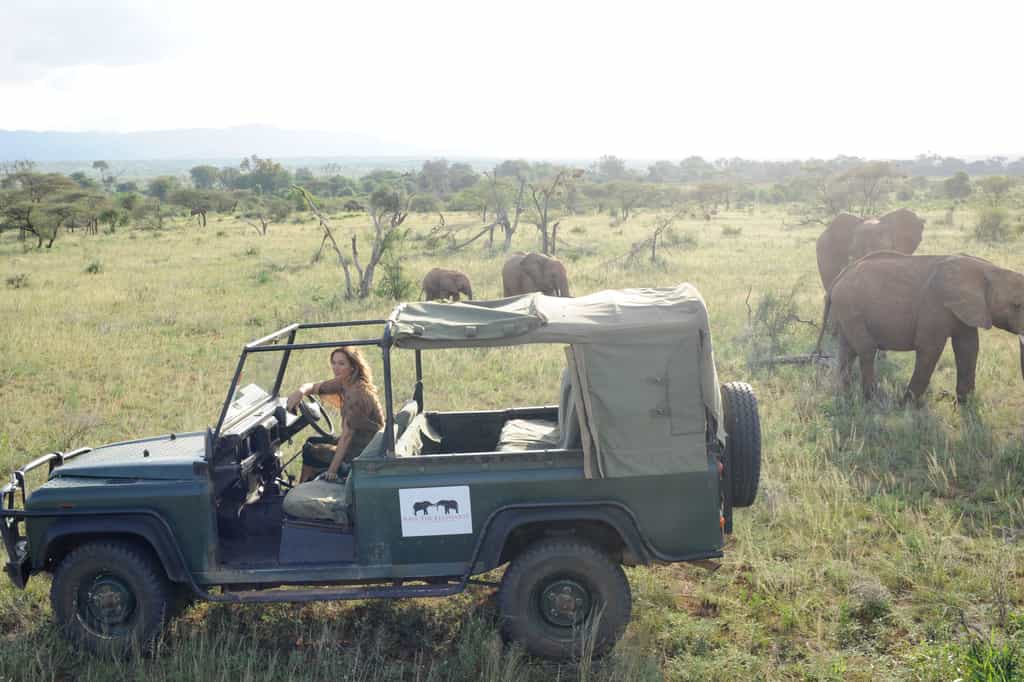
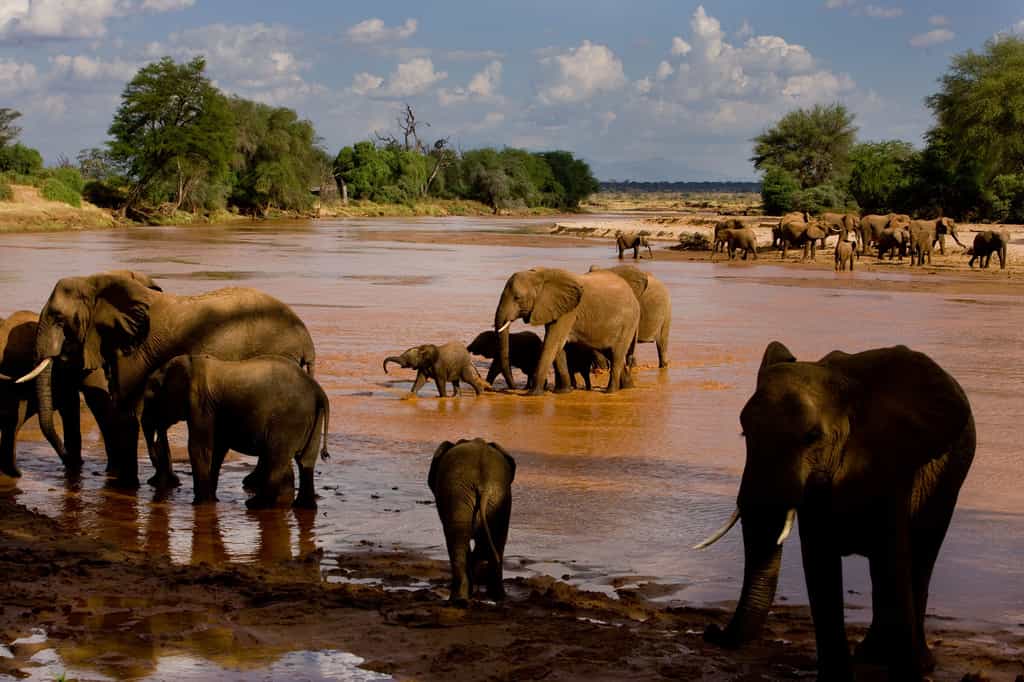
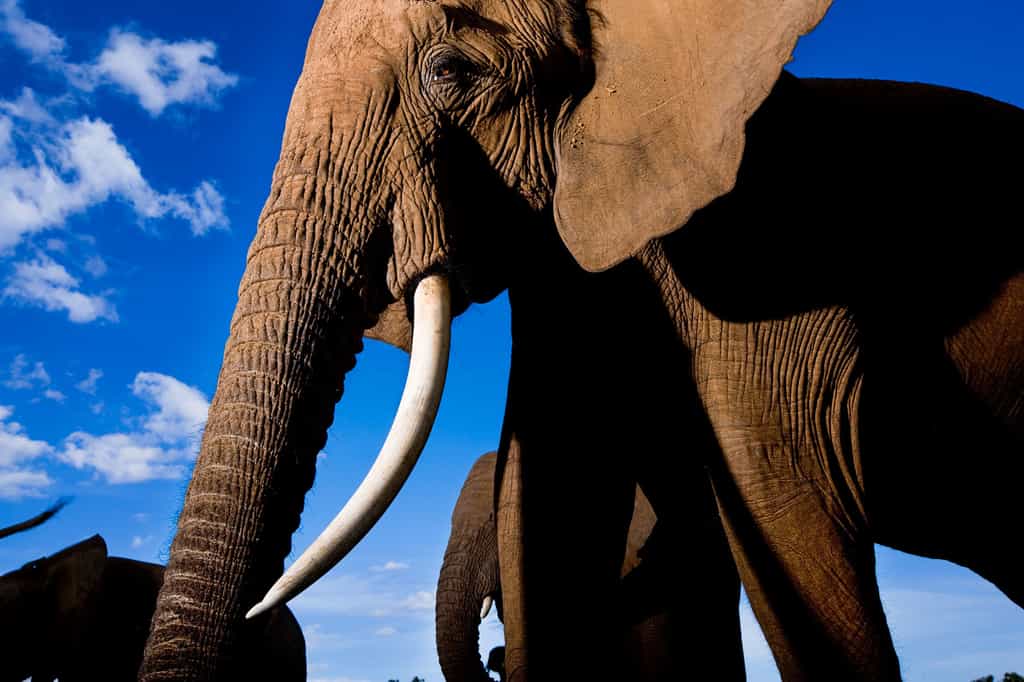
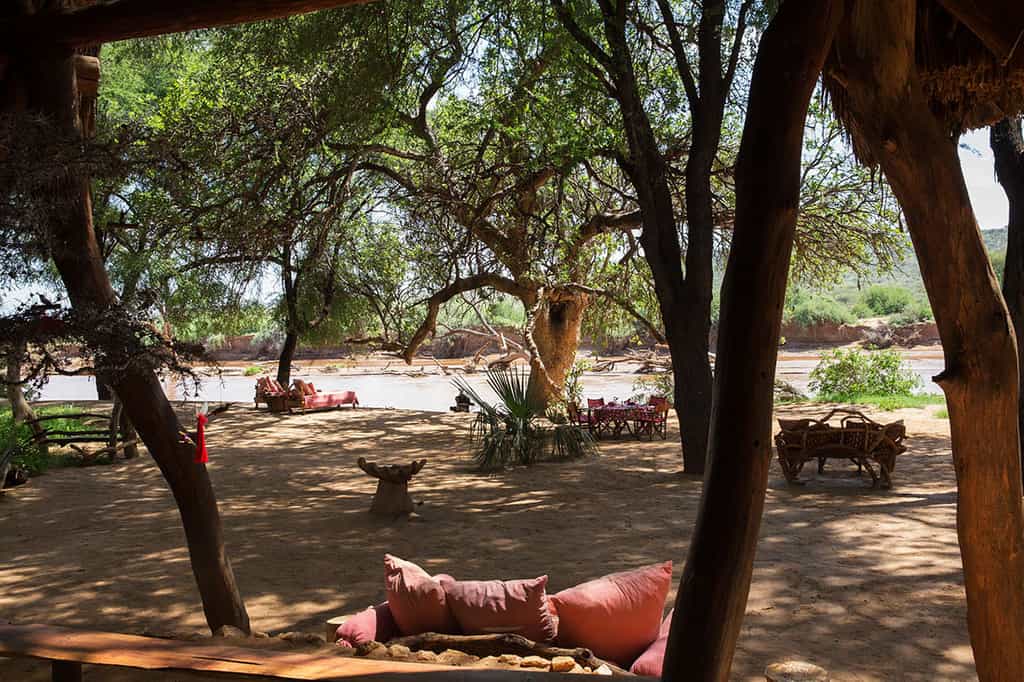
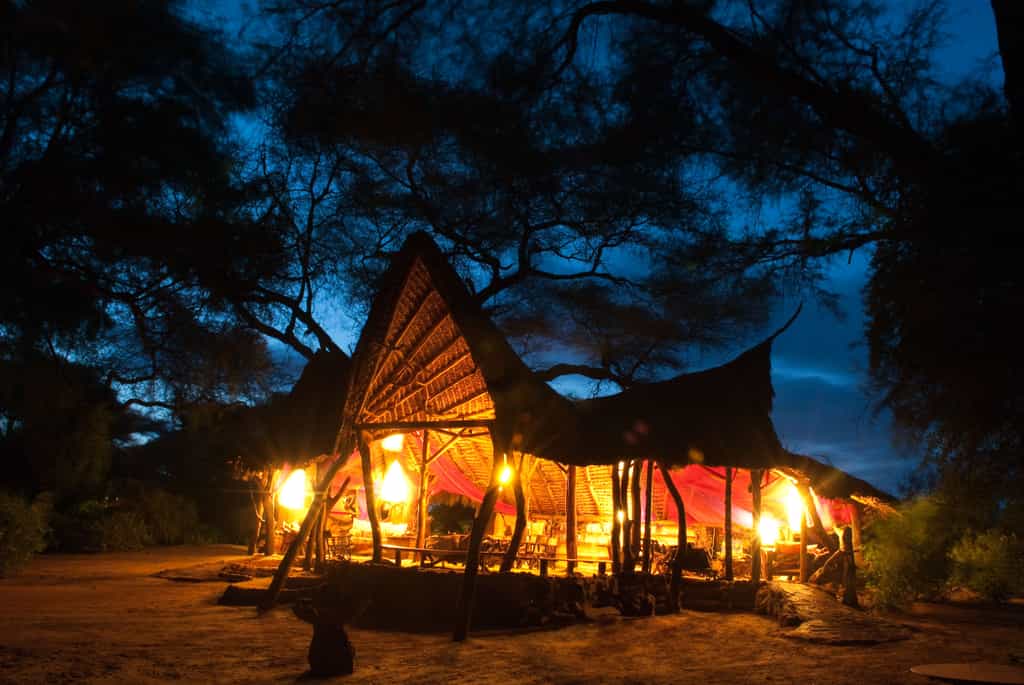
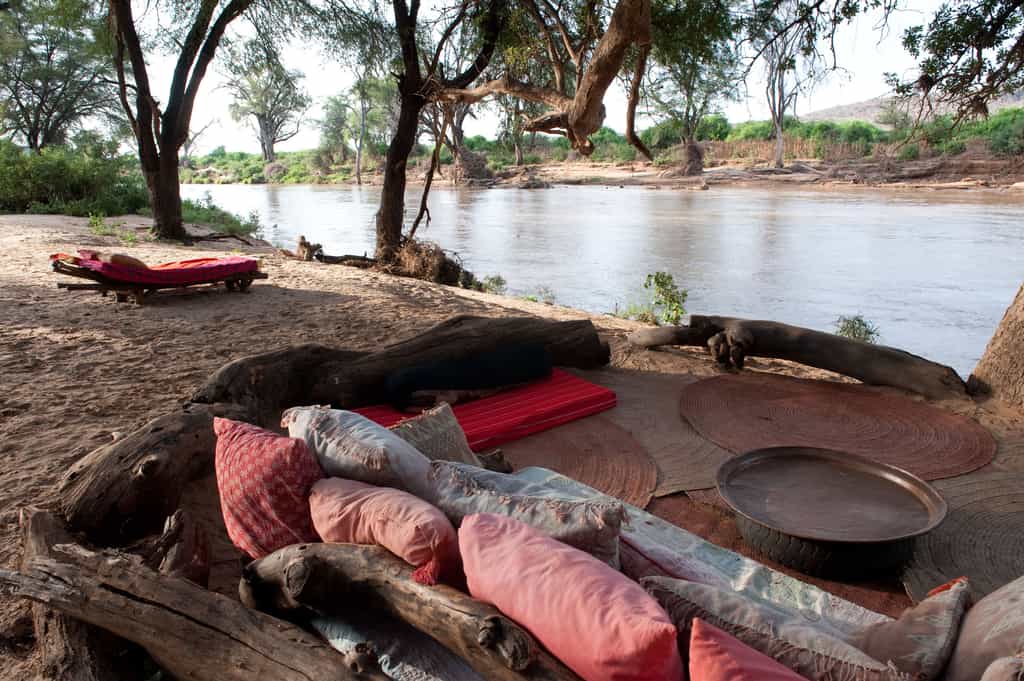
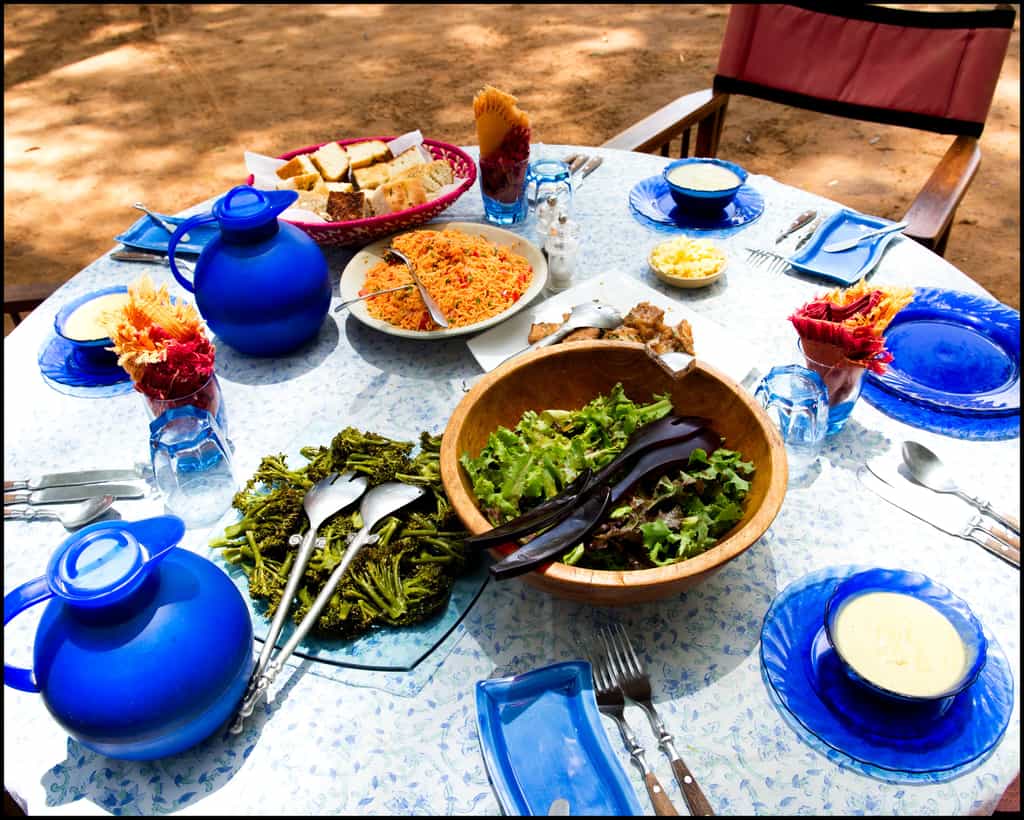
Stay in luxurious, imaginatively furnished netted tents at eco-friendly Elephant Watch Camp. Set in the Samburu National Reserve in northern Kenya, the camp is small but perfect, with not a single fence to separate you from the animals that live here. Watch and listen to an elephant scooping nutritious Acacia tortilis seeds from your roof. (You're quite safe, so simply enjoy the experience.) Then wake in the morning to birdcalls, step outdoors to explore the camp, satisfy your appetite with five-star meals and tread softly with your Samburu guide as you discover the wildlife and learn the ways of the bush.
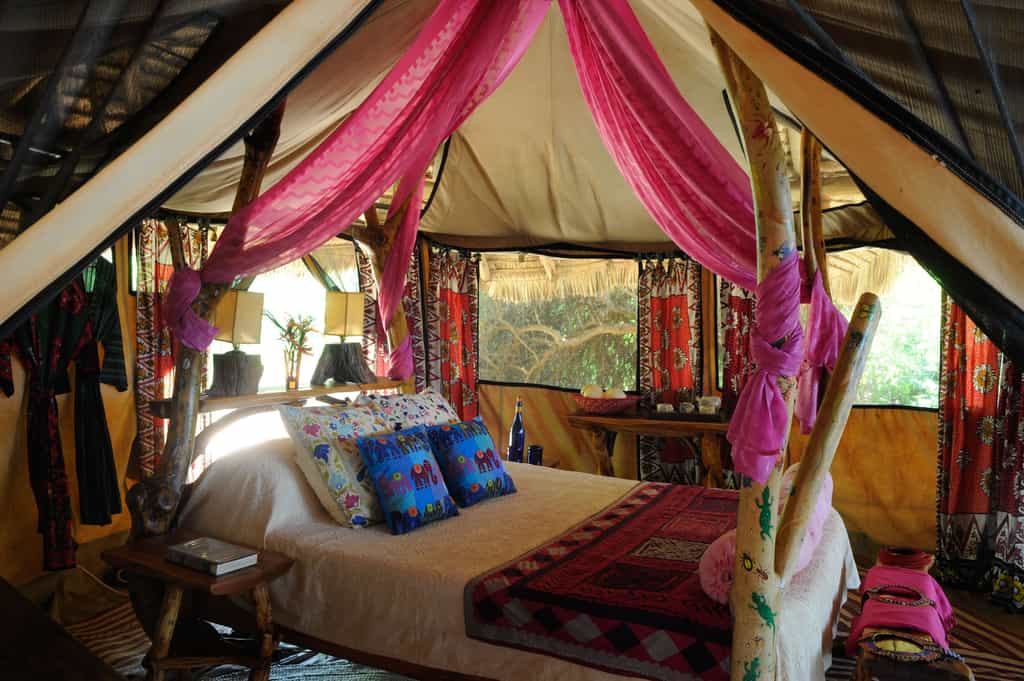
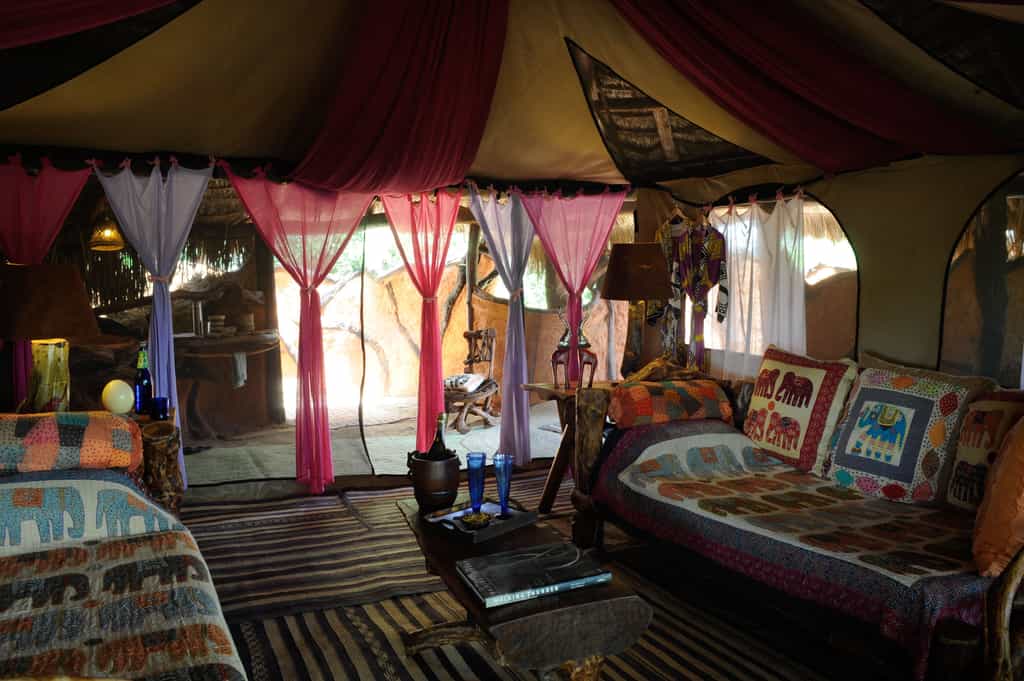
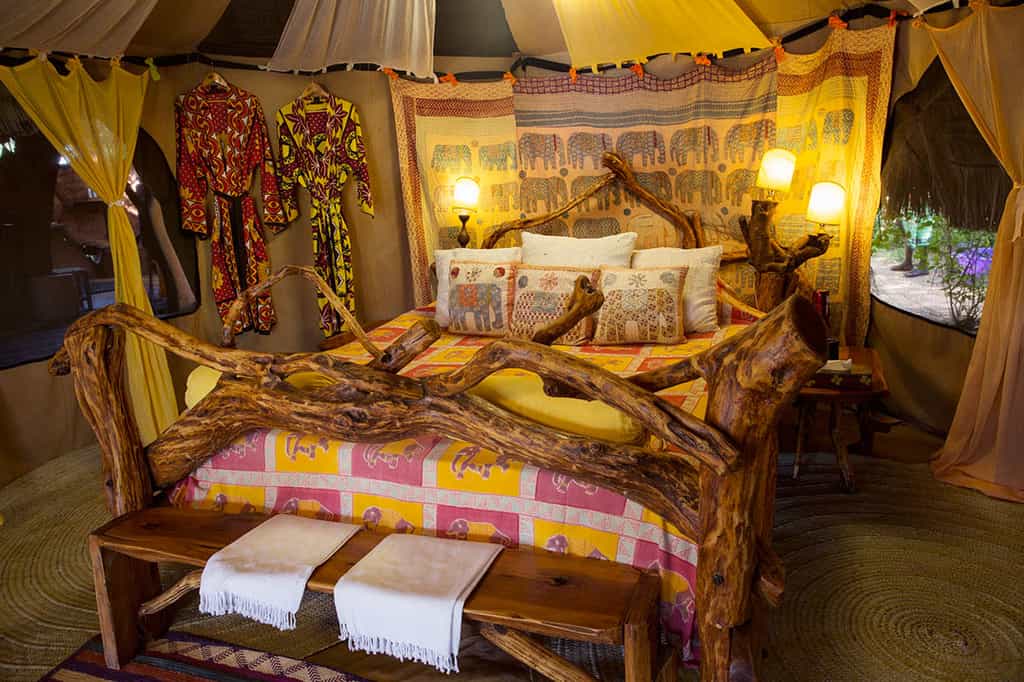
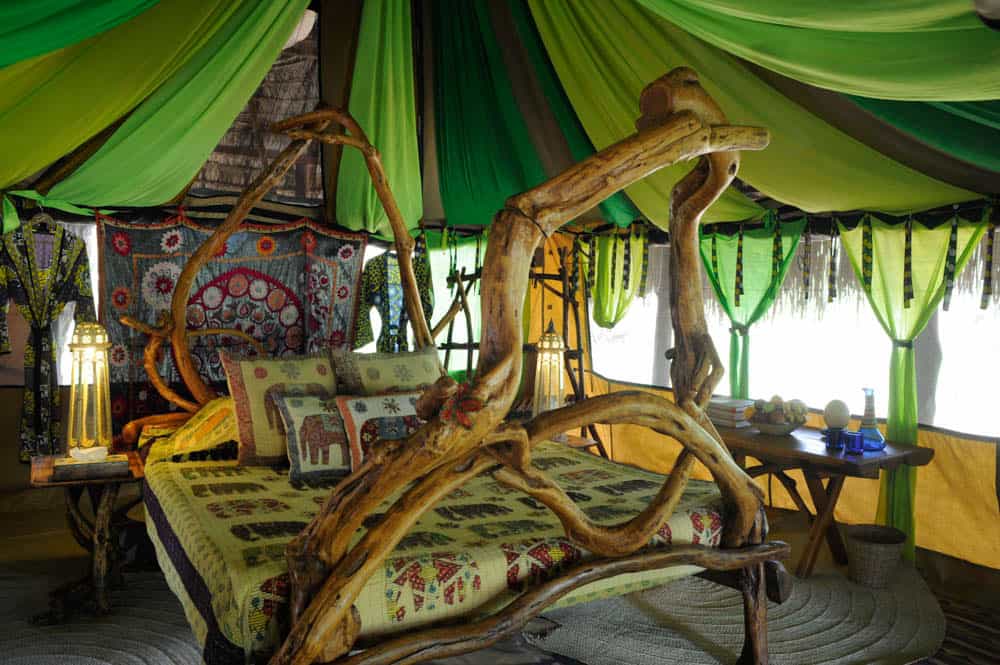
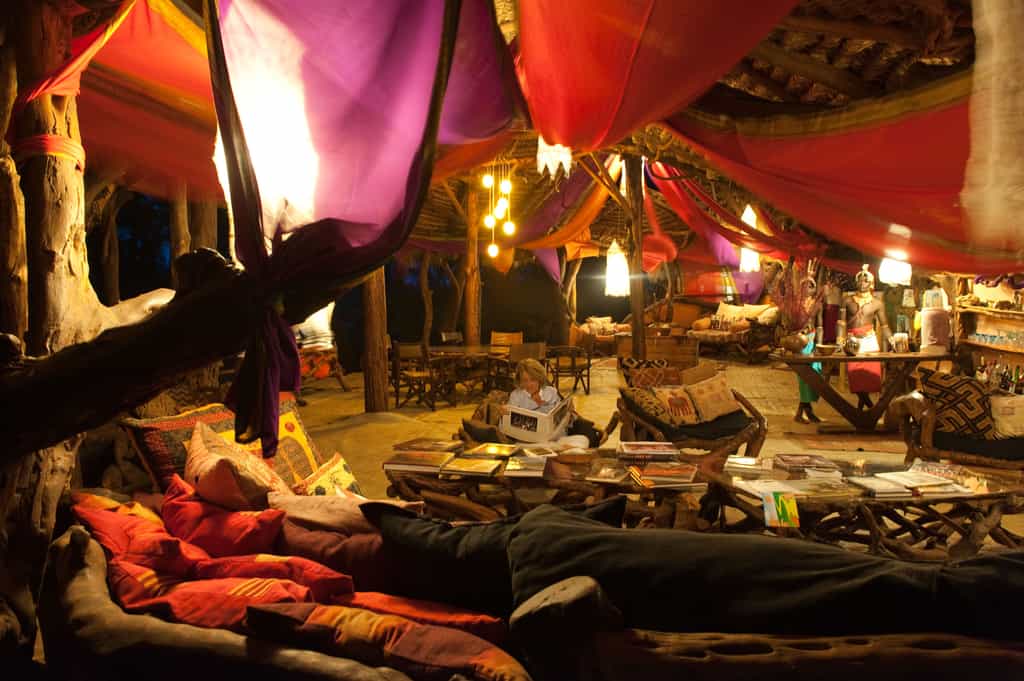
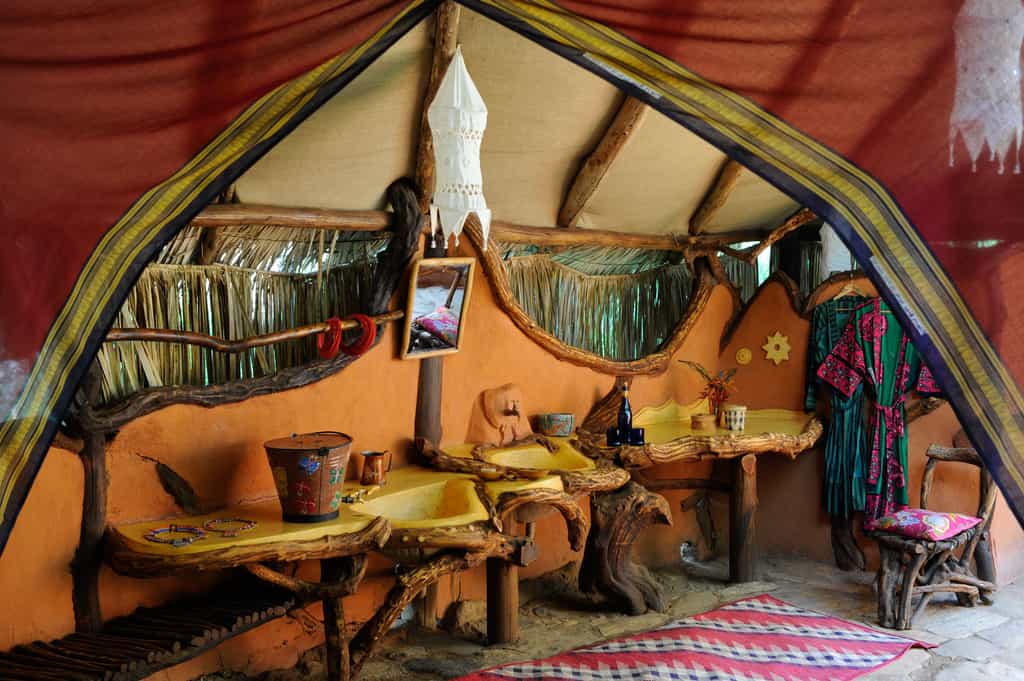
There are six thatch-covered tents, all decorated in a fusion of luxury African-style bush living and bedouin tent bohemian. The walls combine canvas and netting to keep bugs out but allow in the sounds and scents of the wilderness. Inside, flowing fabrics cascade to the floor, there's a king-sized bed with crisp cotton sheets, lamps, a flashlight, fluffy towels and storage space. The en-suite bathrooms are private, with a bucket shower that is filled with steaming water at night.
Start with a recommended trip or create one from scratch
Elephant Watch Camp can be booked with Timbuktu as part of a tailor-made Kenya trip, rather than as a standalone room reservation. Start online, customising one of our recommended Kenya trips featuring Elephant Watch Camp or get advice and suggestions from one of our Kenya specialists who will design the trip around your dates, check availability and handle every booking for you.
Stays at Elephant Watch Camp start from around $1.6K, or US$1.6K, per person per night as part of a tailor-made trip. The exact price depends on your travel dates, room type and the shape of the rest of your itinerary. A Timbuktu travel specialist can give you an accurate quote for your dates.

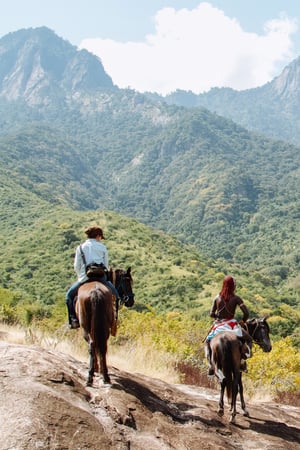
Discover the culture of the Samburu and traverse dramatic desert terrain on horse- and camel-back.






/37.53953957718277,0.5793515595222312,6/600x400?access_token=pk.eyJ1IjoidGltYnVrdHV0cmF2ZWwiLCJhIjoiY2poMGw1eHpkMmRkbDJ6bW8xYWZ5OGpjYyJ9.PYvAO7lUJ40SOpGvwmQLqw&attribution=false&logo=false)