
/14.94515061378479,-20.356677819951482,6/600x400?access_token=pk.eyJ1IjoidGltYnVrdHV0cmF2ZWwiLCJhIjoiY2poMGw1eHpkMmRkbDJ6bW8xYWZ5OGpjYyJ9.PYvAO7lUJ40SOpGvwmQLqw&attribution=false&logo=false)
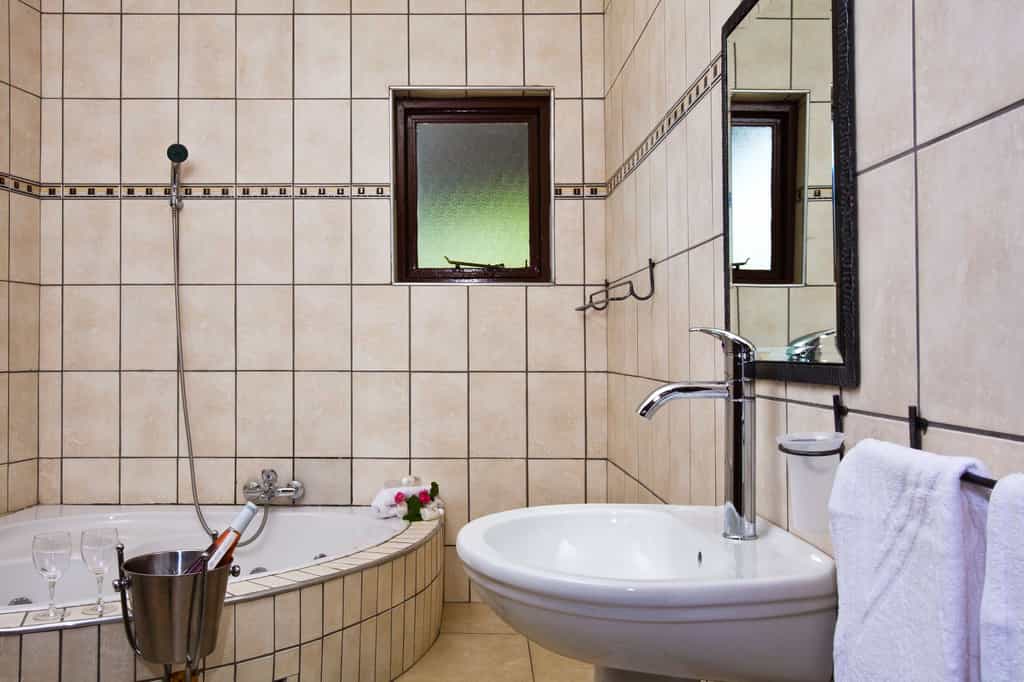
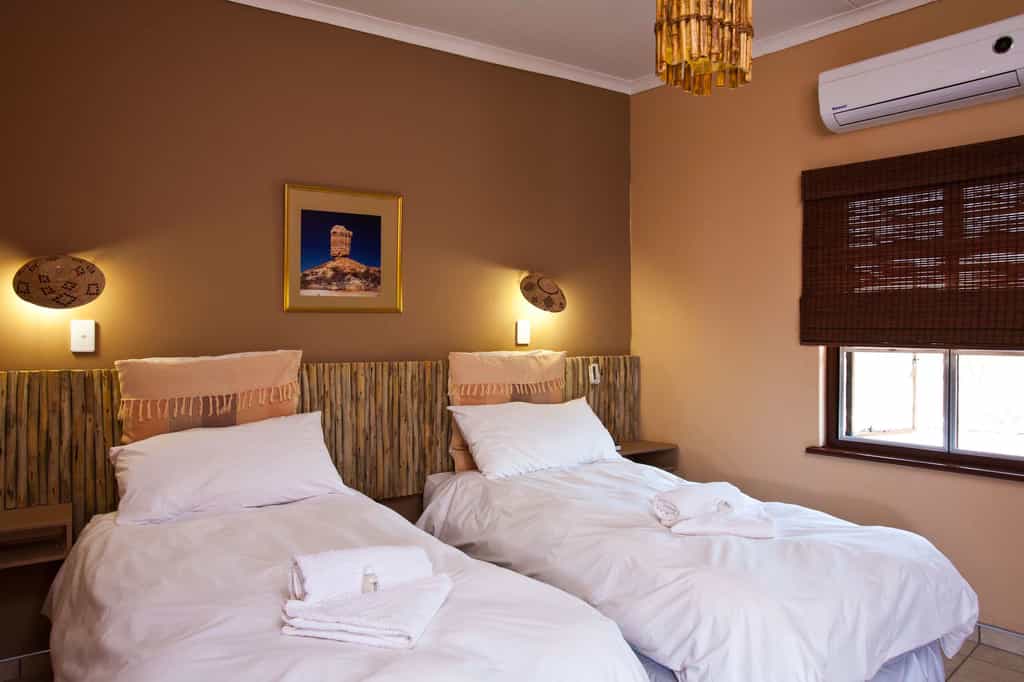
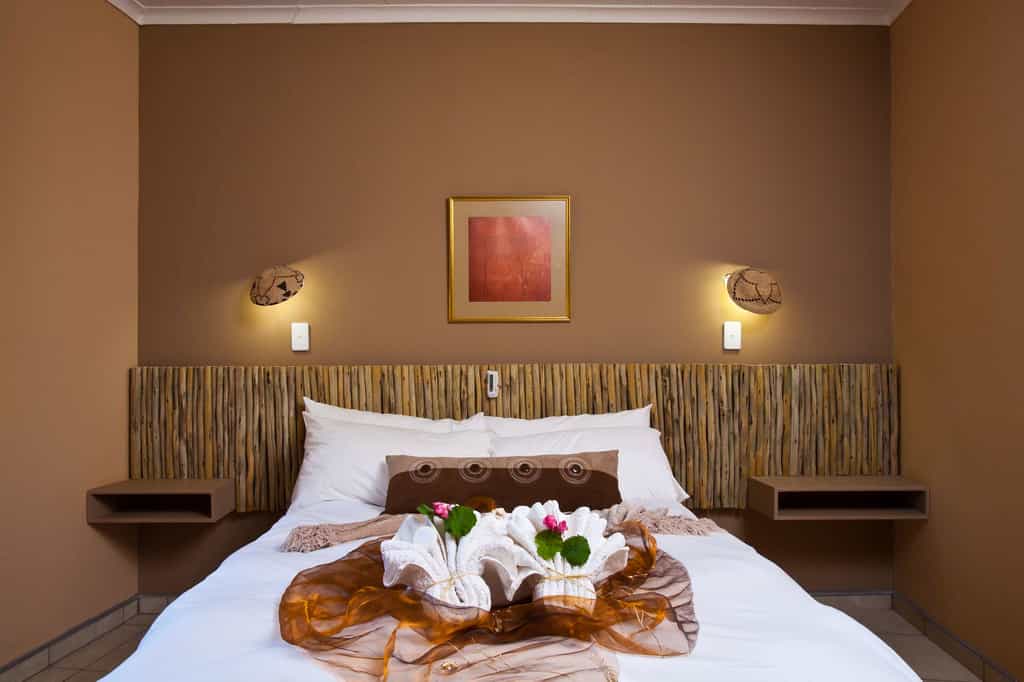
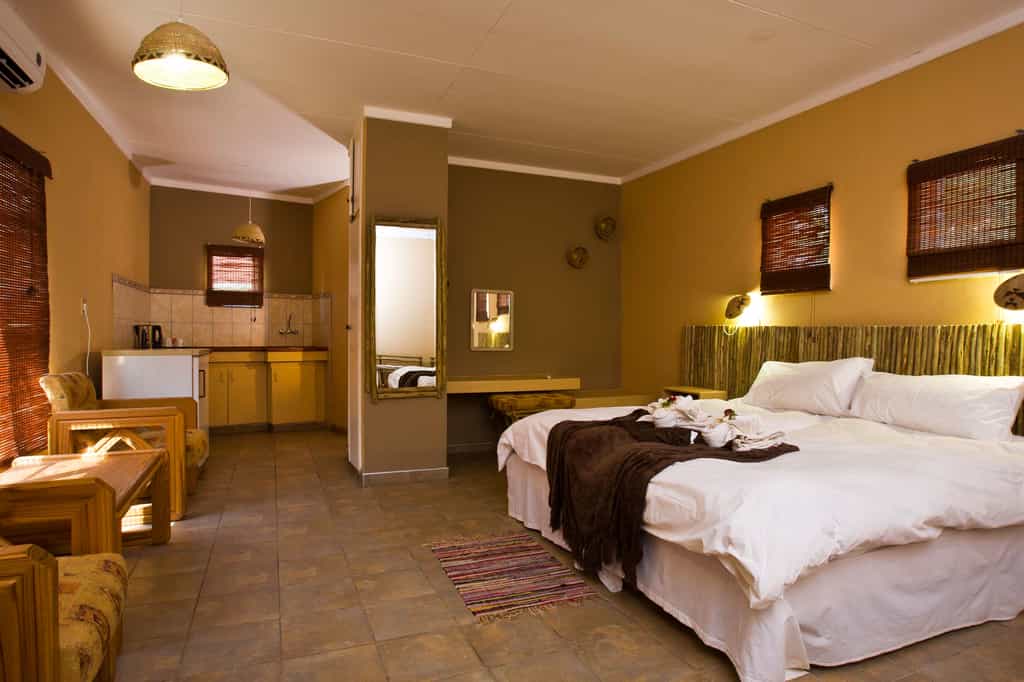
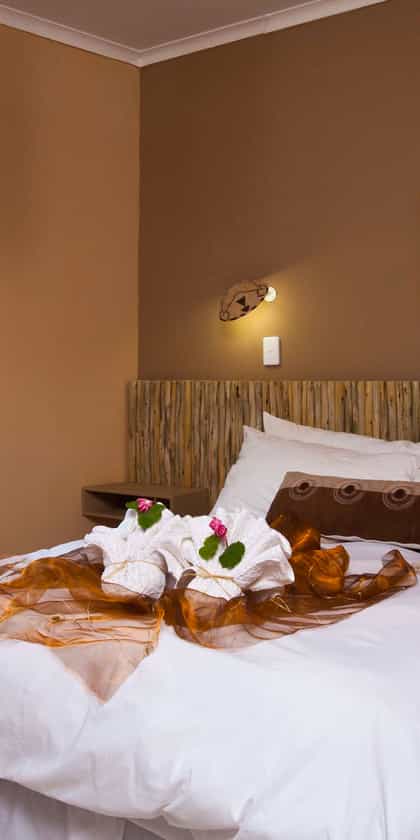
Rows of small, simple chalets offer cool shelter by day and protection against plummeting night-time temps. Of these, 10 chalets have a double bed, and 26 have two twin beds. All have en-suite shower/bath facilities. Family chalets sleep four in two double beds, and have a kitchen and small living room with TV. Don't expect luxury, but linens are clean, water is hot and the aircon works like a dream. For campers, the sites are large, with basic ablution facilities.
Start with a recommended trip or create one from scratch
11 nights from $7.1K per person
9 nights from $8.8K per person
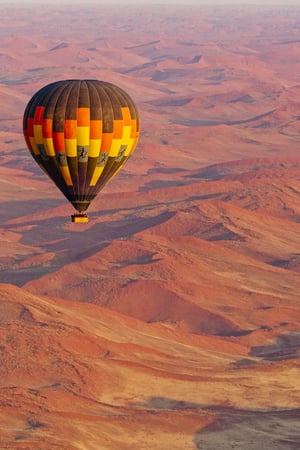
6 nights from $7.3K per person
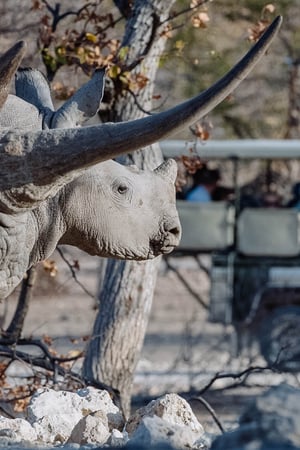
10 nights from $5.9K per person
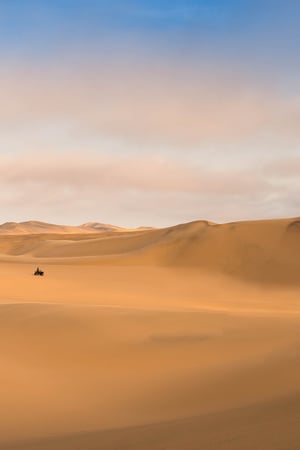
12 nights from $9.6K per person
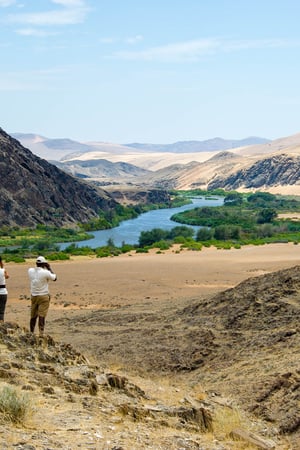
10 nights from $8.3K per person
Khorixas Rest Camp can be booked with Timbuktu as part of a tailor-made Namibia trip, rather than as a standalone room reservation. Start online, customising one of our recommended Namibia trips featuring Khorixas Rest Camp or get advice and suggestions from one of our Namibia specialists who will design the trip around your dates, check availability and handle every booking for you.
Stays at Khorixas Rest Camp start from around $40, or US$40, per person per night as part of a tailor-made trip. The exact price depends on your travel dates, room type and the shape of the rest of your itinerary. A Timbuktu travel specialist can give you an accurate quote for your dates.
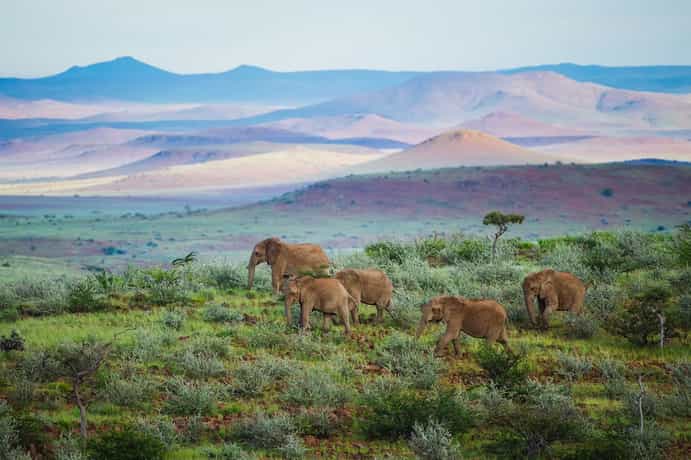
A game drive through Africa is at its rugged and most dramatic best in this mountainous desert-scape.