
/22.5419907,-32.9185226,6/600x400?access_token=pk.eyJ1IjoidGltYnVrdHV0cmF2ZWwiLCJhIjoiY2poMGw1eHpkMmRkbDJ6bW8xYWZ5OGpjYyJ9.PYvAO7lUJ40SOpGvwmQLqw&attribution=false&logo=false)
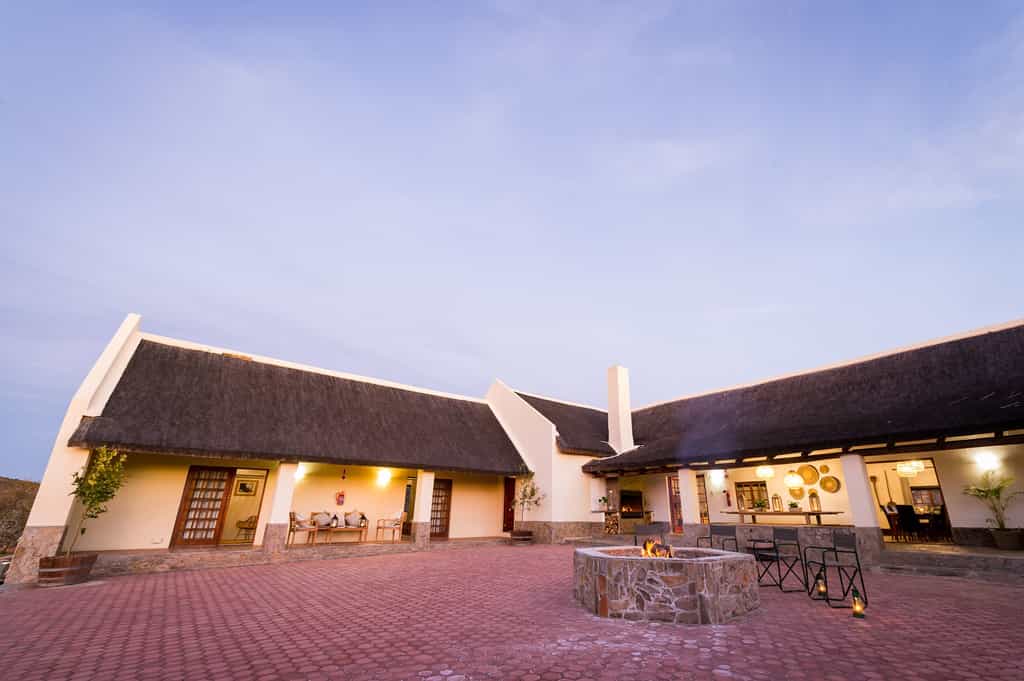
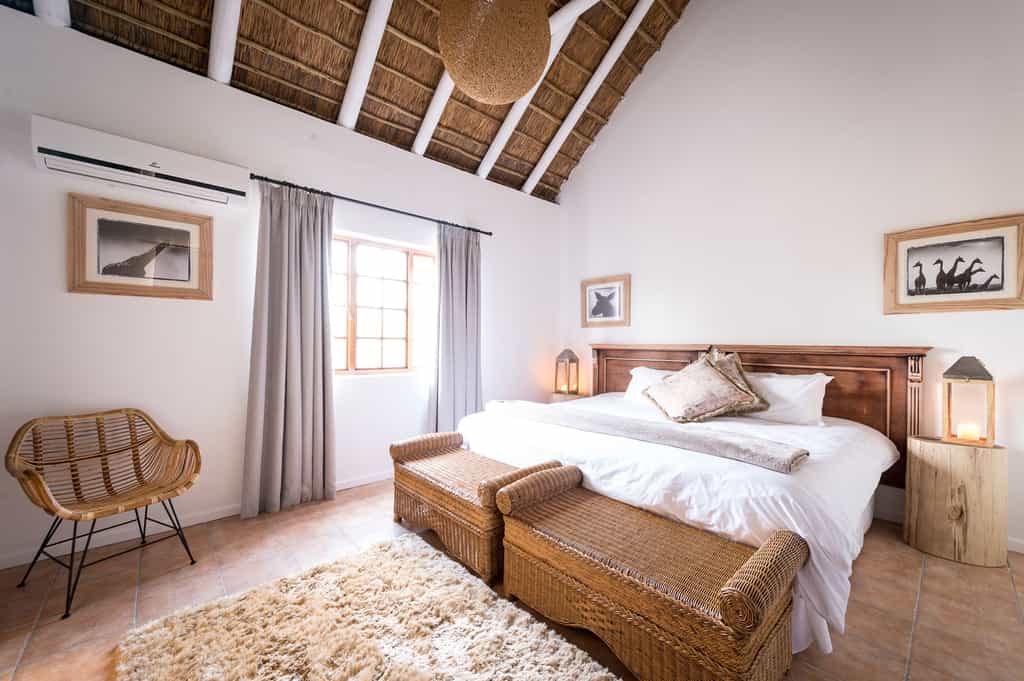
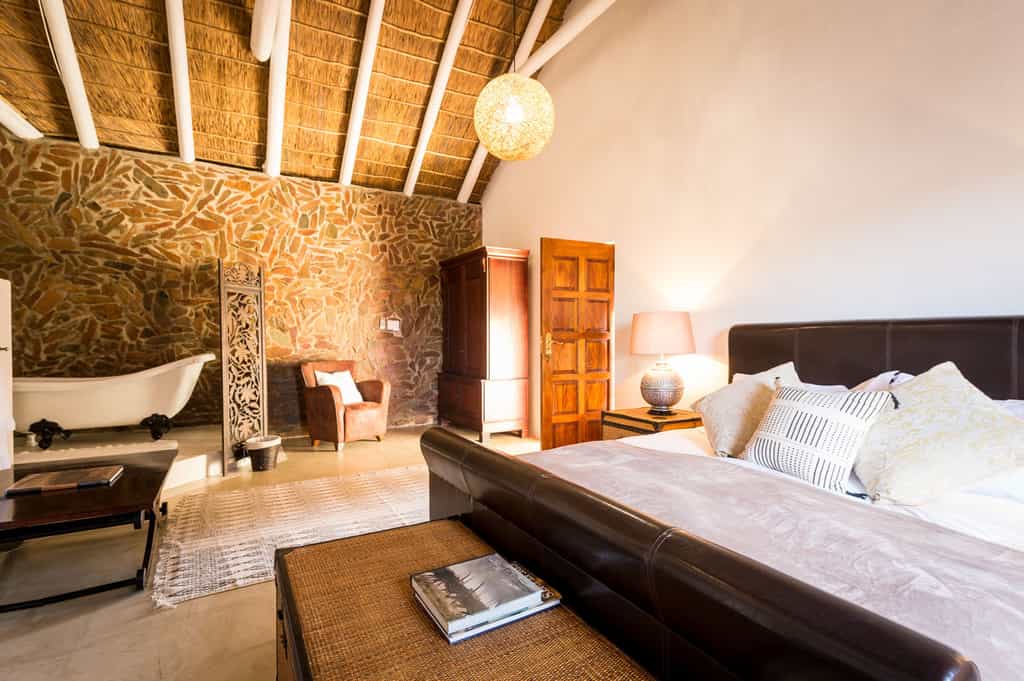
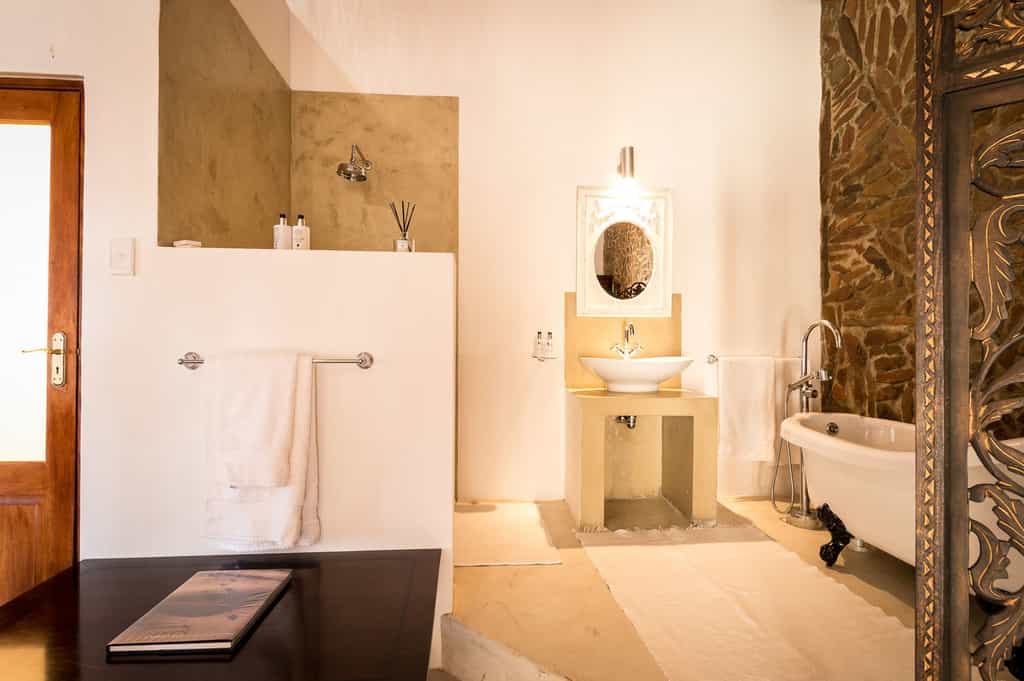
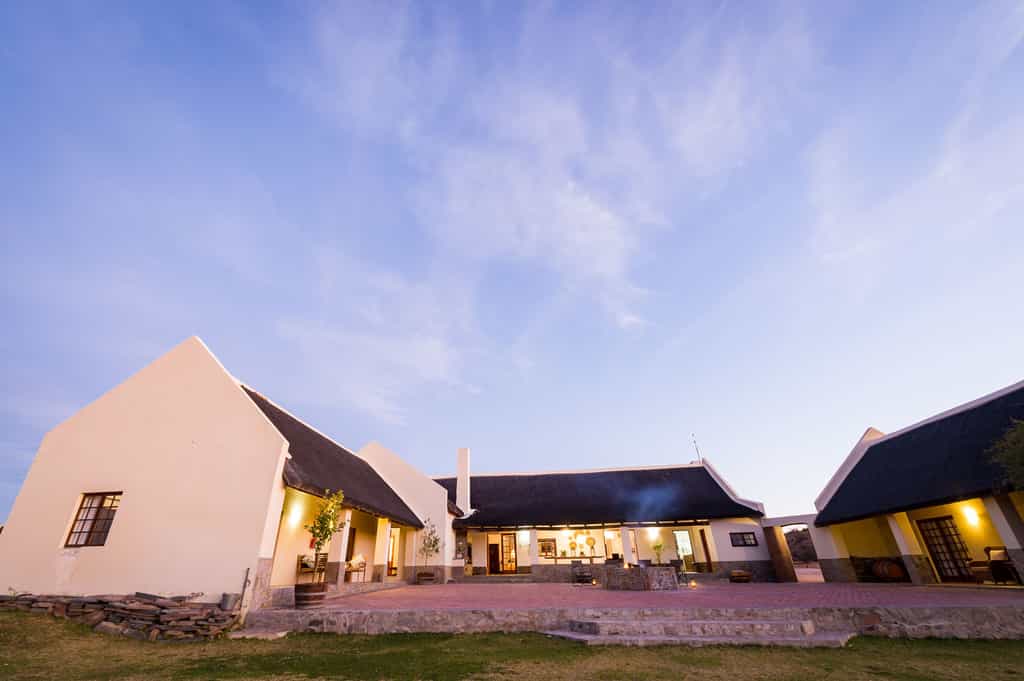
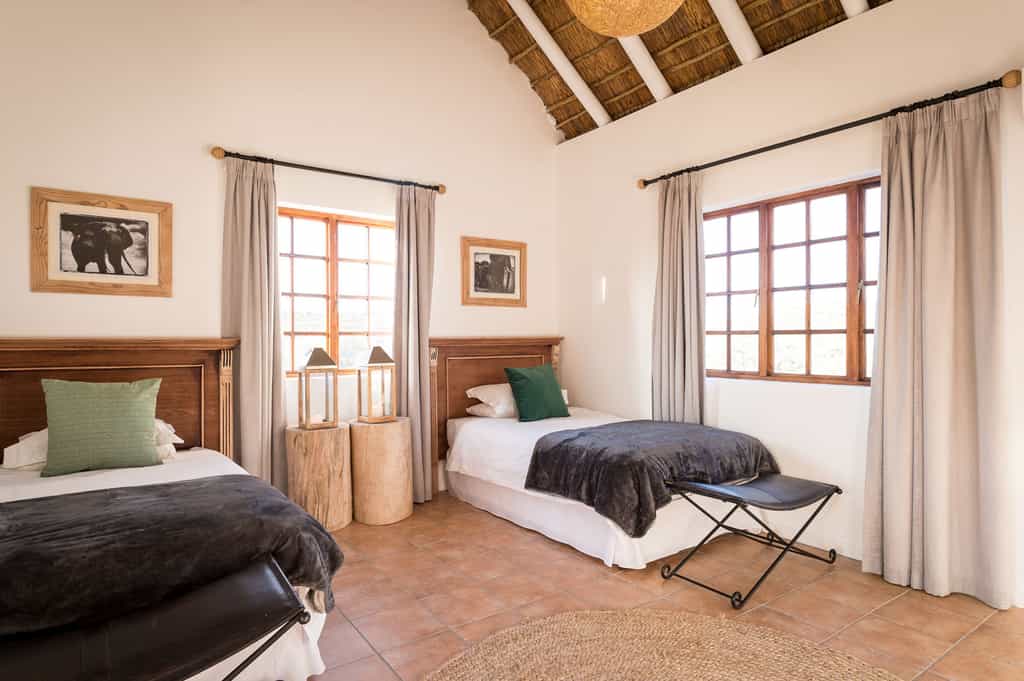
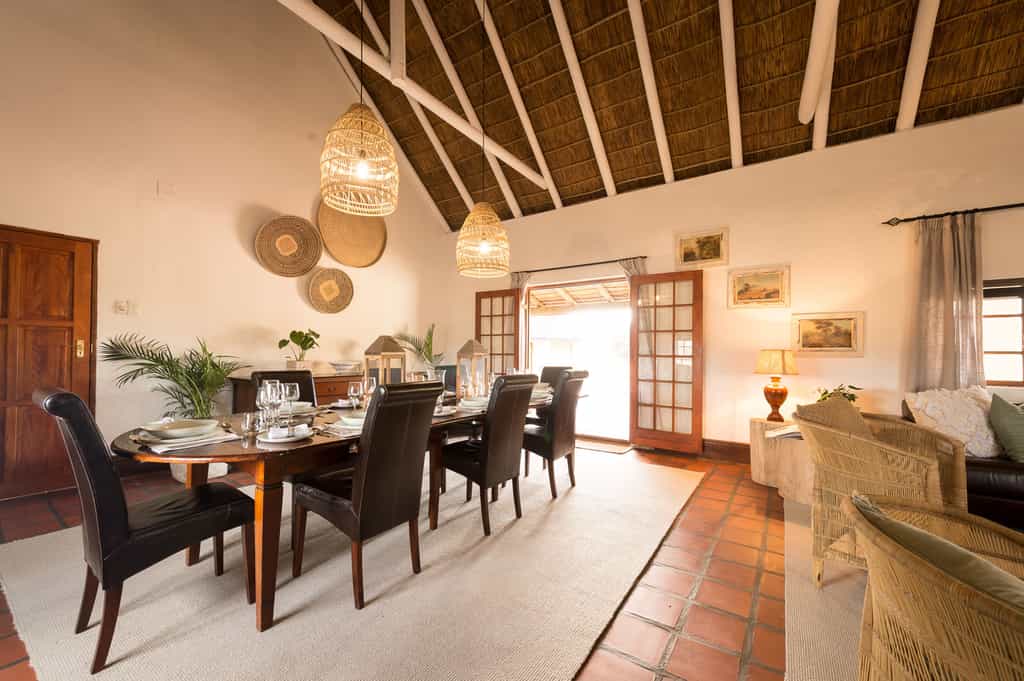
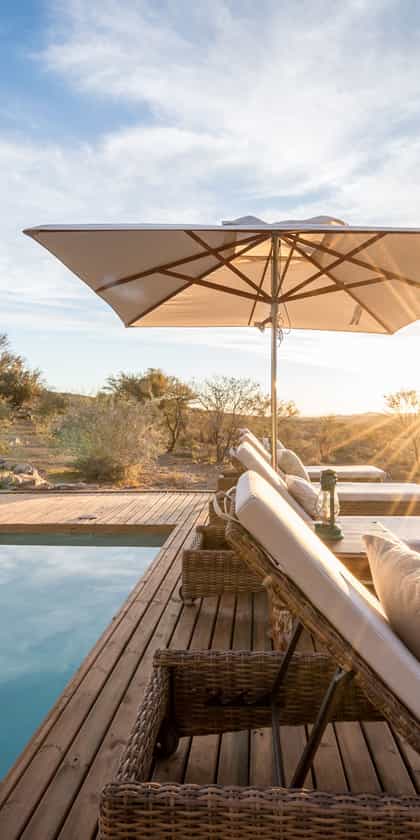
The two buildings flanking the main area house five bedrooms – one twin, three doubles and one master suite. They too are finished in Cape Dutch/Karoo style, with thatched ceilings and polished concrete or tiled floors, deliciously cool underfoot in summer. The furnishings are simple but elegant, and very comfortable. En-suite bathrooms (some completely open to the bedrooms) have large showers; the master suite has a Victorian tub. Each room opens to the courtyard and has a terrace with seating.
Start with a recommended trip or create one from scratch
Roam Safari Lodge can be booked with Timbuktu as part of a tailor-made South Africa trip, rather than as a standalone room reservation. Start online, customising one of our recommended South Africa trips featuring Roam Safari Lodge or get advice and suggestions from one of our South Africa specialists who will design the trip around your dates, check availability and handle every booking for you.
Stays at Roam Safari Lodge start from around $250, or US$250, per person per night as part of a tailor-made trip. The exact price depends on your travel dates, room type and the shape of the rest of your itinerary. A Timbuktu travel specialist can give you an accurate quote for your dates.
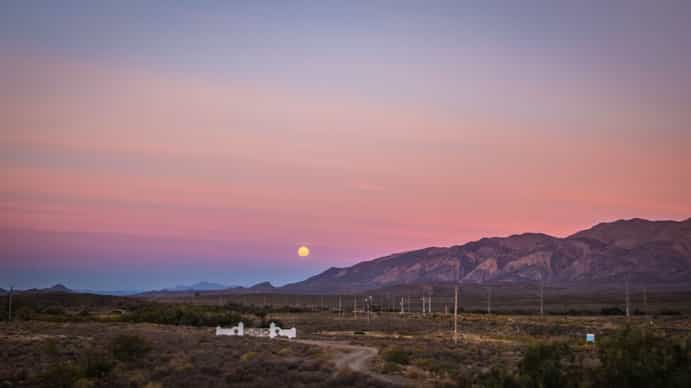
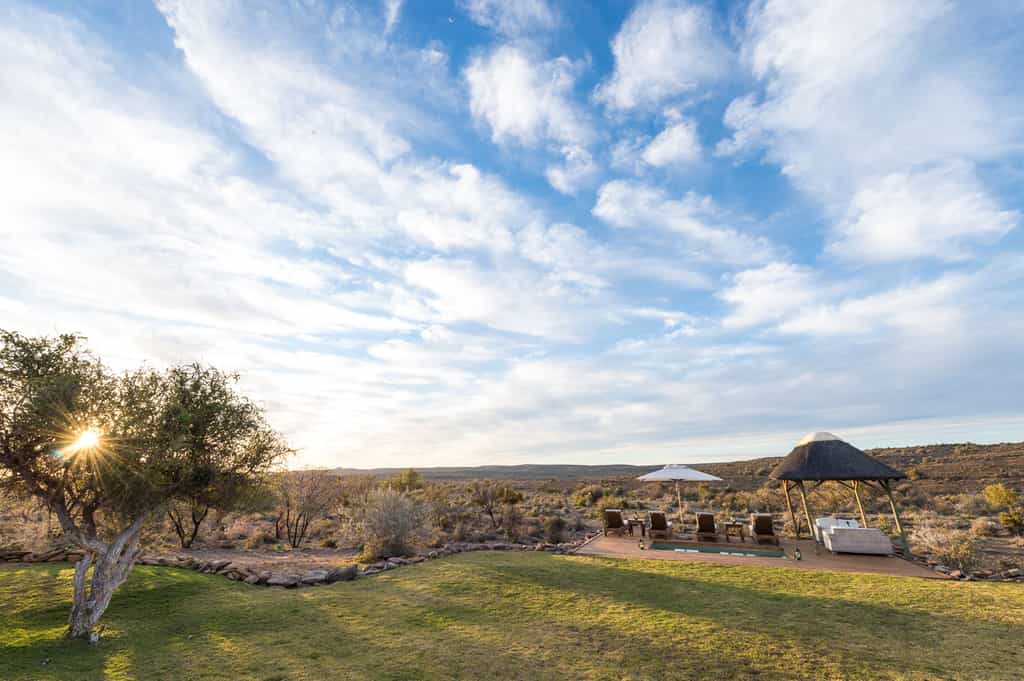
Out-of-time and off-the-map allure abound in this stretch of mountain-flanked semi-desert.