
/39.759101,-7.975196,6/600x400?access_token=pk.eyJ1IjoidGltYnVrdHV0cmF2ZWwiLCJhIjoiY2poMGw1eHpkMmRkbDJ6bW8xYWZ5OGpjYyJ9.PYvAO7lUJ40SOpGvwmQLqw&attribution=false&logo=false)
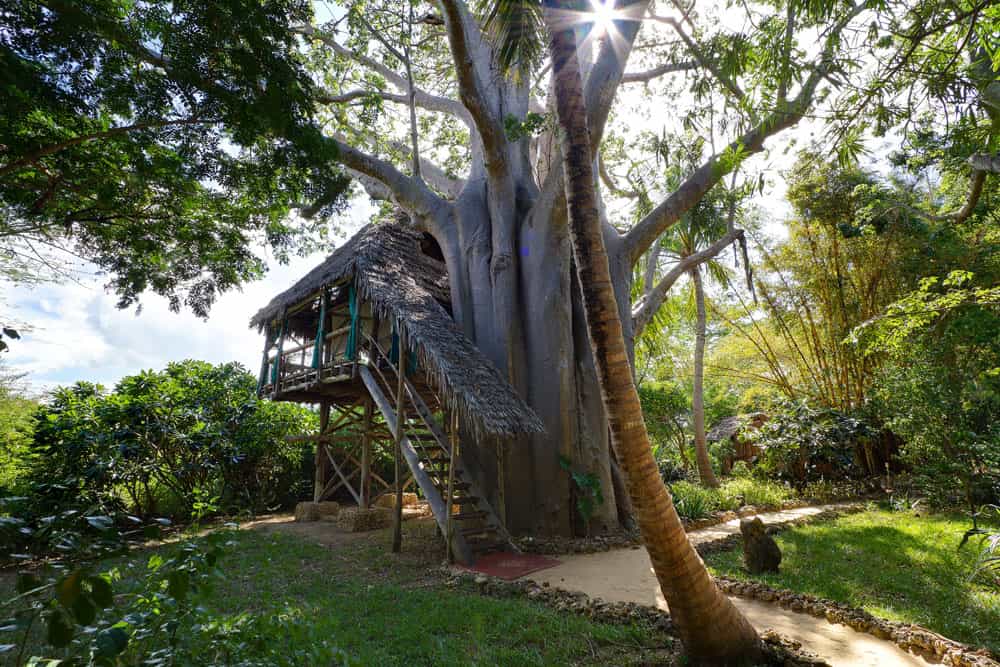
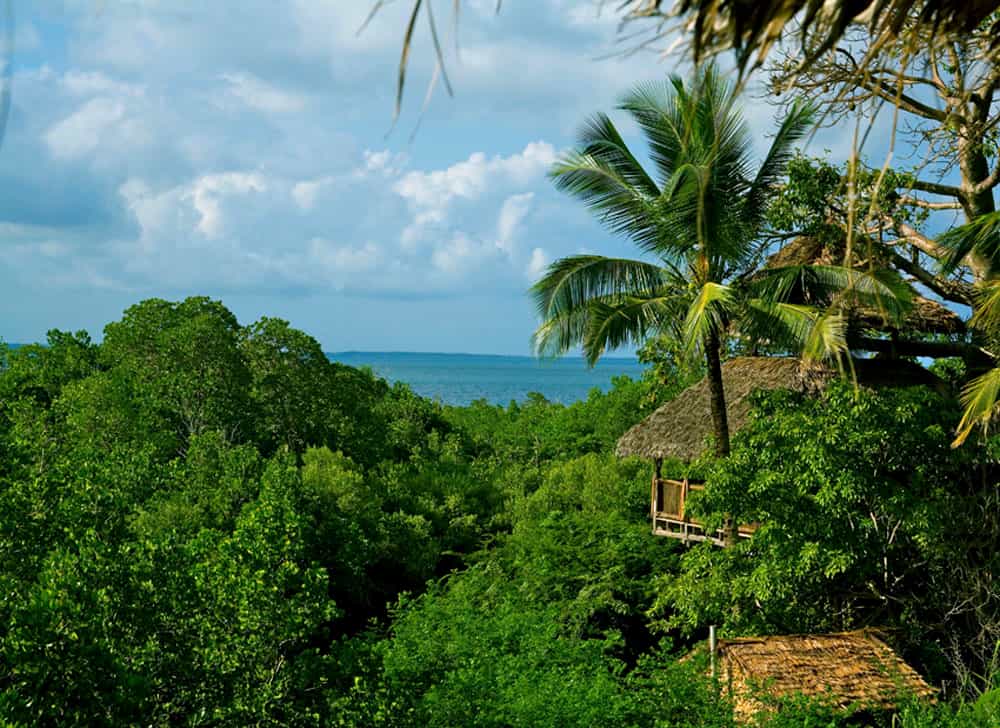
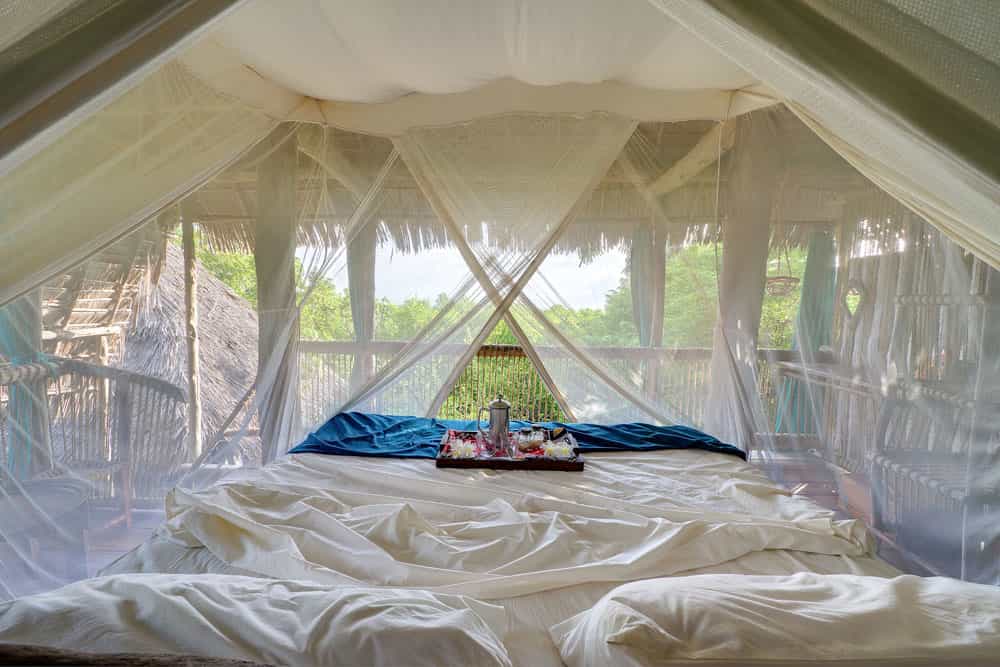
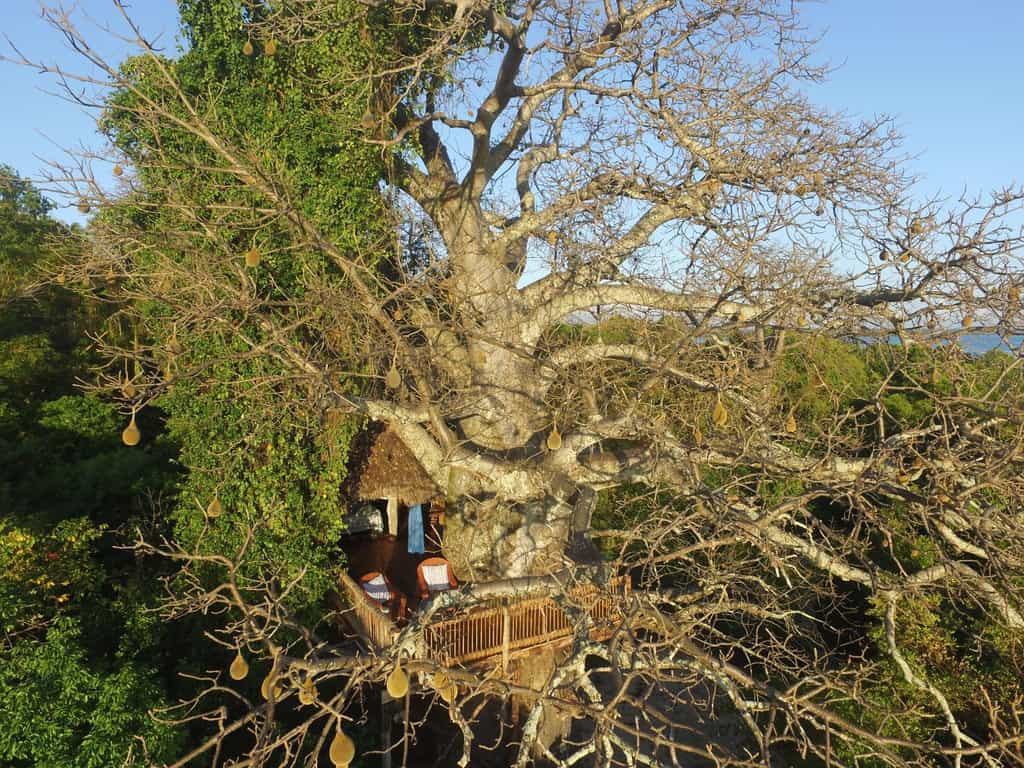
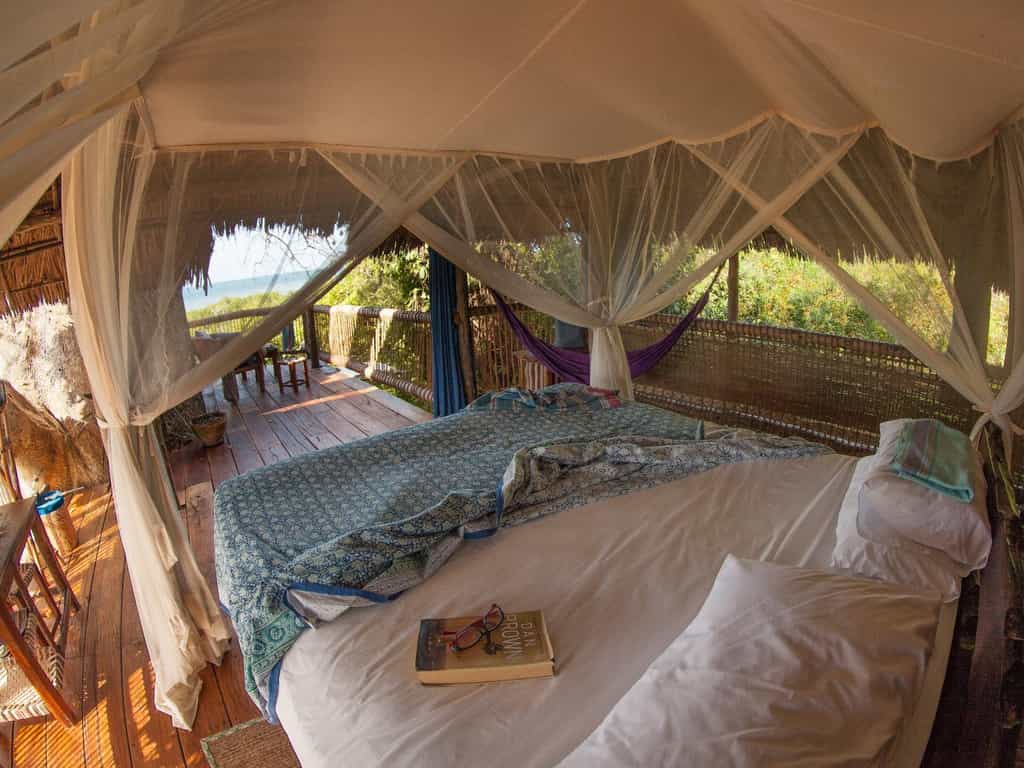
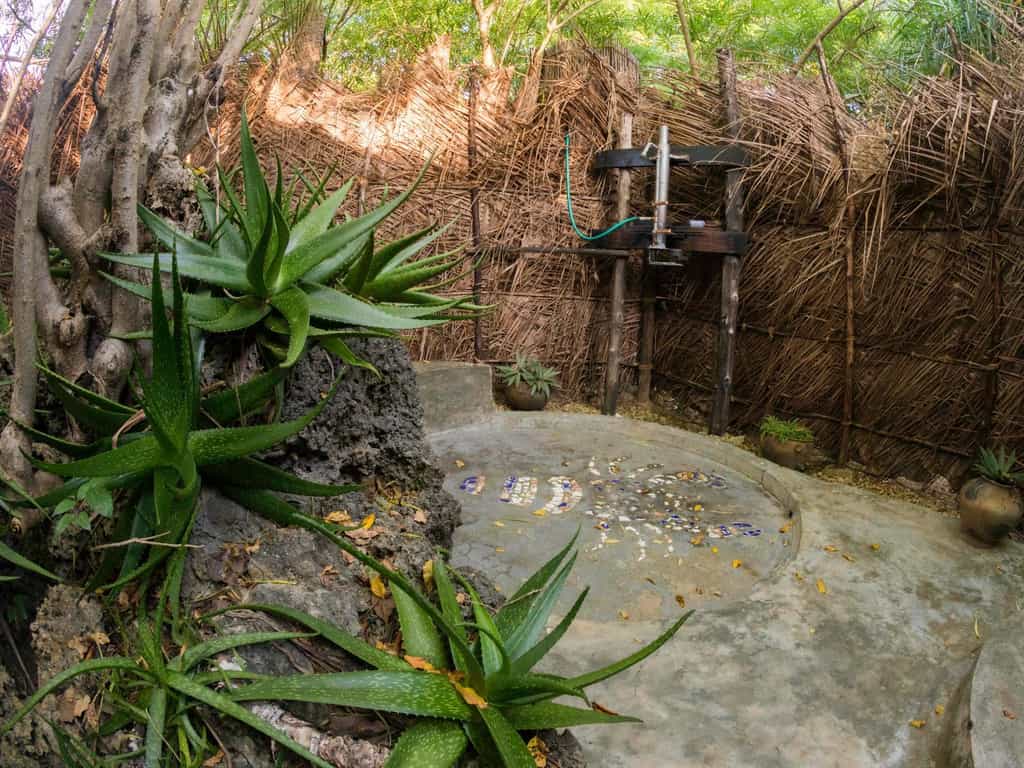
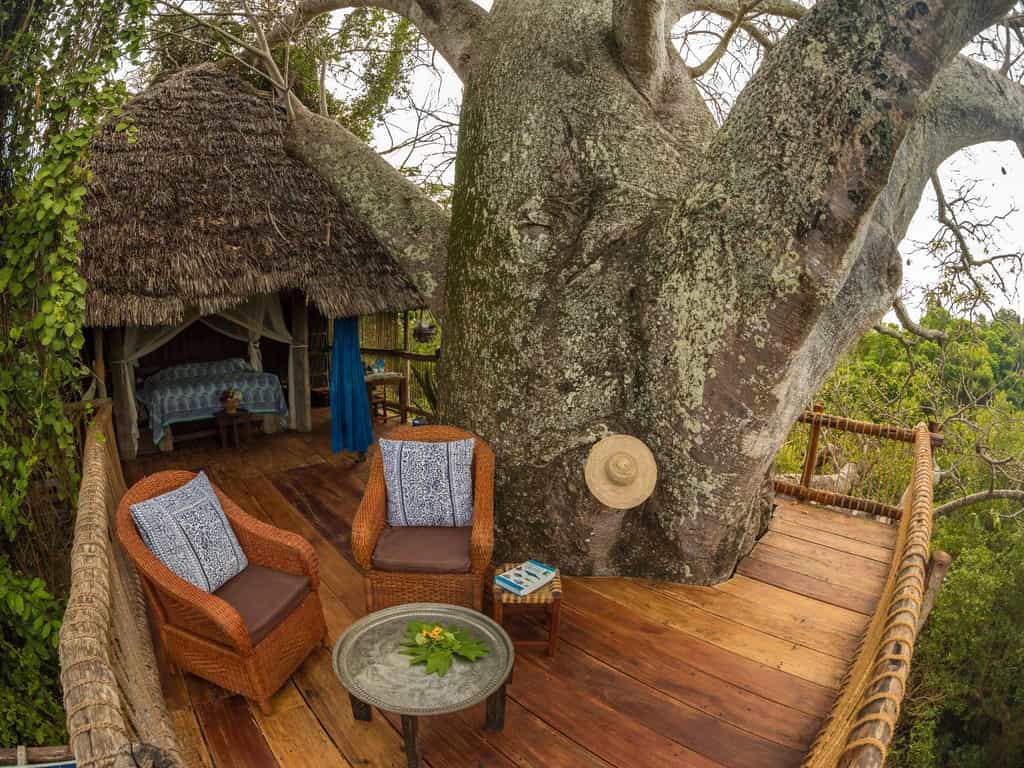
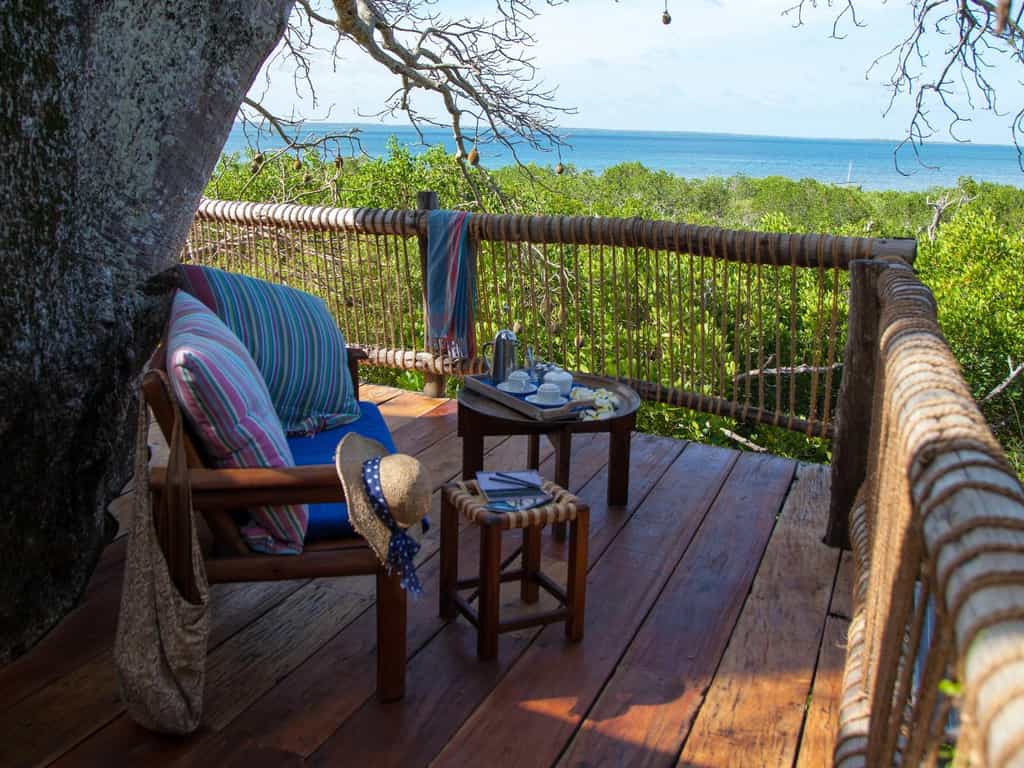
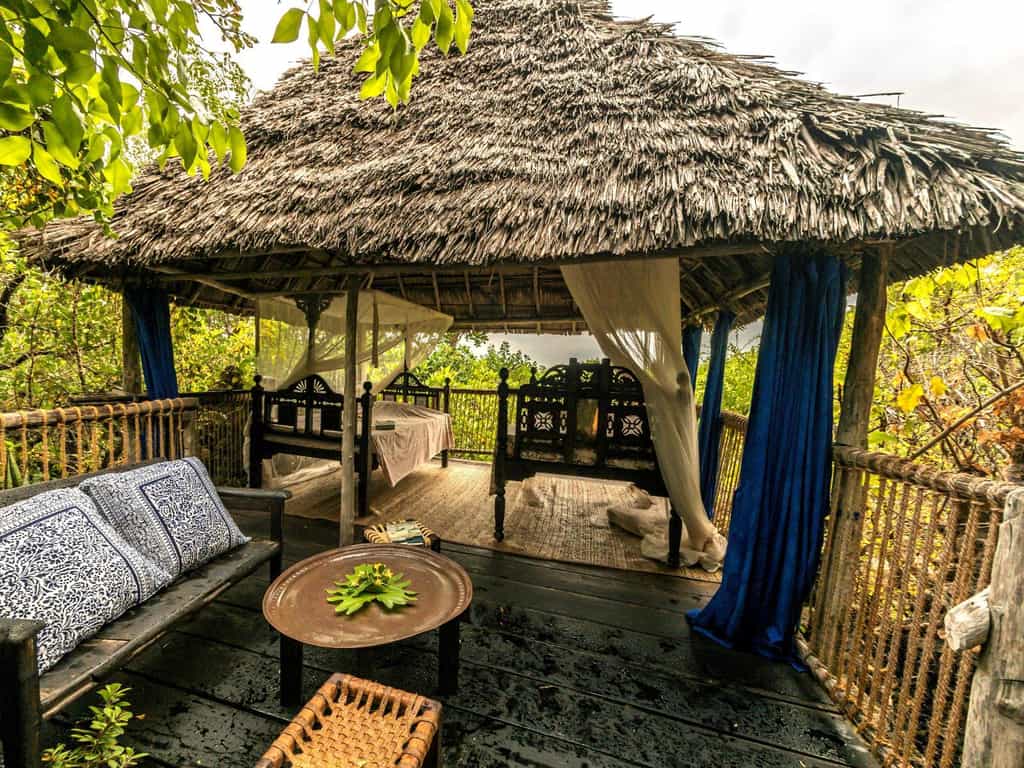
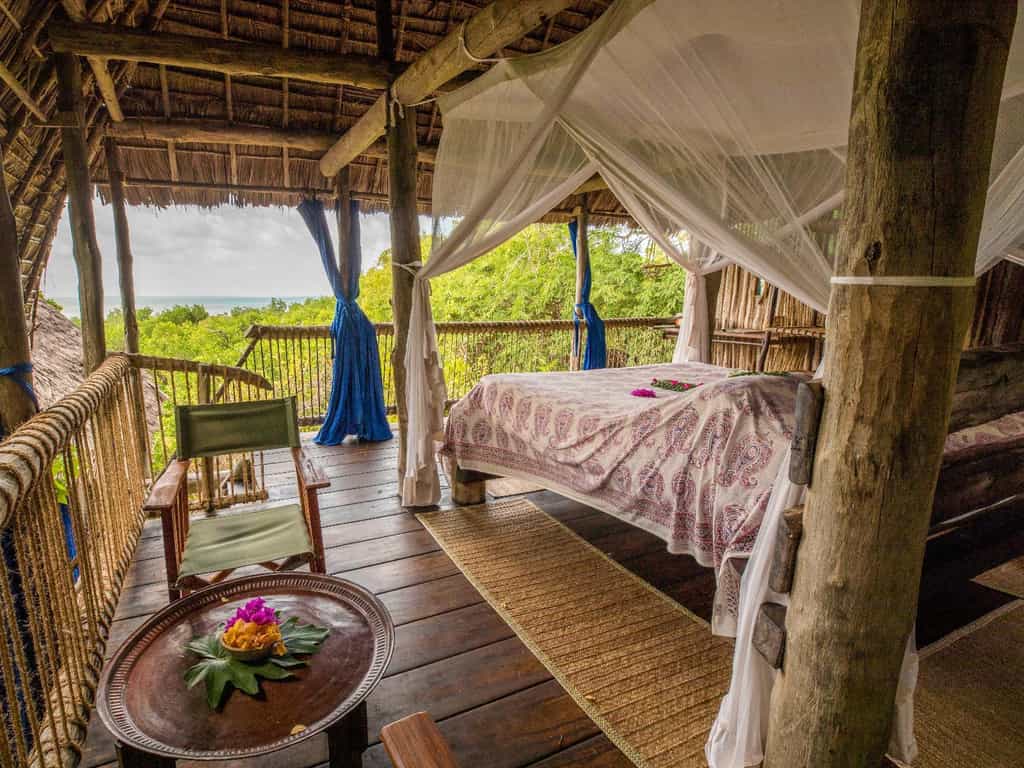
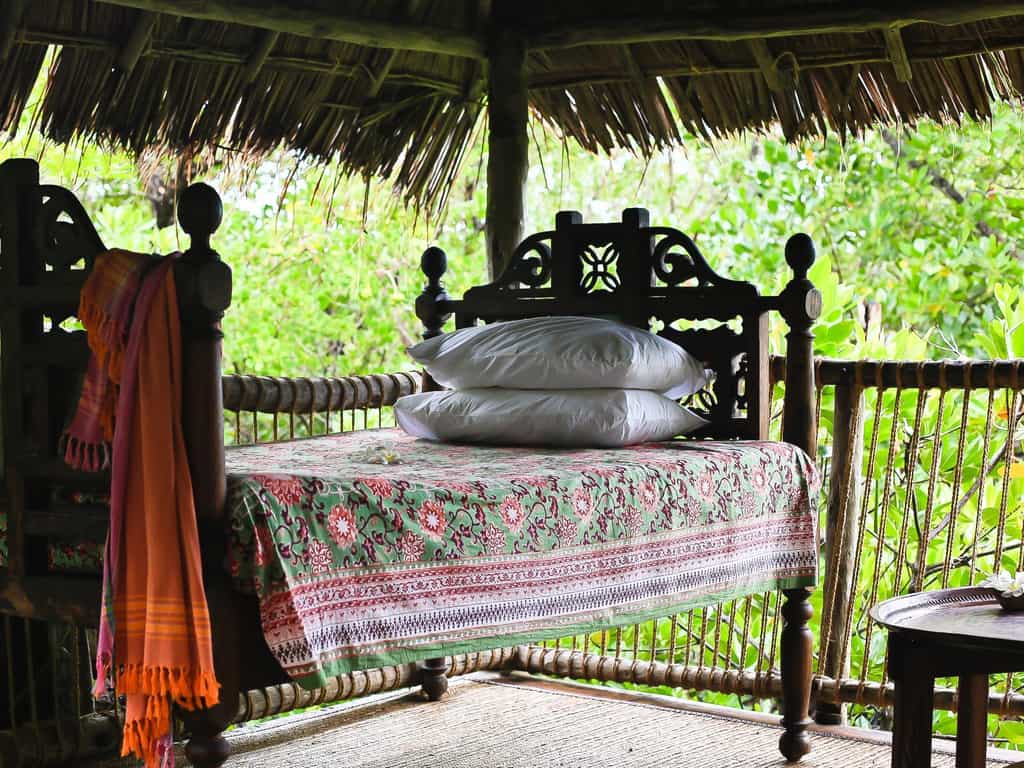
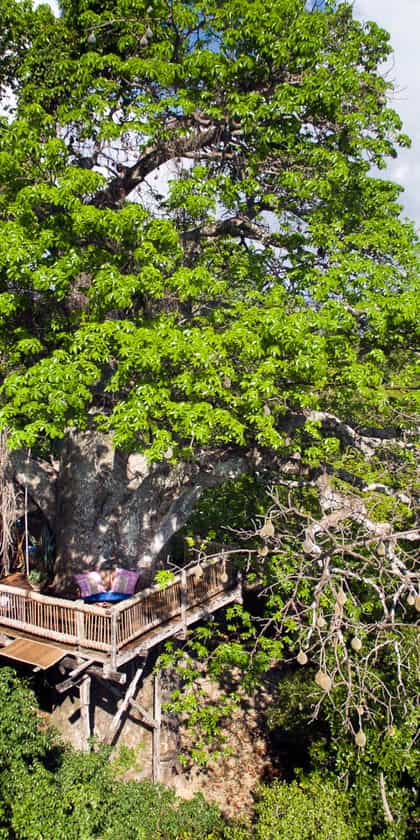
Chole Mjini has seven rooms, six of which are set on platforms high up in baobab trees. The seventh, slightly more conventional, is at ground level, with an en-suite bathroom and the island's only flushing toilet. Each tree house is different (some are two-storeyed), but all have storm lanterns instead of electricity, a shower heated by an effective paraffin burner, composting long-drop toilets and no aircon, although small solar panels provide for fans beside the huge and very comfortable beds.
Start with a recommended trip or create one from scratch
Chole Mjini can be booked with Timbuktu as part of a tailor-made Tanzania trip, rather than as a standalone room reservation. Start online, customising one of our recommended Tanzania trips featuring Chole Mjini or get advice and suggestions from one of our Tanzania specialists who will design the trip around your dates, check availability and handle every booking for you.
Stays at Chole Mjini start from around $440, or US$440, per person per night as part of a tailor-made trip. The exact price depends on your travel dates, room type and the shape of the rest of your itinerary. A Timbuktu travel specialist can give you an accurate quote for your dates.
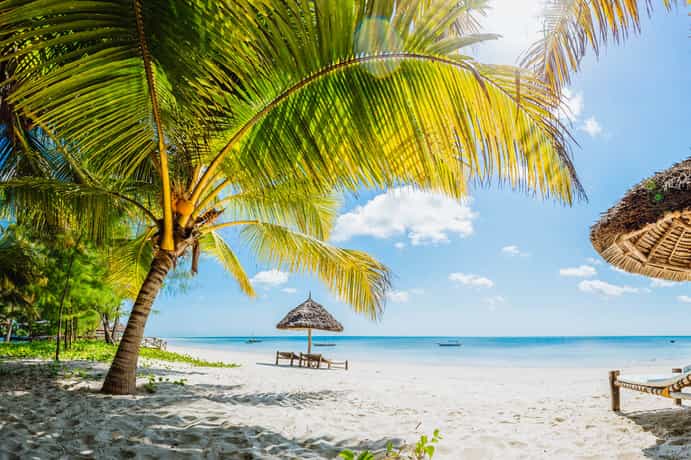
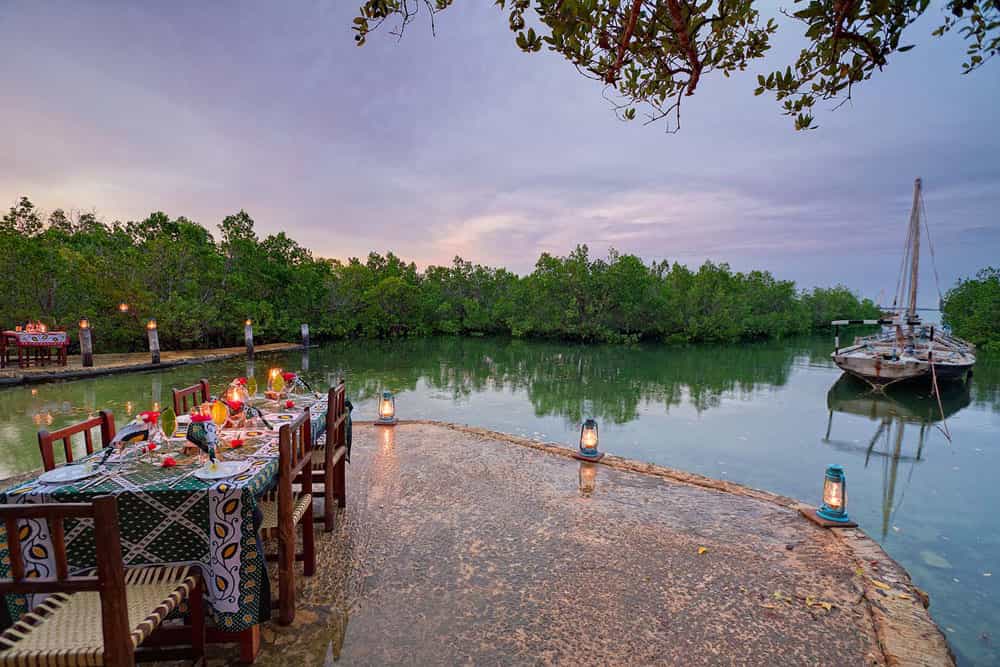
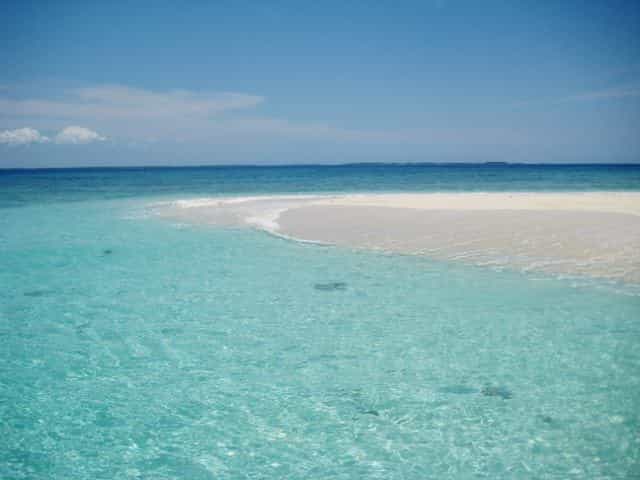
A barefoot beach break with some of the world’s best diving and a good selection of eco-chic lodges.