
/36.87303006649017,0.6559467074346055,6/600x400?access_token=pk.eyJ1IjoidGltYnVrdHV0cmF2ZWwiLCJhIjoiY2poMGw1eHpkMmRkbDJ6bW8xYWZ5OGpjYyJ9.PYvAO7lUJ40SOpGvwmQLqw&attribution=false&logo=false)
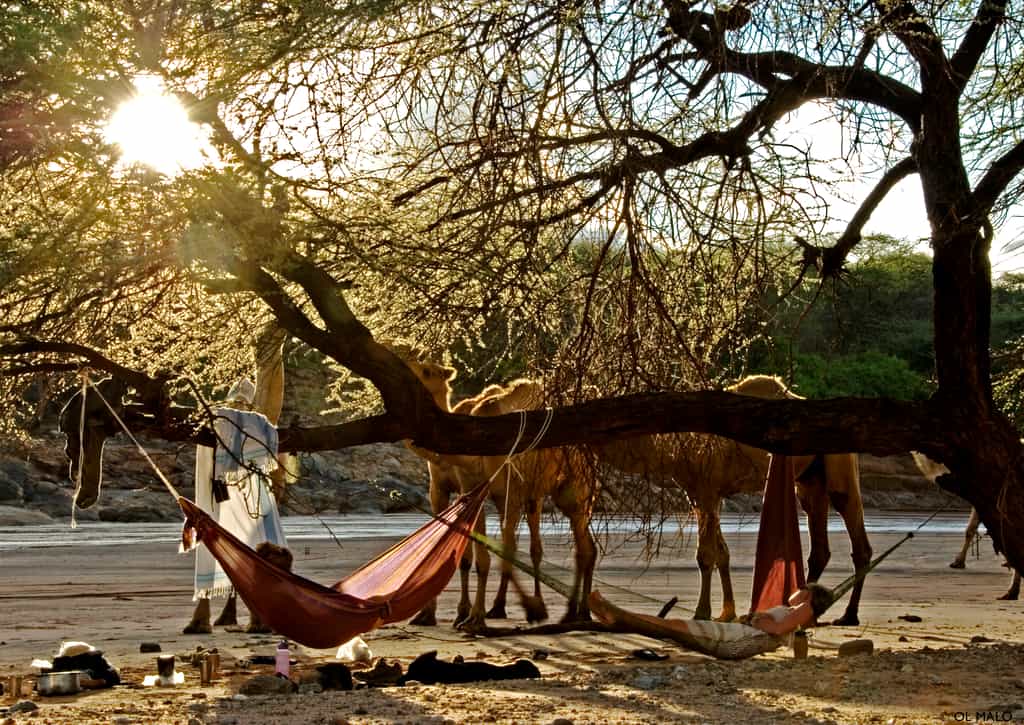
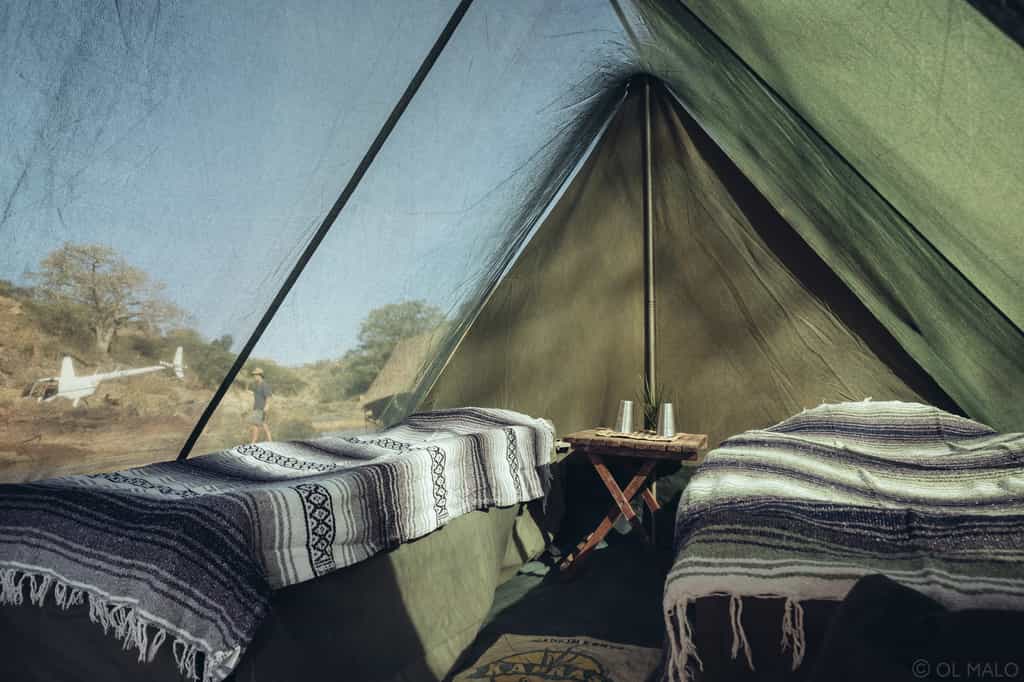
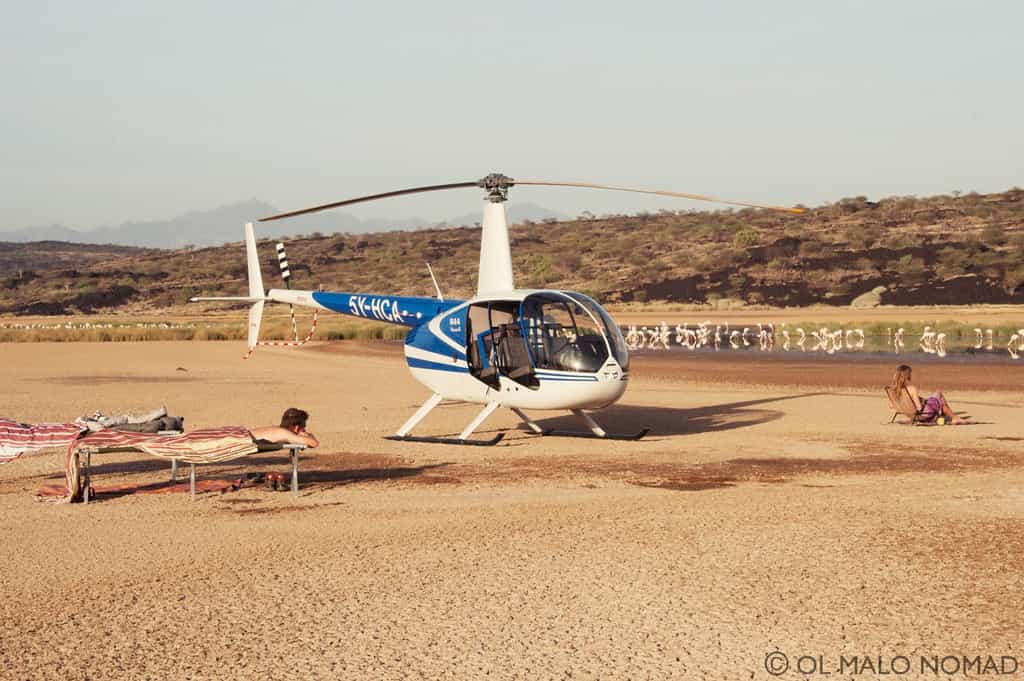
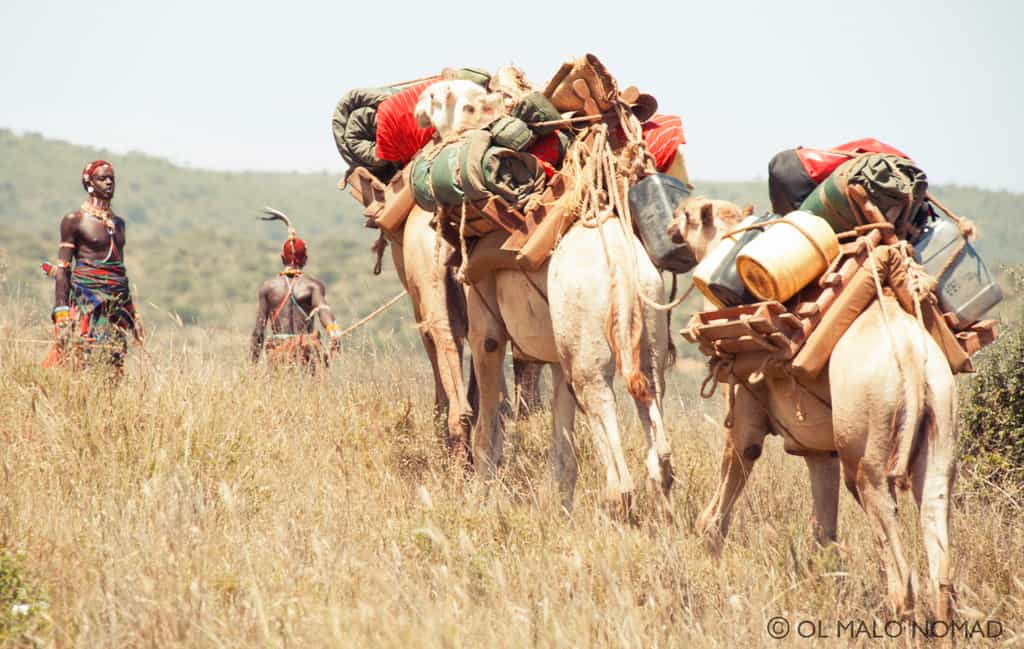
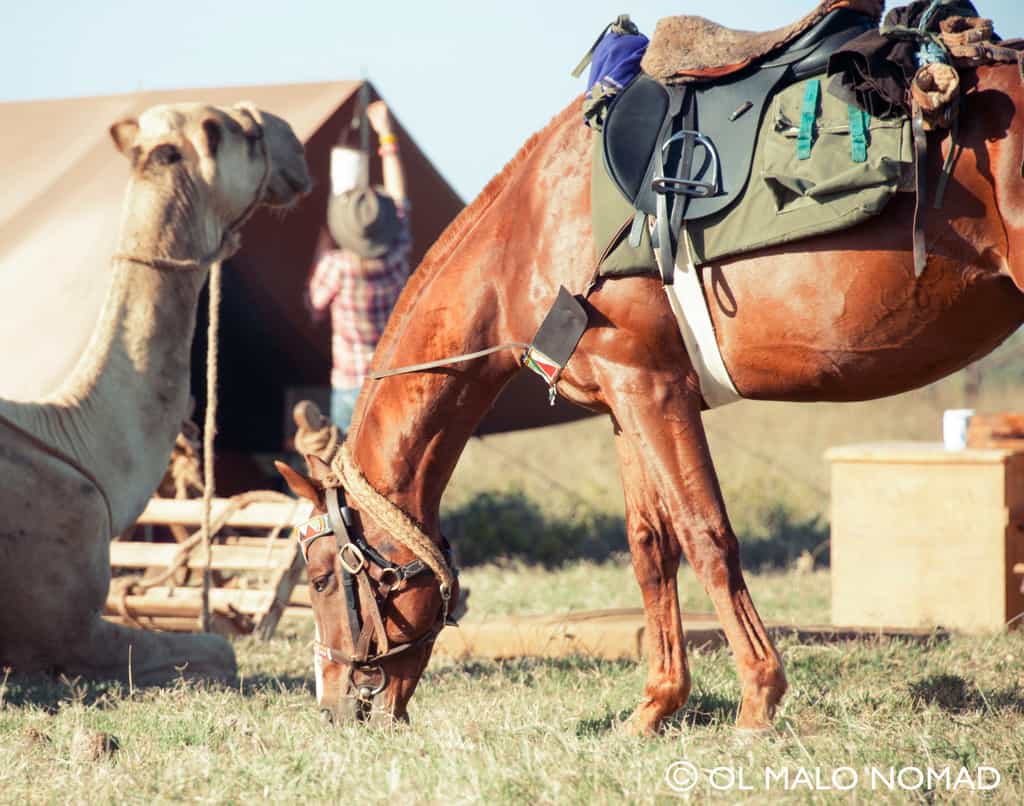
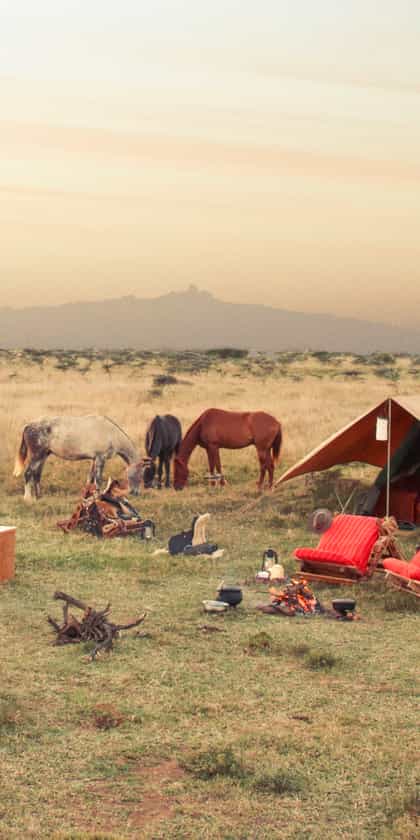
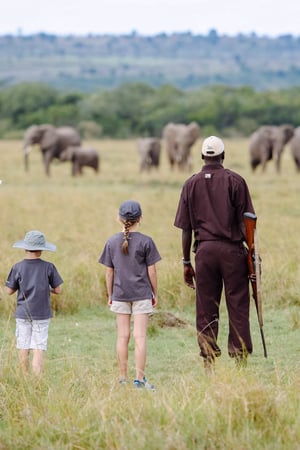
Each safari can accommodate up to eight guests in four twin-bedded tents, with comfortable sleeping rolls and proper linen. The tent flaps can be rolled back completely so you can see the stars from the comfort of your bed on a clear night. In contrast, the final part of this safari is back at Ol Malo Lodge in luxurious bush cottages with all the comforts that you probably didn’t miss while camping wild, but will appreciate nonetheless!
Start with a recommended trip or create one from scratch
8 nights from $7K per person
13 nights from $9.2K per person
12 nights from $10.2K per person
14 nights from $11.4K per person
8 nights from $17.2K per person
Ol Malo Nomad can be booked with Timbuktu as part of a tailor-made Kenya trip, rather than as a standalone room reservation. Start online, customising one of our recommended Kenya trips featuring Ol Malo Nomad or get advice and suggestions from one of our Kenya specialists who will design the trip around your dates, check availability and handle every booking for you.
Stays at Ol Malo Nomad start from around $1.3K, or US$1.3K, per person per night as part of a tailor-made trip. The exact price depends on your travel dates, room type and the shape of the rest of your itinerary. A Timbuktu travel specialist can give you an accurate quote for your dates.
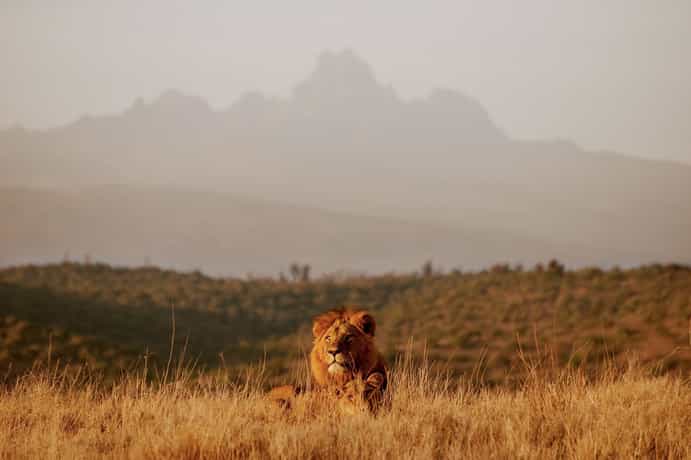
A patchwork of pretty reserves where conservation and communities are just as important as safaris.