
We're one of the World's Best Tour Operators!
Named three years running in Travel+Leisure World's Best, including No.1 in 2024
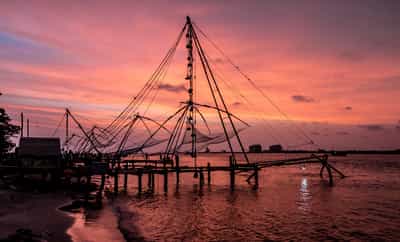
It’s often said that Kerala is India on a more manageable scale and if the frenzied cities of the rest of the country aren’t quite your cup of chai, then try Cochin. Remarkably peaceful (there’s even traffic signs that declare ‘No honking!’) and with only a few tuk-tuks to distract you from your sightseeing, the port city is a fusion of cultures and traditions that are definitely worth exploring. On a meandering walk, you’ll spot 16thcentury synagogues, Portuguese churches and intricate Dutch architecture rubbing shoulders with trendy coffee shops and pungent spice markets. Head out to the sleepy islands to watch the fishermen deftly bring in their catches with ancient Chinese nets, and, if your case isn’t already bursting, Jew Town’s antique shops and warehouses stuffed with artefacts are calling…
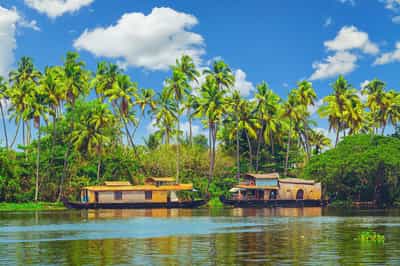
If you’ve heard of anywhere in Kerala, it’s probably the backwaters, a labyrinthine network of lakes, lagoons and canals that link quaint villages and paddy fields in the central part of the state. A one- or two-day cruise along the hyacinth-studded waters is almost a rite of passage when visiting and floating along in an antique barge is the perfect antidote to our frantic, modern world. It’s not all gliding, contemplating and relaxing, however, (although that is part of the fun) and there’s plenty of scope to moor up and explore hidden Vishnu temples, take tea on the banks, and feast on fragrant local curries. Popular sailing routes include beginning at Alleppey and sailing to Quilon or Kottalam and cruising around the whispering, palm-lined shores of Lake Vembanad – simply add a gentle breeze, a good book and a glass of something cold and you might never want to leave…
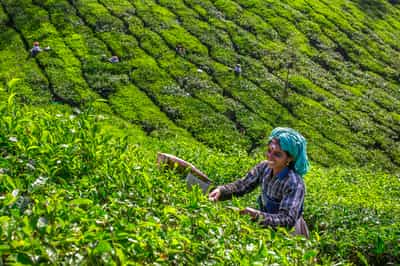
We’ll let you in on a secret: Kerala isn’t all heady spices and tropical papaya fields. In fact, as you head into the perfectly-even tea plantations of the interior highlands, the landscape is distinctly reminiscent of somewhere much further north, complete with emerald scenery and woolly-jumper temperatures. This region is the Western Ghats, the highest point in India south of the Himalayas and home to Munnar, a quaint hill town surrounded by virgin forest and, of course, tea. This high up, the mountain views are fabulous and walking expeditions and treks spectacular – Chokken Mudi provides the best views, whilst the Attukudu waterfall might leave you less breathless. And, if wildlife-spotting is on your list, try nearby Eravikulam, the state’s first national park and home to endangered mountain goat.
From placid lakes to bustling cities, ancient churches to stylish hotels, the central part of Kerala is by far the most diverse. The lovely stretch of sand that runs down the coast by Marari is a favourite amongst visitors, partly due to its proximity to Cochin and Alleppey but also largely due to its unparalleled cleanliness and stunning ecology. The water is crisp and gin-clear and perfect for a spot of swimming, snorkelling and water-skiing (and surfing if the wave Gods are in your favour) and the beach has won awards for its clever environmental programmes. And as the palm trees sway in the salty breeze, you’ll more than likely catch a glimpse of the fishermen heading out to sea over the breakers and local ladies making traditional mats and brushes. Genuine, unpretentious and picturesque.
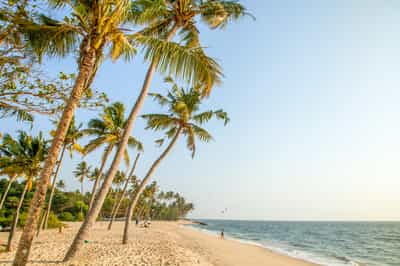
We know we said that Kerala wasn’t known for its picture-perfect beaches, but when it comes to sandy shores and waving fronds, southern Kerala does indeed score pretty highly. Kovalam, a teensy-tiny surf town where reggae fills the air, is probably the most well-known beach and crescent bays and ritzy hotels of the shoreline are stunning if sometimes busy. Head a little further in either direction and you’ll also be in for a treat; here, the cliffs get more dramatic, the beaches more deserted and the palm trees more, er, wavey. So, when should you go? For sun-splattered but temperate days, travel between October and March before the monsoon season hits in late May. Don’t ignore June, July and September totally, however, as it’s the perfect time to take Ayuverdic treatments. And the best place for them? You guessed it…
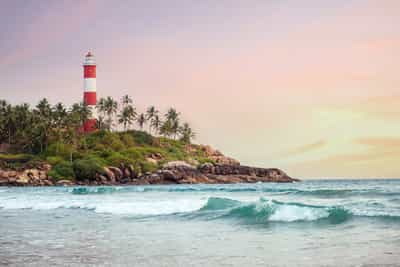
A remote stretch of coastline on northern Kerala’s Malabar Coast, just where the state borders Karnataka, Nileshwar is the place to unplug and refresh whilst the Arabian Sea laps at your toes. It’s a journey to get here and only a sprinkling of tourists ever make it, but if you do, your rewards are deserted beaches thumped by blue, blue waves, and glistening backwater canals, more tranquil than their southern counterparts. But make no mistake, this isn’t India-lite: it might give off a cool-as-a-cucumber atmosphere but there’s an exoticism and vitality that is worth seeking out. Hop on a bike and explore the local villages on two wheels, visit the impressive Bekal Fort, the largest in Kerala, and let yourself be enthralled by a masked theyyam dance…
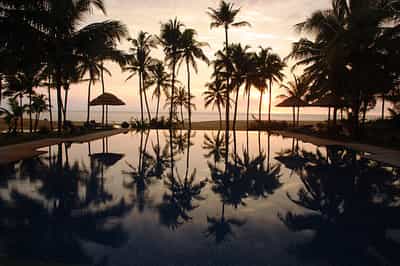
Located in the midlands of Kerala, pretty Dewalokam definitely comes up trumps in the prime real estate game. An ideal link or stopover point between popular Munnar, Periyar, Cochin and the backwaters, it’s got the practical side of things covered (and there’s no excuse not to squeeze it in to most itineraries), but the area is also really quite lovely. As you drive, take in roaming rubber and tea plantations, follow rivers wiggling through steamy jungle and breathe in the heady aromas of fields of spices. This is rural Kerala; a countryside corner that’s largely unaffected by pottering tourists, and unique, welcoming and absolutely authentic. And with only one real place to stay, you’ll probably be one of the few who get to discover it.
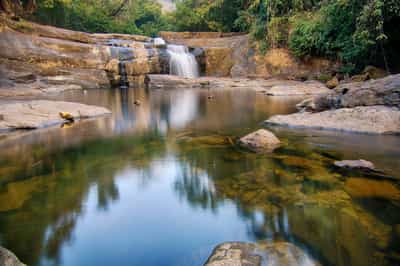


Namibrand, Namibia