



,url-https%3A%2F%2Fassets.waybird.com%2Fcdn-cgi%2Fimage%2Fwidth%3D12%2Cformat%3Dauto%2Fhttps%3A%2F%2Fassets.waybird.com%2Fimages%2Fmap%2Fpin-primary-outlined.png(39.04659027484695,12.03100974093579),url-https%3A%2F%2Fassets.waybird.com%2Fcdn-cgi%2Fimage%2Fwidth%3D12%2Cformat%3Dauto%2Fhttps%3A%2F%2Fassets.waybird.com%2Fimages%2Fmap%2Fpin-primary-outlined.png(39.04779190440757,12.03109368633254),url-https%3A%2F%2Fassets.waybird.com%2Fcdn-cgi%2Fimage%2Fwidth%3D12%2Cformat%3Dauto%2Fhttps%3A%2F%2Fassets.waybird.com%2Fimages%2Fmap%2Fpin-primary-outlined.png(39.066233087208545,12.001029908952175)/auto/600x400?access_token=pk.eyJ1IjoidGltYnVrdHV0cmF2ZWwiLCJhIjoiY2poMGw1eHpkMmRkbDJ6bW8xYWZ5OGpjYyJ9.PYvAO7lUJ40SOpGvwmQLqw&attribution=false&logo=false)


Planning Guides
Ethiopia Travel Guide
Explore the continent’s hottest new country
Lalibela

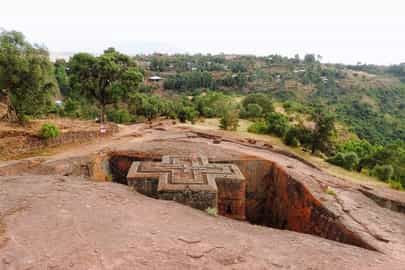
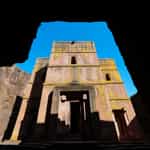
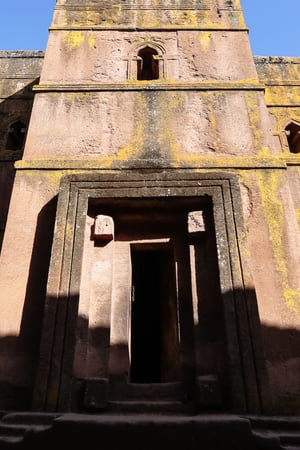
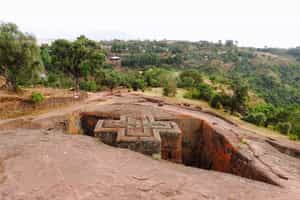
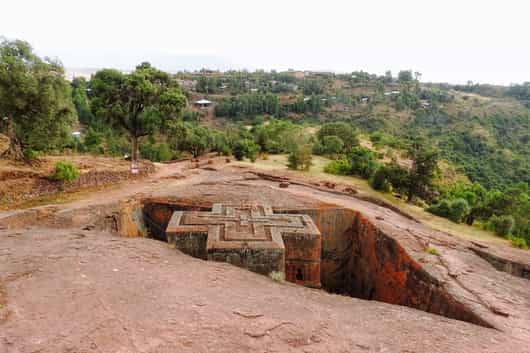
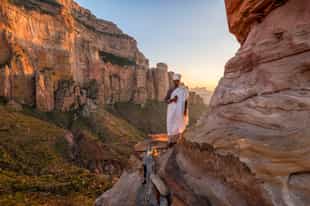
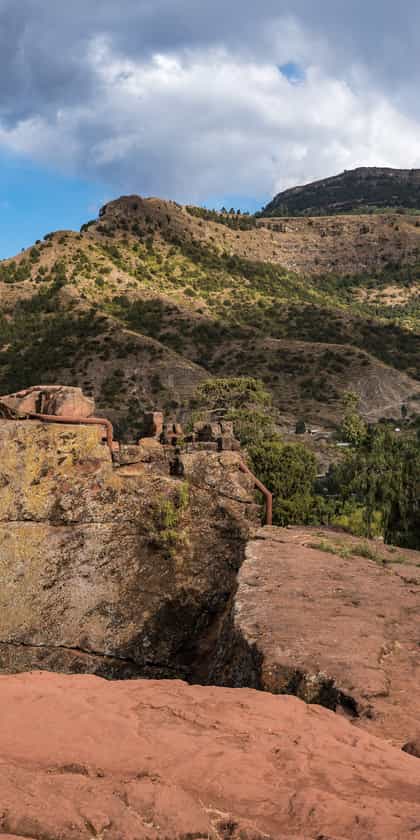
If there’s one place you might have heard of in Ethiopia, it’s the rock hewn churches of Lalibela – but nothing can prepare you for the moment you see them with your own eyes. Built in the 12th century as a ‘Second Jerusalem’, the 11 spectacular churches were carved by hand into the pastel-red mountains and connected by a warren of tunnels. Each is uniquely extraordinary, delicate yet majestic, and perfectly preserved. Today, the atmosphere is an intoxicating blend of awe and reverence, amplified by the thousand-strong crowds of monks, nuns and worshippers visiting on pilgrimages. This really is Christianity in its most raw and immense form.
Start with a recommended trip or create one from scratch
Get advice and suggestions to make this your perfect trip.
or call us on: +1 (646) 542 0667
Dry Season — one of the best times to visit
Dry Season — one of the best times to visit
Dry Season — one of the best times to visit
Dry Season — a good time to visit
Dry Season — a good time to visit
Wet Season — a good time to visit
Wet Season — a quieter time to visit
Wet Season — a quieter time to visit
Wet Season — a quieter time to visit
Dry Season — a good time to visit
Dry Season — one of the best times to visit
Dry Season — one of the best times to visit


Why travel with Timbuktu?

We've been crafting one-of-a-kind journeys since 2014 — over 2,500 trips across 40+ countries, each one built from scratch around your interests and dreams.

Our team only recommends places they've slept in, eaten in, and happily keep going back to. Condé Nast Traveler named 11 of them Top Travel Specialists in 2026, and Travel+Leisure made three A-List Advisors.

Travel+Leisure's readers voted us the World's No.1 Tour Operator in 2024 and No.2 in 2025 — the travel industry's biggest readers' award, judged by people who actually travel.

$50 from every booking goes to female empowerment, tech education, and conservation projects across the countries we love. We have donated $78,000 so far – and it's going up!

Your travel specialist is with you the whole way, dreaming up the trip, building the itinerary, checking you in, and answering the 2am question from the other side of the world..

We are rated 4.9 out of 5 from 995 verified Feefo reviews. And these are the words of people who actually went, not us talking about ourselves.
11 Condé Nast Traveler Top Travel Specialists 2026

No. 1 & No. 2 Tour Operator in Travel + Leisure's Best Awards 2024 & 2025

Best Booking Platform in Women's Health Travel Awards 2025

Travel Specialist voted as Latin America A-List Travel Advisor 2025

"Timbuktu can take relatively complex and slightly amorphous travel plans and transform them into a well-organized, perfectly tailored trip."