Planning Guides
Ethiopia Travel Guide
Explore the continent’s hottest new country
Ethiopia
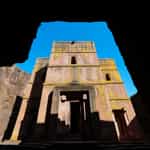
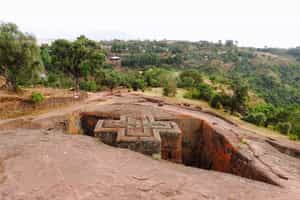
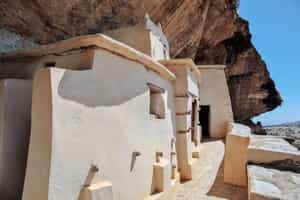
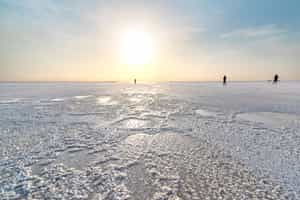
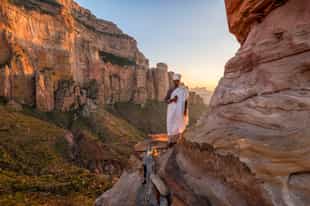
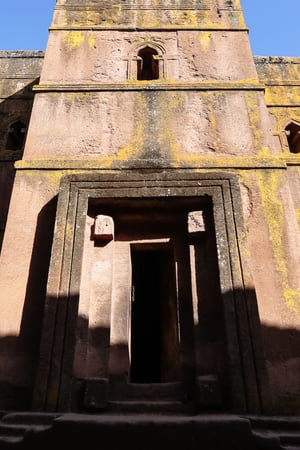
From the rock-hewn churches of Lalibela to the volcanic Danakil Depression, Ethiopia is a world lost in time.

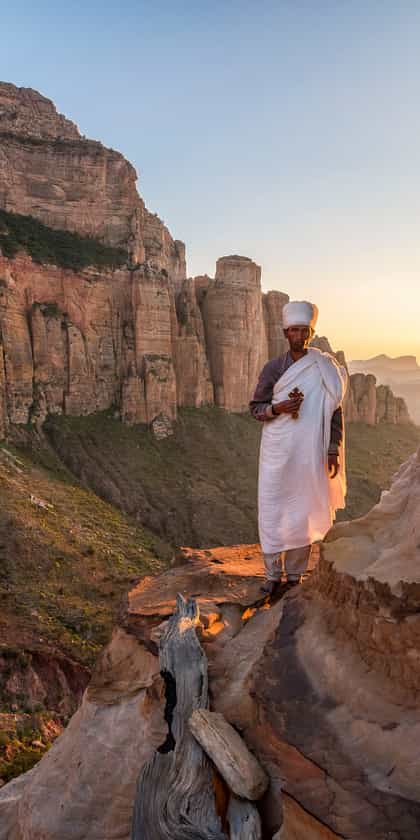
Cast aside everything you thought you knew about Ethiopia and start from the beginning. The oldest, independent nation in sub-Saharan Africa, the country was Christian before much of Europe and its cultural identity is peerless, beautiful and enchanting. Today, the economy is developing quickly and international visitors are beginning to trickle in but the experiences are still timeless and quite unlike anything else on the continent. Ancient treasures and medieval monuments rub shoulders with breath-taking national parks home to rare and endemic species, and in the south, you’ll find fascinating indigenous groups that offer a glimpse into a forgotten realm. But be warned – one trip will lead to a love affair that will bring you back again… and again.

Few countries are so mired in misconception as Ethiopia; but in reality, it’s enthralling, unique and utterly beautiful with layers upon layers of history, culture and religion waiting to be explored if you’re willing to head just a little out of your comfort zone…

One of the most poignant ways to witness the traditions and cultures of Ethiopia’s communities is to visit during a festival; the passion, fervour and intensity of the celebrations will stay with you for life.

Ethiopia is not a country for gold-tap luxuries; the travel conditions are trying and lodges can be limited but if you come prepared, there’s no other destination like it.
Start with a recommended trip or create one from scratch
10 nights from $6.7K per person
9 nights from $4.2K per person
10 nights from $4.5K per person
11 nights from $6.3K per person
10 nights from $7.1K per person
Get advice and suggestions to make this your perfect trip.
or call us on: +1 (646) 542 0667
Uncover the curiosities of Ethiopia from its intriguing tribes and ancient churches to its unique mountain wildlife and the fiery depths of the Danakil Depression. Ethiopia is truly other-worldly.
,url-https%3A%2F%2Fassets.waybird.com%2Fcdn-cgi%2Fimage%2Fwidth%3D12%2Cformat%3Dauto%2Fhttps%3A%2F%2Fassets.waybird.com%2Fimages%2Fmap%2Fpin-primary-outlined.png(39.6848485,6.9241259),url-https%3A%2F%2Fassets.waybird.com%2Fcdn-cgi%2Fimage%2Fwidth%3D12%2Cformat%3Dauto%2Fhttps%3A%2F%2Fassets.waybird.com%2Fimages%2Fmap%2Fpin-primary-outlined.png(36.6727613,6.5514256),url-https%3A%2F%2Fassets.waybird.com%2Fcdn-cgi%2Fimage%2Fwidth%3D12%2Cformat%3Dauto%2Fhttps%3A%2F%2Fassets.waybird.com%2Fimages%2Fmap%2Fpin-primary-outlined.png(39.0286943,12.0324362),url-https%3A%2F%2Fassets.waybird.com%2Fcdn-cgi%2Fimage%2Fwidth%3D12%2Cformat%3Dauto%2Fhttps%3A%2F%2Fassets.waybird.com%2Fimages%2Fmap%2Fpin-primary-outlined.png(37.4420273,12.6033441),url-https%3A%2F%2Fassets.waybird.com%2Fcdn-cgi%2Fimage%2Fwidth%3D12%2Cformat%3Dauto%2Fhttps%3A%2F%2Fassets.waybird.com%2Fimages%2Fmap%2Fpin-primary-outlined.png(38.7115707,14.1326177),url-https%3A%2F%2Fassets.waybird.com%2Fcdn-cgi%2Fimage%2Fwidth%3D12%2Cformat%3Dauto%2Fhttps%3A%2F%2Fassets.waybird.com%2Fimages%2Fmap%2Fpin-primary-outlined.png(37.3762993,11.5904723),url-https%3A%2F%2Fassets.waybird.com%2Fcdn-cgi%2Fimage%2Fwidth%3D12%2Cformat%3Dauto%2Fhttps%3A%2F%2Fassets.waybird.com%2Fimages%2Fmap%2Fpin-primary-outlined.png(38.7352143,8.9909998),url-https%3A%2F%2Fassets.waybird.com%2Fcdn-cgi%2Fimage%2Fwidth%3D12%2Cformat%3Dauto%2Fhttps%3A%2F%2Fassets.waybird.com%2Fimages%2Fmap%2Fpin-primary-outlined.png(39.2827818,13.8255547),url-https%3A%2F%2Fassets.waybird.com%2Fcdn-cgi%2Fimage%2Fwidth%3D12%2Cformat%3Dauto%2Fhttps%3A%2F%2Fassets.waybird.com%2Fimages%2Fmap%2Fpin-primary-outlined.png(40.2741301,14.2418078),url-https%3A%2F%2Fassets.waybird.com%2Fcdn-cgi%2Fimage%2Fwidth%3D12%2Cformat%3Dauto%2Fhttps%3A%2F%2Fassets.waybird.com%2Fimages%2Fmap%2Fpin-primary-outlined.png(38.601261,7.19679),url-https%3A%2F%2Fassets.waybird.com%2Fcdn-cgi%2Fimage%2Fwidth%3D12%2Cformat%3Dauto%2Fhttps%3A%2F%2Fassets.waybird.com%2Fimages%2Fmap%2Fpin-primary-outlined.png(42.1185457,9.3120912)/auto/600x400?access_token=pk.eyJ1IjoidGltYnVrdHV0cmF2ZWwiLCJhIjoiY2poMGw1eHpkMmRkbDJ6bW8xYWZ5OGpjYyJ9.PYvAO7lUJ40SOpGvwmQLqw&attribution=false&logo=false)
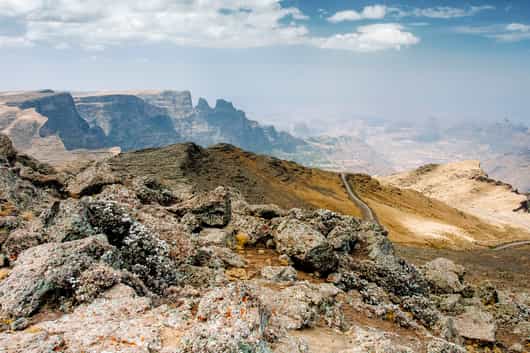
Ethiopia
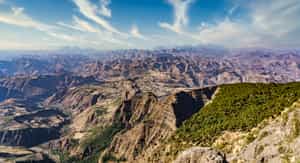
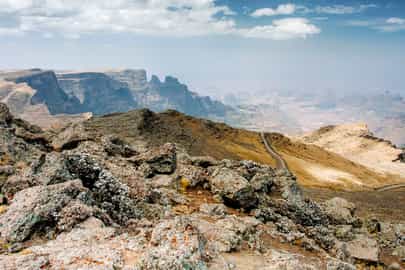
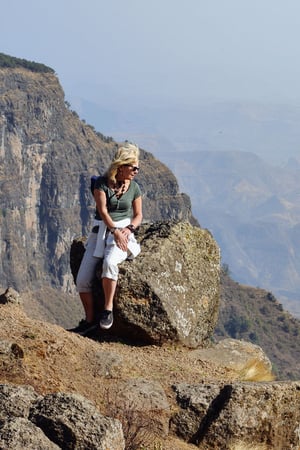
Hold your nerve for a visit to the lofty massifs of Simien and the spectacular panoramas that follow.
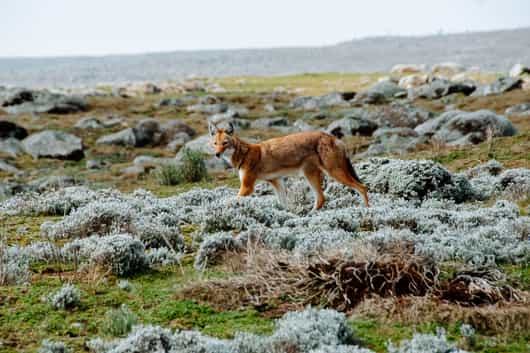
Ethiopia
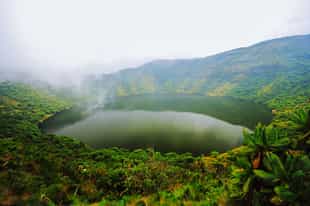
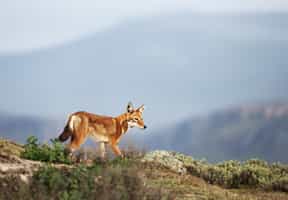
Hike through the rarefied and dramatic landscape in search of Ethiopian wolf and endemic species.
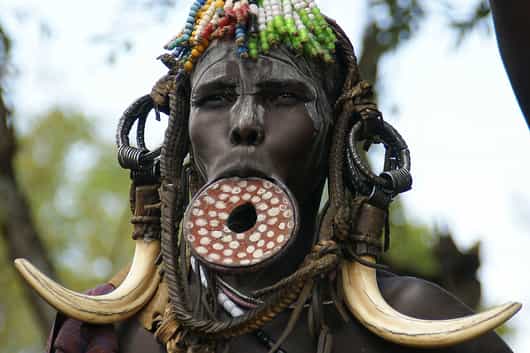
Ethiopia
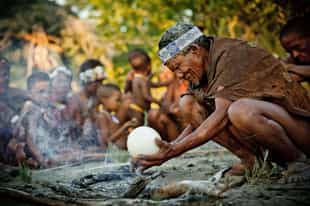
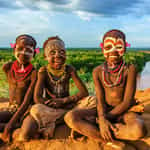
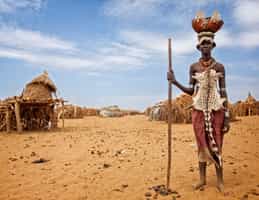
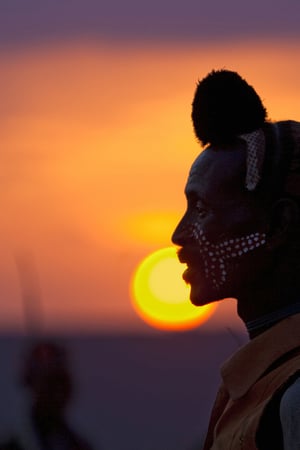
Meet the most remarkable indigenous groups in Africa in this bizarre land, untouched by time.
Ethiopia’s weather patterns are almost entirely opposite to the majority of the main safari countries, with the best time to visit being from roughly the end of September to April. As well as beautiful weather and balmy temperatures, there are several festivals at this time of year adding another drawcard to the season. November and December are wonderful times to visit the Omo Valley and the Danakil Depression too – it’s cool and there’s hardly any chance of rainfall. In the highest areas of the country (Bale and Simien mountains for example), the temperatures are significantly lower and a jumper and scarf will come in handy at all times of year! For the central and northern parts of the country, the rainy season is from roughly June to September. The rain comes in short, sharp bursts and can make travelling tricky with flooding a real issue. Travel at this time of year is probably best avoided.

Dry Season — one of the best times to visit
Timkat – or the Ethiopian Epiphany – takes place towards the end of January. Gondar’s Fasilades’ Bath is one of the best places to experience the occasion and thousands plunge into the water at dawn. But, it is an incredibly busy time to visit.
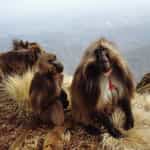
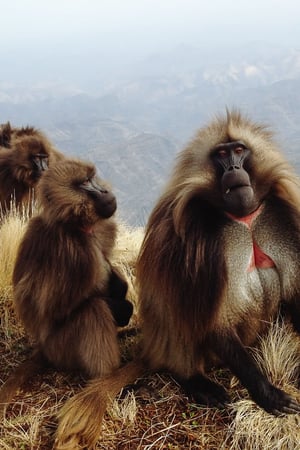
Wildlife spotting in the mountains is excellent in January. Large troops of gelada baboons and Walia ibex move through the Simien Mountain, and in the Bale Mountains, critically endangered Ethiopian wolves stalk across the Sanetti Plateau.
Pleasant weather makes this an ideal month for exploring the Omo Valley, meeting the unique tribes that call it home. Ethiopia often boasts 13 months of sunshine due to their unique calendar system and the rarity of having a full day of rain!
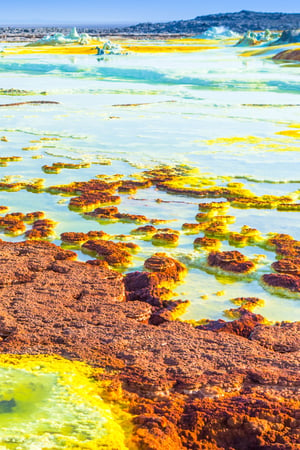
One of the lowest and hottest places on Earth, the Danakil Depression is at its least scorching in January. Make the most of the weather with volcano treks and explorations of the Dallol sulphur springs.
Dry Season — one of the best times to visit
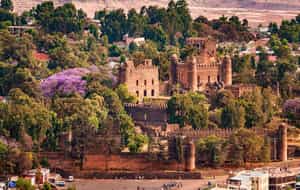
With fewer crowds than January and still-temperate days, this is an ideal time to visit the famous churches of Lalibela.
For excellent chances of Ethiopian wolf sightings, head for the Sanetti Plateau in Bale Mountains – you may even be lucky enough to spot newborn pups near dens.
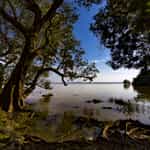
The Rift Valley Lakes are rife with migratory Palearctic birdlife, including great flocks of greater and lesser flamingos.
Idyllic weather in the Omo Valley promises easy journeys and pleasant days spent in the company of some of Africa’s most incredible tribes. Hamar bull jumping ceremonies are rather common too.
This is a wonderful month to visit Harar as they celebrate the Shuwalid Festival, six days after Ramadan, featuring music, dance and prayers at historic shrines. You can even witness the famous hyena feedings with local celebrity, the ‘Hyena Man’.
Dry Season — one of the best times to visit
As the Belg small rains approach, parts of Ethiopia start to receive wetter weather. However, this is still a fantastic time for exploring the castles and churches of ‘Africa’s Camelot’, Gondar.
In the Simien Mountains, the Walia ibex’s mating season begins with males putting on quite a show, while Ethiopian wolf pups emerge from their dens on the Sanetti Plateau – a favourite among photographers.
This is the last reliable month for visiting the tribes of Omo Valley before the rains begin in earnest.
Dry Season — a good time to visit
Fasika (Ethiopian Easter) typically falls in mid to late April, creating a unique atmosphere in Lalibela and Axum, and Palm Sunday processions are particularly colourful.
Early in the month, Ethiopian wolf sightings are still possible in the Bale Mountains and wildflowers begin carpeting the highlands.
In the Danakil Depression, temperatures reach scorching heights and exploring becomes near impossible.
Dry Season — a good time to visit
Some may be put off by occasional rain but this is still a fine (and less busy) time to explore Ethiopia’s ‘Historic Route’ including Lalibela and Gondar.
Showers in the highlands usually occur in the afternoon and wildflowers continue to bloom. Ethiopian wolves, Gelada baboons and birdlife in the forests of Bale’s southern slopes make for stunning sightings.
The Omo Valley is practically inaccessible while the Danakil Depression endures extreme temperatures, so we would definitely avoid both.
Wet Season — a quieter time to visit
The Kiremt main rainy season kicks off in Ethiopia’s highlands. But June also signals a dry period in the Omo Valley so enjoy the landscape at its lushest and gain fascinating insight into the region’s tribes.
Trekking in the Simien and Bale Mountains becomes very limited due to the rains but some lower-altitude spots in the Rift Valley remain enjoyable.
The Danakil Depression is a no-go zone with the possibility of washed-out roads and temperatures sitting consistently above 45°C.
Wet Season — a quieter time to visit
As heavy rains make most of Ethiopia difficult (the Historic Route) or impossible (the mountains) to visit, this means far fewer tourists and excellent prices. Addis Ababa may receive sleet and gets rather chilly.
On the flip side, this is one of the best months for visiting the Omo Valley (although it will be hot) as tribal communities go about their daily lives, markets are open and there are less visitors to share it all with.
Harar remains mostly unaffected by highland rains and the nightly hyena feeding ritual takes place as it has done for over 500 years.
Wet Season — a quieter time to visit
Omo Valley remains superb to visit with rain-free days (they will be predictably hot) and authentic, crowd-free visits with the region’s tribespeople.
The gateway to Ethiopia, Addis Ababa, remains navigable despite the rainy weather with plenty of museums and restaurants to enjoy.
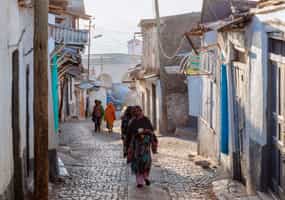
Weather in Harar is pleasant, perfect for exploring its maze-like alleyways and mosques, and marvelling at the famous hyena feeding stations.
Wet Season — a quieter time to visit
A period of transition throughout Ethiopia, September brings fantastic photography conditions with blooming, green landscapes and superb lighting.
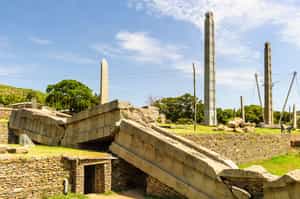
The rains begin to ease across historic cities like Axum, Lalibela and Gondar and it’s a good time to explore. Ethiopian New Year (Enkutatash) is also celebrated on 11 September (or 12th in a leap year) across major cities.
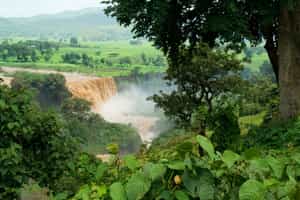
Following the heavy rains, the Blue Nile Falls are at their maximum flow – spectacular to see but be prepared for muddy trails.
Celebrated with Demera bonfires, singing, dancing and colourful processions, Meskel is a major Ethiopian Orthodox Christian festival taking place on 27 September (or 28th in a leap year).
Dry Season — a good time to visit
This is a fantastic time to visit the Danakil Depression as routes are accessible once again and temperatures begin to lower.
Trekking in the Bale and Simien Mountains is superb, with Ethiopian wolves actively hunting across the former, and Gelada baboons moving strikingly against a backdrop of wildflowers.
Migratory birds arrive in full force at the Rift Valley lakes with the possibility of seeing up to 500 species.
Dry Season — one of the best times to visit
Across the board, November is one of the best months for exploring much of Ethiopia, but be prepared to book early and share your sightseeing with others.
Both the Danakil Depression and Omo Valley have ideal weather for active pursuits and cultural interactions.
This is a fantastic time for Ethiopian wolf sightings as they’re highly active across the Sanetti Plateau.
Coffee harvest season reaches a peak with the chance to see traditional picking and processing methods unique to Ethiopia.
Dry Season — one of the best times to visit
Although admittedly busy, this is a top-notch time for sightseeing in Lalibela, Axum and Gondar.
The Danakil Depression is at its most comfortable, with temperatures below 40°C.
Wildlife viewing is spectacular and there’s a good chance of seeing Ethiopian wolves in the Bale Mountains and troops of Gelada baboobs in the Simien Mountains.

Bole International Airport in the capital city, Addis Ababa, is Ethiopia's only international airport. It’s a modern airport (by African standards!) but there are not many facilities in the airport itself – the last time we visited there was a 24-hour bank, a restaurant and a few cafes, along with a few duty-free shops and a bar in departures. Depending on your arrival time, you may have to overnight in Addis before departing to your first lodge or hotel the following day. International flights Ethiopia’s national airline, Ethiopian Airlines, is one of the best and largest airlines in Africa. The fleet of planes is modern and their safety record excellent, and it’s definitely worth investigating flying with them from Europe. Other major airlines flying to the county include Turkish Airlines, Emirates, Kenya Airways, KLM and Lufthansa. We would recommend booking your flights online in order to get the best rates. If you need any help or advice on this, please let us know. Flights in August and over Easter, Christmas and New Year should be booked well in advance. Ethiopians living abroad visit their families during this time, and tour groups often try to coincide with the major festivals. Ticket prices are substantially higher during this time. Domestic flights and transfers Connecting between all the locations on your trip may necessitate a variety of modes: light aircraft charters, domestic commercial flights and road transfers. Please review the inclusions and exclusions on your specific trip page for details. If you need help understanding the best flights to book, please let us know. From the moment that you land in Ethiopia, you will be greeted and assisted to your onward connections. You will be looked after from that point on until you are transferred back to the airport in time for your international departure flight. The road conditions in Ethiopia are generally poor, and the mountainous topography in the north will cut speed substantially. Some of the drives are long (and a little bumpy!) but consider this part of the experience – the scenery that you pass is astonishingly beautiful.
Please consult your personal physician and/or a travel clinic preferably 6 weeks prior to your departure. Vaccine requirements vary based on your country of origin, your travel itinerary and your previous vaccination history. It is best to consult with your physician or the CDC website for guidelines. Important vaccinations to consider and which may either be required or recommended are: Yellow Fever, Typhoid, Hepatitis A & B and Cholera, among others. Please always carry your "International Certificate of Vaccination or Prophylaxis (ICVP)" (or "Yellow Card") with you. Malaria We advise that you consult a medical practitioner at least six weeks prior to travel for up to date advice but Malaria is present in Ethiopia and it is strongly advisable to take malaria prophylactics before, during and after your visit. Please consult a medical professional regarding which prophylactics will be suitable for you. In addition to the recommendations of your travel clinic or physician, you may also consider the following proactive preventative measures: • Apply insect repellent to exposed skin. Recommended repellents contain 20-35% DEET but it is a very virulent repellent, and should be used cautiously. • Wear long-sleeved clothing and long pants at dawn and dusk, as well as closed shoes. • Use a mosquito net if your tent or room isn't screened or air-conditioned; and spray insecticide or burn a mosquito coil before going to bed. If you come down with flu-like symptoms either during or within four to six weeks after your visit to a malaria area, seek a doctor's advice immediately and let him/her know that you have been in a malaria area. You can also visit https://www.who.int/news-room/fact-sheets/detail/malaria for more information or see a full map of affected countries here - https://www.who.int/data/gho/data/themes/malaria. Yellow Fever Proof of a Yellow Fever vaccination is no longer mandatory for travellers visiting Ethiopia and the laws state that you will only be required to show one if you are arriving from a country with a risk of Yellow Fever, or have recently travelled in a country with a risk, but this is subject to change (and without much notice!). Please seek advice from a medical professional before you travel. We recommend that you carry your "International Certificate of Vaccination or Prophylaxis (ICVP)" (or "Yellow Card") with you at all times. Communication Ethiopia country code: +251 Calling overseas from Ethiopia: From a landline dial 00 followed by the country code plus area code and number. e.g. USA: 00 1 910 795 1048 When calling from a cell phone dial + prefix followed by the country code plus area code and number. e.g. USA: + 1 910 795 1048 All modern forms of communication (telephone, mobile, fax, and Internet) are available in Ethiopia, but are not always the most reliable, especially by the standard you may be used to! Reliable internet cafes are located throughout Addis Ababa and major cities outside of the capital and large hotels will also have Wi-Fi but network is often a problem. Elsewhere in the country, however, internet usage and access is rare and slow.
Money The currency in Ethiopia is the Ethiopian Birr (ETB). You can convert money to ETB at a bank or Forex Bureau, or withdraw from an ATM, all found in the larger airports and towns (but please check with your bank for charges and advice when using international ATMs). VISA and Mastercard are the most widely recognised credit cards, but are not always accepted even in the top hotels and restaurants. American Express has limited to no coverage. We advise that you carry just enough cash with you, either in USD (the preferred foreign currency) or ETB, as a back-up. Traveller’s cheques are becoming increasingly difficult to cash, but if you do bring them, make sure they are in USD and expect to cash them only at larger bank branches in major towns. IMPORTANT: When bringing foreign currency (e.g. USD, GBP, EUR) into the country, be sure to have the new format (post 2006) with no damage or marks. Gratuities Gratuities are not compulsory or expected; rather it is a reward for excellent service. If you are pleased with the service you receive, you are more than welcome to tip your guide or the staff. Tipping is usually done at the end of your stay in a hotel or lodge. You may tip the staff individually, give the tip to the manager to distribute, or do both. Tips can be made in Ethiopian Birr (ETB), USD, GBP or EUR. Having a good wad of small notes – Birr1 and Birr5 – is a very good idea and will always come in useful for tips for porters, taking photographs, etc. Gratuities suggestions: • Safari camp or regional guides/drivers: $10 - $15 per guest per day • Porter: $1 per bag • Ranger or any “ancillary” guides on an ad-hoc basis for a specific activity: $3 - $5 per guest per activity • General camp/lodge staff: $7 - $10 per guest per day • Waiters in restaurants: 5% - 10% (a large group may incur automatic service charge - please check)
Insurance It is a condition of booking that you carry the correct comprehensive travel and medical insurance to cover yourself, as well as any dependents/travelling companions for the duration of your trip. This insurance should include cover in respect of, but not limited to, the following eventualities: Compulsory Insurance: a. Emergency evacuation expenses b. Medical expenses c. Repatriation expenses Recommended Insurance: a. Cancellation or curtailment of trip b. Damage/theft/loss of personal luggage, money and goods
Currently all visitors, with the exception of Kenyan and Djiboutian nationals, need visas to visit Ethiopia. Passports MUST be valid for at least six months from your departure from Ethiopia to home. There must be at least TWO (we recommend four) consecutive blank VISA pages in the passport (not endorsement pages). Immigration control in African countries can be very strict, so please ensure all requirement are met before travel. Most visitors flying into Addis Ababa can either obtain an e-visa beforehand (www.evisa.gov.et) or acquire a one-month visa upon landing (US$50). If obtained on entry, visas must be paid for in cash in USD. If arriving by land, you must obtain a visa at an Ethiopian embassy in advance. Visas are not currently issued at land borders. Please contact the embassy or consultant in your home country to reconfirm visa requirements as they change often. Visa Central is also a good resource for further information. As a general precaution, we recommend you make several copies of your travel-related documents (passport, traveller’s cheques, credit cards, itinerary, airline tickets, insurance cover, visas, etc). Leave one set at home, and bring another set with you, and place it in a location separate from your originals.
Climate There are two seasons in Ethiopia: the dry season prevails from October through May and the wet season runs from June to September. As a general rule, the climate is hot in the lowlands and temperate in the highlands. Most of the country is on a high plateau which keeps the climate pleasant and the sky is more often than not blue and sun-filled, but it can get extremely hot in the desert and Red Sea coastal areas. The rains fall from June to September but even during this time, do not underestimate the strength of the equatorial sun. Dress Code Ethiopia is a very traditional country and most people, both Christian and Muslim, dress very modestly by Western standards. Although this is changing in parts of the country (especially Addis Ababa), we advise that you wear conservative clothing throughout Ethiopia. For women, long shirts and dresses that cover the shoulders and knees are ideal. Trousers are fine but shorts and sleeveless tops will be frowned upon. Men should generally wear long trousers and a shirt or T-shirt covering the shoulders. Going shirtless is totally unacceptable and shorts are widely considered to be undignified attire for adult men. Generally speaking, light layers of clothing in neutral safari colours of green, khaki and beige are the best items to bring with you (even if you aren’t going on safari!). Dark colours such as navy or black can attract tstese flies and are best avoided, as are bright colours like yellow, red and purple (this is particularly important if you are going on safari). What to Pack. • Loose layers – long-sleeve shirts, trousers etc • A light scarf or sarong to cover up if required. • A warm fleece or jumper. • A lightweight waterproof jacket. • Comfortable but sturdy shoes • Socks (for wearing in temples & churches). • Flip-flops. • Swimming costume (Bathing suit) • A hat or baseball cap • Sunglasses • Sunscreen – a must! • Toiletries – most camps will provide shampoo, shower gel and soap but if you can, bring a small supply. • A small torch • Spare batteries, plug adaptors and charging equipment • A good pair of Binoculars (8x40/8x42 is recommended) • Books or a fully loaded Kindle / iPad. Most camps and lodges will have a small medical and first aid kit, but we recommend bringing your own supply of essentials - cough medicine, plasters, vitamins, aspirin and paracetamol, and anything else you use on a regular basis. Camera Equipment (for the enthusiasts! • A telephoto lens (200/300mm) • Flash and fast film (400 ASA) for night photography • Lots of film (64,100,200,400 ASA) if using an SLR camera • Spare memory cards for digital cameras • Camera cleaning equipment and a good dust proof bag • Bring spare batteries as although you may recharge your batteries at the camps, charging capacity can be limited NB There are no genuine taboos on photography in Ethiopia and it’s fine to photograph both the interior and exterior of churches and mosques from the outside, and Ethiopians are generally relaxed about foreigners photographing street scenes. It is however unacceptable to photograph local people without permission, which will often be refused, or given subject to a few Birr changing hands afterwards. This is particularly the case in South Omo. Luggage Please check with your airlines for the specific luggage restrictions relevant to your flight schedule. Most international airlines have a baggage allowance of 20kgs or more per person and some commercial airlines permit two (2) pieces of checked luggage per person, but this varies for each airline. The carry-on bag must be of such dimensions and weight as set by the airlines. Luggage restrictions on internal flights Please be advised that on most domestic flights in Ethiopia, luggage is limited to one SOFT bag per person with a maximum weight of 20kg/44 lbs. It is advisable to avoid large, hardshell bags and suitcases as well as bulky hand luggage, as space can be limited. Electricity Ethiopia uses 220/230V, 50Hz, and sockets take mostly 2-prong narrow round plugs but sometimes also 3-prong round plugs; it is advisable to bring an adapter/convertor combination. Most hotel rooms have sockets for 110V electric razors. Electricity, even in the larger towns, can be prone to fluctuations and cuts, but most hotels and lodges have generators that kick in almost instantly. General facts • About 90 per cent of the population earn their living from the land, mainly as subsistence farmers. Agriculture is the backbone of the national economy and the principal exports from this sector are coffee, oil seeds, pulses, flowers, vegetables, sugar and foodstuffs for animals. There is also a thriving livestock sector, exporting cattle on the hoof and hides and skins. • Ethiopia has 80 languages, but Amharic, Oromigna and the Semitic Tigrigna are the major languages used by two-thirds of the population. Amharic is the official language
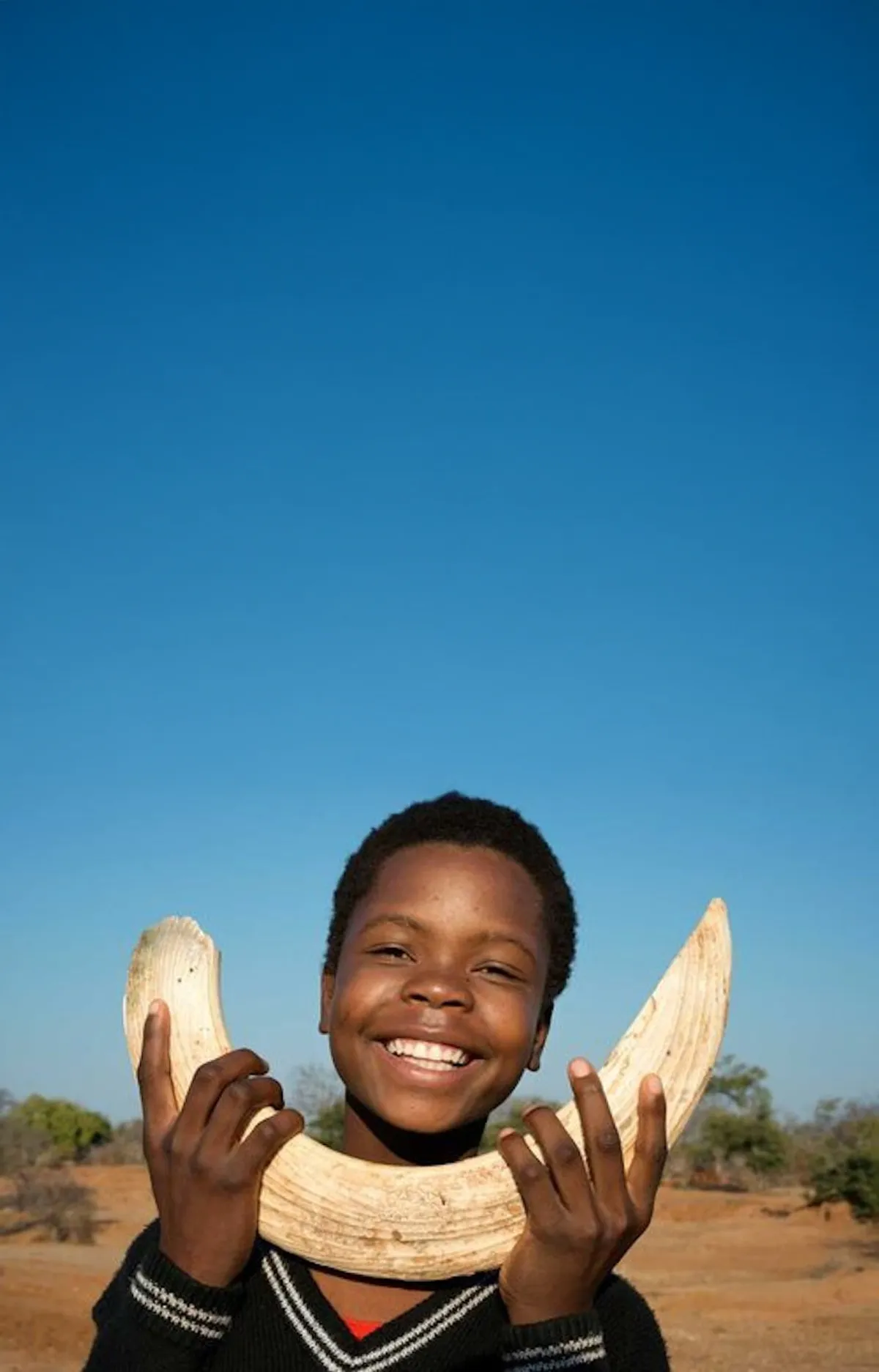
We’re big believers in leaving a positive impact in the countries in which we operate. We’re proud to donate $50 for every booking to projects focusing on female empowerment, tech education, conservation, and so much more.
Our dream is to empower our guests to travel with a purpose.
So far, we’ve donated $107,000 to projects across the globe.


Why travel with Timbuktu?
We've been crafting one-of-a-kind journeys since 2014 — over 2,500 trips across 40+ countries, each one built from scratch around your interests and dreams.

Our team only recommends places they've slept in, eaten in, and happily keep going back to. Condé Nast Traveler named 11 of them Top Travel Specialists in 2026, and Travel+Leisure made three A-List Advisors.

Travel+Leisure's readers voted us the World's No.1 Tour Operator in 2024 and No.2 in 2025 — the travel industry's biggest readers' award, judged by people who actually travel.

$50 from every booking goes to female empowerment, tech education, and conservation projects across the countries we love. We have donated $78,000 so far – and it's going up!
Your travel specialist is with you the whole way, dreaming up the trip, building the itinerary, checking you in, and answering the 2am question from the other side of the world..

We are rated 4.9 out of 5 from 997 verified Feefo reviews. And these are the words of people who actually went, not us talking about ourselves.
11 Condé Nast Traveler Top Travel Specialists 2026

No. 1 & No. 2 Tour Operator in Travel + Leisure's Best Awards 2024 & 2025

Best Booking Platform in Women's Health Travel Awards 2025

Travel Specialist voted as Latin America A-List Travel Advisor 2025

"Timbuktu can take relatively complex and slightly amorphous travel plans and transform them into a well-organized, perfectly tailored trip."