Planning Guides
Ethiopia Travel Guide
Explore the continent’s hottest new country

Ethiopia’s weather patterns are almost entirely opposite to the majority of the main safari countries, with the best time to visit being from roughly the end of September to April. As well as beautiful weather and balmy temperatures, there are several festivals at this time of year adding another drawcard to the season. November and December are wonderful times to visit the Omo Valley and the Danakil Depression too – it’s cool and there’s hardly any chance of rainfall. In the highest areas of the country (Bale and Simien mountains for example), the temperatures are significantly lower and a jumper and scarf will come in handy at all times of year! For the central and northern parts of the country, the rainy season is from roughly June to September. The rain comes in short, sharp bursts and can make travelling tricky with flooding a real issue. Travel at this time of year is probably best avoided.

Dry Season — one of the best times to visit
Timkat – or the Ethiopian Epiphany – takes place towards the end of January. Gondar’s Fasilades’ Bath is one of the best places to experience the occasion and thousands plunge into the water at dawn. But, it is an incredibly busy time to visit.
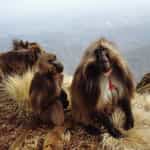
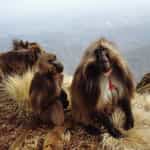
Wildlife spotting in the mountains is excellent in January. Large troops of gelada baboons and Walia ibex move through the Simien Mountain, and in the Bale Mountains, critically endangered Ethiopian wolves stalk across the Sanetti Plateau.
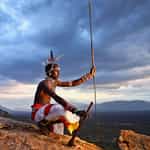
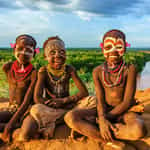
Pleasant weather makes this an ideal month for exploring the Omo Valley, meeting the unique tribes that call it home. Ethiopia often boasts 13 months of sunshine due to their unique calendar system and the rarity of having a full day of rain!
One of the lowest and hottest places on Earth, the Danakil Depression is at its least scorching in January. Make the most of the weather with volcano treks and explorations of the Dallol sulphur springs.
Dry Season — one of the best times to visit
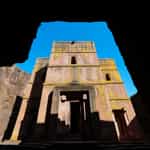
With fewer crowds than January and still-temperate days, this is an ideal time to visit the famous churches of Lalibela.
For excellent chances of Ethiopian wolf sightings, head for the Sanetti Plateau in Bale Mountains – you may even be lucky enough to spot newborn pups near dens.
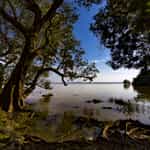
The Rift Valley Lakes are rife with migratory Palearctic birdlife, including great flocks of greater and lesser flamingos.
Idyllic weather in the Omo Valley promises easy journeys and pleasant days spent in the company of some of Africa’s most incredible tribes. Hamar bull jumping ceremonies are rather common too.
This is a wonderful month to visit Harar as they celebrate the Shuwalid Festival, six days after Ramadan, featuring music, dance and prayers at historic shrines. You can even witness the famous hyena feedings with local celebrity, the ‘Hyena Man’.
Dry Season — one of the best times to visit
As the Belg small rains approach, parts of Ethiopia start to receive wetter weather. However, this is still a fantastic time for exploring the castles and churches of ‘Africa’s Camelot’, Gondar.
In the Simien Mountains, the Walia ibex’s mating season begins with males putting on quite a show, while Ethiopian wolf pups emerge from their dens on the Sanetti Plateau – a favourite among photographers.
This is the last reliable month for visiting the tribes of Omo Valley before the rains begin in earnest.
Dry Season — a good time to visit
Fasika (Ethiopian Easter) typically falls in mid to late April, creating a unique atmosphere in Lalibela and Axum, and Palm Sunday processions are particularly colourful.
Early in the month, Ethiopian wolf sightings are still possible in the Bale Mountains and wildflowers begin carpeting the highlands.
In the Danakil Depression, temperatures reach scorching heights and exploring becomes near impossible.
Dry Season — a good time to visit
Some may be put off by occasional rain but this is still a fine (and less busy) time to explore Ethiopia’s ‘Historic Route’ including Lalibela and Gondar.
Showers in the highlands usually occur in the afternoon and wildflowers continue to bloom. Ethiopian wolves, Gelada baboons and birdlife in the forests of Bale’s southern slopes make for stunning sightings.
The Omo Valley is practically inaccessible while the Danakil Depression endures extreme temperatures, so we would definitely avoid both.
Wet Season — a quieter time to visit
The Kiremt main rainy season kicks off in Ethiopia’s highlands. But June also signals a dry period in the Omo Valley so enjoy the landscape at its lushest and gain fascinating insight into the region’s tribes.
Trekking in the Simien and Bale Mountains becomes very limited due to the rains but some lower-altitude spots in the Rift Valley remain enjoyable.
The Danakil Depression is a no-go zone with the possibility of washed-out roads and temperatures sitting consistently above 45°C.
Wet Season — a quieter time to visit
As heavy rains make most of Ethiopia difficult (the Historic Route) or impossible (the mountains) to visit, this means far fewer tourists and excellent prices. Addis Ababa may receive sleet and gets rather chilly.
On the flip side, this is one of the best months for visiting the Omo Valley (although it will be hot) as tribal communities go about their daily lives, markets are open and there are less visitors to share it all with.
Harar remains mostly unaffected by highland rains and the nightly hyena feeding ritual takes place as it has done for over 500 years.
Wet Season — a quieter time to visit
Omo Valley remains superb to visit with rain-free days (they will be predictably hot) and authentic, crowd-free visits with the region’s tribespeople.
The gateway to Ethiopia, Addis Ababa, remains navigable despite the rainy weather with plenty of museums and restaurants to enjoy.
Weather in Harar is pleasant, perfect for exploring its maze-like alleyways and mosques, and marvelling at the famous hyena feeding stations.
Wet Season — a quieter time to visit
A period of transition throughout Ethiopia, September brings fantastic photography conditions with blooming, green landscapes and superb lighting.
The rains begin to ease across historic cities like Axum, Lalibela and Gondar and it’s a good time to explore. Ethiopian New Year (Enkutatash) is also celebrated on 11 September (or 12th in a leap year) across major cities.
Following the heavy rains, the Blue Nile Falls are at their maximum flow – spectacular to see but be prepared for muddy trails.
Celebrated with Demera bonfires, singing, dancing and colourful processions, Meskel is a major Ethiopian Orthodox Christian festival taking place on 27 September (or 28th in a leap year).
Dry Season — a good time to visit
This is a fantastic time to visit the Danakil Depression as routes are accessible once again and temperatures begin to lower.
Trekking in the Bale and Simien Mountains is superb, with Ethiopian wolves actively hunting across the former, and Gelada baboons moving strikingly against a backdrop of wildflowers.
Migratory birds arrive in full force at the Rift Valley lakes with the possibility of seeing up to 500 species.
Dry Season — one of the best times to visit
Across the board, November is one of the best months for exploring much of Ethiopia, but be prepared to book early and share your sightseeing with others.
Both the Danakil Depression and Omo Valley have ideal weather for active pursuits and cultural interactions.
This is a fantastic time for Ethiopian wolf sightings as they’re highly active across the Sanetti Plateau.
Coffee harvest season reaches a peak with the chance to see traditional picking and processing methods unique to Ethiopia.
Dry Season — one of the best times to visit
Although admittedly busy, this is a top-notch time for sightseeing in Lalibela, Axum and Gondar.
The Danakil Depression is at its most comfortable, with temperatures below 40°C.
Wildlife viewing is spectacular and there’s a good chance of seeing Ethiopian wolves in the Bale Mountains and troops of Gelada baboobs in the Simien Mountains.


Get advice and suggestions to make this your perfect trip.
or call us on: +1 (646) 542 0667
11 Condé Nast Traveler Top Travel Specialists 2026

No. 1 & No. 2 Tour Operator in Travel + Leisure's Best Awards 2024 & 2025

Best Booking Platform in Women's Health Travel Awards 2025

Travel Specialist voted as Latin America A-List Travel Advisor 2025

"Timbuktu can take relatively complex and slightly amorphous travel plans and transform them into a well-organized, perfectly tailored trip."