Travel and Leaisure Worlds Best Awards for number 1 tour operator in the world 2024 and number 2 tour operator in the world 2025
We're one of the World's Best Tour Operators!
Voted No.1 in 2024 and No.2 in 2025 by Travel+Leisure
Destinations

Where to go in Ethiopia

Uncover the curiosities of Ethiopia from its intriguing tribes and ancient churches to its unique mountain wildlife and the fiery depths of the Danakil Depression. Ethiopia is truly other-worldly.
Simien Mountains

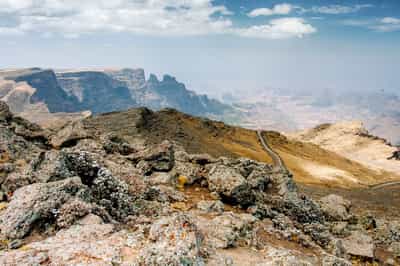
Hold your nerve for a visit to the lofty massifs of Simien and the spectacular panoramas that follow.
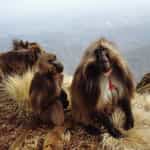
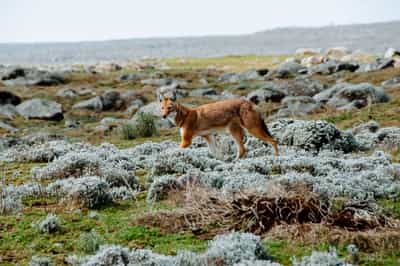
In a country of towering highlands and places that seem to disappear they’re so far below sea level, the Simien Mountains belong firmly in the first category. Dizzyingly high escarpments compete with jagged volcanic peaks to touch the sky and the chief sentinel, Ras Dashen, is the third highest mountain in Africa at 14,901 feet. This high up, the views stretch for hundreds of kilometres in either direction and the treks and guided walks (whilst not for the faint-hearted) are mind-bogglingly brilliant. When you’re not gazing at the scenery, keep a look out for the walia ibex (a wild goat), the very rare Abyssinian wolf and plenty of shrieking Gelada monkeys, all endemic to Ethiopia.

Bale Mountains

Hike through the rarefied and dramatic landscape in search of Ethiopian wolf and endemic species.
It’s safe to say that not many make the six-hour journey to the southeast of Addis to the Bale Mountains, but those that tackle the vertiginous roads are rewarded with scenery of the staggering kind. From deep gorges, fairy-tale glacial lakes and clouded forests to undulating hillsides peppered with juniper trees, the landscape was shaped by volcanic fires and glacial ice – just a hint toward the drama that’s in store. The next drawcard is the wildlife. The mountains are home to one of the highest incidences of endemic species in the world, including the Bale monkey, the giant mole-rat and almost half of the remaining population of Ethiopian wolf.

Omo Valley

Meet the most remarkable indigenous groups in Africa in this bizarre land, untouched by time.
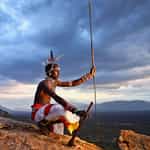
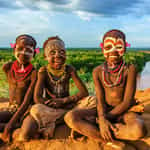
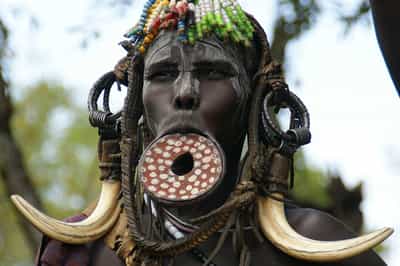
Whether you spend an hour, a day or a week in the incredible Omo Valley, the kaleidoscope of tribal peoples, the cultural traditions and the starkness of the environment make for an experience that is, quite simply, unforgettable. The area is home to the most remarkable indigenous groups in Africa; from the masters of body decorating, the Hamer, to the crocodile-hunting Dassanech and the lip-plated Mursi, each group is distinctive and their cultural traditions, fascinating. In our crazy, modern world of technology and speed, this is the sort of place that changes you and gets truly under your skin…

Lalibela

An ancient world of spectacular, sunken churches, frozen in time in rose-gold rock.

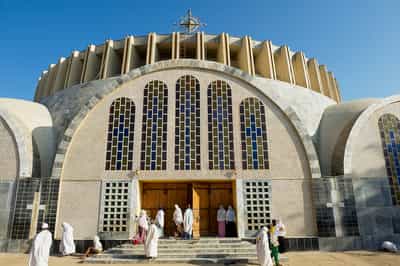
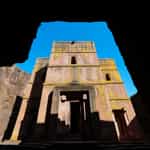
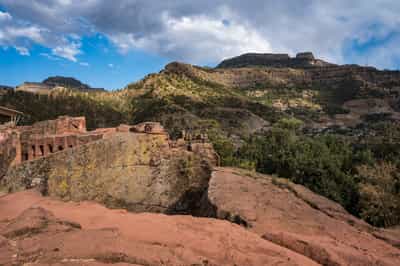
If there’s one place you might have heard of in Ethiopia, it’s the rock hewn churches of Lalibela – but nothing can prepare you for the moment you see them with your own eyes. Built in the 12th century as a ‘Second Jerusalem’, the 11 spectacular churches were carved by hand into the pastel-red mountains and connected by a warren of tunnels. Each is uniquely extraordinary, delicate yet majestic, and perfectly preserved. Today, the atmosphere is an intoxicating blend of awe and reverence, amplified by the thousand-strong crowds of monks, nuns and worshippers visiting on pilgrimages. This really is Christianity in its most raw and immense form.
Gondar

Explore the remarkable castles and churches of the royal city, often called the Camelot of Africa.
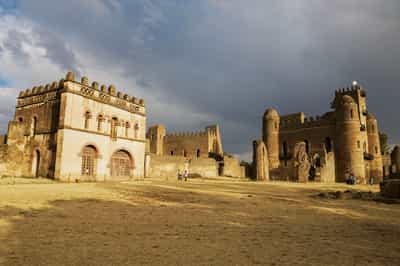
For anyone with an iota of interest in history, the royal city of Gondar is a must-add to the list of Ethiopian sights. The capital for much of the seventeenth and eighteenth centuries, Gondar was home to many of the county’s most famous (and ruthless) kings and emperors, warlords and courtiers who built a succession of impressive castles and churches connected by a series of secret tunnels. The striking melee of Portuguese, Indian and local architectural styles is stirringly majestic and whilst walking around the Royal Enclosure, it’s impossible not to imagine the tales of conspiracy, battle and brutality that took place inside the crumbling walls…

Axum

Feel the weight of history in this magical town, mired in secrets and relics of Christianity.
Most spots in Ethiopia will make you wonder whether time travel has been invented, but Axum (or Aksum) really is like stepping into the pages of the Old Testament. The fourth-century capital was said to be founded by the great, great grandson of Moses and in its heyday, the empire was one of the four great powers in the world. Today, the small town is most famous for the magnificent granite obelisks, dating from around 300AD, the Queen of Sheba’s palace and swimming pool, and the church of St Mary of Zion. And if that wasn’t enough, it’s also said to be the resting place of the Ark of the Covenant.

Bahir Dar

The Ethiopian Riviera is for relaxed days cruising around Lake Tana and visiting the Blue Nile Falls.
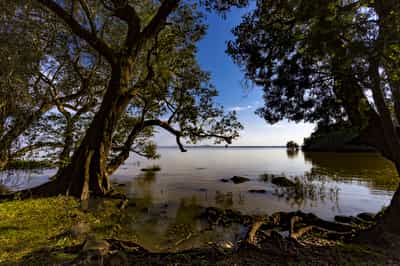
The gateway to the north, Bahir Dar is the first introduction to Ethiopia for many - and it couldn’t be a prettier one. In an ancient, dusty country, the lakeside town sticks out like a (beautiful) sore thumb with its wide, palm-lined streets and riotous tropical foliage, all accompanied by the shimmering waters of Lake Tana. Hop on a boat to putter around the colourful monasteries, some dating back to the 14th century, that dot the islands of the lake before heading to the Blue Nile Falls, a tributary of the iconic river itself. And for the best views, leave an evening to walk up to the former palace of Halle Selassie and watch the sun set over this tranquil corner of the country.

Addis Ababa

The capital is a fascinating fusion of young and old, innovation and tradition, coffee and jazz.
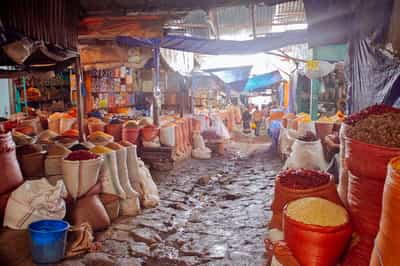
In some ways, Addis is the epitome of an African capital city – loud, bustling, a little bit eccentric and home to a market to rival all others – but in others, it’s completely different. Take the amazing jazz scene, spilling out of trendy cafes and bars that also serve some of the best coffee in the world; or the hidden boutiques where you can shop for traditional shawls and baskets; and then there’s the National Museum, home to 3.2 million-year-old ‘Lucy’ and a melee of other treasures. So, even if you’re only really here for the airport, take a couple of hours to explore - you never know what you might come across.

Gheralta

The gateway to the lesser-known cultural and historical sights of the magical northern Tigray region.
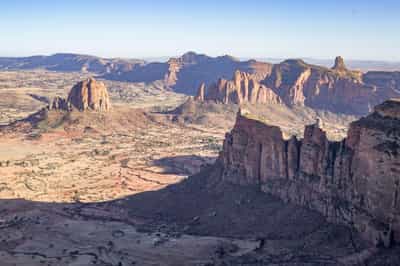
Whilst Ethiopia as a country isn’t exactly ‘on the beaten track’, if you really want to get away from the tourist-trodden trails, head to the Gheralta Mountains of northern Tigray. A treasure trove of historical and cultural customs, the 200 churches carved high into the rock are the real treat and far less visited than their more famous counterparts in Lalibela. The striking landscape also lends itself perfectly to a spot of walking and trekking; options include vertiginous hikes to the churches buried deep in the hills or more sedate strolls to intricately-painted monasteries. Accommodation-wise, most hotels are based in the towns of Mekele and Hawzen, both excellent bases for a historical exploration of the region and trips to the otherworldly Danakil Depression.

Danakil Depression

The hottest and lowest place on earth is fierce, surreal and totally otherworldly.
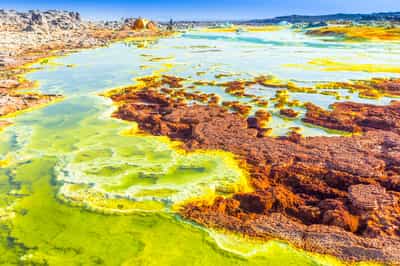
Famously known as the hottest place on earth, the Danakil Depression is a surreal landscape of salt-pans and wavering mirages punctuated by bubbling volcanoes, steaming springs and psychedelic lava lakes. At first glance, you would be forgiven for thinking that nothing could possibly survive in this surreal, otherworldly realm – but you’d be wrong. The Afar people, famed for their ferocity, have long called the region home and the sight of them moving across the plains, digging for salt, is mesmerising. Danakil is the sort of place that takes everything you’ve ever known to the extreme, and whether you spend a week camping your way across the desert or simply visit for a day, it’s an adventure that you’ll never, ever forget.

Shashemene

Take a break from a busy itinerary with a few days of R&R in Shashemene, a town surrounded by nature.
If you’ve found yourself madly rushing around Ethiopia, squeezing in all the sights, the unassuming Shashemene is a quaint spot for some downtime. The bubbling pools of Wondo Genet are ideal for getting a little taste of local life (and enjoying a good soak). The landscape has no shortage of pretty attractions either including Lake Langano, the most popular of the country’s Great Rift Valley lakes, so there are several sandy bays to throw down a beach towel. It’s safe to swim in (despite its unfortunate, rusty tinge!) and there are plenty of water-sports on offer too. Alongside the plentiful natural attractions, Shashemene has become known for their fascinating Rastafarian communities who live in the locally-coined Jamaica (or northern Shashemene). The landscape is also really rather wonderful and you’ll spot Colobus monkeys bouncing around the fig trees and a variety of birds, particularly in the East Langano Nature Reserve on the eastern edge. A tip from us? For ultimate peace and tranquillity, visit during the week to avoid the hip and trendy urbanites who often decamp to the shores for the weekend.
Harar

A medieval walled city with colourful alleyways, bustling markets and a fascination with wild hyena
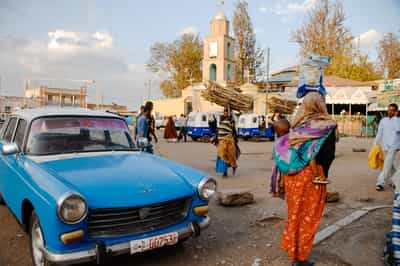
A timeless city of crumbling shrines, mosques in their hundreds and maze-like alleyways that twist and turn to nowhere yet everywhere, Harar is more reminiscent of a town in northern Africa than anywhere in Ethiopia. Founded by Arabian immigrants in the 10th century, the city was the gateway for the spread of Islam into Africa and the iconic, fortified walls were in fact a defence against the neighbouring Christian empire. Today, it’s colourful, fascinating and a little bit eccentric, not least due to the ritual feeding of hyenas. A feared predator to most, the Hararis consider the hyenas to be good omens and around the city, there are several feeding stations to get up close and personal with the wild creatures. Incredible.
Where To Go
Pin Icon

Namibrand, Namibia