
We're one of the World's Best Tour Operators!
Named three years running in Travel+Leisure World's Best, including No.1 in 2024
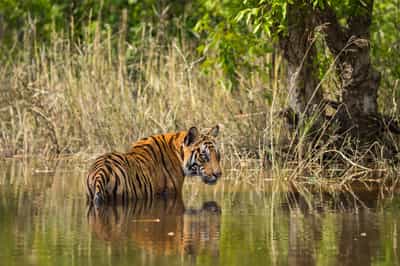
Recently the setting for David Attenborough’s Dyanasties, Bandhavgarh is undoubtedly one of India’s tiger top spots. Small by national standards, the park certainly packs a punch into its diminutive boundaries and is renowned for having one of the highest populations of the elusive felines in the country, narrowly pipping Kanha to the post. The terrain is a beguiling mix of valleys and boulders, deciduous forests and yellow grasslands, and is home to 37 species of mammal, leopard, wild boar and sloth included, 240 species of birds and 80 of butterflies, giving you plenty to look at as you scoot around in your 4x4. These smaller species are certainly not to be ignored either – more often than not their calls are the tell-tale sign that a big cat is on the prowl…
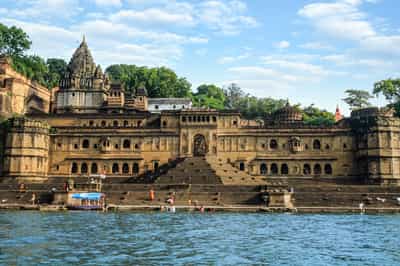
On first inspection, Maheshwar is a sleepy little place. A walled city on the edge of the holy Narmada River, it has long held spiritual significance and pilgrims travel from far and wide to pray and immerse themselves in the sun-spangled waters. Boats float up and down and as the sun dips below the horizon, strains of chanting fill the air in a sensory experience like no other. But delve a little deeper, and you’ll find a hive of activity: the ghats are a whirl of colour and gossip and a wander through the streets of the Old Quarter will reveal multi-coloured buildings and a frenzy of weavers attending to the iconic silk fabric, Maheshwari. For travellers, it’s a spot to enjoy a little R&R, well away from the tourist path – and up your temple intake substantially!
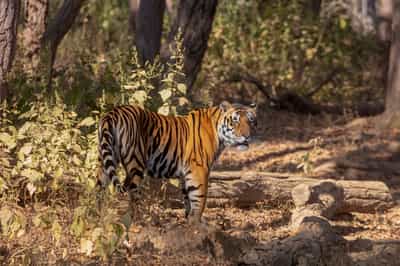
One of the first areas in the country to be protected under the innovative Project Tiger, launched by the government in 9173, catching a glimpse of a striped copper coat in Kanha is highly likely. It’s one of the prettiest parks in the state and its dense sal forests, bamboo jungles and golden, grassy meadows are often credited as the inspiration for the vivid landscapes in Kipling’s Jungle Book. The national park, a protected 940-sq-km area, is actually part of the larger2059-sq-km ‘tiger reserve’, which, combined, are divided into a further four safari zones. All four have a good reputation for sightings of the feline kind, with Kisli and Mukki perhaps coming top if we had to say (and Mukki being the quieter of the two). Once you’ve seen your Royal Bengal, keep your eyes peeled for southern swamp deer, unique to the area, langurs, bison and plenty of dainty antelope.
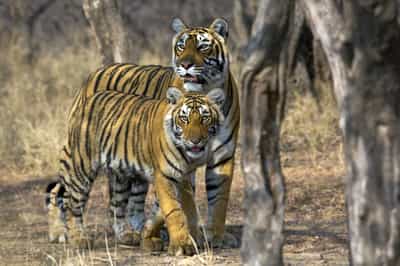
The iconic copper stripes of a Royal Bengal are without doubt what brings most people to Madhya Pradesh, but once you’ve ticked off your tiger, it’s in places like Satpura that the magic of the jungle really comes alive. Probably the least well-known of the central reserves, Satpura is staggeringly beautiful and the experience is varied and fabulous. Jeep safaris are the best way to see the myriad animals – deers, leopard, wild dog, sambars, sloth bears, gaur and monkeys to get you started – but there are also bikes, canoes, boats and even elephants from which to conduct your wildlife watching. The biggest draw is, however, the chance to walk. The reserve is criss-crossed with trails and it’s only on foot that you’ll really get to grips with the flora and fauna and absorb the true magic of the wilderness. Best pack those walking boots.


Namibrand, Namibia