Travel and Leaisure Worlds Best Awards for number 1 tour operator in the world 2024 and number 2 tour operator in the world 2025
We're one of the World's Best Tour Operators!
Voted No.1 in 2024 and No.2 in 2025 by Travel+Leisure
Experiences

What to do in Paro

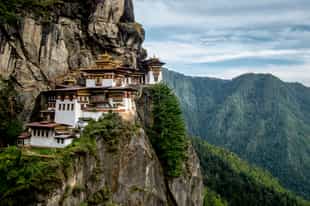
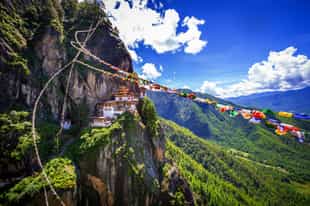
Paro is most famous for the opportunity to make the breathtaking hike to the Taktsang Dzong, one of the most sacred in Bhutan - and perched on the very edge of the cliffside. However, this is just one of many trails to explore in the surrounding valleys and their many temples. Back in central Paro, pick up handmade souvenirs at the market and enjoy a taste of the local cuisine.

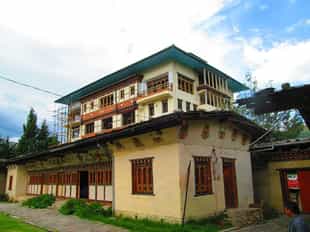
Visit the historical watch tower of Ta Dzong, Paro

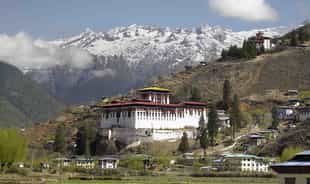
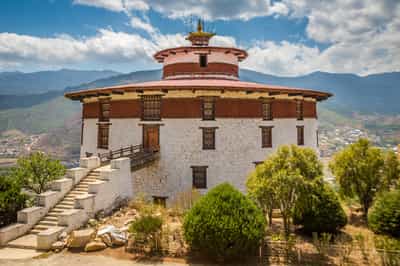
Visit Ta Dzong or the national museum, where a spectacular collection of religious Thangka paintings, art, relics and postage stamps are on display.

Meet local residents at a Paro Valley farmhouse

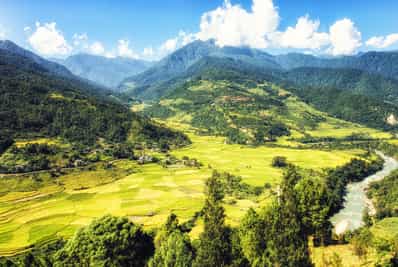
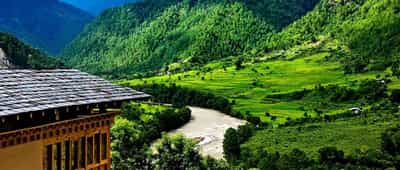
Farmhouse visit in Paro Rich in history, the beautiful Paro Valley is a place where time stands still. In addition to a thriving commercial farming industry, the region is known for subsistence farming using time-honoured methods. Known fondly as the ‘rice bowl’ of the Bhutanese kingdom, the Paro Valley grows large amounts of red rice, the staple starch of the nation, farmed on its fertile fields and terraces. The region’s commercial enterprises and family-owned farms also yield copious amounts of millet, wheat, apples, potatoes, as well as a range of seasonal vegetables native to the area. End a fruitful day in the fields sharing an authentic Bhutanese farm dinner with the farmers and their families, washing it all down with Ara, the local rice wine.

Stand at the highest pass of Bhutan, Chele La

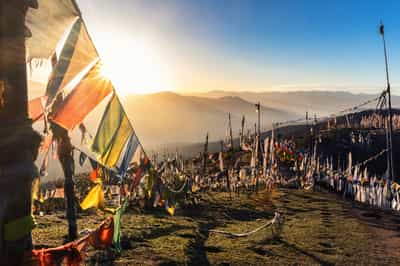
A fluttering line of prayer flags leads the way on the highest road pass in the mountainous kingdom of Bhutan, the Chele La pass, at a dizzying 3 988 m (13 084 ft) above sea level. This two-hour drive provides spectacular scenery along this rugged mountain road to the start of the hiking trail to the Kila Goemba, a cliffside nunnery. At this high altitude, the temperate drops and the air becomes clearer as you get closer to the pass. The winter months offer particularly beautiful views of the surroundings as you pass by trickling waterfalls, dense forests and alabaster snow en route to the hiking trail. Head off early morning with a packed picnic basket and reach the northern head of the trail as the morning fog lifts, revealing each soaring mountain peak in quick succession. Set off on foot along trails north of the pass and discover even more magnificent views, including some of the world’s highest mountain peaks. The towering Himalayan crowns of Jumolhari at 7 314 m (23 996 ft), Jichu Drake at 6 794 m (22 290 ft) and the world’s third highest mountain, Kangchenjunga, at 8 586 m (28 170 ft) will be revealed as you climb. In addition to the views, keep an eye out for a variety of mountain birds, including the elusive blood pheasant. Enjoy a picnic breakfast at a stone meditation cabin high in the mountains and admire the unobstructed views in every direction before descending the slope to Kila Goemba, which is widely considered to be Bhutan’s oldest nunnery. Visit the many armed god of compassion housed in the temple and continue down the forest trail onto the main road, where your vehicle will be waiting for you.

Hike up to the Taktsang monastery in Paro

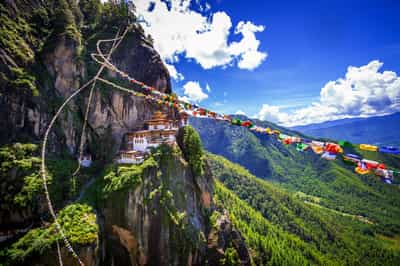
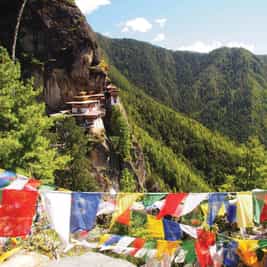
Hike to Tiger’s Nest Popularly known as the Tiger’s Nest, Paro Taktshang is a revered temple and monastery built in 1692. The sacred structure sits at 3,120m (10,240ft) above sea level, perched on the edge of a cliff in the upper Paro Valley. Shrouded in folklore and myth, the monastery consists of four temples adorned with Buddhas, cotton tapestries and frescos of enlightened beings. The holiest site in Bhutan, this ‘tigers lair’ pays homage to Guru Padmasambhava, the initiator of Buddhism in Bhutan. Legend has it that the Guru flew from Tibet on the back of a mystical tigress and landed on the steep cliff to meditate in a cave. In the late 17th century, the monastery was constructed around the cave by Gyalse Tenzin Rabgye, who was universally believed to be the reincarnation of the Guru. Numerous miracles are associated with the monastery, such as sightings of mysterious flowers that appear in the air, only to disappear before touching the ground. The Guru has also been spotted both inside and outside the cave at the same time. The hike to the temple, and back, takes around five hours and travellers will pass through a dense forest and emerge on the edge of a rocky chasm, where they will need to climb down to a trickling waterfall and then back up the cliff face to the monastery on the other side. Added to its rich history, the monastery boasts magnificent views over green valleys and mountain ranges.

Trek to Jangchu Lakha, Paro

Following breakfast, you’ll embark on your trek along a well-defined trail, passing through Tibetan refugee settlements. Ascend through a forest of blue pine and silver birch to Jilli La (3580m), where you’ll enjoy magnificent views back down the Paro Valley. Continue your trek through conifer and rhododendron forests, with the chance to glimpse the snow-capped Jomolhari peak. You’ll pass by yak herder settlements before reaching your campsite at Jangchu Lakha (3780m), set in a stunning valley.

Trek to Janye Tsho, Paro

After exploring around beautiful valley, walk down to Jimi chu and climb up to Janey Tsho where we camp at scenic spot surrounded by dwarf rhododendron trees.

Enjoy Views of Mount Gangkar Puensum in Paro, Bhutan

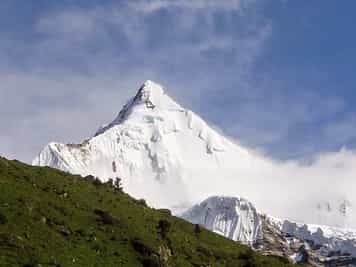
Gangkhar Puensum, standing at a towering 7,570 meters on the Bhutan-China border, is the world's highest unclimbed mountain.

Hike the Druk Path Trek in Buthan

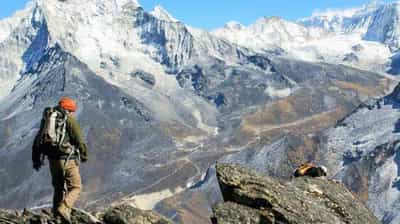
Druk Path Trek is one of the finest short treks in Bhutan. Leading through an ancient trading route, over high mountain passes, it connects the valleys of Paro and Thimphu. The trek begins by walking up through apple orchards and pine forest past ruined Jele Dzong (fortress), which sits on a high grassy ridge with breath-taking views of Mount Jumolhari to the north. In the next 4 days, you climb above the tree line and cross several passes, including the Phume La (4210m.). En route, you come across clear mountain lakes, number of yak herder’s camps and have splendid views of Himalaya along the Bhutan – Tibet border including Mount Jumolhari, Jichu Drake and Gangkar Puensum. The final descent through pine and juniper forests via Phadjoding monastery would lead into Thimphu, the capital city of Bhutan.
Where To Go
Pin Icon

Namibrand, Namibia