
We're one of the World's Best Tour Operators!
Named three years running in Travel+Leisure World's Best, including No.1 in 2024
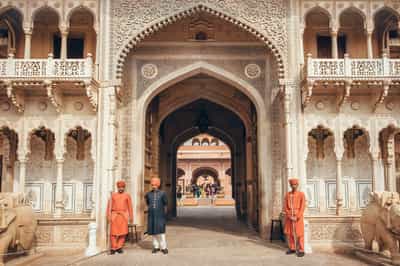
A treasure-trove of magnificent experiences, Jaipur is India’s modern, glitzy, vibrant and utterly romantic Pink City. Recently designated a UNESCO world heritage site, the ancient city walls contain a melee of salmon-coloured buildings, elaborate architecture and grand fortresses, the glorious City Palace taking pride of place. Visit Huwa Mahal, the Palace of the Winds, and marvel at the honeycomb exterior of stained glass and stone, then venture to the Amber Fort for a wander through the pavilions and dainty courtyards of Jaipur’s star attraction. But don’t miss the other side of this enthralling city either: glamorous polo matches atop painted elephants; cool-as-a-cucumber bars and restaurants hidden in the back streets; and a shopping scene to rival New York, where everything from block-print fabrics to Rajput jewels await a precious space in your suitcase.
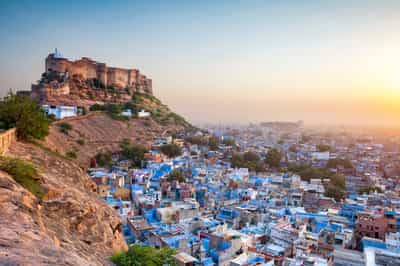
Next up on Rajasthan’s multi-coloured inventory of rainbow metropolises is the Blue City, otherwise known as Jodhpur. Legend states that the colour was chosen by the Brahmins to differentiate themselves from the lower castes of India and a wander through the tumble of alleys will take you past cornflower houses and cerulean roofs, glistening lazily in the sunshine. Like any good Rajasthani city, the streets are alive with sweet-smelling spice markets and merchants peddling everything and anything from puppets to temple decorations, and of course, those famous jodhpurs. Then, standing serenely over the bustle and sights is the mighty Mehrangarh Fort, a rock-hued sentinel that’s packed with myth, history and legend. Rickshaw to the ramparts to marvel at the architecture (and the view), discover secret tunnels and create your own version of history, or get your heart-rate going with a zip-line along the turrets.
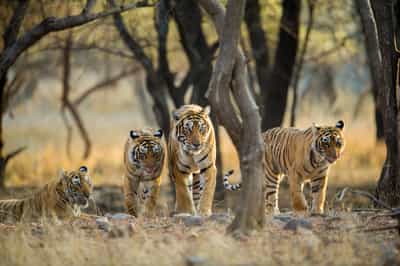
If one park is synonymous with India’s national animal, it’s Ranthambore. The dazzling, billion-year old forest, with its spindly trees, ancient boulders and roaming hills, is not only prime tiger territory, it’s also the enthralling, jungle-clad India of childhood stories. This is a land not only of tigers, but of lazy sloth bears and mysterious leopards, 10thcentury forts and crumbling pavilions, crocodile-filled lakes and swirling battalions of birds that migrate from Europe and Siberia in the winter. Make no mistake, you’re not going to be the only person here looking for Shere Khan, but when you add up the landscape, the smattering of super-stylish tented camps and the humbling magic of being in the wilderness, a few days in Ranthambore adds up to be one of life’s most thrilling experiences.
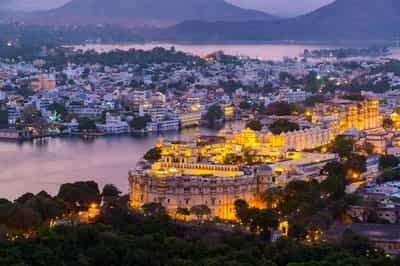
Set against the deep purple ridges of the Aravalli Hills and home to opulent palaces and fairy-tale myths, those who call Udaipur the most romantic city in India are certainly not wrong. At its centre is the impossibly picturesque Lake Pichola, a swathe of hazy waters where private islands play host to palaces and extravagant hotels. Above it rises the tangle of turrets and watercolour buildings of the old city, slender staircases leading nonchalantly to the rooftops of the havelis and stalls offering chilled lassis and all manner of antique treasures. Whilst there’s plenty of history to get your teeth into (the assorted lakeside palaces and Jagdish Temple spring to mind), Udaipur also lends itself to a hefty dose of relaxation – and with languid boat trips along the lake and alfresco cocktails as the sun bathes the city in gold, it’s not hard to do just that.
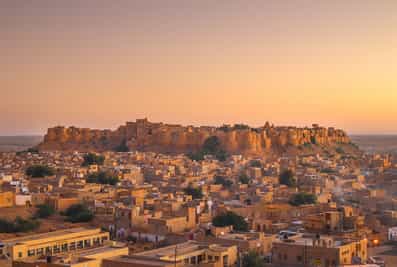
Think Rajasthan, and you probably don’t think of a vast, sprawling desert – but travel into the remote west of the state and that’s exactly what you’ll find. The desert in question is the Thar, a shimmering wave of sand dunes and caparisoned camels that was once an important trading post on the Silk Route between China and the Central Asia. Today, it’s exotic and magical, the heady scent of spices never far away, and to visit is to enjoy camel safaris and alfresco nights in fairy-tale tented camps. But the real standout has to be the exquisitely-crafted Jaisalmer Fort and the sprawling, golden-hued city below. Built in 1156 by Rajput ruler Rawal Jaisal and defended by 99 magnificent turrets, 4000 people still live inside the ancient fort walls today, and a wander through the twisting streets will reveal temples, ornate havelis and artisans peddling their wares.
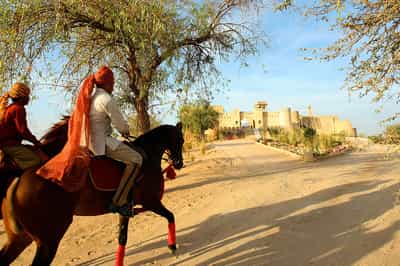
It’s hard to sum up rural Rajasthan in only a few sentences. Of course, as you head away from the cities, life becomes a tad slower and a little less modern: Rabari tribesman living off the fruits of the land, sari-clad ladies churning butter by hand, and men in colourful turbans leading their bullocks through the fields are a common, and enthralling, sight. But rural life is not all camels and homestays and the countryside of the regal state promises a veritable treasure chest of experiences. How about rambling through the hills on horseback, or 4x4ing to veiled shrines? Perhaps you’d like to visit local artists and potters and watch as they craft their masterpieces? Or maybe the great outdoors is more your thing and bird-watching by hidden lakes or leopard-stalking through forgotten temples would be just up your street. It’s time to explore rural Rajasthan…


Namibrand, Namibia