Travel and Leaisure Worlds Best Awards for number 1 tour operator in the world 2024 and number 2 tour operator in the world 2025
We're one of the World's Best Tour Operators!
Voted No.1 in 2024 and No.2 in 2025 by Travel+Leisure
Experiences

What to do in Serengeti

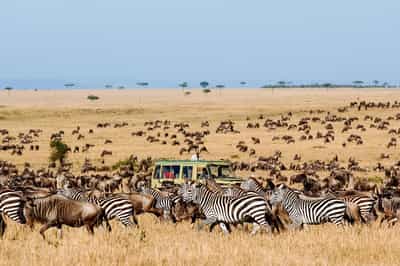
Famous for the mighty Great Migration, wildebeest-watching is high on the list of most who visit the Serengeti. The location of the herds differs by month but as a rough guide, you’ll catch the famous river crossings in the north from July to October and the calving and birthing season in the south from December to March. Visit at other times and the herds will be in the Western Corridor (April to June) or travelling back through the central areas. Game drives are available from almost every lodge in the Serengeti. All offer camera-snapping sightings of four out of the Big Five (sadly rhino sightings are rare), as well as cheetah, zebra, giraffe and all the smaller game, whether you choose a morning or afternoon drive or an all-day expedition with a picnic. Night drives and walking safaris are less common but can be done from some camps, and other location-specific activities include hot air ballooning (usually the north), horseback safaris (west), cultural visits and community projects. If this list of activities doesn’t make you swoon…

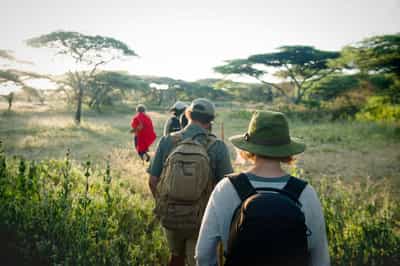
Spot wildlife on a Serengeti bush walk

Feel the crunch of the soil beneath your boots and learn to hear the tell-tale rustle of wildlife on a bush walk. Straight after breakfast set out to uncover the secrets of the Serengeti. While the specifics depend on where you are, you'll have the chance to take a microscope to the landscape. Joined by your knowledgable guide, follow a flutter of wings to see lovebirds snacking on figs, peer into an earthy warthog burrow and inspect every track you can find. You could just be following a pride of lion (who should be napping in the distance) or thirsty elephant on the way to a waterhole! Whether it's scanning acacia bark for tiny critters or staring skyward to see an eagle soaring overhead, the essence of the Serengeti is yours to experience.

Track wildlife of the Serengeti on a game drive

The acacia-speckled plains and waving golden grass of the Serengeti may be one of the most iconic safari scenes and what better way to see it all than with a game drive? Leave as dawn breaks or in the dusky afternoon, plaster your binocs to your face and get wildlife-spotting...There's a spectacular variety to see! The Serengeti is home to every member of the Big Five so expect to see soulful elephant wandering between the trees, lions snoozing amongst the vast herds of grazing buffalo. And your guide will be there to give you all the insider info. Every piece of the Serengeti offers something unique but whether it's spying on wild dog in the south, watching rhino amble through the brush in Moru Kopjes or losing your breath at the sight of big cats in Grumeti - it promises to be epic.

Go on a hot air balloon safari in the Serengeti

With the dew barely dry, rise with the sun as you float over the Serengeti in a hot air balloon. Besides puffs of heat to move you skywards, there is nothing but blissful silence as you soak up every inch of the landscape. Let the wind be your guide, revealing the untamed spaces of Tanzania where very little can hide from this vantage point. Ascend to heights of 1000 feet for the ultimate panoramic view or drop low enough to practically brush the acacias, as tiny moving specks become monochrome zebra, elephant bathing in the waterhole and scampering African painted dog. If you fancy seeing the rowdy herds of antelope and wildebeest begin to cross the mighty Mara River, August and September - are the prize months to go. This is a shared activity with other guests.

Follow the Wildebeest Migration in the Serengeti

The 'greatest show on earth' is no superlative when it comes to the wildebeest migration, a year-long trek where millions cross the endless plains and rushing rivers to reach sweet grasses. Embark on a game drive that is sure to enchant, excite and overload your senses as you join the viewing party for this epic spectacle. Depending on the time of year, you may watch new life begin on the southern grasslands in February or follow the rambunctious herds on their march northwards before they return to the Serengeti in November. The circuit has no end and neither does the once-in-a-lifetime chance to see this awe-inspiring event.

Ride across the Serengeti plains on horseback

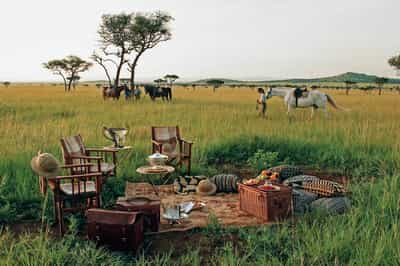
Serengeti means 'endless plains' in Swahili and we can think of no better way to experience it in all its wild glory than with a safari on horseback. Cantering across the savannah, forget any mention of the 'beaten path' and camera-toting crowds. Keep your eyes wide open for migrating herds of zebra and wildebeest. With elephant, loping giraffe and swaggering big cats - if luck is on your side, a cheetah may speed into the scene. The riding pace is varied, often affected by the terrain and wildlife sightings, and you'll have a choice of thoroughbred or local breeds. Return to your lodge for the night or enjoy a multi-day ride, stopping to camp each night. Horse riding experience is a necessity so this is not really an activity for beginners.

Witness the Great Migration in the Serengeti

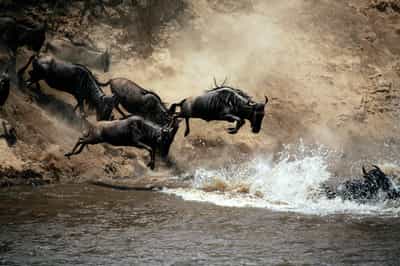
From July, millions of wildebeest crest over the plains of the Serengeti on their ever-moving circuit where the thought of fresh grasses is enough to make them plunge across the flowing Grumeti and Mara Rivers. Drive across the savannah, led by your guide with a good nose for finding the action, and watch enthralled as life and death plays out before your eyes. The wildebeest gather like a storm on the southern banks before making a mad dash across the river, Nile crocodile snapping at their heels and big cats waiting to meet them on the other side. This display of pure nerve is one of the most epic events on the African safari calendar and you can easily spend an entire day out!

Experience the wildebeest calving in the Serengeti

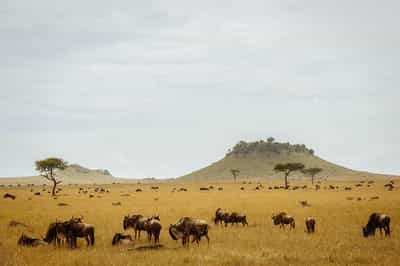
After the rains turn the southern Serengeti every shade of green, wildebeest calves are born in their thousands, sometimes even up to 8000 births in one day! This miracle all happens over three weeks in February. Take a drive to witness young wildebeest take their first tottering steps and build up their strength to join the great migration to the north. Watch in wonder as newborns snack on fresh sprouts and frolic in the plains, watched over by the protective matriarchs. The beginning of the year also marks the well-timed birthing season of the Serengeti's major predators, when lion and cheetah cubs learn the art of the hunt. Be prepared to see the beauty of new life while the reality of nature follows in quick succession.
Where To Go
Pin Icon

Namibrand, Namibia