Travel and Leisure Worlds Best Awards for number 1 tour operator in the world 2024 and number 2 tour operator in the world 2025
We're one of the World's Best Tour Operators!
Voted No.1 in 2024 and No.2 in 2025 by Travel+Leisure
Experiences

What to do in Galapagos

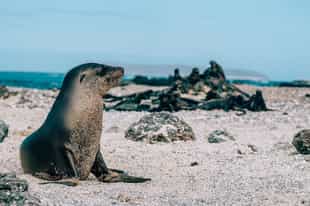
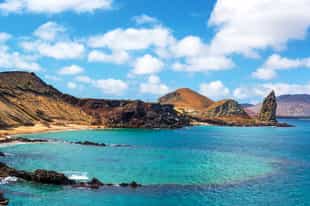
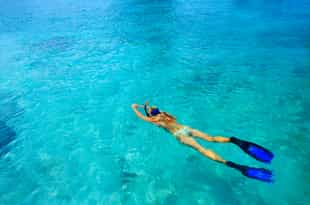
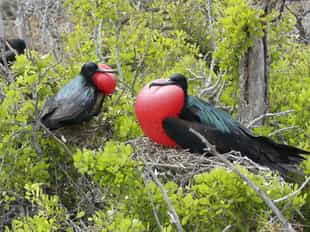
One of the most coveted destinations in the world, a visit to the Galapagos can take place in a luxury cruiser, eco-hotel, or a combination of both. There are 13 islands in total, three of which have a selection of hotels so choose wisely! Activities centre around exploring and of course, spotting the 'Galapagos 15.' On the water, you'll find orcas, swimming iguanas, and penguins diving from the cliffs. Below the surface, snorkel in the crystalline waters or dive with sea lions, and on land, explore the endless hiking and cycling trails. Whichever mode of exploration you choose, the opportunities for adventure are quite simply, unparalleled.

Swim in the Galapagos Marine Reserve, Santa Cruz

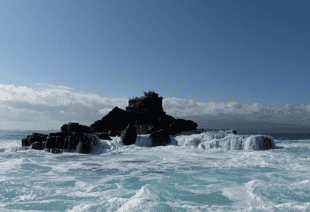
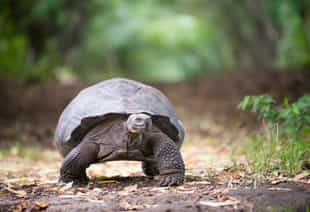
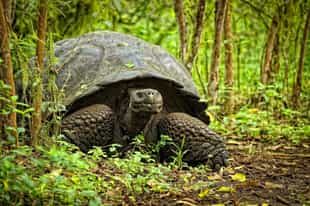
Take a boat to Isla Santiago where you will find the Galápagos Marine Reserve, home to giant tortoises, iguanas, marine life, and exotic bird species.

Explore Moreno Point near Elizabeth Bay

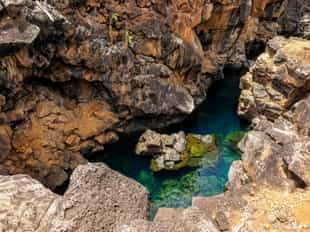
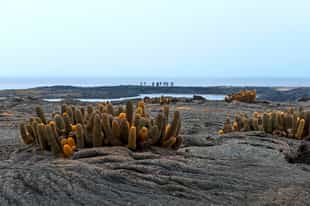
AM: We begin the day with breakfast before our first excursion at Moreno Point, located on the north coast of Isabela Island between Sierra Negra and Cerro Azul Volcanoes. The main attractions at Punta Moreno are coastal lagoons amid black lava flows where there are several species of birds. It has a panoramic view of the three most active volcanoes in the Galapagos: The Sierra Negra, Isabela Island, and Fernandina Island. PM: Elizabeth Bay is one of the island’s best breeding sites for penguins. Located on the west coast of Isabela, Elizabeth Point is a marine visitor site. Brown pelicans, flightless cormorants, spotted eagle rays, golden rays, and sea lions are often seen at Red Mangrove Cove. Dinner will be served on board afterward.

Spot the wildlife and snorkel from Dragon Hill

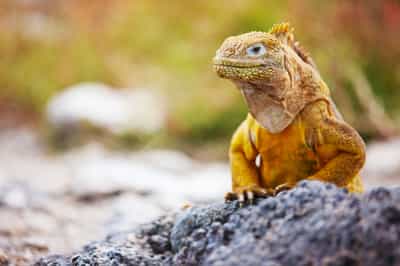
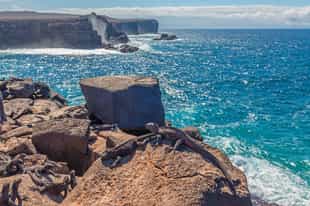
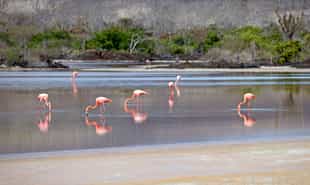
Embark on a journey to Dragon Hill, nestled in the north-western region of Santa Cruz Island. As you tread the pathways of this pristine island, you'll encounter the land iguana — a magnificent reptile that was once on the verge of extinction. Dragon Hill is not just about iguanas; its lagoon is home to flamingos, while pintail ducks, flycatchers, and warblers adorn its skies. A brief hike promises a breathtaking panorama from atop the hill. Before heading back to the yacht, immerse yourself in an offshore snorkeling adventure.

Explore Gardner Bay, Osborn Islet & Suarez Point

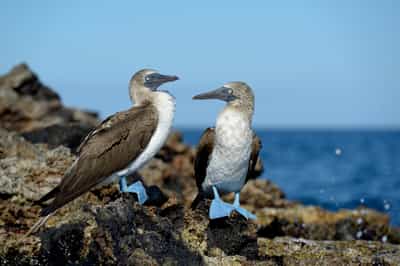
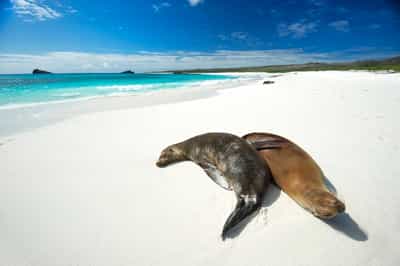
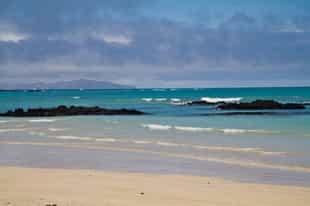
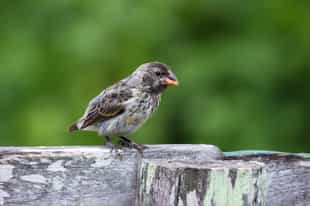
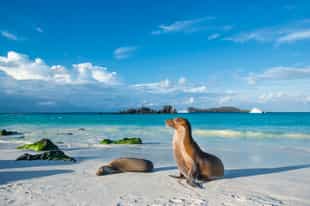
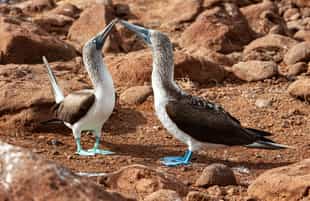
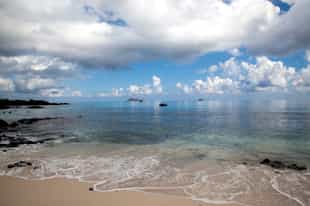
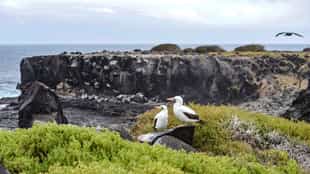
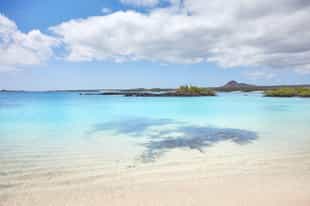
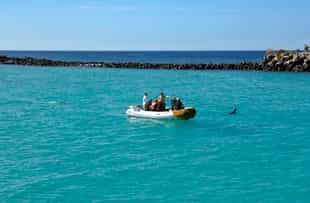
Gardner Bay is a pristine white sandy beach (one of the longest in the Galapagos), that is home to colonies of sea lions and inquisitive mockingbirds. It is also one of the world’s most important breeding sites for the waved albatross. A short dinghy ride will take you to the Osborn and Gardner Islets, which are superb locations for snorkeling with young sea lions and a greater variety of tropical fish and corals. Suarez Point is an area with an outstanding variety of wildlife. The walking trail will take you past nesting sites of Nazca and blue-footed boobies, whilst Galapagos doves, mockingbirds and finches can be seen foraging nearby. You will also pass a geyser which can spray water up to 25m into the air; a spectacular feat of nature. Finally, when you reach the top of the breaktaking cliffs, you can enjoy watching waved albatrosses launching themselves out across the ocean.

Explore the rich diversity of South Plaza Island

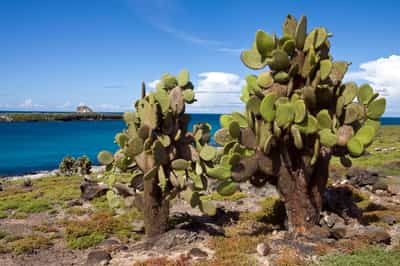
One of two small islets, South Plaza island houses a rich diversity of wildlife and vegetation. After passing a large colony of sea lions and ascending the slopes, you may catch a glimpse of swallow-tailed gulls, Nazca boobies, red-billed tropic birds, frigates or the rare lava gull. The ground is carpeted in Sesuvium, which transforms from bright red in the dry season to a vibrant green in the wet season, and land iguanas crowd around towering prickly pear cacti, waiting patiently for their juicy fruits to fall.
Previous Next
31 - 60 of 100 experiences
}
Where To Go
Pin Icon

Namibrand, Namibia