The best time to visit Indonesia
 With expert insights from Meg Yash, Travel Specialist
Spanning over 17,000 islands and 3,200 miles from west to east, Indonesia has countless beautiful places to explore. Despite its formidable geography, the weather and seasons aren’t too difficult to plan around, so read on for the best time to visit Indonesia and make the most of the sunshine!
The best time to visit Indonesia at a glance
- Best overall: April to September, the dry season across western and central Indonesia.
- Temperatures: warm and tropical year-round, averaging around 28°C even in the wet seasons.
- What the wet season actually looks like: intense downpours that tend to last only a couple of hours.
- To avoid the crowds in Bali: May, June and September.
- For hiking and surfing in Lombok: the dry season, with May to September best for surf.
- For orangutans in Kalimantan: possible year-round in Tanjung Puting, though they’re more elusive in the rains.
- For Komodo: April to June for calm seas and whale sharks, or September to November for the dragons with fewer people.
Best time to visit Indonesia by region
| Destination | Best time to visit | Worth knowing |
|---|---|---|
| Bali & Java | April to September; May, June and September for fewer crowds | Ubud and Bali’s mountains are cooler and wetter than the coast; Java’s volcanoes are best climbed in the dry season |
| Lombok & the Gilis | Dry season for hiking; April-May and September-October for snorkelling | May to September is fantastic for surfing; rainy season runs October to March |
| Kalimantan | Year-round for orangutans, avoiding the heaviest rains | Light rains March to May, heaviest November to January; hottest in May and August at up to 33°C |
| Komodo Islands | April to June or September to November | July and August are peak and the most expensive; January to mid-March brings wild winds and heavy rain, with fewer tours in February |
Many of the most popular islands to visit – Bali, Java, Lombok and the Gilis, and Komodo – lie within western or central Indonesia and the best time to visit is between April and September (the dry season). Indonesia enjoys warm, tropical temperatures averaging around 28°C for most of the year including the wet seasons, when rainfall comes in intense downpours that tend to last only for a couple of hours.
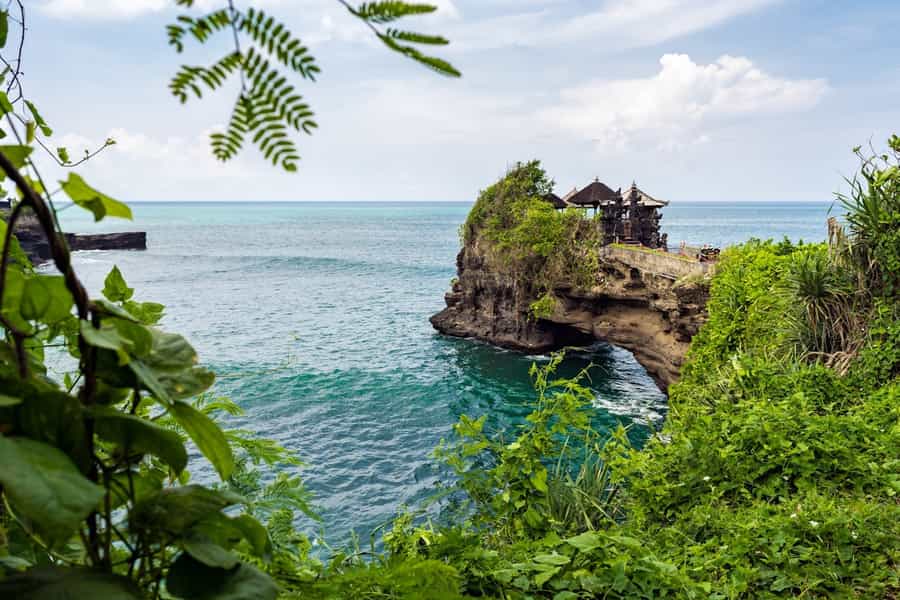
Explore the fascinating sea temples of Uluwatu
Bali & Java
The dry season is the best time to visit the popular beach spots of Bali, whether you plan to soak up the sun, swim, surf or scuba dive. If you’re looking to escape the crowds, May, June and September are often considered the best time to visit areas like Jimbaran, Sanur and Seminyak. It’s also worth noting that during the wet season, the central regions around Ubud and Bali’s mountains experience cooler temperatures and higher rainfall than the coast. The dry season is also a spectacular time to travel if you are planning to climb one of Java’s many volcanoes like Mount Bromo or Ijen. However, it’s important to remember that in the higher, mountainous regions, the temperatures can sit much below the average of 28 – 30°C, especially at night.
“The dry season is the safe answer for Bali, but if you want the same weather with fewer people around, aim for May, June or September. And remember that Ubud and the mountains are cooler and wetter than the coast — it catches people out.”
— Meagan Yash, Asia travel specialist

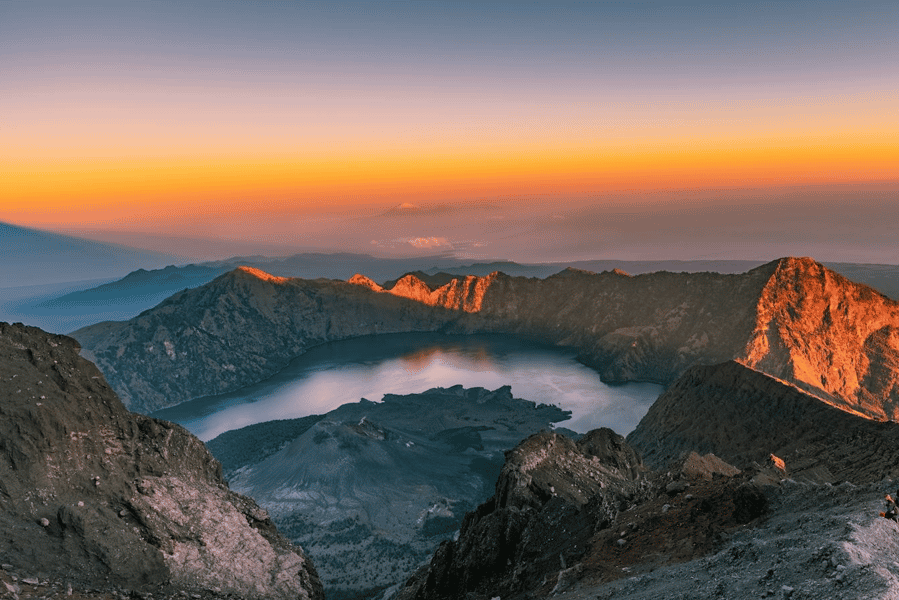
Take in the views on a hike up Mount Rinjani, Lombok
Lombok
While there are perks to visiting the island of Lombok during the rainy season (October to March) as it transforms into an emerald paradise and there will be fewer tourists to share it with, certain activities may have limited availability or be cancelled due to unpredictable weather. When it comes to hiking the island’s trails or summiting Mount Rinjani, the dry season is ultimately the best time to visit. However, the shoulder seasons (April and May, September and October) shouldn’t be overlooked as they have fewer crowds and the odd afternoon shower, which shouldn’t affect your plans. This is also a fantastic time for snorkelling when the seas are flat and the water is crystal-clear. The peak season months of May to September are fantastic for surfing as well.
“Don’t overlook Lombok’s shoulder seasons. April and May, September and October give you fewer crowds and maybe the odd afternoon shower — but flat seas and crystal-clear water for snorkelling.”
— Meagan Yash, Asia travel specialist

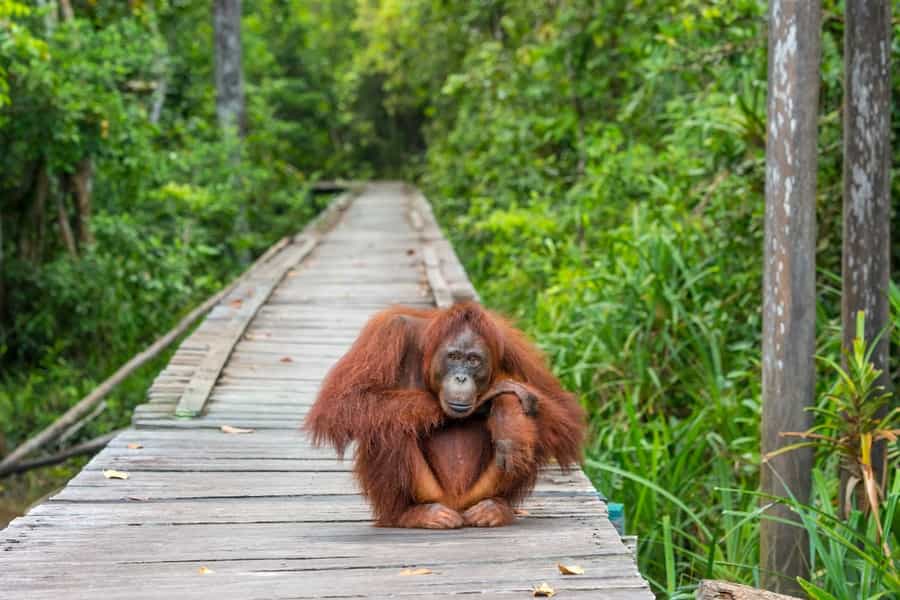
Meet the residents at Tanjung Puting National Park
Kalimantan
In some areas of Indonesia’s portion of Borneo, Kalimantan, the difference between the two seasons isn’t extreme. However, due to its size, the weather conditions vary slightly from region to region: the south is the driest while the rainforest-carpeted interior is predictably the wettest. The island experiences a light rainy season from March to May, while the heaviest rainfall occurs between November and January. Orangutans can be spotted in the Tanjung Puting National Park throughout the year, however they tend to be more elusive during the rains. The hottest months are typically May and August when daytime temperatures can reach up to 33°C.

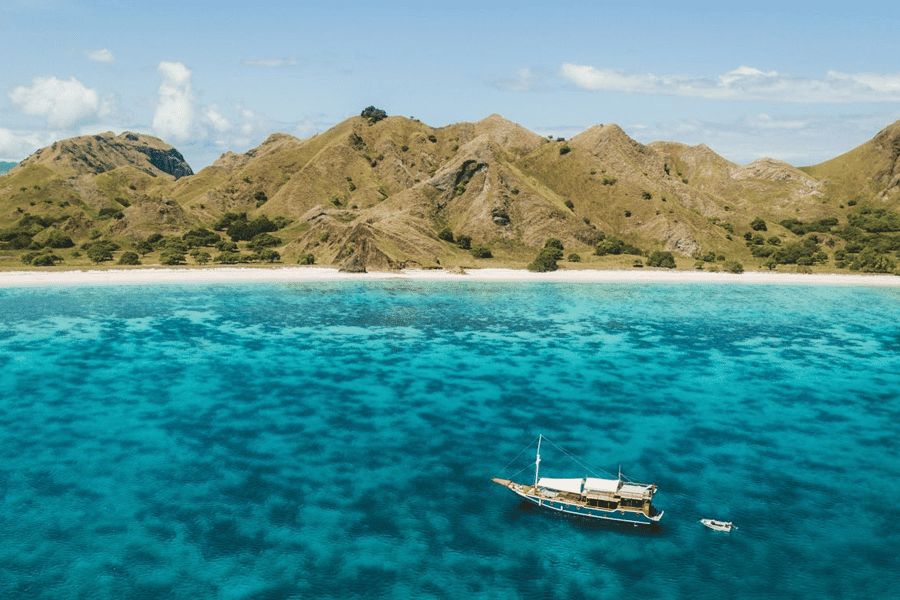
Take a boat cruise exploring the Komodo Islands
Komodo Islands
While the Komodo Islands are among Indonesia’s driest regions, the rainy season (January to mid-March) can be hit with wild winds, waves and heavy rainfall. During this time, fewer tours are in operation, especially in February. The peak season to visit is between July and August, when the islands’ popular snorkelling spots draw thousands of tourists, also making it one of the most expensive times to visit. We’d rather opt for the in-between seasons of April to June when the islands are lush with greenery and the seas are calm (perfect for snorkelling with whale sharks), or September to November when the weather is idyllic and there will be fewer people joining you on treks to find the iconic Komodo dragons.
“July and August are peak in Komodo for a reason, but they’re also the busiest and priciest. I’d take April to June for calm seas and whale sharks, or September to November for idyllic weather and far fewer people on the dragon treks.”
— Meagan Yash, Asia travel specialist

Indonesia FAQs
What is the best month to visit Indonesia?
The dry season between April and September is the best window for the most popular islands – Bali, Java, Lombok and the Gilis, and Komodo – all of which lie in western or central Indonesia. Within that window, May, June and September tend to offer the same weather with fewer crowds.
When is the rainy season in Indonesia?
It varies by island. Lombok’s rainy season runs October to March. Kalimantan sees light rains from March to May and its heaviest rainfall between November and January. In the Komodo Islands, the rainy season falls between January and mid-March.
Is it worth visiting Indonesia in the wet season?
It can be. Temperatures stay warm and tropical at around 28°C year-round, and wet season rainfall usually comes in intense downpours that last only a couple of hours. In Lombok, the rains transform the island into an emerald paradise with far fewer tourists – though some activities may have limited availability or be cancelled due to unpredictable weather.
When is the best time to climb Mount Rinjani?
The dry season. For hiking Lombok’s trails or summiting Mount Rinjani, dry conditions are ultimately the best. The shoulder months of April and May, September and October also work well, with fewer crowds and only the odd afternoon shower.
When can you snorkel with whale sharks in Komodo?
April to June is ideal. The islands are lush with greenery and the seas are calm, which makes for perfect snorkelling conditions with whale sharks.
When is the best time to see orangutans in Borneo?
Orangutans can be spotted in Tanjung Puting National Park throughout the year, but they tend to be more elusive during the rains. Kalimantan’s south is the driest part of the region, while the rainforest-carpeted interior is the wettest.
When is the best time to climb Mount Bromo or Ijen?
The dry season is a spectacular time to climb Java’s volcanoes. Bear in mind that at higher altitude the temperature can sit well below the 28-30°C average, especially at night.
What is the average temperature in Indonesia?
Around 28°C for most of the year, including through the wet seasons. Mountainous areas are cooler – in the highlands temperatures can drop well below the 28-30°C average overnight – and Kalimantan is hottest in May and August, when daytime temperatures can reach up to 33°C.

Latest blogs


As seen in