Brazil might not shout about its wildlife in quite the same way as Africa, but get a little closer and you’ll discover an extraordinary cast of wild and wonderful animals. On land, jaguars stalk through the wetlands, whilst in the water, there’s a good chance of seeing pink river dolphins leaping through rivers and humpback whales breaching off the coast. And the key to seeing all this? Knowing where to go! Brazil’s wildlife is tightly linked to its ecosystems, and once you head into the right landscapes with a knowledgeable guide, the rewards can be astounding…
The Pantanal
If Brazil has one destination that rivals the best safari regions in Africa, it’s the Pantanal. Sprawling across the west of the country and into Bolivia and Paraguay, the 70,000-square-mile wetland is the largest tropical floodplain on Earth and home to the greatest concentration of wildlife in South America. And unlike the dense, foliage-filled Amazon, the terrain is vast and open, which, handily for visitors, makes wildlife spotting a little easier.
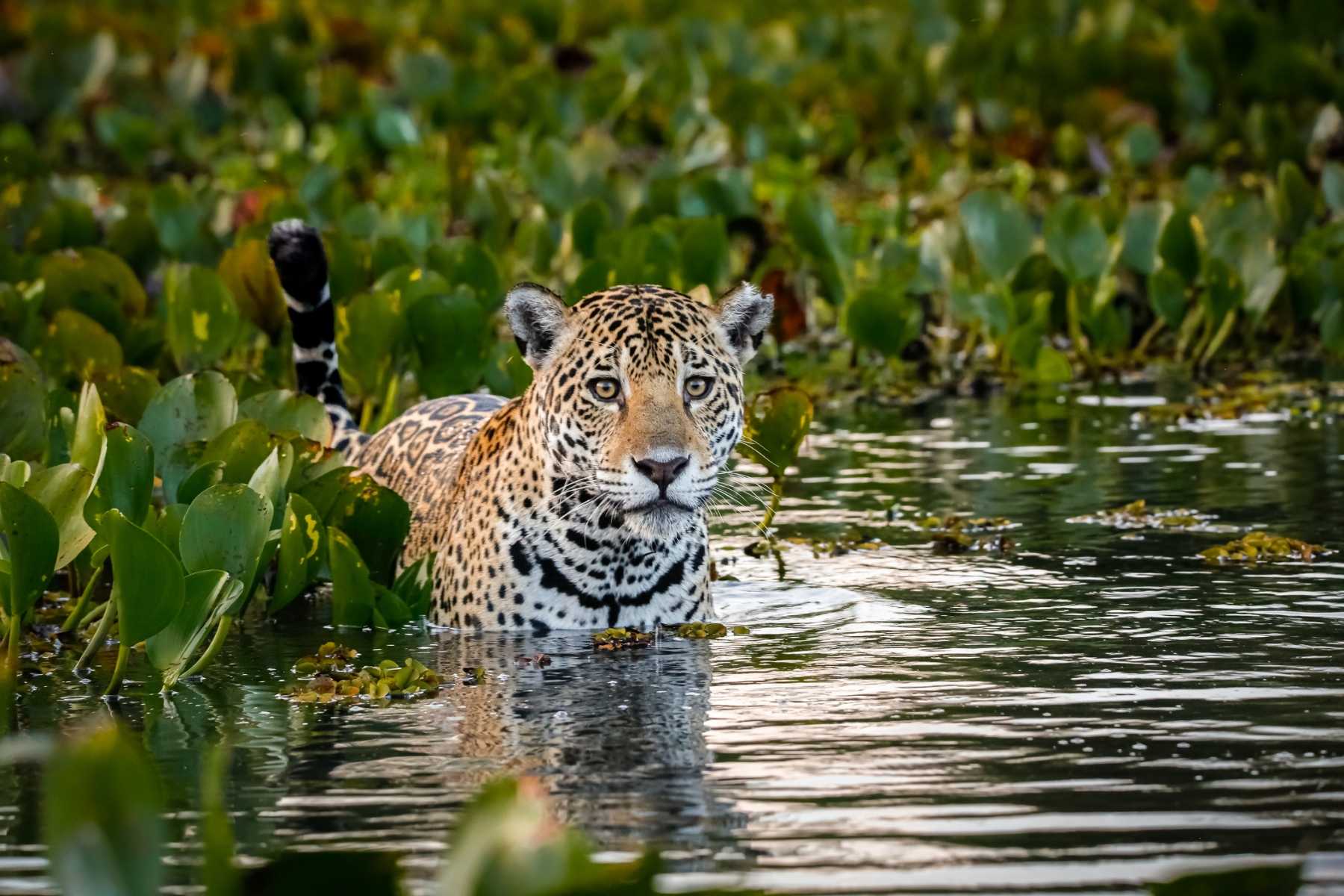
The Pantanal is probably best known as the world’s best destination for spotting jaguars in the wild, especially if you’re boating down either the Cuiabá River or the Three Brothers River. Jaguars frequently patrol the riverbanks here, especially during the dry season between July and October when all manner of animals gather around the shrinking waterways. Encounters can be truly out of this world and you might be lucky enough to see a jaguar slipping into the water after a caiman or lounging resplendently on a sandy bank.
There’s also plenty more behind the scenes than just the big cats and the Pantanal’s wetlands teem with life: giant river otters (they often reach up to six feet long), tapirs, capybaras grazing along the banks, marsh deer, and hundreds of caiman (a cousin of the alligator) basking in the sun.
The birdlife is equally spectacular and with an estimated 800 species, there’s plenty to see in the skies. Hyacinth macaws (the largest parrot in the world), jabiru storks and roseate spoonbills are among the regular sightings, as are yellow-billed cardinals, cuckoos and various woodpeckers, wrens and ibis.

The Amazon
The Amazon is the most biodiverse ecosystem on the planet, and exploring it is less about ticking off animals and more about discovering the many layers of life hidden in the lush foliage.
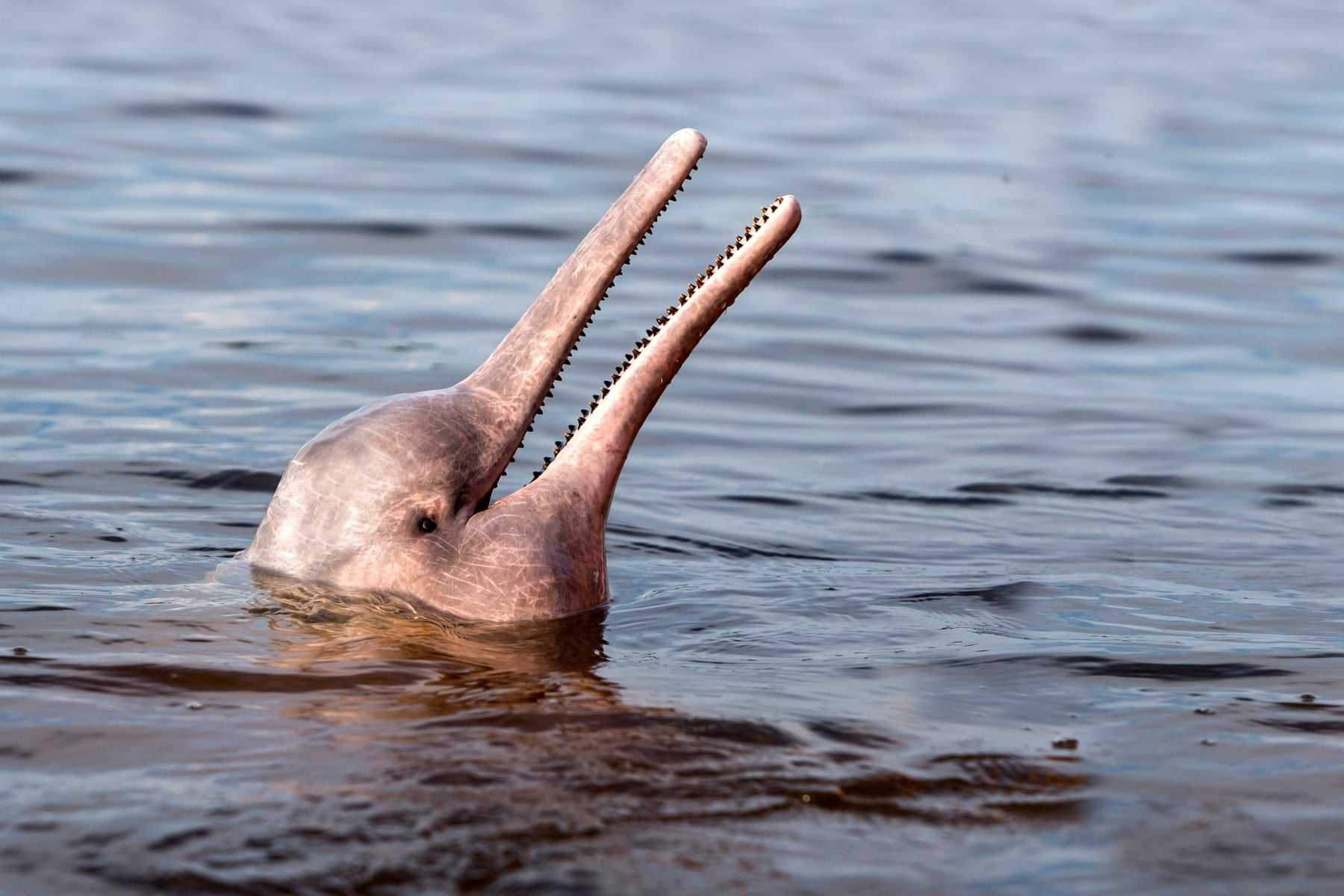
Wildlife viewing in the Amazon usually happens by canoe, small boat or on a guided jungle walk, where expert guides pick out creatures that would otherwise remain invisible. On the rivers, the shy pink river dolphins (botos) often surface alongside boats in the dark waters of the Rio Negro and its tributaries, whilst their smaller grey cousins, the tucuxi dolphins, are sometimes spotted darting through the water nearby.
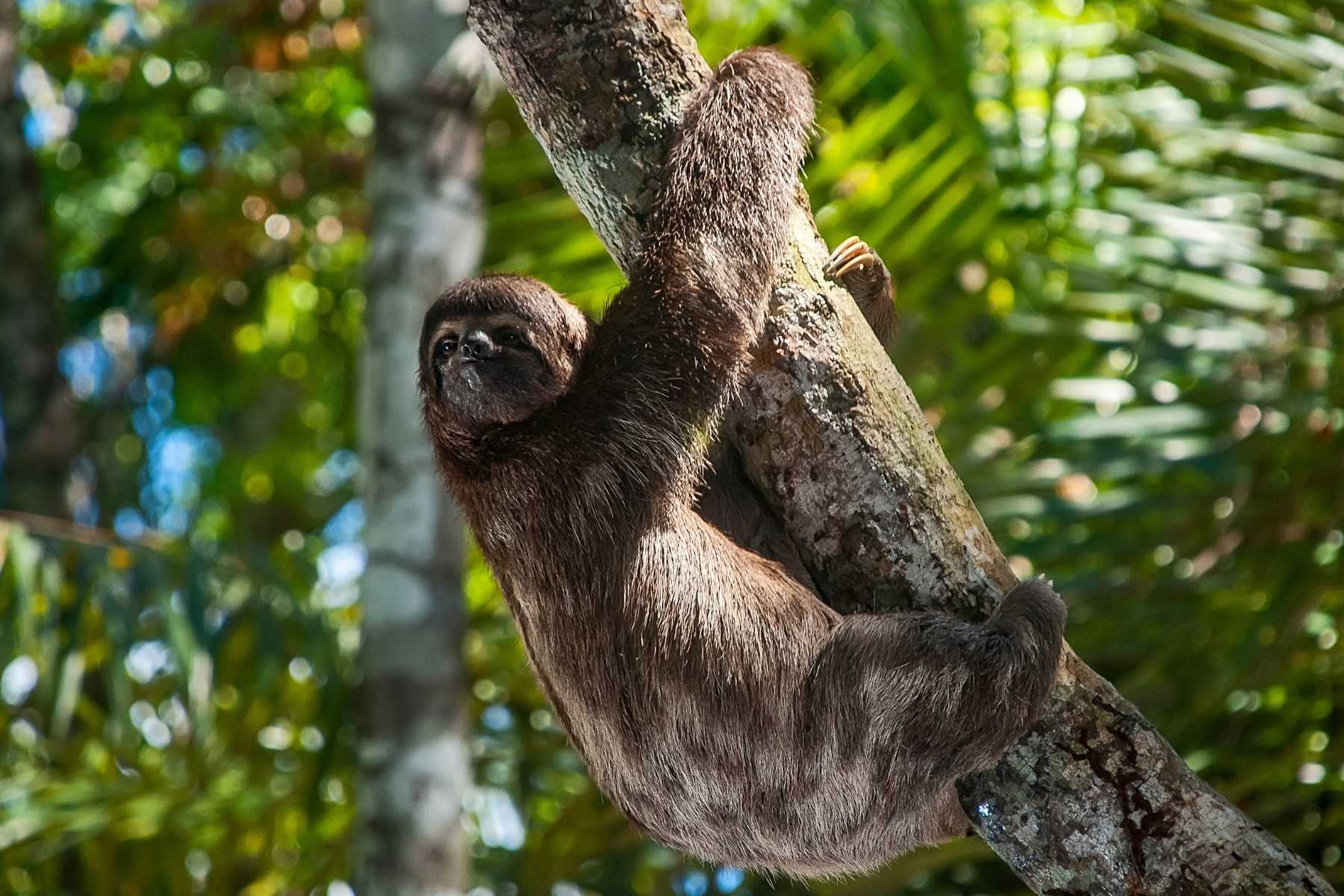
In the tree canopy, troops of squirrel monkeys, capuchins and howler monkeys crash through the foliage, while sloths hang out in the branches, doing what they do best (not very much). On the forest floor you may spy poison dart frogs, leafcutter ants and occasionally the tracks of larger animals like tapirs or pumas.
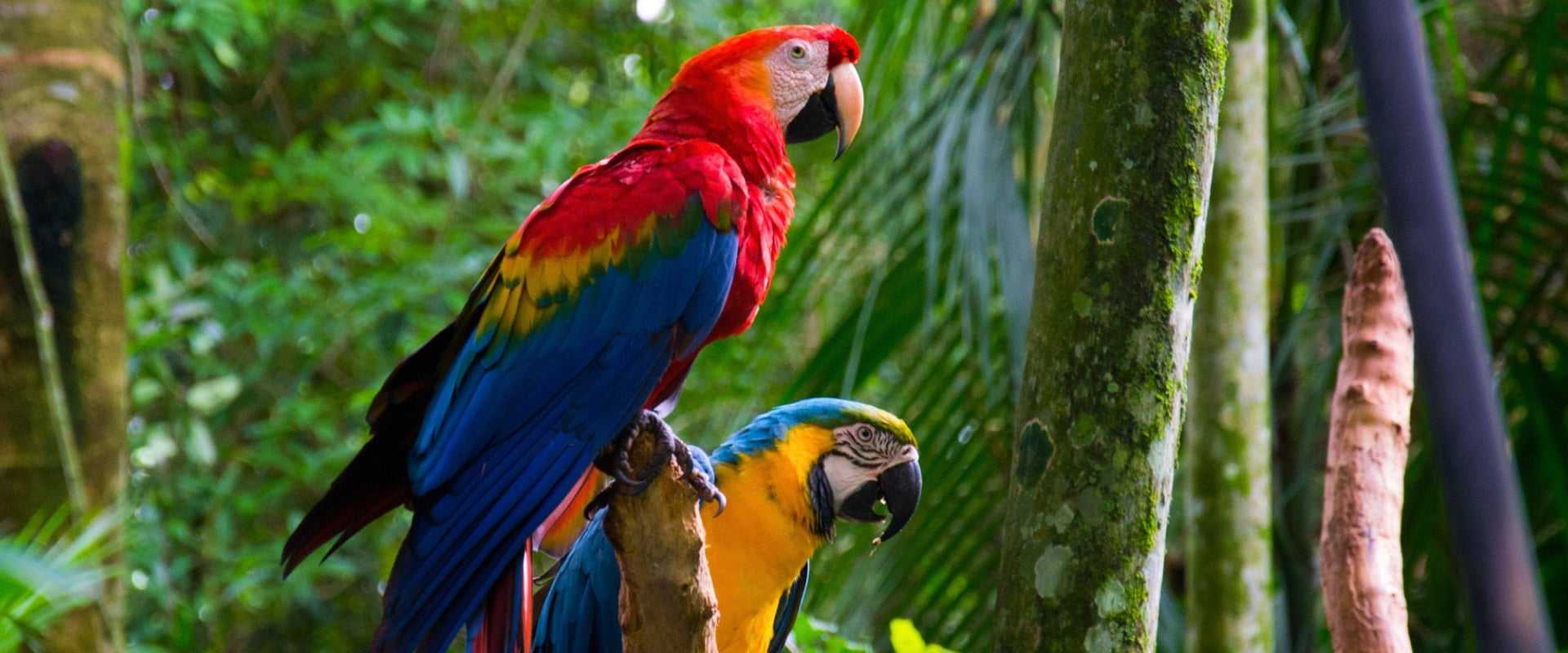
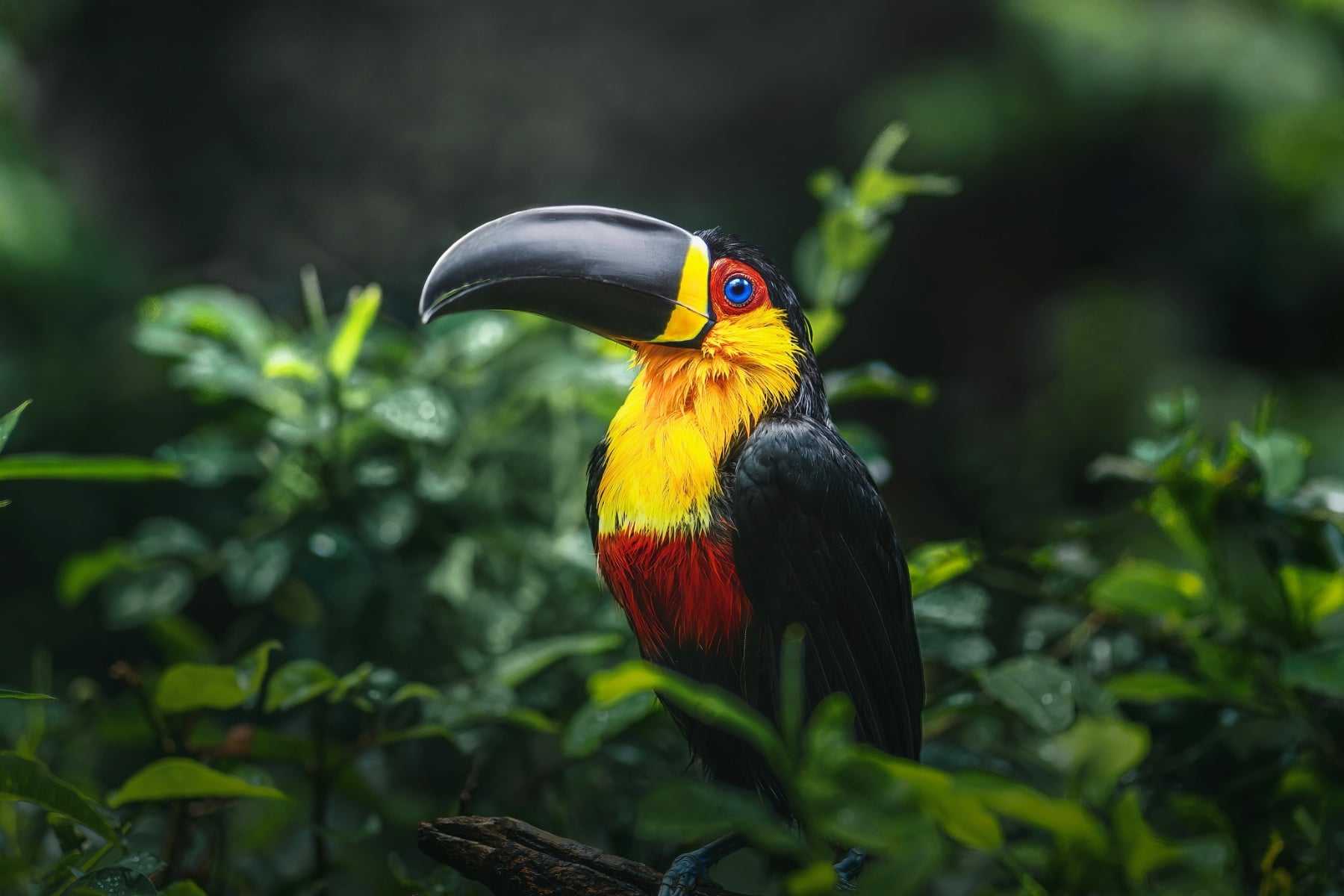
The birdlife in the Amazon is fabulous, colourful and really quite exciting even if you don’t consider yourself a birder. The toucan is the symbol of the Amazon, although they can be tricky to spot in the canopy. Otherwise, keep your eyes peeled for scarlet macaws, toucans and green Amazonian parrots as well as dainty kingfishers and hummingbirds. At the other end of the scale, the magnificent harpy eagle – the King of the Amazon at over a metre tall – can often be found perched on branches, keeping watch for its next meal.

The Costa Verde (or Green Coast)
The slice of coastline that stretches between Rio and Sao Paulo is known as the Costa Verde (or the Green Coast), so-called for the thick, dense trees that blanket the mountains. This forest is known as Atlantic Forest (Mata Atlântica) and is one of the most biodiverse ecosystems on Earth, despite only a fraction of it surviving today. And, with or without wildlife, the scenery is, quite simply, stunning with steep jungle-covered slopes plunging into pristine turquoise bays dotted with hundreds more forested islands.
Wildlife is often hidden deep in the tree canopy, but head out with an experienced guide and you may be able to find brown-throated sloths and capuchin monkeys. The area is also rich in birdlife and among the 930 species found in the area, you’ll likely spot toucans, tanagers, rufous-bellied thrushes, colourful trogons and the striking channel-billed toucan.
On the water, boat trips through Paraty’s emerald bay sometimes reveal dolphins cruising between the islands, while hikes in nearby reserves like Serra da Bocaina National Park uncover a kaleidoscopic world of butterflies, frogs and birdlife. It’s not a classic safari destination, but for those who enjoy searching for wildlife in dense rainforest, there are many rewards to be found.

Ilha Grande
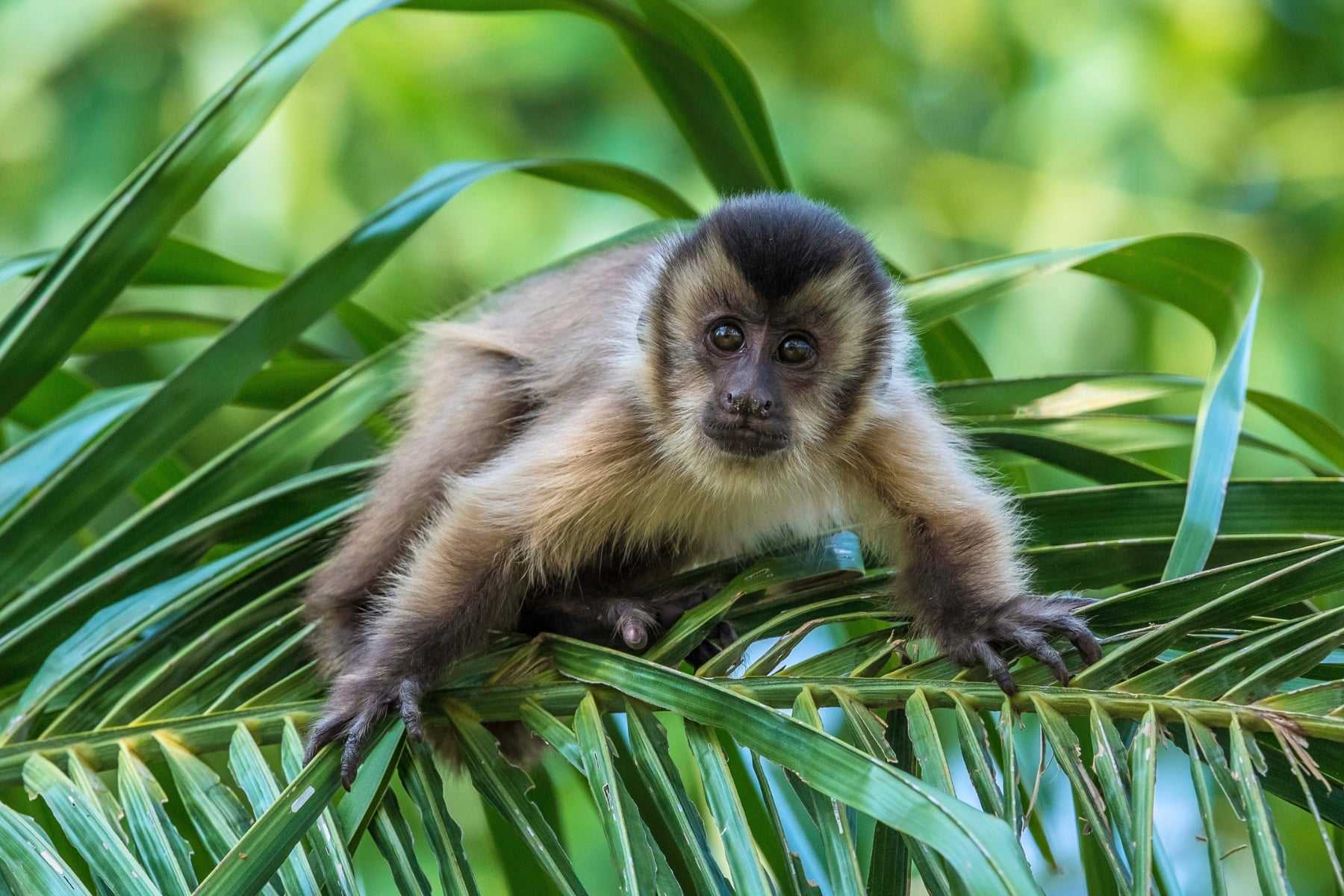
Lying just offshore from the emerald Costa Verde, Ilha Grande is one of the best-preserved pockets of Atlantic Forest in Brazil. The car-free island is covered in jungle and criss-crossed with hiking trails that lead to picture-perfect hidden beaches and waterfalls – and it’s along these paths that you’ll spot the most wildlife: howler monkeys call from the treetops whilst capuchin monkeys forage for food and sloths drape themselves lazily over branches.
The surrounding waters are equally rich in life, with sea turtles, rays and dolphin sometimes spotted from boats exploring the island’s coves.

Iguazu Falls
Iguazu Falls may be famous for its thundering cascades, but the surrounding rainforest is also alive with wildlife. The falls are located within Iguazu National Park, a protected stretch of Atlantic Forest that shelters hundreds of species. One of the most visible animals here is the coati, a curious raccoon-type mammal that patrols the walkways looking for unsuspecting visitors and their snacks (do not feed them!) while capybaras are often seen grazing along the riverbanks or swimming in the calmer waters nearby.
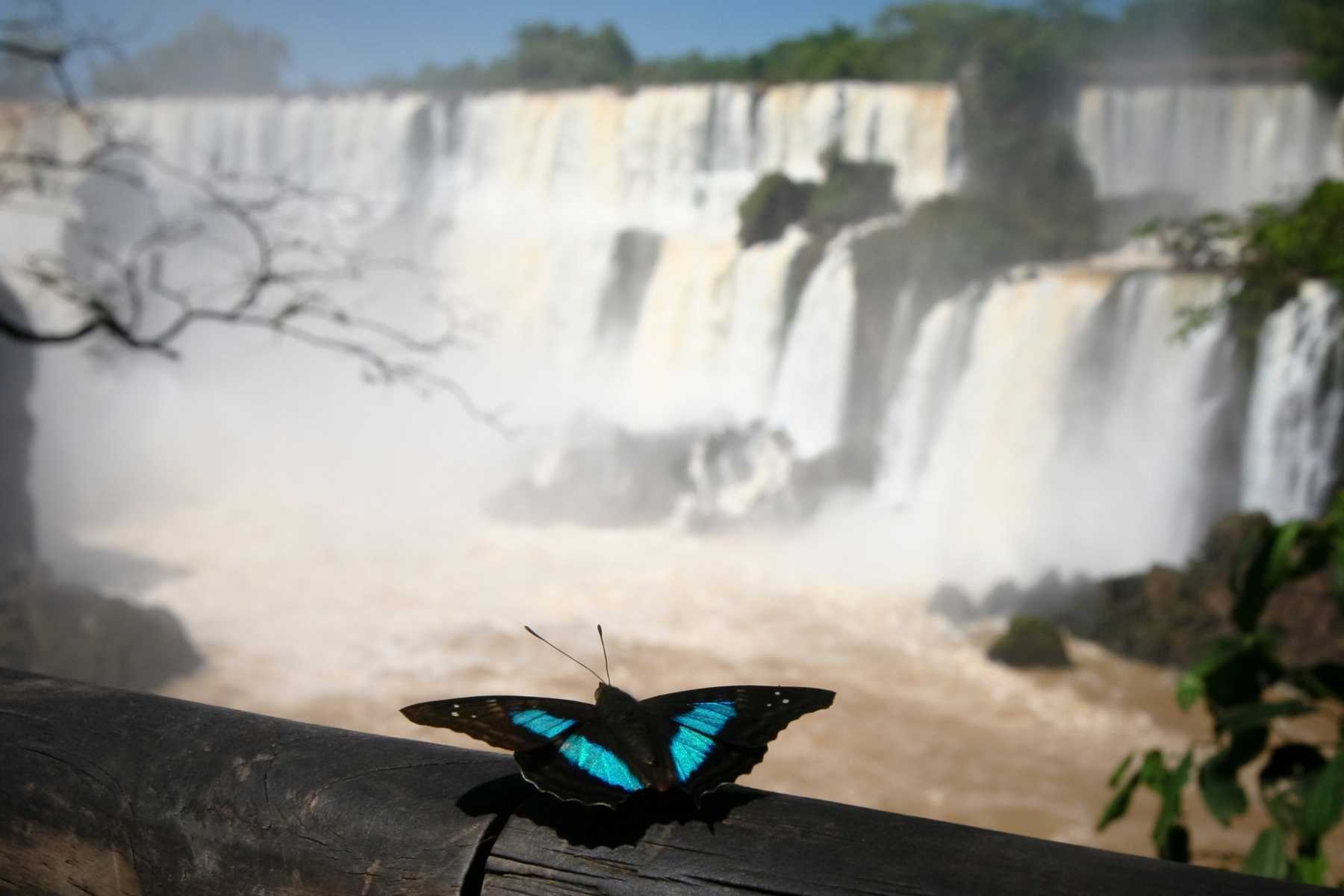
Look up, however, and you may spot toucans perched in the canopy, while butterflies swirl around the misty trails – the blue morpho with its iridescent blue wings is spectacular. The forest is also home to ocelots, monkeys and countless bird species (toucans, macaws, parrots to name a few), though they can be tricky to find in the dense foliage.

Fernando de Noronha
Fernando de Noronha is arguably Brazil’s greatest marine wildlife destination. A remote volcanic archipelago, it sits around 350 kilometres off Brazil’s northeast coast and is protected as a national marine park.
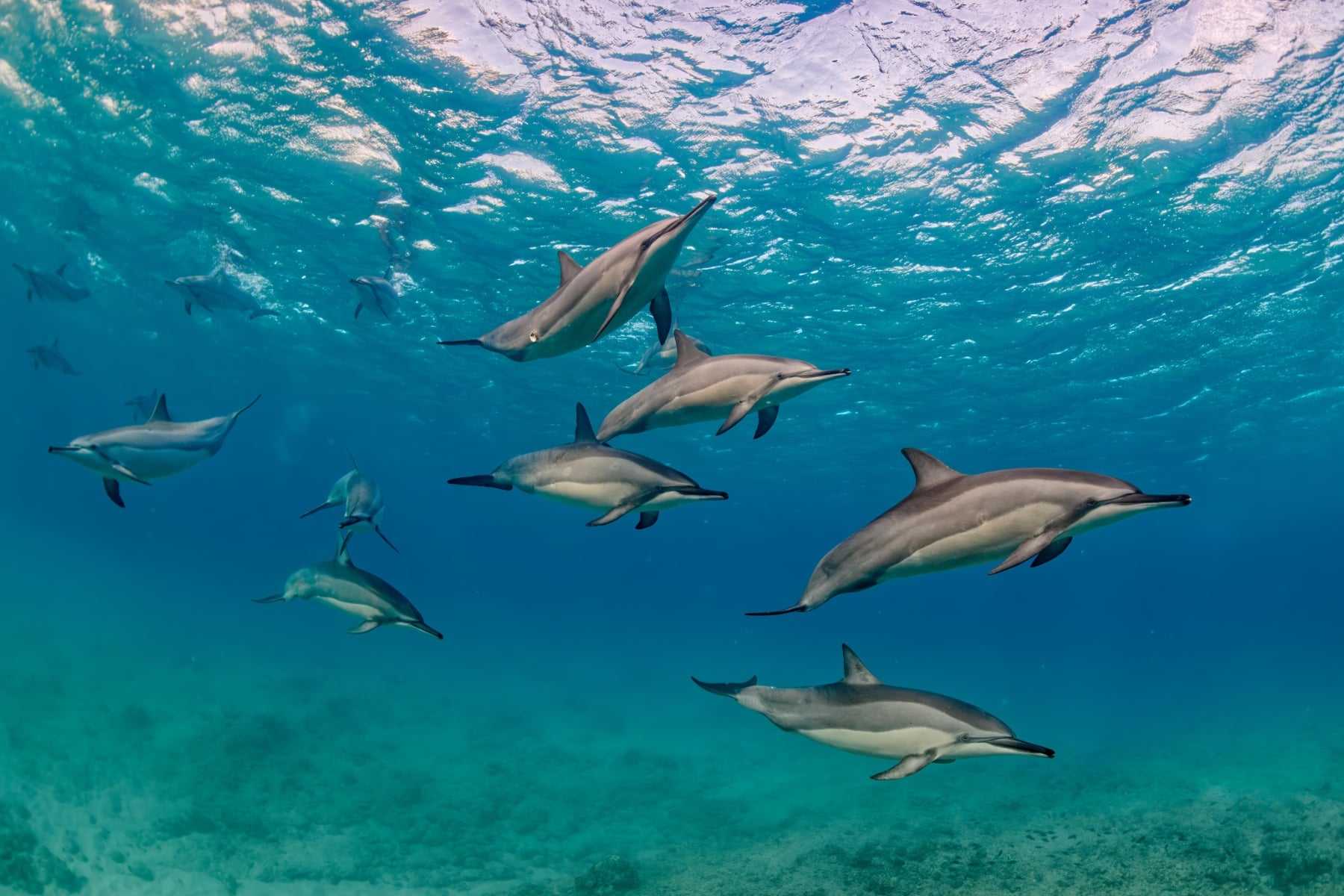
The waters here are famous for their resident population of spinner dolphins, which gather in large pods in Baía dos Golfinhos and can often be seen leaping and spinning through the waves. The snorkelling and diving is world class and divers will often see reef sharks, rays and huge schools of tropical fish in the remarkably clear water, two of the most striking being the queen angelfish and the rainbow parrotfish. The island is also a critical nesting spot for green and hawksbill turtles. Between December and June they lay their eggs on the beach and the best way to see them – and not disturb them – is to visit with NGO Project Tamar, who monitor their every move for research purposes.
Above the waterline, you’ll find a variety of nesting seabirds (the island is a breeding ground for brown booby and the magnificent frigatebird) and dramatic volcanic landscapes covered in specially-adapted plant life, but it’s the marine life that really steals the show.

Bahia
Stretching along Brazil’s northeastern shoreline, Bahia is one of the country’s most vibrant coastal regions. While many come for the culture of Salvador or the relaxed, golden beaches of Trancoso, the waters just offshore are also home to some of Brazil’s most incredible marine wildlife.
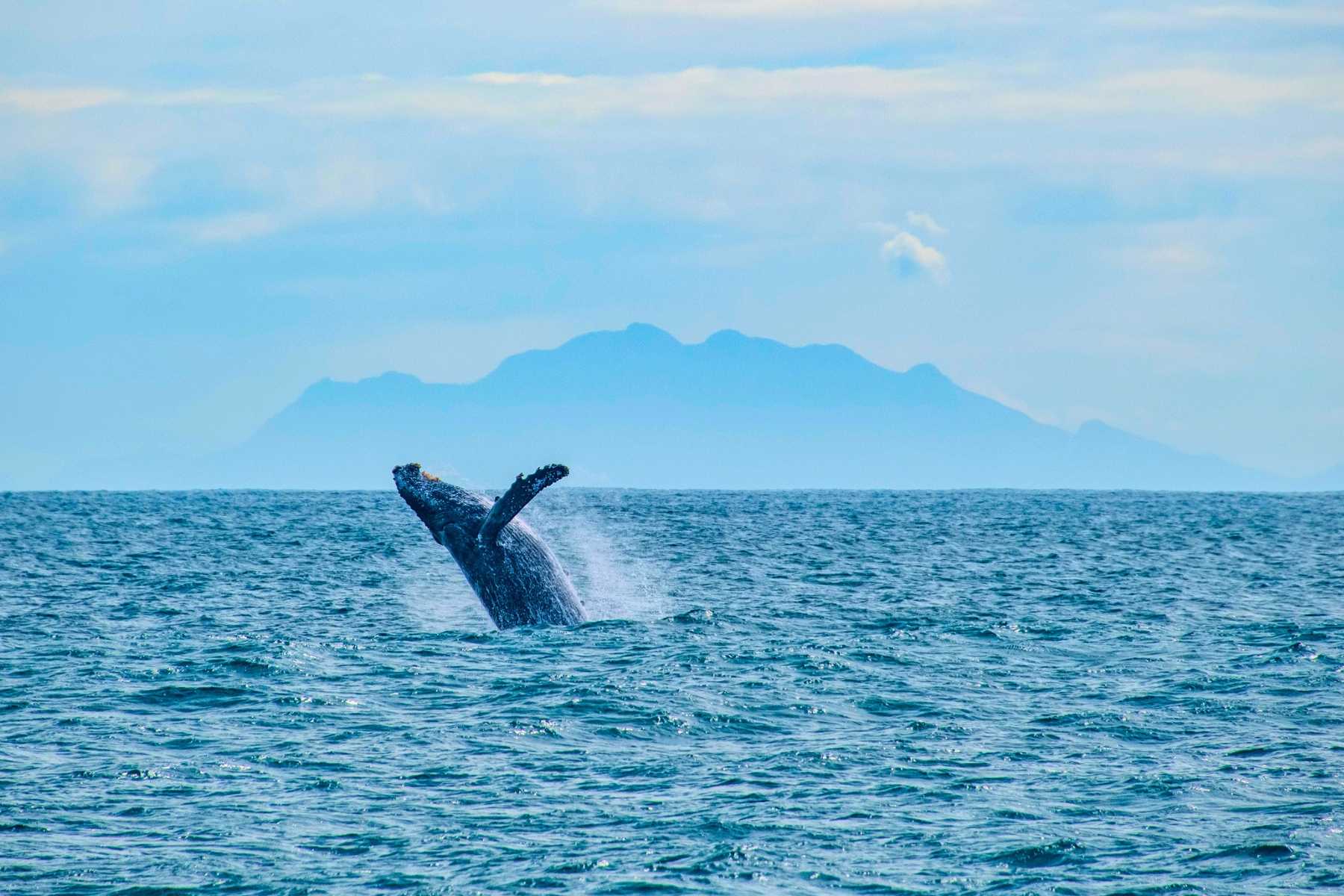
Between July and October, thousands of humpback whales migrate from Antarctica to the warm, shallow seas along the coast to breed and raise their calves. To see them up close, hop on a boat and you may be lucky enough to see them breaching and tail-slapping in the distance and sometimes even surprisingly close to shore.
Bahia is also central to the work of Project Tamar, Brazil’s long-running sea turtle conservation programme. The coastline is a nesting ground for several species of turtle, including the endangered leatherback and loggerhead turtles, which travel thousands of miles back to Brazil to lay their eggs every year. At the right time of year it’s possible to see the newly hatched turtles scrambling down the sand towards the water.

Best time to visit Brazil for Wildlife
Brazil is a year-round destination, but, depending on what you would like to see, different regions may be better at certain times of the year.
For jaguar sightings in the Pantanal, the dry season between July and October is generally considered the best time to visit. Falling water levels concentrate wildlife along the rivers and the cats can often be seen prowling along the banks. In the Amazon, wildlife can be seen throughout the year, though high-water months between March and August allow boats to explore deeper into flooded forests where monkeys, birds and sloths are often easier to spot.
Along the coast, July to October is the prime period for humpback whale watching in Bahia, while the turtle nesting season in places like Fernando de Noronha typically runs between December and June. For marine life and snorkelling conditions, the waters around Noronha are often clearest between August and November.
In short, there’s never a bad time for wildlife in Brazil — it simply depends which ecosystems you would like to explore.
Latest blogs


As seen in