.jpg)
.jpg)




Planning Guides
Global Safari Alternatives
Explore the best safari-style wildlife destinations outside Africa
Brazil
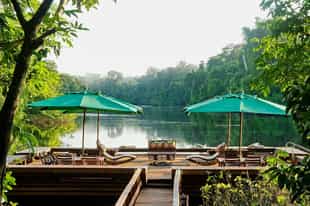
From Amazon rainforest to Rio de Janeiro, Iguaçu Falls to Pantanal safaris, Brazil is adventure on every scale.


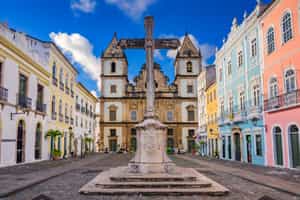
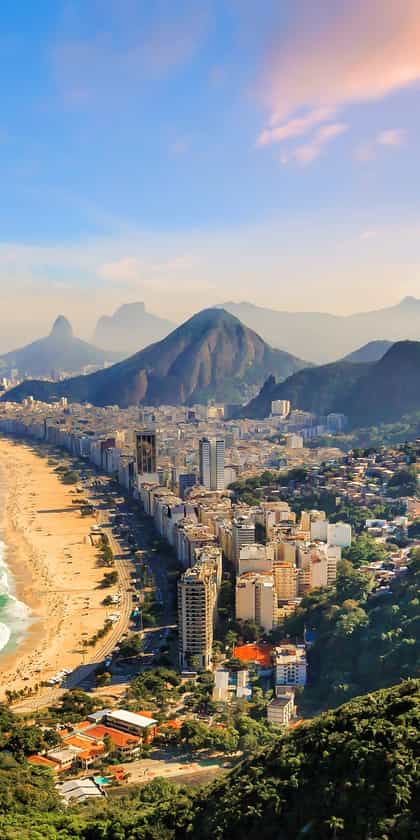
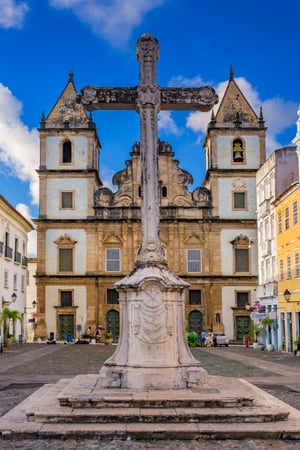
Brazil. The very name fizzes with energy. This is a country where rainforest and river stretch forever, where jaguars prowl through the Pantanal, and waterfalls thunder dramatically at Iguaçu. It’s also where samba spills into the streets, football is a religion, and beaches like Copacabana and Ipanema are bywords for a unique brand of exoticism – and fun! In Rio, Christ the Redeemer watches over one of the world’s most dazzling cities and in Salvador, Afro-Brazilian rhythms vibrate through the pretty colonial streets. Then there’s the Amazon – a living, breathing ecosystem the size of a continent, and reason enough to come on its own. Brazil really is a land of endless contrasts and constant surprises, and however you try to pin it down, it will always dance out of reach… and probably to the beat of its own drum.

Brazil has a way of getting under your skin. Maybe it’s the Amazon’s endless green, the chance of spotting jaguars in the Pantanal, or Rio’s iconic, samba-filled scenes. For many, it’s the mix of it all, the wild, chaotic, joyful, that make it so utterly addictive.

Beyond Rio and Iguaçu, Brazil hides a thousand secrets. Think colonial towns like Ouro Preto, wild dunes in Lençóis Maranhenses, and surf-shack beaches where time slows to a crawl. The deeper you go, the richer it gets.

Brazil is vast, bigger than Western Europe in fact, — so don’t try to do it all in one go. Slow down, choose a couple of regions, and leave wanting more.
Start with a recommended trip or create one from scratch
14 nights from $8.9K per person
13 nights from $12.2K per person

7 nights from $3.9K per person

8 nights from $4.7K per person
10 nights from $6.5K per person
11 nights from $4.8K per person
Get advice and suggestions to make this your perfect trip.
or call us on: +1 (646) 542 0667
,url-https%3A%2F%2Fassets.waybird.com%2Fcdn-cgi%2Fimage%2Fwidth%3D12%2Cformat%3Dauto%2Fhttps%3A%2F%2Fassets.waybird.com%2Fimages%2Fmap%2Fpin-primary-outlined.png(-57.38341269999999,-17.7166397),url-https%3A%2F%2Fassets.waybird.com%2Fcdn-cgi%2Fimage%2Fwidth%3D12%2Cformat%3Dauto%2Fhttps%3A%2F%2Fassets.waybird.com%2Fimages%2Fmap%2Fpin-primary-outlined.png(-62.20677443256341,-3.4674236074806917),url-https%3A%2F%2Fassets.waybird.com%2Fcdn-cgi%2Fimage%2Fwidth%3D12%2Cformat%3Dauto%2Fhttps%3A%2F%2Fassets.waybird.com%2Fimages%2Fmap%2Fpin-primary-outlined.png(-54.4408161,-25.690864),url-https%3A%2F%2Fassets.waybird.com%2Fcdn-cgi%2Fimage%2Fwidth%3D12%2Cformat%3Dauto%2Fhttps%3A%2F%2Fassets.waybird.com%2Fimages%2Fmap%2Fpin-primary-outlined.png(-56.48784159676205,-21.130000468771545),url-https%3A%2F%2Fassets.waybird.com%2Fcdn-cgi%2Fimage%2Fwidth%3D12%2Cformat%3Dauto%2Fhttps%3A%2F%2Fassets.waybird.com%2Fimages%2Fmap%2Fpin-primary-outlined.png(-44.7167452,-23.2197106),url-https%3A%2F%2Fassets.waybird.com%2Fcdn-cgi%2Fimage%2Fwidth%3D12%2Cformat%3Dauto%2Fhttps%3A%2F%2Fassets.waybird.com%2Fimages%2Fmap%2Fpin-primary-outlined.png(-38.49599861447185,-12.978778739146923),url-https%3A%2F%2Fassets.waybird.com%2Fcdn-cgi%2Fimage%2Fwidth%3D12%2Cformat%3Dauto%2Fhttps%3A%2F%2Fassets.waybird.com%2Fimages%2Fmap%2Fpin-primary-outlined.png(-32.42517628821078,-3.8535316378857445),url-https%3A%2F%2Fassets.waybird.com%2Fcdn-cgi%2Fimage%2Fwidth%3D12%2Cformat%3Dauto%2Fhttps%3A%2F%2Fassets.waybird.com%2Fimages%2Fmap%2Fpin-primary-outlined.png(-41.41230236254294,-12.79241501906305),url-https%3A%2F%2Fassets.waybird.com%2Fcdn-cgi%2Fimage%2Fwidth%3D12%2Cformat%3Dauto%2Fhttps%3A%2F%2Fassets.waybird.com%2Fimages%2Fmap%2Fpin-primary-outlined.png(-43.12943246471246,-2.497294275977541),url-https%3A%2F%2Fassets.waybird.com%2Fcdn-cgi%2Fimage%2Fwidth%3D12%2Cformat%3Dauto%2Fhttps%3A%2F%2Fassets.waybird.com%2Fimages%2Fmap%2Fpin-primary-outlined.png(-44.23257855824322,-23.152857501559794),url-https%3A%2F%2Fassets.waybird.com%2Fcdn-cgi%2Fimage%2Fwidth%3D12%2Cformat%3Dauto%2Fhttps%3A%2F%2Fassets.waybird.com%2Fimages%2Fmap%2Fpin-primary-outlined.png(-39.10276005288288,-16.59176159381951),url-https%3A%2F%2Fassets.waybird.com%2Fcdn-cgi%2Fimage%2Fwidth%3D12%2Cformat%3Dauto%2Fhttps%3A%2F%2Fassets.waybird.com%2Fimages%2Fmap%2Fpin-primary-outlined.png(-46.64578887687501,-23.55841422822361),url-https%3A%2F%2Fassets.waybird.com%2Fcdn-cgi%2Fimage%2Fwidth%3D12%2Cformat%3Dauto%2Fhttps%3A%2F%2Fassets.waybird.com%2Fimages%2Fmap%2Fpin-primary-outlined.png(-35.1995524486003,-5.785186460342639),url-https%3A%2F%2Fassets.waybird.com%2Fcdn-cgi%2Fimage%2Fwidth%3D12%2Cformat%3Dauto%2Fhttps%3A%2F%2Fassets.waybird.com%2Fimages%2Fmap%2Fpin-primary-outlined.png(-44.52768493157678,-22.985750145139914)/auto/600x400?access_token=pk.eyJ1IjoidGltYnVrdHV0cmF2ZWwiLCJhIjoiY2poMGw1eHpkMmRkbDJ6bW8xYWZ5OGpjYyJ9.PYvAO7lUJ40SOpGvwmQLqw&attribution=false&logo=false)
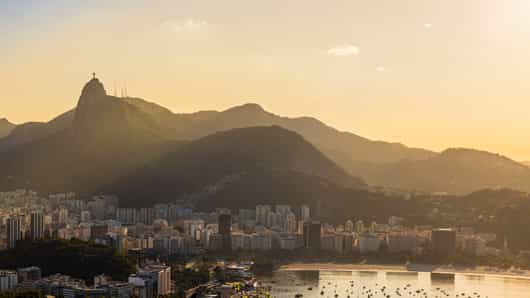
Brazil
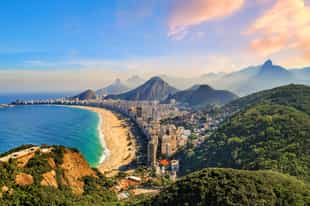
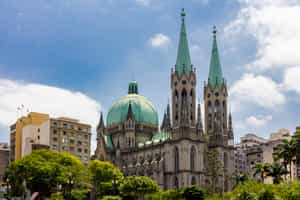
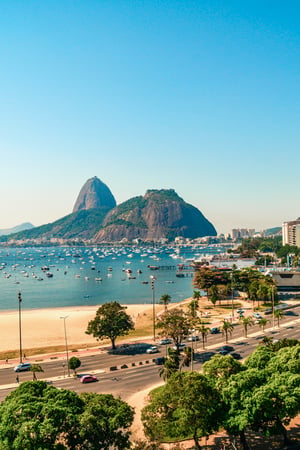
Live it up in this heart-pumping city famed for its sizzling beaches, interminable culture & glorious views.
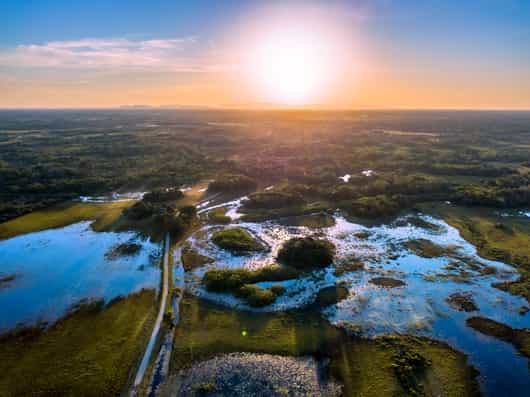
Brazil
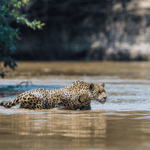
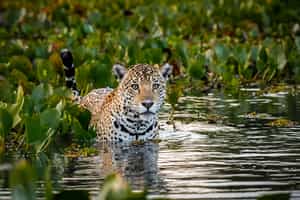
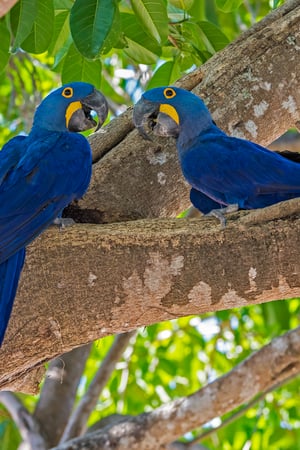
A watery, wildlife wonderland where there’s no limit to adventure nor the number of photographs you’ll take.
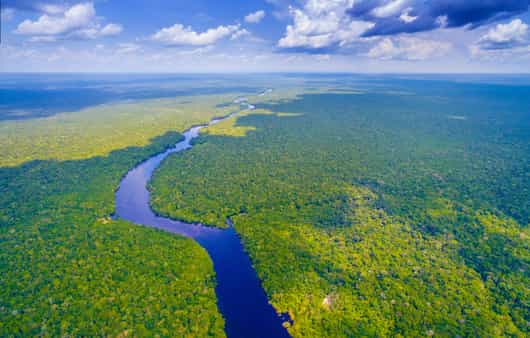
Brazil
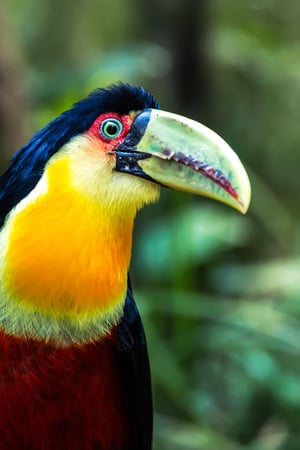
A melting pot of natural wonders with wildlife to make your head spin & the real world feels a million miles away.
In a country as vast as Brazil, you’ll have the chance to explore everything from tropical rainforests to eternally sunny islands, making it a year-round destination depending on where you're headed. The summer months (December to March) bring the heat and humidity you'd expect of Brazil, with temperatures reaching well above 30°C. With water levels at their highest, the Iguazu Falls are at their most dramatic, creating truly spectacular cascades. From April to June, autumn offers a lovely reprieve with cooler temperatures and more manageable rainfall across most of Brazil – this is the ideal time for exploring cities like Rio and São Paulo. Winter (June to September) might sound chilly, but this is Brazil so it’s beautifully mild, and it marks the dry season in the Amazon – fantastic for wildlife spotting when the water levels drop. This is peak season for the Pantanal when animals gather at shrinking watering holes, making it a wildlife photographer's dream. By spring (September to December), the country starts warming up again with increasing rainfall in the Amazon, creating lush landscapes for those who don’t mind getting a little soggy. Lençóis Maranhenses is at its most striking with brimming lagoons set amongst the towering white sand dunes. Keep in mind that Brazil's diverse climate zones mean your experience will vary dramatically depending on whether you're lounging on the beaches of the northeast, exploring these natural wonders, or discovering the cosmopolitan south.

The beaches of Salvador de Bahia are picture-perfect in January with balmy temperatures, warm waters and a pre-Carnaval buzz (although the crowds will be there too). Season — a good time to visit
The water levels in the Amazon are starting to rise allowing for canoeing amongst the treetops, eyes peeled for raucous monkeys and pink river dolphins.
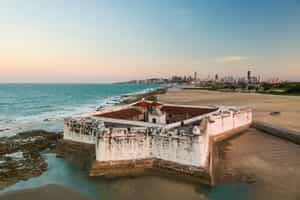
Natal enjoys toasty temperatures and plenty of sunshine, ideal for beach hopping or exploring the Genipabu dunes by buggy.
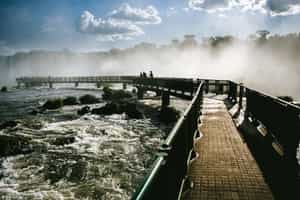
Although the Iguazu Falls are at their fullest, some walkways may be closed and the water isn’t the most clear.
a good time to visit
Taking place in either February or March, the Rio Carnaval may be the world’s most famous party but, unless you’re visiting specifically for it, we’d avoid a visit during this time. Rather opt for a slightly less crowded but still vibrant version in Salva
Flooded forests and fruiting season combine in the Amazon for a totally unique experience and, if luck is on your side, close-up monkey sightings.
The flow remains impressive at Iguazu Falls and the heat is slightly less extreme than January, making for fantastic viewing.
a good time to visit
Free from the peak summer crowds, this is a marvellous time to visit Iguazu Falls as water levels are still spectacular and temperatures begin to cool down.
Along the coast of Southern Bahia, the Carnaval crowds ease up and the sun continues to shine – we’d make a beeline for Trancoso.
The Amazon is positively brimming, making for memorable canoeing safaris through flooded forests and visits to the lively macaw clay licks. Also, visit Manaus for a glimpse of the ‘Meeting of the Waters’.
a good time to visit
April marks a sweet spot in Chapada Diamantina with rushing waterfalls, drier trails and the chance to witness the dazzling Poço Azul sunbeam.
Iguazu Falls provide a brilliant mix of spectacular cascades, moderate temperatures and significantly fewer crowds – perfection!
With the rains decreasing on Brazil’s southeast coast, you can expect top-notch yet relatively tourist-free hiking trails on Ilha Grande.
one of the best times to visit
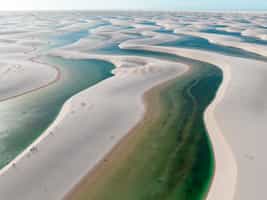
The sky-blue lagoons of Lençóis Maranhenses are at their fullest, making this an incredible time to enjoy the surreal scenery and more than a few dips.
The Greater Pantanal enters prime safari time as giant river otter and jaguar sightings pick up along the rivers.
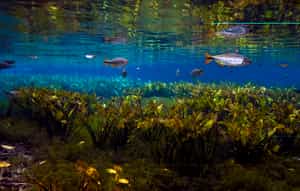
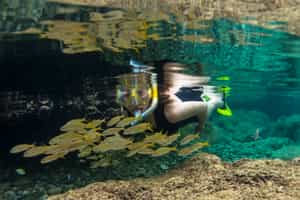
Snorkelling in Bonito’s crystalline rivers is a dream with temperate waters that offer visibility of over 30 metres.
Flowing waterfalls, epic trekking and the possibility of seeing one of the iconic cave sunbeams make this a superb time for combining the best of Chapada Diamantina.
one of the best times to visit
With very little chance of rain and deep blue lagoons to swim in, June is Lençóis Maranhenses at its most beautiful. Be sure to book way in advance.
Jaguar spotting in the Greater Pantanal is certifiably excellent with fewer boats than later in the year, meaning intimate and more thrilling sightings.
Expect up to 50 metres of visibility in the rivers of Bonito – the underwater photography is sensational but wetsuits are essential.
Sunny days and calm seas make this a wonderful time for enjoying the more active pursuits of Paraty and Ilha Grande.
one of the best times to visit
Sensational jaguar sightings are almost a given as they hunt capybaras and caimans along the exposed riverbanks in the Greater Pantanal.
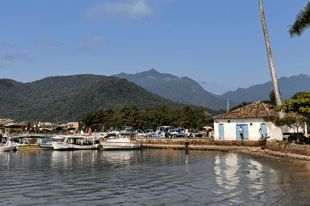
Usually taking place in July or early August, Paraty’s famous FLIP Literary Festival is a unique way to experience this UNESCO-listed town.
The Amazon is in the midst of its lower water glory with fully accessible trails, beaches emerging along rivers and the potential for memorable wildlife sightings (though, they can be hard-won).
one of the best times to visit
Head to Fernando de Noronha where calm seas, staggering visibility and active pods of spinner dolphins combine for incredible diving. The winds can be strong, however, so morning departures are recommended.
Incredibly low water levels in the Amazon expose white sandy beaches along the river’s edge, where wildlife can often be seen, quenching their thirst.
The rivers of Bonito warm slightly and visibility remains excellent, while the crowds have thinned after the school holidays.
one of the best times to visit
Fernando de Noronha is at its absolute best with over 50 metres of visibility for diving, spinner dolphins and sea turtles to spot, and simply idyllic beaches.
Rio de Janeiro enjoys pleasant spring temperatures and fewer crowds, making exploring or hitting the beach a delight.
The potential for wildlife sightings in the Amazon is at a high due to dwindling water sources – though expectations should be managed – and the piranha fishing is excellent too!
Brazil’s northeast coast is blessed with eternal sunshine, perfect for exploring the beaches, dunes and historic sights of Natal.
a good time to visit
With fewer crowds than December, the beaches of Rio de Janeiro, Trancoso and Ilha Grande really come into their own.
Unbelievable visibility, incredible sea turtle activity and minimal crowds make October an idyllic time for visiting Fernando de Noronha.
If luck is on your side, wildlife sightings in the Amazon can be incredible and it’s even possible to go walking on sandbars (safely, of course). However, some cruising routes may be restricted.
a good time to visit
This is a fantastic time for enjoying the beaches and iconic sights of Rio de Janeiro before the summer madness begins in earnest.
The Green Coast is basking in the spring warmth, ideal for swimming, boating and hiking.
The surf season begins in Fernando de Noronha, while the diving conditions remain excellent.
a good time to visit
Join in the festivities of Natal’s ‘off-season’ Carnaval, when the town is transformed into a hive of music and colour, but without the famous Rio crowds.
Green and Hawksbill sea turtles begin nesting on the beaches of Fernando de Noronha, which you can witness on TAMAR-organised excursions.
If you’d like to experience the vibe without as many fellow tourists, head for Trancoso where the beaches are lovely and that Brazilian zest for life is on full display.

International flights Brazil has a number of major hubs used by international travellers including Guarulhos International Airport (GRU) in São Paulo and Galeão International Airport (GIG) in Rio de Janeiro. Naturally, the best option will depend on where you’re planning to go next. There are direct flights into both airports from countries including the USA and UK, as well as multiple regions across Europe and Latin America. We would recommend booking your flights online in order to get the best rates. If you need any help or advice please let us know. Domestic travel As you’re probably aware, Brazil is huge, which means domestic flights will be your ally on cross-country trips. However, most destinations also require a significant transfer by road, which will be done by a private driver or guide. For instance, in the northern Pantanal, you will fly into Cuiabá, followed by a 2-hour drive to the beginning of the famous Transpantaneira road, which you’ll use to navigate the region.
Yellow Fever is prevalent throughout Brazil, but specifically in regions like the Amazon, Pantanal and Iguazu Falls. Proof of vaccination is required by many countries on your return from Brazil, so it’s vital to carry this with you. Other recommended vaccinations include Hepatitis A, Typhoid and rabies. However, please consult your personal physician and/or a travel clinic preferably 6 weeks prior to your departure. Vaccine requirements vary based on your country of origin and your travel itinerary, as well as your previous vaccination history. It is best to consult with your physician or the CDC website for guidelines. Certain mosquito-borne illnesses are present in parts of Brazil and can be avoided with consistent use of insect repellent (50% DEET) and wearing layers. If you are visiting a high-risk malaria zone such as the Amazon, be sure to take antimalarial tablets as recommended by your doctor. While most hotels have a first aid kit, we advise taking a basic one of your own as well as any prescriptions / medication you may need. It is important to avoid drinking or brushing your teeth with tap water; rather stick to bottled or trusted filtered water. In small towns or at street stalls, it may also be safer to avoid having ice in your drinks. When buying fresh produce, be sure to wash it with your own water as well. Communication Brazil country code: +55 Calling overseas from Brazil: Dial 00 followed by the country code, area code and cell phone number.
Money Brazil’s official currency is the Real (plural: Reais) or R$. In terms of exchanging currencies, banks and exchange bureaus (Casas de Câmbio) are best, and US dollars or Euros are the easiest to exchange. ATMs are widely available throughout cities and towns but they don’t all accept foreign cards – look out for international networks like Banco do Brasil, Bradesco, Itaú, Santander. Visa, Mastercard and Amex are also widely accepted. Gratuities Gratuities are not compulsory or expected; rather it is a reward for excellent service. If you are pleased with the service you receive, you are more than welcome to tip your guide or the staff. Tipping is usually done at the end of your stay. You may tip the staff individually, give the tip to the manager to distribute, or do both. Gratuities suggestions: Guides: R$50 - 75 per person (half-day); R$100 - 200 per person (full-day). Private drivers: R$20 - 50 depending on the length of service. Porters: R$5 - 10 per bag. Housekeeping: R$5 - 10 per day (leave in room or at reception). A 10% service charge (gorjeta) is usually included in the bill, but if not, a 10% tip is customary. Rounding up small bills is also common.
It is a condition of booking that you carry the correct comprehensive travel and medical insurance to cover yourself, as well as any dependents/travelling companions for the duration of your trip. This insurance should include cover in respect of, but not limited to, the following eventualities: Compulsory Insurance: a. Emergency evacuation expenses b. Medical expenses c. Repatriation expenses Recommended Insurance: a. Cancellation or curtailment of trip b. Damage/theft/loss of personal luggage, money and goods
As a general precaution, we recommend you make several copies of your travel-related documents (passport, credit cards, itinerary, airline tickets, insurance cover, visas, etc). Leave one set at home, and bring another set with you, and place it in a location separate from your originals. You may need to present any relevant travel-related documents at any time on the trip. Travellers from certain countries don’t require a visa to visit Brazil, as long as their stay is no longer than 90 days. This includes most of Latin America, the UK and much of Europe and South Africa. Travellers from other countries such as the USA, Canada and Australia do require a visa, which can be done online for approximately USD $80 and will be valid for up to 90 days. This can be done here - https://brazil.vfsevisa.com/. Those not included in visa-free entry or the e-visa option will need to apply for a tourist visa at a Brazilian consulate before travelling. All travellers are required to carry the following: - A passport valid for at least 6 months from the date of departure - Proof of an onward or return ticket - Proof of accommodation or sufficient funds (this may be requested)
Brazil’s weather differs greatly from region to region, and you should pack accordingly based on your itinerary. From the steamy Amazon to the idyllic coast and mega-watt cities, you’ll want to pack for all occasions (without overdoing it, of course). Below is a rough guide on what to pack: - Lightweight, breathable clothes that you can use for layering - Long-sleeved shirts and light trousers (especially if you’re visiting the Amazon or Pantanal) - Warm layer (fleece or sweater) - Light rain jacket (especially if you’re visiting the Amazon, Pantanal or Iguazu Falls) - Something nice for evenings out - Swimwear - Comfortable walking shoes - Sturdy hiking shoes (if applicable) - Sandals or flip-flops - A wide-brimmed hat or cap, sunglasses & high-SPF sunscreen - Toiletries including insect repellent, hand sanitizer and wipes - A first aid kit and any prescription or required medication - Electronics, chargers, batteries and adapters. Brazil uses types N and C, and the voltage varies between 110V & 220V depending on the region. - Backpack, waterproof pouch and reusable water bottle Luggage Please check with your airlines for the specific luggage restrictions relevant to your flight schedule. Many international airlines have a baggage allowance of 20kgs or more per person and commercial airlines generally permit two (2) pieces of checked luggage. The carry-on bag must be of such dimensions and weight as set by the airlines.
We’re big believers in leaving a positive impact in the countries in which we operate. We’re proud to donate $50 for every booking to projects focusing on female empowerment, tech education, conservation, and so much more.
Our dream is to empower our guests to travel with a purpose.
So far, we’ve donated $107,000 to projects across the globe.


Why travel with Timbuktu?

We've been crafting one-of-a-kind journeys since 2014 — over 2,500 trips across 40+ countries, each one built from scratch around your interests and dreams.

Our team only recommends places they've slept in, eaten in, and happily keep going back to. Condé Nast Traveler named 11 of them Top Travel Specialists in 2026, and Travel+Leisure made three A-List Advisors.

Travel+Leisure's readers voted us the World's No.1 Tour Operator in 2024 and No.2 in 2025 — the travel industry's biggest readers' award, judged by people who actually travel.

$50 from every booking goes to female empowerment, tech education, and conservation projects across the countries we love. We have donated $78,000 so far – and it's going up!

Your travel specialist is with you the whole way, dreaming up the trip, building the itinerary, checking you in, and answering the 2am question from the other side of the world..

We are rated 4.9 out of 5 from 1007 verified Feefo reviews. And these are the words of people who actually went, not us talking about ourselves.
11 Condé Nast Traveler Top Travel Specialists 2026

No. 1 & No. 2 Tour Operator in Travel + Leisure's Best Awards 2024 & 2025

Best Booking Platform in Women's Health Travel Awards 2025

Travel Specialist voted as Latin America A-List Travel Advisor 2025

"Timbuktu can take relatively complex and slightly amorphous travel plans and transform them into a well-organized, perfectly tailored trip."