We're one of the World's Best Tour Operators!
Named three years running in Travel+Leisure World's Best, including No.1 in 2024
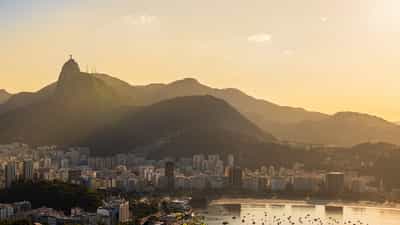
Rio may have been ousted as Brazil’s capital decades ago, but its bronzed beaches, cultural extravaganzas and undisputed energia has ensured the ‘Marvelous City’ remains at the epicentre of Brazilian life. Mountains rise around the city’s fringes whilst the iconic Christ the Redeemer statue stands watch over vibrant streets of history and Belle Epoque buildings, and Samba tunes spill out of dance clubs. And then of course, there’s the iconic Carnival that takes over every February in a riot of feathers and flash. Visitors can take in the panoramic views from Sugarloaf Mountain, trundle along in the banana-yellow tram to bohemian Santa Teresa, and soak up the sunshine and alegria on Copacabana beach. This is a city where almost anything is possible…
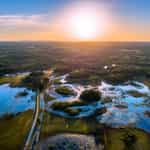
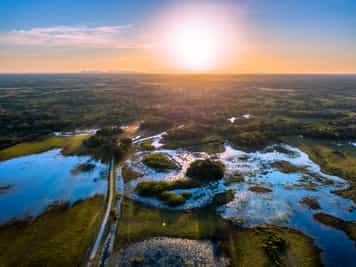
A UNESCO Biosphere Reserve and the largest freshwater wetland in the world, the Pantanal takes up around 230,000 square kilometres in Brazil, while also spilling over into Bolivia and Paraguay. The region is criss-crossed by over 170 rivers, which burst their banks following the heavy summer rains each year, creating vast, shallow lakes interspersed with patches of high ground and forest. The result is perfect conditions for a staggering array of creatures to thrive, from cute capybaras to lurking caimans, tapirs and even jaguars (the north has prime sighting potential). There’s also a plethora of birdlife to marvel at, including the cerulean hyacinth macaw, a wonder to behold. Adventure is rife too, with boating safaris, horseback rides led by local cowboys, and even heli tours over the shimmering pans below all for the taking.
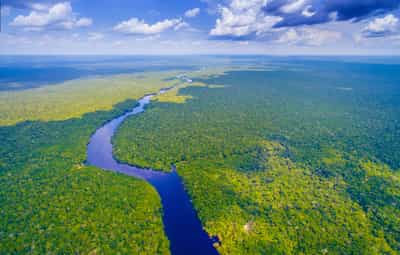
Covering approximately 5.5 million square kilometres across nine countries, the Amazon is the world’s largest tropical rainforest and home to around 10% of its biodiversity, including over 1,500 species of birds. Brazil just happens to contain 60% of this vast ecosystem, made all the more luscious by the vast, coursing rivers, and inhabited by thousands upon thousands of unique creatures. Embark on guided hikes where three-toed sloths loll overhead and giant anteaters crunch through the undergrowth, cruise along one of the many waterways where pink dolphins and giant otters glide alongside you, or zoom through the canopy via zipline as toucans and tanagers take flight. After a day bursting with adventure, there’s no better feeling than retreating to your jungle lodge for a feast of rich Amazonian dishes as the forest swells with the sounds and sights of the night.
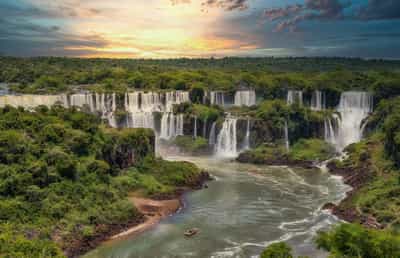
Straddling the border between Argentina and Brazil, the Iguazu Falls or Cataratas do Iguaçu are undoubtedly one of the most epic sights to behold on this Earth. Think we’re exaggerating? With 275 separate cascades, it is the largest broken waterfall in the world, sitting taller than Niagara and wider than Victoria Falls. And the Brazilian side offers the most sweeping, cinematic views of the entire spray-adorned spectacle. Surrounded by miles of lush Atlantic rainforest, you’ll likely be joined by birdlife of every colour and chattering monkeys on trails leading along the cliffs’ edge. For those with nerves of steel, walk out over the thunderous abyss below via the Devil’s Throat walkway – the crescendo of any Brazilian adventure. Don’t forget your poncho!
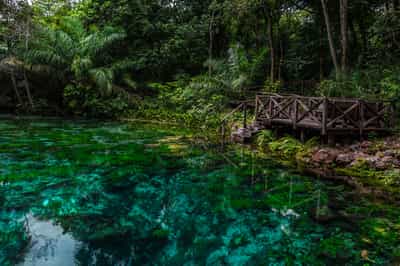
Bonito may be a small town at the southern tip of the Greater Pantanal, but its allure extends far beyond that – all the way into the 77,000-hectare Serra da Bodoquena National Park to be exact. The region is famed for its crystalline rivers including one of the clearest in the world, the Rio da Prata, where visibility can exceed 30 metres. Don a wetsuit and let the water carry you through this natural aquarium where exotic fish dart by and birdlife calls overhead, and then head for the theatrical cave formations. Amongst the most iconic, Gruta do Lago Azul hides an electric-blue subterranean lake whilst in Abismo Anhumas, you can rappel 72 metres down into the water-filled cavern. Alternatively, hike through the jungle in search of hidden waterfalls, tube down the rapids or pay a visit to Buraco das Araras, one of the world’s largest sinkholes, and now a sanctuary for hundreds of macaws. And after a day filled with adventure, there’s nothing left to do but relax with a glass of Cachaça as the tunes of cicadas fill the air.
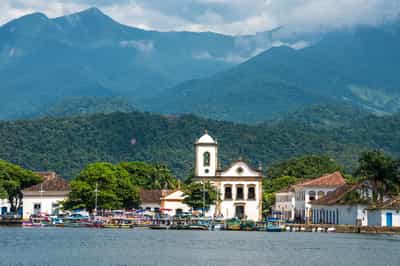
Watched over by a series of jungle-clad mountains, Paraty, once a prominent station on the ‘Gold Trail’, is a whimsical, history-ridden town. Wandering through its cobbled, car-free streets feels like you’ve entered a living museum lined with whitewashed colonial mansions, Baroque churches and the hilltop Forte Defensor Perpetuo – enjoy the best views in town while you’re up there. Paratay is also a gateway to dozens upon dozens of delicious islands and beaches that are home to every watersport imaginable, while hikes or horseback rides into the jungle will leave your head spinning with visions of banana-billed toucans, blue morpho butterflies and monkeys. Then there are the festivals, which range from literary celebrations and Cachaça tasting events (Brazil’s beloved sugarcane liquor) to exquisite, fresher-than-fresh seafood feasts, just as the local fishing communities make it.
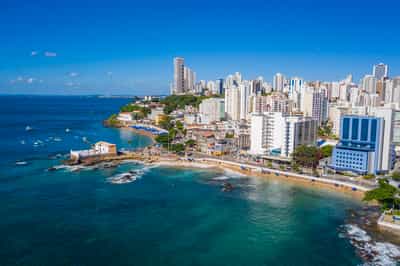
Sitting pretty on a peninsula beside the Bay of All Saints on Brazil’s east coast, Salvador de Bahia is vivacious with a capital V. Today, its plazas spill over with Afro-Brazilian energy and samba beats, but the city also has a deep history, especially if you ride the iconic Lacerda Elevator up to its UNESCO-listed centre, Pelourinho (Upper City). Stroll along cobbled streets lined with pastel-hued buildings and learn all about Brazil’s famous festival at the Casa do Carnaval. Locals say you simply haven’t been to Bahia if you didn’t visit the Basilica do Senhor do Bonfim in the Lower City, while others might say the same if you skip a drink at O Cravinho, famed for its spiced cachaca infusions. In between explorations, bask at the beach, take a private drumming class or join a local chef at the city’s largest open-air market to pick up ingredients for your cooking lesson.
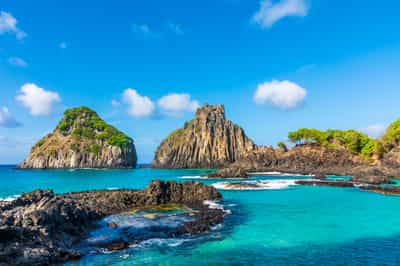
Floating in magnificent isolation 350 kilometres off Brazil's northeastern coast, this 21-island archipelago fiercely protects its (beautiful) treasures. Visitor numbers are strictly limited, environmental taxes are steep, and development is curtailed by its national park status, ensuring this unique paradise remains unsullied. On the main island (the sole inhabited land mass), dramatic volcanic peaks rise from emerald forests, while beaches range from the surf-pounded to the sheltered, where underwater visibility can extend to 50 metres. Marine life is abundant, from the resident spinner dolphins that can be spotted each morning, to nesting sea turtles, and the reefs that are home to hundreds of colorful fish, seemingly unbothered by the snorkellers floating above. The most infrastructure can be found at the tiny, main village where you can stay at a charming pousada and trundle around in open-air buggies. There’s nowhere quite like it.
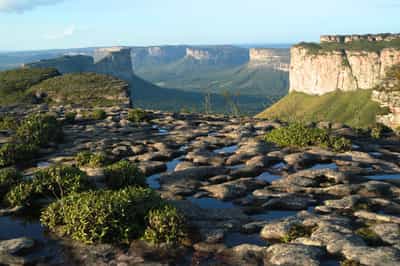
Hidden away in the heart of the Bahia region, Chapada Diamantina National Park is nothing short of ethereal. Formerly known as Brazil's diamond rush epicentre, the park now mines something far more valuable – moments of pure awe. Tabletop mountains rise from valleys full of waterfalls and snaking rivers, and underground pools catch the sun’s rays, turning them impossibly blue. Most exploring is done on foot, perhaps to Morro do Pai Inácio, the most iconic spot to be at sunset, or on multi-day treks through cerrado savannah and cloud forests. But that’s far from the end of your adventure and there are scenic horseback rides, canyoning expeditions and breathtaking helicopter flights too. The gateway town of Lençóis preserves its colonial mining architecture in pastel-colored charm, while smaller villages like Vale do Capão have evolved into off-grid havens where organic farming and alternative lifestyles flourish.
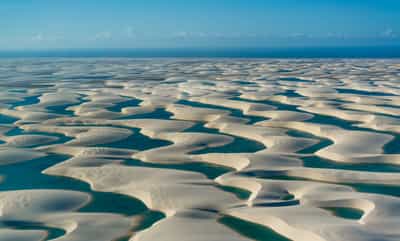
Otherworldly, unspoiled and dazzling don’t even begin to describe the phenomenon that is Lencois Maranhenses National Park. Covering around 155,000 hectares, the park is a vision of blindingly-white dunes (some reaching heights of 40 metres!) carved by coastal winds over thousands of years. What’s more, annual rains create thousands of turquoise, emerald and sapphire lagoons that vary from personal plunge pools to vast bodies of water teeming with fish that seem to appear out of thin air. Explore this breath-taking landscape on foot, watching iridescent scarlet ibises gather at the water’s edge, stopping for a dip or simply soaking up the endless vistas. For the most adventurous of visitors, there is also sandboarding and ATV rides, or take flight in a teeny-tiny plane for the ultimate view from the top.
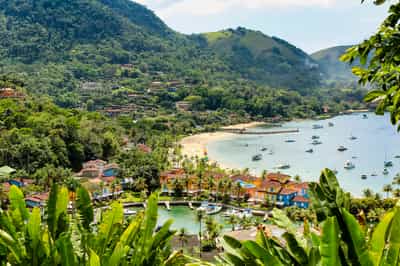
A seaweed-ensconced shell just off the coast of Paraty, Ilha Grande is the kind of place where a successful day is measured in the distance hiked or hours snorkelled. A pirates’ hideout turned leper colony turned high-security prison – aka Brazil’s own Alcatraz – Ilha Grande is now a beach paradise (there are over 100 of them) where cars don’t exist and everyone’s always welcome. A protected Biological Reserve and UNESCO World Heritage Site, the island’s interiors are a riot of wildlife from toucans to endangered woolly spider monkeys, while its waters are as idyllic as they come – snorkel, surf and beach-hop by boat to your heart’s content. The main hub (if you can call it that) has a handful of charming pousadas and cafes, but zero ATMs, so bring cash, plenty of sunscreen and your sense of adventure.
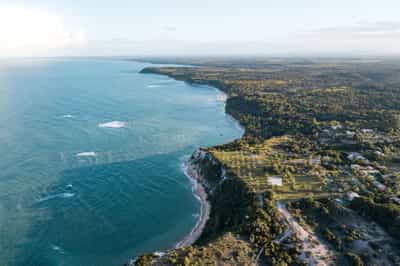
Tucked into Bahia's sun-drenched coastline is this former fishing village and its considerable charms. Discovered by hippies in the 1970s, Trancoso clings stubbornly to its laid-back soul despite a jet-set of increasingly sophisticated visitors. The beating heart is the Quadrado, a football-pitch-sized rectangle of grass bordered by candy-coloured fishermen's cottages now housing boutiques and restaurants where tables spill onto the lawn. Locals kick footballs, while horses graze nonchalantly nearby and the 16th-century Church of São João Batista watches over the scene. Below the grassy bluff, nine kilometers of palm-fringed beaches stretch in both directions with wooden beach bars serving fresh coconuts and grilled lobster to a soundtrack of gentle waves. The roads might be unpaved and electricity occasionally unreliable, but that's precisely the point – it’s the simplicity of Trancoso that makes it so appealing.
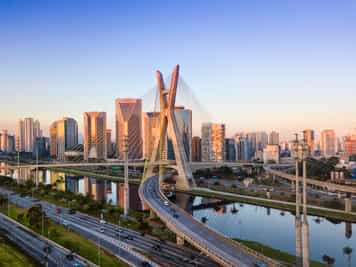
The most populous city in both Brazil and the entire Southern Hemisphere, São Paulo is a mighty metropolis with plenty going on – and that’s putting it mildly. For one thing, in the last few decades it has emerged as one of the world’s great foodie cities, boasting multiple Michelin-starred restaurants and culinary wizardry. The city is also bursting with stupendous art and architecture and a visit to the São Paulo Museum of Art show them colliding in spectacular fashion. Also worth a visit is the Sala São Paulo, a former railway station turned symphony hall – the acoustics are world class. This sophisticated corner of Brazil doesn’t fall short in the shopping department either and Rua Oscar Freire street is the place to go, even if it’s just to gawk at the designer items and live it up like the Paulistanos do.
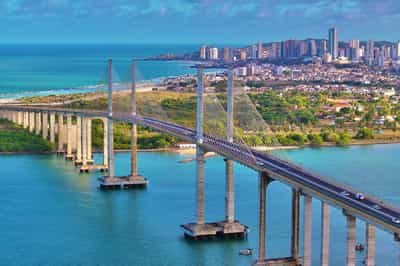
The bustling capital of Rio Grande do Norte in northeastern Brazil, much of life in Natal (aka the ‘City of the Sun’) is centred around the sugary, golden coast. Grab your flip flops and head for Ponta Negra, Natal’s most loved beach, for sunbathing, swimming and sunset views over Morro do Careca dune, and then enjoy a well-earned evening of music and delicious seafood. Even greater thrills await on a buggy or swaying camel ride over the sprawling Genipabu Dunes, where you may even find a hidden lagoon to splash in. Get your fill of history in one of the vibrant markets of the old town or at the Fortress of the Three Kings, an enigmatic star-shaped fort built on the beach to defend against pirates and invaders. And just when you’re beginning to get a feel for Natal, you’ll hear talk of Cajueiro de Pirangi, the world’s largest cashew tree, which spans over 8,000 square metres. Yes really!
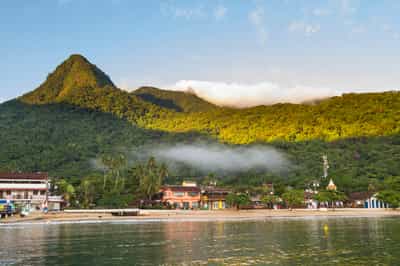
A resplendent coastal corridor stretching between Rio and São Paulo, the Costa Verde – or Green Coast as it’s also known – is the perfect antidote to Brazil’s pumping urban centres. Lush Atlantic rainforest tumbles down the mountainside towards the ocean beyond, where the sun-drenched coves (some only reachable by boat) and island-dotted bays enthrall everyone who lays eyes on them. Completely the picturesque scene are a smattering of historic and utterly charming towns like Paraty, where cars are unwelcome on the quiet, cobblestone streets. For a good dash of adventure, head into the endless greenery on foot where howler monkeys, well… howl, toucans flash through the canopy and waterfalls cascade down the cliffs. When the humidity gets too much, dive into the crystal waters to swim with the tropical fish and, if you’re really lucky, sea turtles.
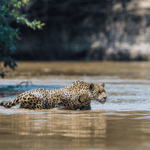
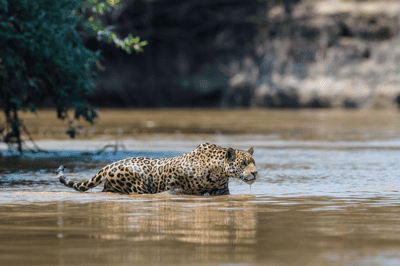
In the northern pocket of the world’s largest tropical wetland, water dictates everything. The landscape transforms dramatically with the seasons: early in the year, gushing rains turn the plains into mirror-smooth lagoons full of cruising caimans and jabiru storks, yet months later, as the rivers dry up, the Pantanal’s cast of curious wildlife gathers around ever-diminishing pools. Accessible from the city of Cuiaba, the region is connected via over 100 wooden bridges known as the Transpantaneira Highway. A journey to the furthest reaches will reveal the ultimate reward of swaggering jaguars sipping from the riverbanks – the Northern Pantanal has one of the highest densities of these big cats on Earth – before swapping your rumbling vehicle for a boat to spot even more of the cast of incredible creatures; horse-faced capybaras, tapirs, tiny, endemic marmosets and a flurry of birdlife including toucans and endangered hyacinth macaws. The human footprint remains refreshingly light, with family-run fazendas (ranches) offering authentic lodgings where hammocks sway on verandas and traditional piranha fishing expeditions end with unexpected culinary delights.
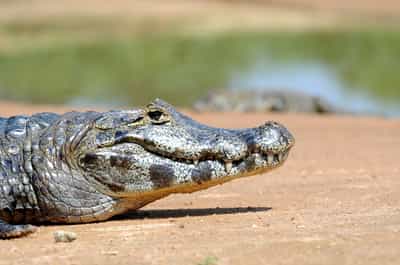
Governed by the seasons, the Southern Pantanal’s landscape is as changeable as it is thrilling. Adventurous is an understatement and visitors can choose to explore the chocolatey rivers by boat, zoom through the jungle in an open-top 4x4, canoe past giant otters and sunning anacondas, or ride out with local Pantaneiro cowboys, watching as they navigate their cattle through the waterlogged terrain. The south also has fantastic conservation programs and cultural encounters, making for the ultimate blend of activities. Biodiversity explodes in every direction and you’ll have the chance to spot everything from snuffling giant anteaters to tapirs cooling off in secluded pools, as well as some 650 species of birdlife. Often, vivid macaws, green Amazon parrots and toucans can be seen from the deck of a fazenda (ranches-turned-eco-lodges) and waking to a chorus of birdsong erupting from the orchid-draped trees is just magic.
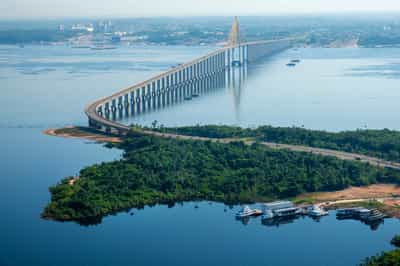
Plonked improbably in the middle of the world's largest rainforest sits a city that defies both logic and expectation. Once the rubber capital of the world, Manaus flaunted its wealth by building the pink-domed Teatro Amazonas – an opulent opera house where European sopranos performed for barons dripping with jungle-derived fortunes. Today, the architectural oddity stands as testament to human ambition in the most unlikely of settings. Beyond colonial relics, the modern city has many floating markets, stilted houses, and ports where everything from cattle to refrigerators arrives by boat. But the true star appears at the city's doorstep – the Meeting of the Waters, where the coffee-colored Rio Negro and sandy Rio Solimões flow side by side for miles without mixing, creating a two-toned riverscape that is magnificent it looks digitally enhanced, but is in fact, entirely natural. An excellent base for those looking to enjoy Amazonian adventures, Manaus also offers its own brand of peculiar urban jungle – a place where smartphone-wielding locals shop in air-conditioned malls while river dolphins surface nearby and macaws screech overhead...
The meeting place of luscious rainforest, the tawny Cerrado savannah and Brazil’s famous Pantanal wetlands, Mato Grosso represents the Amazon in transition. But that just means you get the best of three worlds. For one thing, the foliage is far less dense so you’ll find the wildlife is easier to spot, whether you’re after howler monkeys or hyacinth macaws – and the birding is particularly glorious in the north. There is also a superb list of adventures on which to embark, from boating along the shimmering Cristalino River and swimming in clear waterfall pools to exploring the forested trails of Alta Floresta. And hey, look in the right place and you may just spy a jaguar staring back at you.
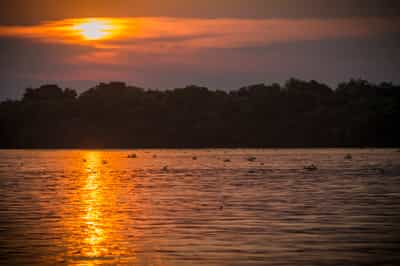
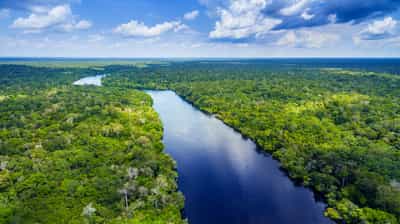
A singularly magnificent place where snaking rivers wind their way through lowland forest, before finally meeting their end on the Atlantic Coast, Pará is a reintroduction to the Amazon you thought you knew. In areas like Alter do Chão, you might believe you’re in the Caribbean with its white-sand river beaches and crystal-clear water, while inland adventures will take you into the realm of endemic birdlife, armadillos and sloths. Within the immense Xingu basin, discover a stronghold of ancient tradition and deep-seated culture, where the indigenous peoples demonstrate their powerful bond with the wild. Depending on the time of year, you could also catch an array of colourful festivals. From cruising beside pink river dolphins to sampling unique cuisines, Pará will have you mesmerised.
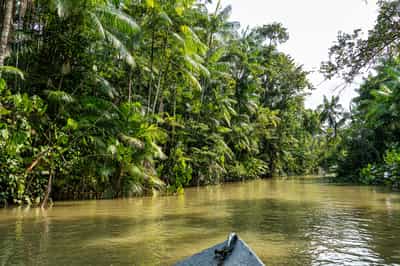
Far from the tourist-packed beaches of Rio de Janeiro, this is where people come to completely reset, finding their bliss on a stretch of sugary, golden sand with nearly no one else around. This unspeakably beautiful coastline has a host of beaches (or praias) to choose from, where you can swim, snorkel and surf the hours away. When you manage to tear yourself from the beach, seek out tumbling waterfalls in the Atlantic Forest, kayak amongst cool mangroves and allow yourself to be swept up by the region’s Afro-Brazilian rhythm, which seems to colour every moment. From boat trips to secluded sand banks to diving amidst vibrant coral reefs, Southern Bahia is heaven-sent.
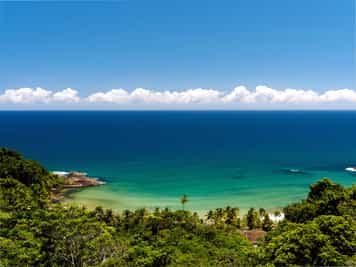
The embodiment of the riches of the Bahian coast, Itacaré is vivacious and full of life where the streets are a constant party, while hushed, wave-lapped beaches wait to be discovered. The city itself is a vision of pastel-hued colonial houses and uniquely delicious restaurants, and by night, it’s ruled by an Afro-Brazilian energy that occupies every bar and street corner. Venture into the lush hills, covered in coconut palms and Atlantic Forest, to swim in secluded waterfalls and spot colourful birdlife. And then we have the beaches, which range from the lively to the entirely untouched, including some of the finest surf breaks in Brazil. You could spend your days exploring one beach after another or find a dreamy place to call your own.
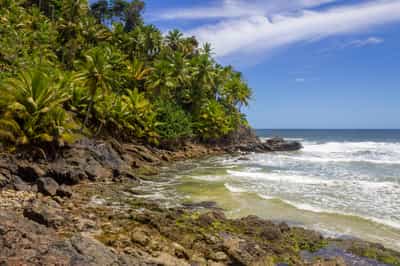
Sublime in every sense of the word, Corumbau is a cloistered corner where days seem to move at the pace of a swaying palm, gentle and unhurried. At its centre is a quaint little village, where you can enjoy hearty Bahian dishes and chats with the locals – the true antithesis of Brazil’s teeming metropolises. But the real beauty of Corumbau lies in its beaches, which are gloriously untouched (you’ll mostly have them all to yourself) and sun-soaked for most of the year. Sail across the azure water to deserted sandbanks, your personal picnic spot revealed at low tide, snorkel or dive amongst vibrant coral reefs or simply bask in the blissful, sleepy atmosphere.
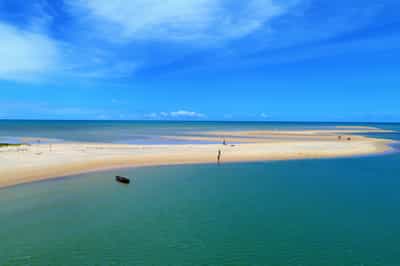
On the brink of the world's largest tropical wetland, Cuiabá is where your Pantanal adventure truly begins – though this former gold-rush boomtown deserves more than just a cursory glance on your way to jaguar territory. The historic centre around Praça de República preserves a pocket of 18th-century Brazil in sunshine-yellow baroque. At the same time, the wonderfully eccentric Palácio de Instrução displays everything from tatty taxidermied animals to magnificent indigenous headdresses. Urban capybaras lounge by workout stations in city parks, international DJs somehow find their way to this jungle metropolis's electronic music scene, and the dining options range from Swiss alpine cuisine to what locals swear is Brazil's finest Arab food. Just 65km away, the sandstone cliffs and plunging waterfalls of Chapada dos Guimarães offer dramatic relief from the wetlands below. But really, you're here for that legendary dirt road – the Transpantaneira Highway starts just outside town, where you’ll trundle across 147 rickety wooden bridges and encounter more wildlife than you'll know what to do with.


Namibrand, Namibia