Planning Guides
Join Carola in Brazil
Adventurous as always…

In a country as vast as Brazil, you’ll have the chance to explore everything from tropical rainforests to eternally sunny islands, making it a year-round destination depending on where you're headed. The summer months (December to March) bring the heat and humidity you'd expect of Brazil, with temperatures reaching well above 30°C. With water levels at their highest, the Iguazu Falls are at their most dramatic, creating truly spectacular cascades. From April to June, autumn offers a lovely reprieve with cooler temperatures and more manageable rainfall across most of Brazil – this is the ideal time for exploring cities like Rio and São Paulo. Winter (June to September) might sound chilly, but this is Brazil so it’s beautifully mild, and it marks the dry season in the Amazon – fantastic for wildlife spotting when the water levels drop. This is peak season for the Pantanal when animals gather at shrinking watering holes, making it a wildlife photographer's dream. By spring (September to December), the country starts warming up again with increasing rainfall in the Amazon, creating lush landscapes for those who don’t mind getting a little soggy. Lençóis Maranhenses is at its most striking with brimming lagoons set amongst the towering white sand dunes. Keep in mind that Brazil's diverse climate zones mean your experience will vary dramatically depending on whether you're lounging on the beaches of the northeast, exploring these natural wonders, or discovering the cosmopolitan south.

The beaches of Salvador de Bahia are picture-perfect in January with balmy temperatures, warm waters and a pre-Carnaval buzz (although the crowds will be there too). Season — a good time to visit
The water levels in the Amazon are starting to rise allowing for canoeing amongst the treetops, eyes peeled for raucous monkeys and pink river dolphins.
Natal enjoys toasty temperatures and plenty of sunshine, ideal for beach hopping or exploring the Genipabu dunes by buggy.
Although the Iguazu Falls are at their fullest, some walkways may be closed and the water isn’t the most clear.
a good time to visit
Taking place in either February or March, the Rio Carnaval may be the world’s most famous party but, unless you’re visiting specifically for it, we’d avoid a visit during this time. Rather opt for a slightly less crowded but still vibrant version in Salva
Flooded forests and fruiting season combine in the Amazon for a totally unique experience and, if luck is on your side, close-up monkey sightings.
The flow remains impressive at Iguazu Falls and the heat is slightly less extreme than January, making for fantastic viewing.
a good time to visit
Free from the peak summer crowds, this is a marvellous time to visit Iguazu Falls as water levels are still spectacular and temperatures begin to cool down.
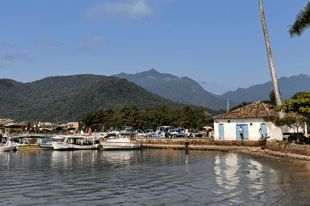
Along the coast of Southern Bahia, the Carnaval crowds ease up and the sun continues to shine – we’d make a beeline for Trancoso.
The Amazon is positively brimming, making for memorable canoeing safaris through flooded forests and visits to the lively macaw clay licks. Also, visit Manaus for a glimpse of the ‘Meeting of the Waters’.
a good time to visit
April marks a sweet spot in Chapada Diamantina with rushing waterfalls, drier trails and the chance to witness the dazzling Poço Azul sunbeam.
Iguazu Falls provide a brilliant mix of spectacular cascades, moderate temperatures and significantly fewer crowds – perfection!
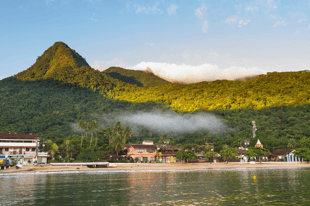
With the rains decreasing on Brazil’s southeast coast, you can expect top-notch yet relatively tourist-free hiking trails on Ilha Grande.
one of the best times to visit
The sky-blue lagoons of Lençóis Maranhenses are at their fullest, making this an incredible time to enjoy the surreal scenery and more than a few dips.
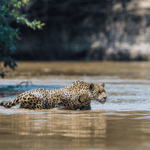
The Greater Pantanal enters prime safari time as giant river otter and jaguar sightings pick up along the rivers.
Snorkelling in Bonito’s crystalline rivers is a dream with temperate waters that offer visibility of over 30 metres.
Flowing waterfalls, epic trekking and the possibility of seeing one of the iconic cave sunbeams make this a superb time for combining the best of Chapada Diamantina.
one of the best times to visit
With very little chance of rain and deep blue lagoons to swim in, June is Lençóis Maranhenses at its most beautiful. Be sure to book way in advance.
Jaguar spotting in the Greater Pantanal is certifiably excellent with fewer boats than later in the year, meaning intimate and more thrilling sightings.
Expect up to 50 metres of visibility in the rivers of Bonito – the underwater photography is sensational but wetsuits are essential.
Sunny days and calm seas make this a wonderful time for enjoying the more active pursuits of Paraty and Ilha Grande.
one of the best times to visit
Sensational jaguar sightings are almost a given as they hunt capybaras and caimans along the exposed riverbanks in the Greater Pantanal.
Usually taking place in July or early August, Paraty’s famous FLIP Literary Festival is a unique way to experience this UNESCO-listed town.
The Amazon is in the midst of its lower water glory with fully accessible trails, beaches emerging along rivers and the potential for memorable wildlife sightings (though, they can be hard-won).
one of the best times to visit
Head to Fernando de Noronha where calm seas, staggering visibility and active pods of spinner dolphins combine for incredible diving. The winds can be strong, however, so morning departures are recommended.
Incredibly low water levels in the Amazon expose white sandy beaches along the river’s edge, where wildlife can often be seen, quenching their thirst.
The rivers of Bonito warm slightly and visibility remains excellent, while the crowds have thinned after the school holidays.
one of the best times to visit
Fernando de Noronha is at its absolute best with over 50 metres of visibility for diving, spinner dolphins and sea turtles to spot, and simply idyllic beaches.
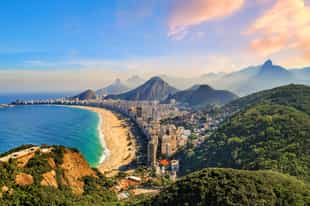
Rio de Janeiro enjoys pleasant spring temperatures and fewer crowds, making exploring or hitting the beach a delight.
The potential for wildlife sightings in the Amazon is at a high due to dwindling water sources – though expectations should be managed – and the piranha fishing is excellent too!
Brazil’s northeast coast is blessed with eternal sunshine, perfect for exploring the beaches, dunes and historic sights of Natal.
a good time to visit
With fewer crowds than December, the beaches of Rio de Janeiro, Trancoso and Ilha Grande really come into their own.
Unbelievable visibility, incredible sea turtle activity and minimal crowds make October an idyllic time for visiting Fernando de Noronha.
If luck is on your side, wildlife sightings in the Amazon can be incredible and it’s even possible to go walking on sandbars (safely, of course). However, some cruising routes may be restricted.
a good time to visit
This is a fantastic time for enjoying the beaches and iconic sights of Rio de Janeiro before the summer madness begins in earnest.
The Green Coast is basking in the spring warmth, ideal for swimming, boating and hiking.
The surf season begins in Fernando de Noronha, while the diving conditions remain excellent.
a good time to visit
Join in the festivities of Natal’s ‘off-season’ Carnaval, when the town is transformed into a hive of music and colour, but without the famous Rio crowds.
Green and Hawksbill sea turtles begin nesting on the beaches of Fernando de Noronha, which you can witness on TAMAR-organised excursions.
If you’d like to experience the vibe without as many fellow tourists, head for Trancoso where the beaches are lovely and that Brazilian zest for life is on full display.


Get advice and suggestions to make this your perfect trip.
or call us on: +1 (646) 542 0667
11 Condé Nast Traveler Top Travel Specialists 2026

No. 1 & No. 2 Tour Operator in Travel + Leisure's Best Awards 2024 & 2025

Best Booking Platform in Women's Health Travel Awards 2025

Travel Specialist voted as Latin America A-List Travel Advisor 2025

"Timbuktu can take relatively complex and slightly amorphous travel plans and transform them into a well-organized, perfectly tailored trip."









.jpg)
.jpg)