Expansive and diverse, Brazil is a truly captivating country that spans nearly half of South America. It covers a total of 8.5 million square kilometres and spans around 2,700 miles from north to south. Intersected by both the Equator and the Tropic of Capricorn, Brazil also has four major geographic regions, each with their own climate to consider. Planning around the weather in Brazil can definitely seem a little daunting at first, but we’ve put together this handy guide on the best time to visit – and why!
December to March
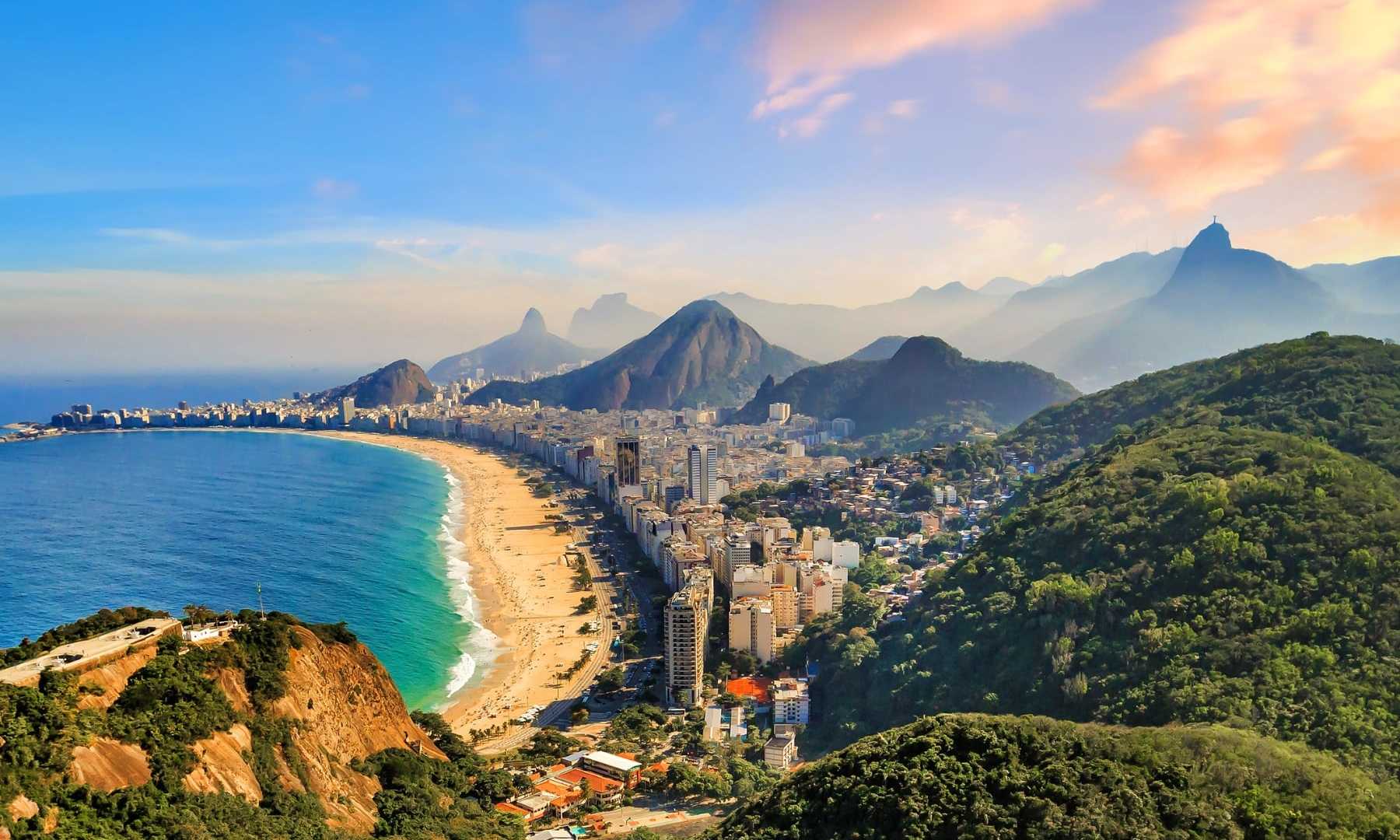
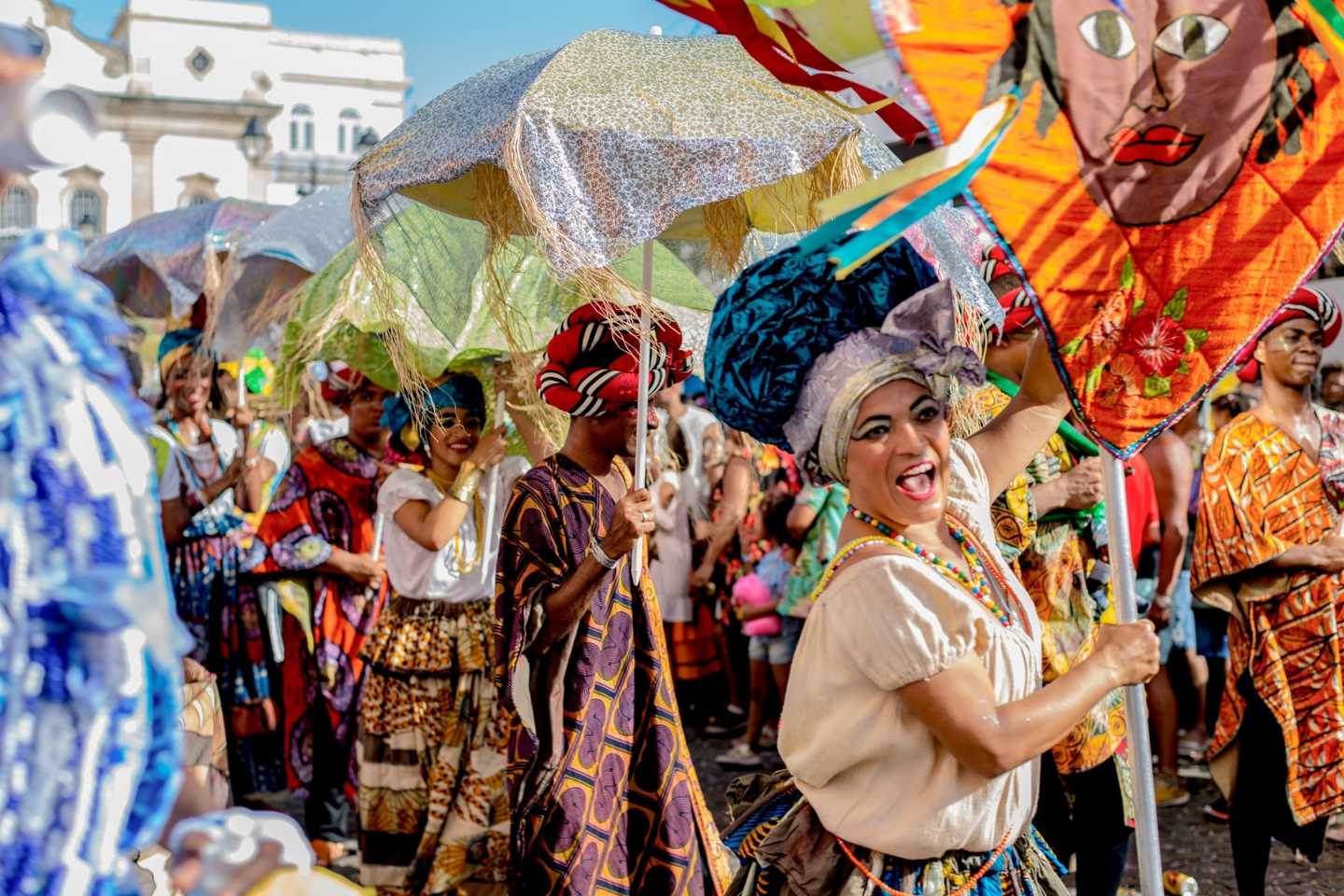
During these months, you’ll find Brazil in peak, scorching summer when the beaches of Rio de Janeiro and other coastal hotspots are positively booming with visitors. Carnaval usually takes place between late February and early March, bringing even more culture-loving travellers to major hubs like Rio, Sao Paulo and Salvador de Bahia. But of course, this season’s immense popularity means higher prices as well.
São Paulo’s concrete jungle becomes surprisingly appealing during the summer months as the city’s rooftop bars and countless cultural attractions offer a (little!) respite from the heat. The summer also coincides with the city’s festival season, when art galleries buzz with openings and street food vendors work overtime.
Salvador de Bahia reaches fever pitch during summer and the cobblestone streets in Pelourinho positively vibrate with the hum of the Afro-Brazilian beats. The historic centre becomes one enormous outdoor party – and the nearby beaches of Stella Maris and Flamengo offer cooling ocean breezes for partygoers to cool off!
On the flip side, high rainfall during this period means many areas of the Amazon and Greater Pantanal are flooded. This can make wildlife spotting more challenging, navigation tricky (although exploring by boat is entirely possible) and results in the closure of many lodges.
A visit to Iguazu Falls in January will reward you with views of the cascades in full flow, when the churning Devil’s Throat is at its most dramatic. However, with ongoing heavy rain and muddy trails, we’d probably recommend planning for a visit later in the year when conditions are more suited to a proper exploration.

April to June
The months of April to June are categorised as one of two “shoulder seasons” in Brazil, when the heat starts to ease up and the crowds thin out in the most popular spots like Rio and São Paulo. June technically marks the beginning of winter, but the climate feels more like a European summer with mild and sunny weather (with the occasional shower) in the south. In the north, the beaches of Bahia experience high rainfall and humidity.
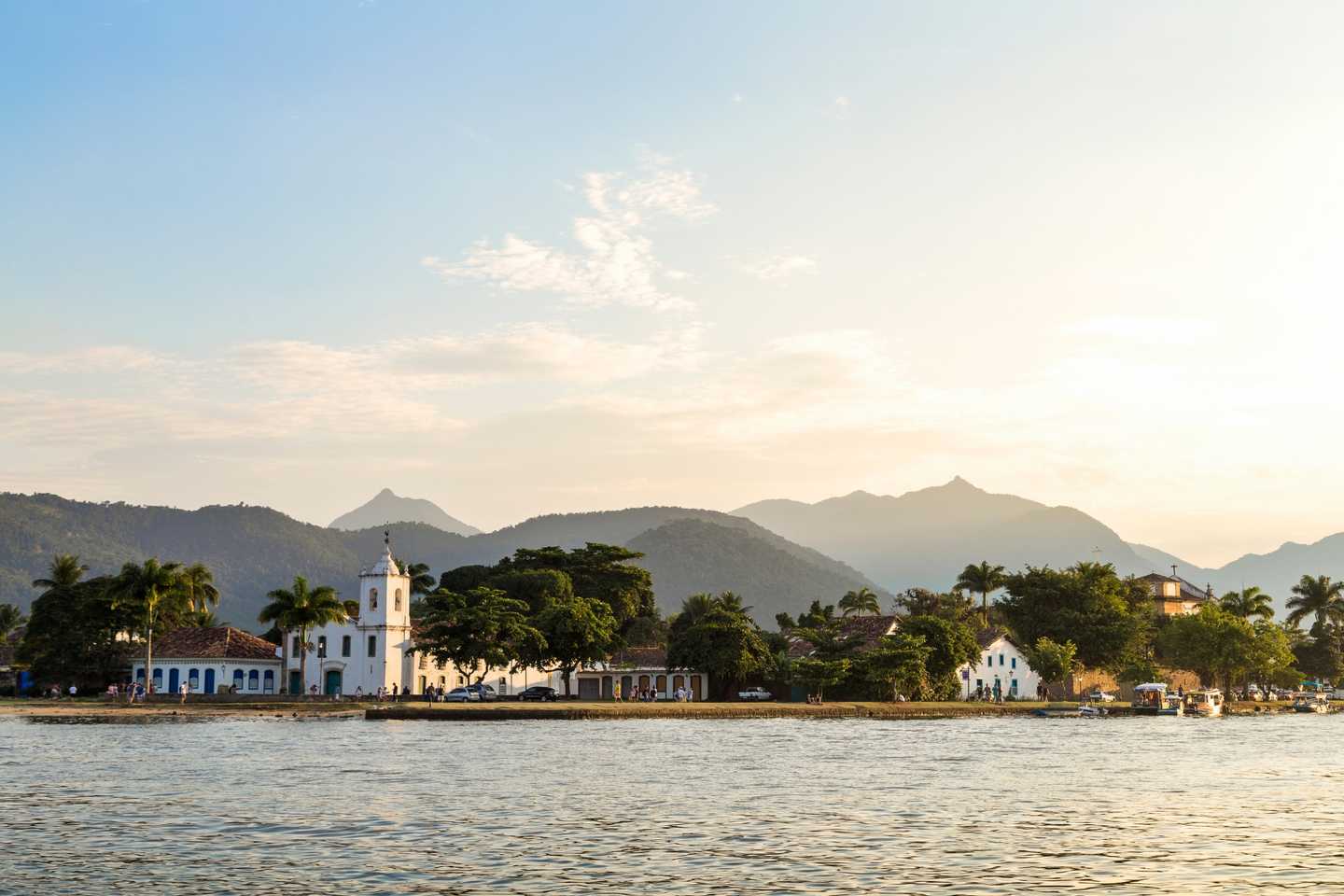
The Costa Verde comes alive during these shoulder season months with perfect conditions for exploring charming towns like Paraty. The emerald coastline between Rio and São Paulo reveals its hidden coves and pristine beaches, while the cooler temperatures make hiking through the Mata Atlântica forest wonderfully refreshing.
April also marks the start of the best conditions for snorkelling in the crystal-clear rivers and cenote-like pools of Bonito, and hiking the winding trails is beautiful without the oppressive summer heat.
Chapada Diamantina National Park begins to dry out after the rainy season and the cooler temperatures make it ideal for exploring this geological wonderland – think hiking dramatic table mountains and exploring the underground rivers and cascading waterfalls.

July to September
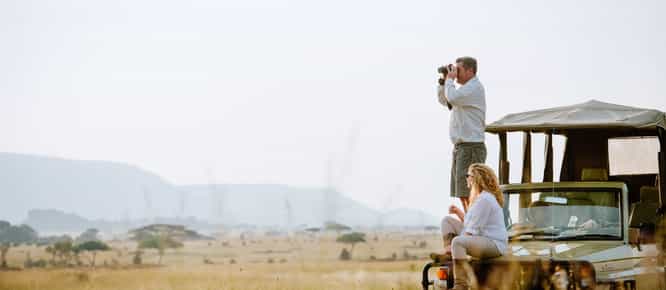
Across the board, July to September is one of the best periods for visiting Brazil. For one thing, it’s prime time for jaguar-spotting in the Greater Pantanal as water levels are lower and vegetation is thinner, resulting in fantastic conditions for seeing these stealthy cats move through the wetlands. August and September are particularly excellent for exploring the Pantanal by jeep or horseback, as well as trekking through the Amazon in search of creatures great and small, including its vibrant birdlife.
This is also a spectacular time for marvelling at Iguazu Falls and you’ll get the best of both worlds: an impressive flow but the absolute best conditions for hiking and visibility. The cooler, drier weather means you can spend hours exploring both the Brazilian and Argentine sides without wilting in tropical humidity.
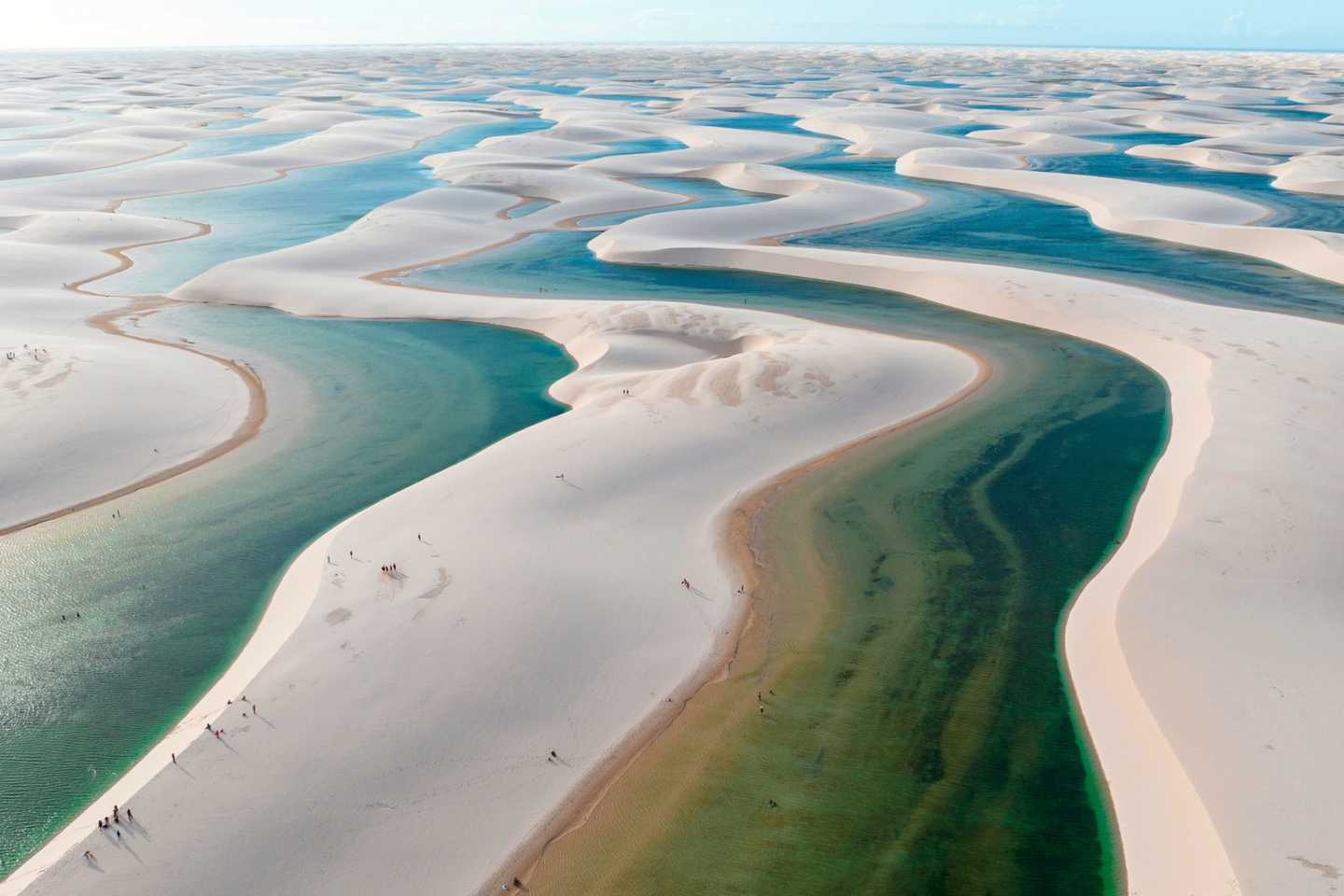
June to August is magical for visiting Lençóis Maranhenses National Park, when the rains have ceased but the lagoons remain full – ideal for swimming in these surreal desert oases and sandboarding down pristine dunes.
This is also a splendid time for enjoying the Bahia region, whiling away dreamy days at the beach. The historic Pelourinho district is perfect for wandering during these cooler months, while nearby beach towns like Morro de São Paulo bask in ideal beach weather.
Natal and the surrounding Rio Grande do Norte coastline shine from July to September, with consistent sun, minimal rainfall, and balmy conditions for exploring the dramatic sand dunes of Genipabu or taking buggy rides along the coast.
In August, as spring arrives in Rio, the city’s sights become even more enchanting, with blooming jacaranda trees painting the streets purple and azure skies providing the perfect backdrop for gazing at the iconic Sugarloaf Mountain and Christ the Redeemer.

October to November
A period of transition across the country, this pre-peak season is a fantastic time to enjoy the beaches and cities of the south, especially if you’re not too worried about missing Carnaval. This is also your last chance to visit the Amazon before the rains arrive.
October is brilliant for boating across to Ilha Grande off the Costa Verde, where you can experience its charming and car-free way of life, squeaky beaches and hiking trails, minus the summer crowds. The Atlantic rainforest that blankets the island comes alive with birdsong, while the surrounding emerald waters are perfect for snorkelling and kayaking.
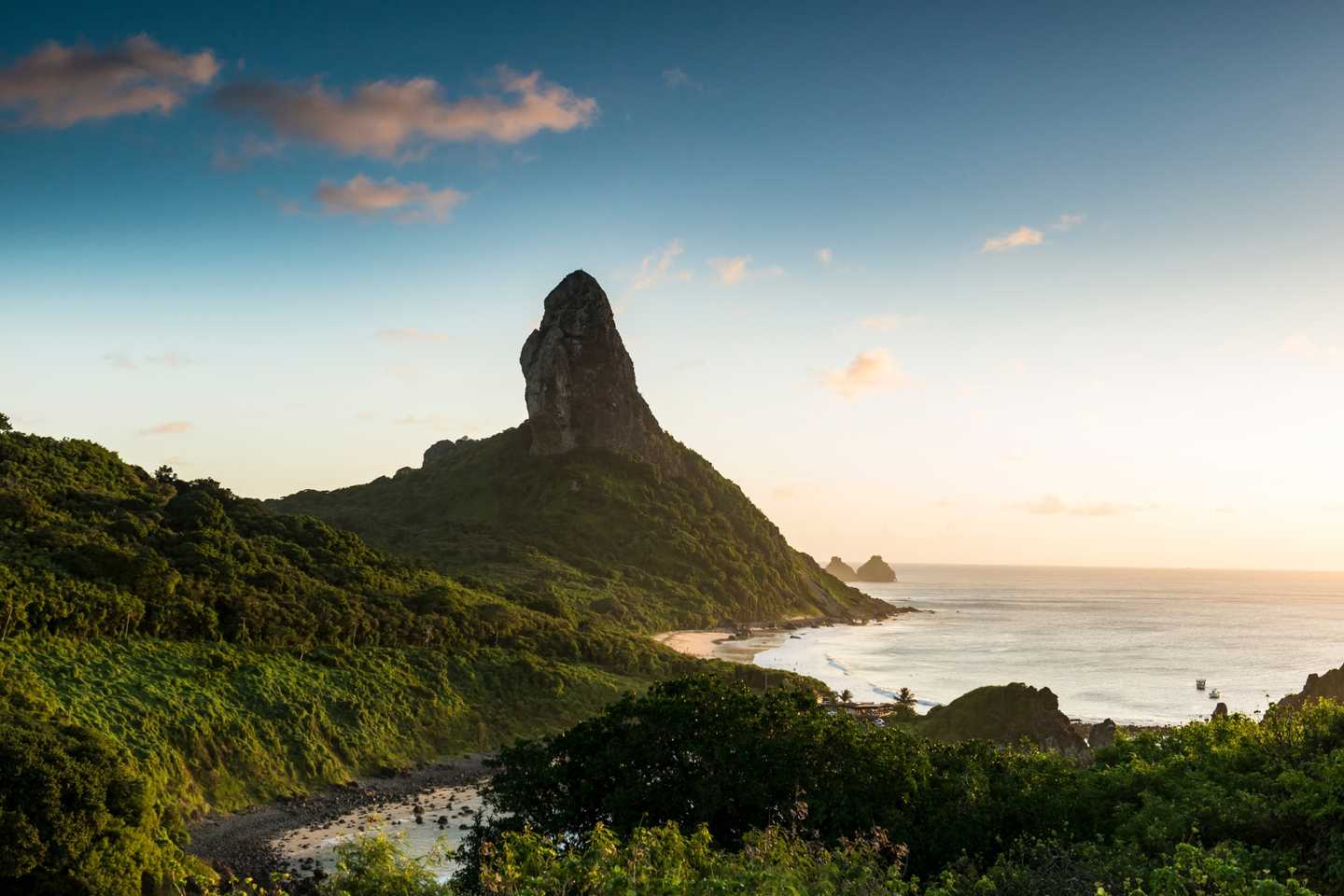
In November, the waters off Fernando do Noronha are especially exquisite for diving and snorkelling, with far fewer travellers and visibility reaching up to 50 metres. This UNESCO World Heritage archipelago offers some of the world’s most pristine marine environments, where spinner dolphins dance in the waves and sea turtles nest on secluded beaches.
Chapada Diamantina reaches its most photogenic during these months, when the park’s countless waterfalls are still flowing strongly from the rainy season, but hiking conditions have dried out enough for comfortable exploration of caves, canyons, and those famous table-top mountains.

From north to south, the Amazon to the coast, the months of July to September provide pretty ideal conditions throughout the country. Unless you’ve got your heart set on being part of Carnival’s intoxicating chaos, we would suggest a visit during this time of year for the ultimate Brazilian experience. But the country’s sheer size means you could easily spend months exploring its myriad wonders and whatever time of year you choose to visit, Brazil promises to surprise, delight, and utterly captivate you with its irrepressible joie de vivre.

Latest blogs


As seen in