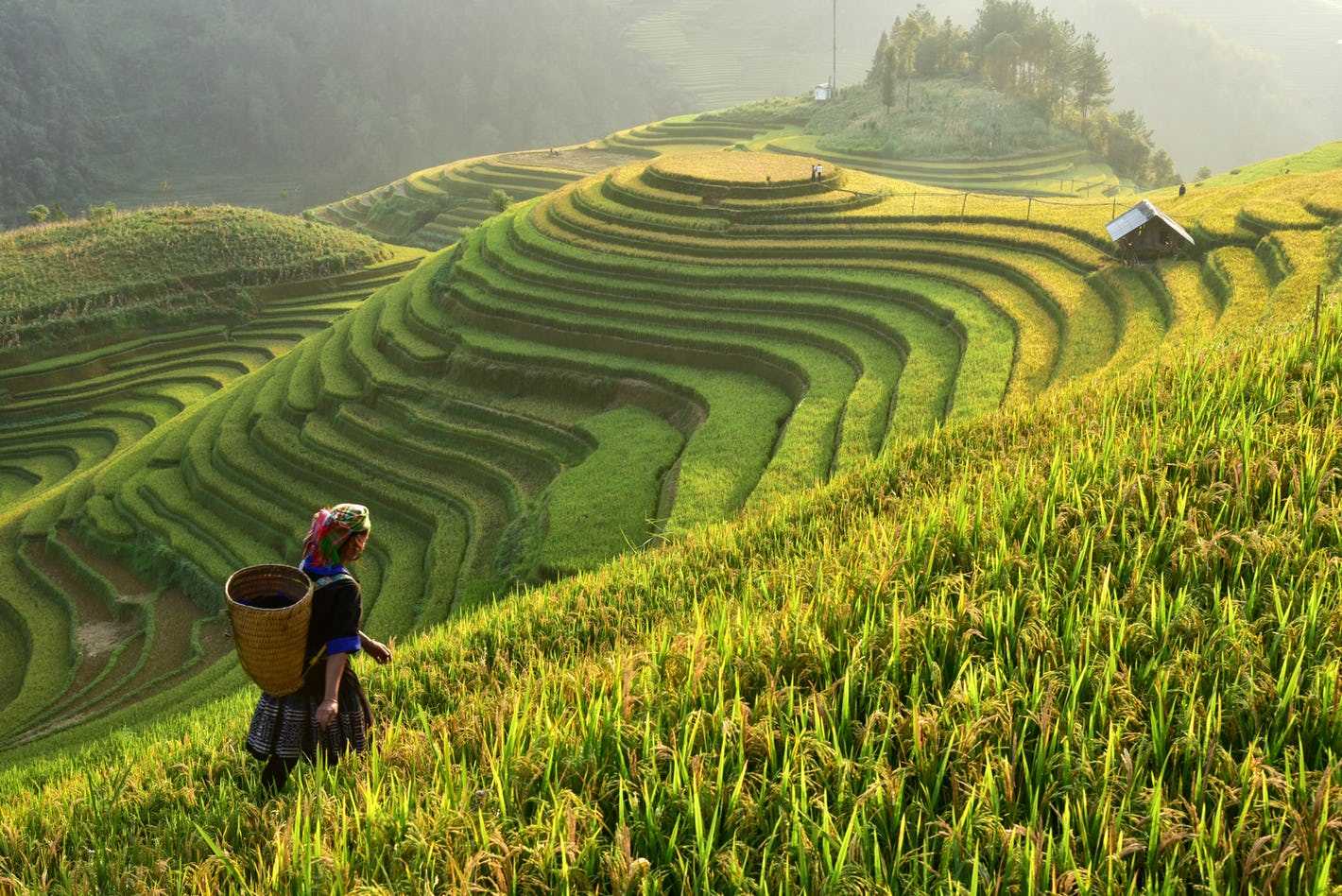
Vietnam Travel Guide: Where to Go, When to Visit & How to Plan Your Trip
 With expert insights from Jessica Klauzenberg, Travel Specialist
If you’re planning a trip to Southeast Asia, we would bet that Vietnam is quite high on your list. With its incredible landscapes, mouth-watering food and famous history, this country has more than its fair share to offer. And because there’s SO much to do, we know that working out where to go, what to get up to and of course, when, can be a bit of a task. Roll up our handy Vietnam travel guide to help you start mapping out your adventure…
| Region | Key destinations | Best for | Ideal duration | Best time to visit |
|---|---|---|---|---|
| North Vietnam | Hanoi, Halong Bay, Sapa, Mai Chau Valley | Adventure, trekking, culture, scenic cruises | 5–8 days | Oct – Apr (dry, cool) |
| Central Vietnam | Hue, Hoi An, Nha Trang | History, food lovers, UNESCO heritage, beaches | 4–6 days | Feb – May (driest) |
| South Vietnam | Ho Chi Minh City, Mekong Delta, Phu Quoc, Con Dao | City breaks, river life, island escapes, families, honeymooners | 5–9 days | Dec – Apr (dry season) |
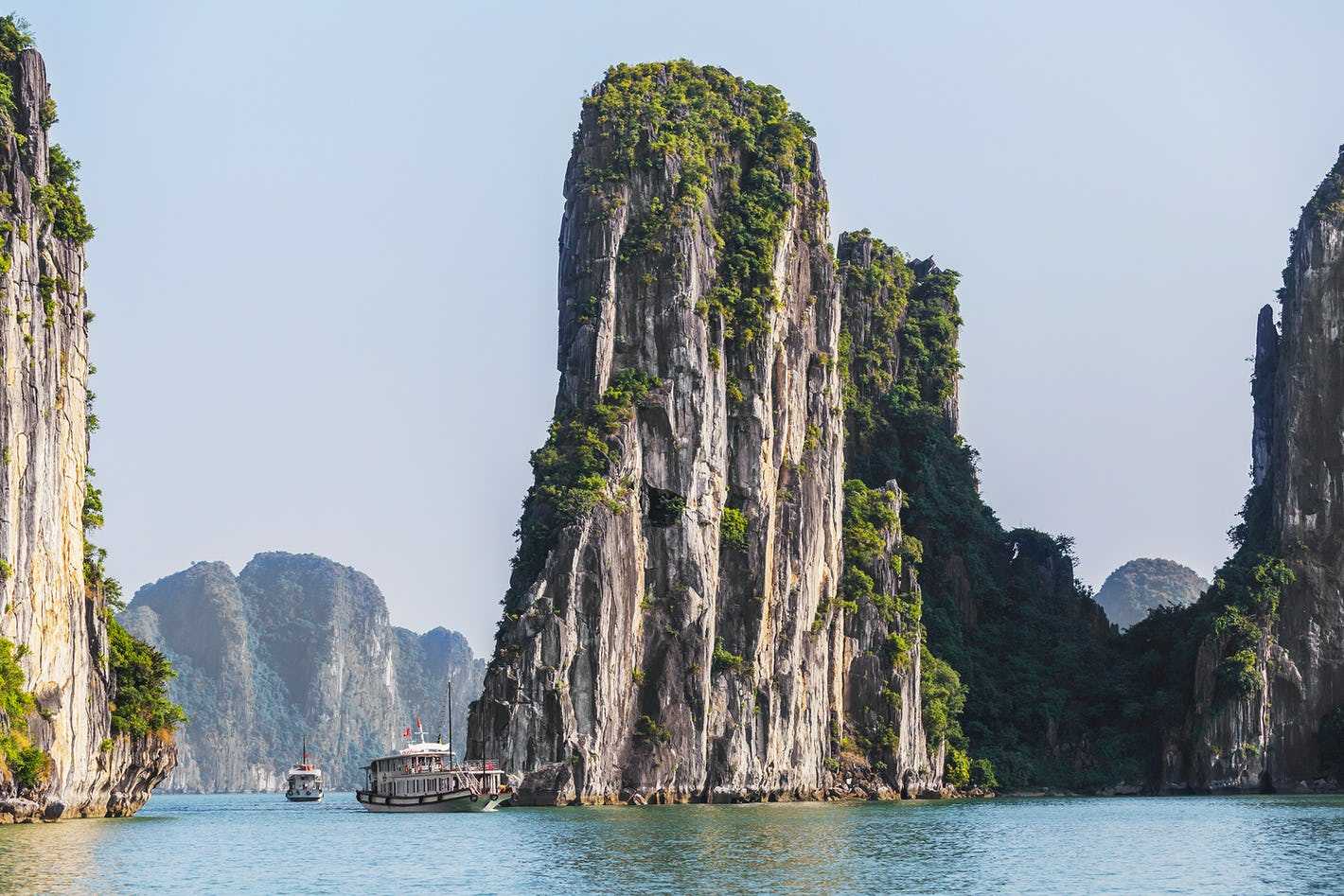
Cruise around the limestone towers and shimmering waters of Halong Bay
North Vietnam
If lush mountainscapes and jaw dropping scenery are what comes to mind when you think of Vietnam, the country’s northern region is just the spot. Adventure-seekers should head to Sapa for the chance to scale the vertiginous peaks of the country’s highest mountain range, as well as take on the mighty Mount Fan Si Pan for an extra challenge. The Mai Chau Valley is a juicy haven, packed with history, delicious food and bustling weekend markets in the perfect blend of nature and culture. Plentiful homestays offer an excellent opportunity to experience what life is really like in the north, and they guarantee both a taste of local life and the delicious food.
“The homestays in Mai Chau are some of my favourite experiences in all of Vietnam. You eat with the family, sleep in a traditional stilt house, and wake up to a valley that looks like a painting.”
— Jessica Klauzenberg, Asia travel specialist
Towards the coast are the Bond-esque, emerald waters of Halong Bay. This watery wonderland is peppered with limestone islands and sparkling inlets just begging to be explored (and photographed). Last but not least, city slickers will get their kicks in the charming capital of Hanoi, where days are spent wandering through the tree-lined streets, gazing at French-inspired architecture, and taking the time to understand the sometimes difficult history.
The north is ideal for travellers who want adventure, cultural immersion and some of Vietnam’s most dramatic scenery. It’s best visited between October and April, when the weather is dry and cool — perfect for trekking in Sapa and cruising Halong Bay.
How do I get around?
The international airport in Hanoi is undoubtedly the gateway to the north. From there, Halong Bay is easily reached, either by car (3 hours), bus (4 hours), or train (7 hours). If you’re short on time (and high on glamour), seaplanes jet from Hanoi to Halong Bay and have the added bonus of taking in all that glorious scenery from above.
“If you’re short on time, take the seaplane from Hanoi to Halong Bay — the views of the limestone karsts from above are worth it alone.”
— Jessica Klauzenberg, Asia travel specialist
Despite feeling like it is exquisitely cut off from the world, the Mai Chau region is just a 3.5 to 4-hour journey from Hanoi, with spectacular views along the way, and the hill station of Sapa a slightly longer journey of 5 hours by car or 10 hours by train.
Where do I start?
Our Explore the North of Vietnam trip will lead you from the tranquil Mai Chau Valley to the mesmerising Halong Bay and onto the busy streets of Hanoi. Round things off with a few days down in Vietnam’s south on the picture-perfect island of Phu Quoc – think cocktails, diving and hidden beaches. All our trips are customisable so if you want to add a couple of days in Sapa, you can go right ahead.

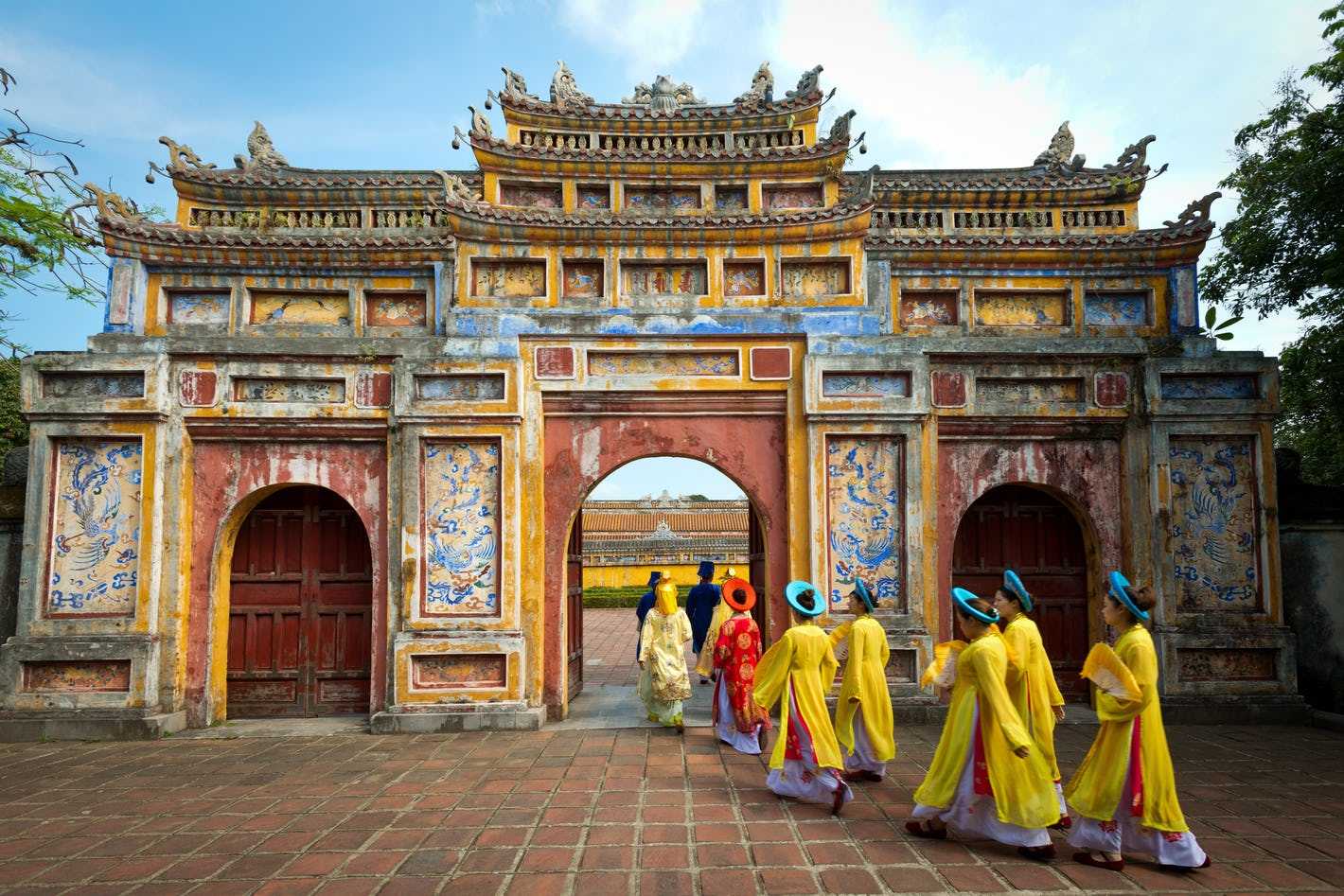
Soak up the colours, culture and history of tranquil Hue
Central Vietnam
The middle part of the country packs a real punch when it comes to food, culture and antiquities. First up is the town of Hue. Divided by the prettily named Perfume River (orchards further up the river drop flowers into the water each autumn, creating the pleasant aroma that the river is named for), the small city is a haven for culture vultures. It is in fact the country’s former imperial capital and the Imperial Citadel, Thái Hòa Palace, pagodas, mausoleums and temples are all worth checking out. Next on the central Vietnam checklist is the pretty riverside town of Hoi An. Bearing UNESCO World Heritage status, the former trading port has maintained its past beauty and is beautifully picturesque. We recommend wandering the winding streets, exploring the temples, visiting the many famous clothes tailors, and eating as much as you possibly can.
“Hoi An has the best food scene in Vietnam, full stop. I tell every client: leave room in your itinerary and your stomach.”
— Jessica Klauzenberg, Asia travel specialist
Completing the central circuit is Vietnam’s most famous seaside resort, Nha Trang. A bustling hubbub of nightlife, shiny hotels and sun-lovers, it’s buzzy and bright but certainly not quiet. The beaches, however, are long and golden and will fill a cocktail-and-sun-lounger shaped hole nicely.
Central Vietnam is best for history buffs, food lovers and anyone wanting to break up a north-to-south journey. The driest window is February to May, though Hoi An’s lantern-lit streets are magical year-round. For more detail on timing, have a look at our guide to the best time to visit Vietnam.
How do I get around?
Well-connected and easy to reach, Hue is an excellent hub for central Vietnam. Phu Bai Airport is close by and has several flights from Ho Chi Minh City, Da Lat or Hanoi. For more of an adventure, there’s a sleeper train that takes around 12-14 hours from Hanoi, or 18-22 hours from Ho Chi Minh City. Hoi An is only really accessible by road and is approximately 4 – 5 hours from Hue. The best way to reach Nha Trang is by air, flying to Cam Ranh Airport. It’s around a 50-minute drive from the resort but offers plenty of coastal views en route. Flights depart from both Hanoi and Ho Chi Minh City multiple times daily.
Where do I start?
Sitting pretty in the middle of the country, our favourite central Vietnam destinations can be worked into most itineraries, and provide a perfect stopping point to break up journeys from both the north to the south. Our trip, Vietnam from tip to toe, is the perfect base, starting in Hanoi and Halong Bay in the north, moving down to Hue and Hoi An in the centre, and ending in the exciting metropolis of Ho Chi Minh City.


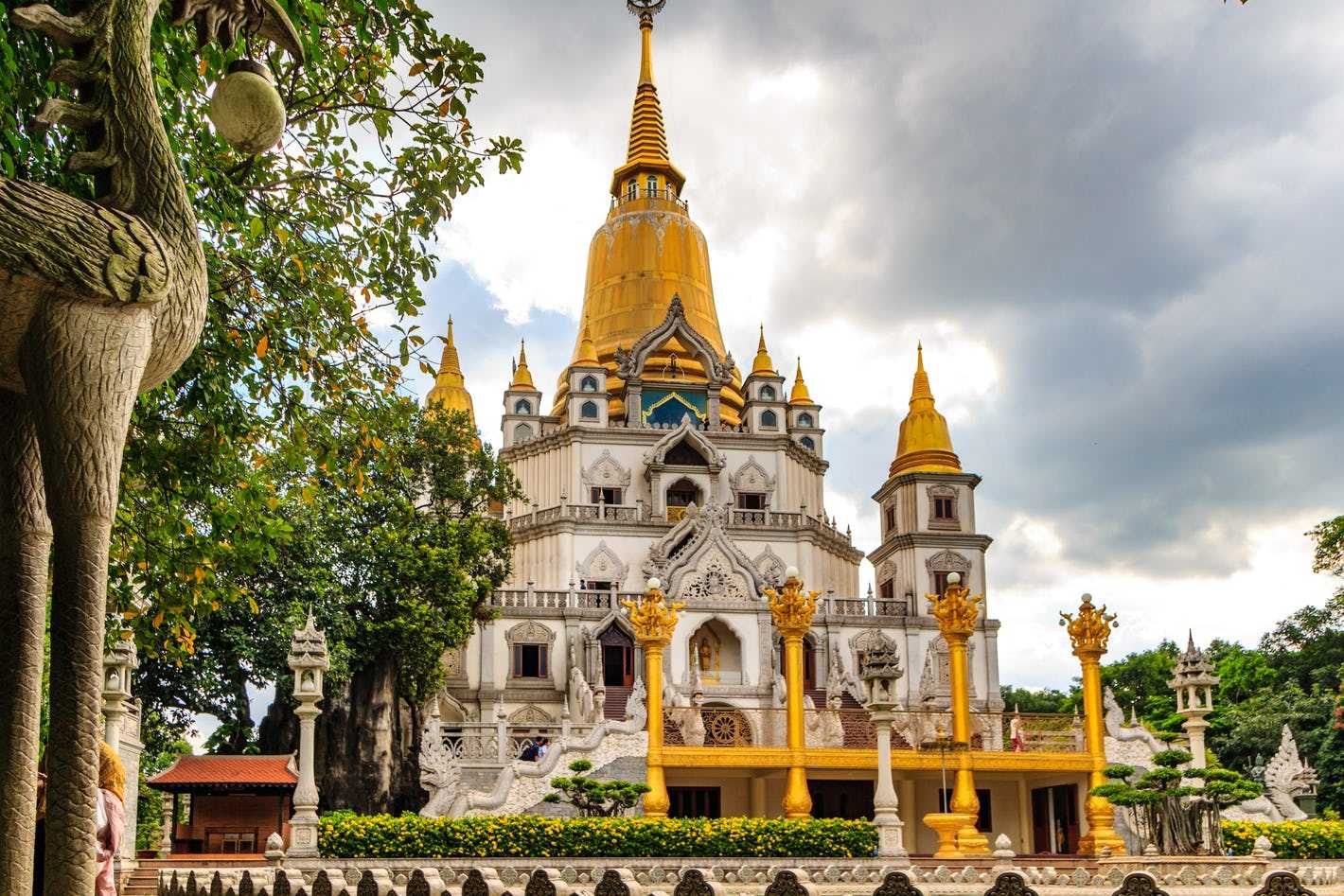
The grand and gleaming spires of Bửu Long Pagoda, Ho Chi Minh City
South Vietnam
If you are short on time, the south is probably one of the best places to spend your precious days. Vietnam’s southern tip offers everything from city adventures and lazy days on the Mekong River, to idyllic, cotton-candy beaches that holiday dreams are made of. Call it the highlights of Vietnam, wrapped neatly in a bow and ready to explore! The hub of the region is Ho Chi Minh City, or Saigon, a city with a rich history that has risen and fallen under Khmer, French and communist rule over the years. Today, the city encapsulates all that history but combines it with a wholly modern Vietnamese feel – think skyscrapers and rooftop bars rubbing shoulders with firey markets and ornate pagodas.
“Saigon is a city of contradictions in the best way — you’ll have cocktails on a rooftop bar one evening and be lost in a 200-year-old market the next morning.”
— Jessica Klauzenberg, Asia travel specialist
Next door is the Mekong Delta, the antithesis to city life with its peaceful waterways and sprawling rice fields, floating markets and fishermen, and then of course, the unimaginably beautiful beaches of Phu Quoc and Con Dao islands. Picturesque and far flung, both are paradise — but in quite different ways.
“I describe Phu Quoc and Con Dao as big sister and little sister — Phu Quoc is polished and social, Con Dao is wild and barefoot. Both are stunning, but Con Dao is the one I keep going back to.”
— Jessica Klauzenberg, Asia travel specialist
The south is ideal for families, honeymooners and anyone wanting a mix of city, river and beach. December to April is the dry season and the most comfortable time to visit, though the islands are beautiful year-round.
How do I get around?
Tan Son Nhat International Airport in Ho Chi Minh City is the busiest in the country and has flights arriving daily from all over the world. Can Tho, the fourth-largest city in the south, will likely be your jumping off point for the Mekong Delta, and it’s easily reached by road from Ho Chi Minh City – around 3.5 hours by either bus or car. It is possible to fly, but stops along the way tend to add extra time. On the islands, Phu Quoc has its own airport with flights to and from both Hanoi and Ho Chi Minh City (as well as Can Tho and Da Nang). There are also ferries from either Ha Tien or Rach Gia, two small coastal towns where Superdong (the best ferry company) boats can easily be caught. The routes take 1.5 and 2.5 hours respectively. There’s also a small airport on the Con Dao archipelago and it’s a 45-minute flight from Ho Chi Minh City. Alternatively, high speed boats from the Delta towns are available. From Can Tho, the journey is 3.5 hours and Vung Tau, 4 hours.
Where do I start?
As you might have guessed, the south is fairly simple to link together. Use our tools to create your very own south Vietnam itinerary, with the perfect balance of city, river and beach living for you. And, if your heart is set on the south but you can’t ignore the north charms, have a look at our Ultimate Vietnam trip, which not only explores Ho Chi Minh City, the Mekong Delta and Con Dao, but also allows you to head north to Hanoi, Halong Bay and Hoi An.

Frequently Asked Questions
What is the best time to visit Vietnam?
Vietnam’s climate varies by region, so there’s no single best month for the whole country. The north is driest and coolest from October to April, central Vietnam is best from February to May, and the south enjoys dry weather from December to April. If you’re planning a north-to-south trip, October to December and March to April tend to be the sweet spots where conditions overlap favourably. For a deeper dive into seasonal timing, see our guide to the best time to visit Vietnam.
How many days do you need in Vietnam?
For a focused trip covering one region, five to seven days is a comfortable minimum. To travel from north to south — taking in Hanoi, Halong Bay, Hue, Hoi An and Ho Chi Minh City — we’d recommend at least two weeks. Add a few days on the islands (Phu Quoc or Con Dao) if your schedule allows, and you won’t regret it.
Is Vietnam good for families?
Absolutely. Vietnam is one of the most family-friendly destinations in Southeast Asia. The south is particularly well-suited — Ho Chi Minh City is full of energy and things to do with children, the Mekong Delta offers gentle river adventures, and the beaches of Phu Quoc are ideal for unwinding. In the north, the homestays in Mai Chau are a brilliant way to introduce children to a different way of life. All of our Vietnam trips can be tailored to suit families.
What is the best way to travel between North and South Vietnam?
Internal flights are the fastest and most practical way to cover long distances — Hanoi to Ho Chi Minh City is around two hours by air. For shorter hops, private transfers and the occasional train ride (the Hanoi to Hue sleeper train is a classic) add variety and scenery. We design every itinerary to keep travel time manageable and journeys enjoyable.
Is Vietnam suitable for honeymooners?
Very much so. Con Dao is one of the most romantic island destinations in all of Southeast Asia — wild, secluded and spectacularly beautiful. Pair it with a few nights in Hoi An for lantern-lit dinners and tailored silk shopping, and you have a honeymoon that’s hard to beat. Phu Quoc is another excellent option for couples wanting more resort-style luxury.
Can you combine Vietnam with other Southeast Asian countries?
Easily. Vietnam pairs naturally with Cambodia (Ho Chi Minh City to Siem Reap is a short flight) and with Laos (Hanoi to Luang Prabang is equally straightforward). Thailand can be added at either end. Get in touch and we’ll help you find the right combination of countries, properties and pacing.


Latest blogs


As seen in