.jpg)

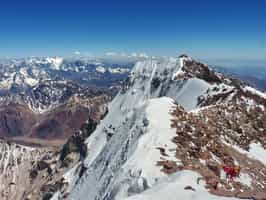
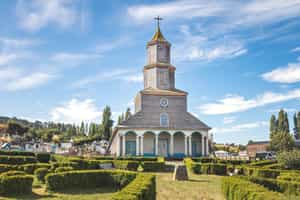
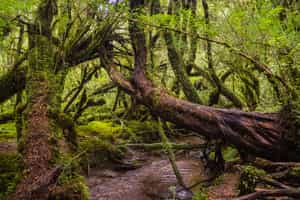
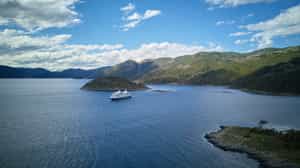
Planning Guides
Argentina Country Guide
Surreal and full of adventure
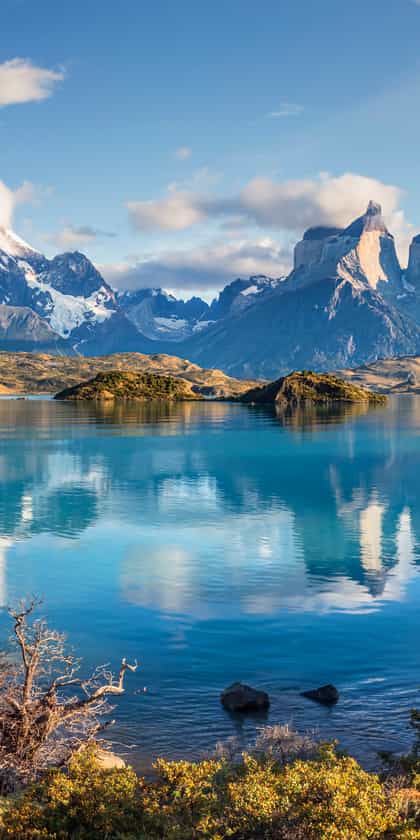
Chile
From the driest desert on Earth to enigmatic Easter Island, our Chile tours are sure to thrill.


A long, thin, ribbon-like country that spans almost a quarter of the globe in length – a staggering 4,300-kilometres to be exact – Chile is a land of extremes. Backed by the Andes to the East and the Pacific Ocean to the West, scorched deserts give way to bucolic, grape-garlanded vineyards; active volcanoes rub shoulders with glossy lakes and pretty forests; and the needle-sharp glaciers of the ice fields stand stark and proud against a Patagonian wilderness. Add to that a collection of artistic cities, fusion dining and excellent wine, a wild and wonderful cowboy culture, and a history of arts and crafts (and an enigmatic, Polynesian island, two time zones away), and it’s a thrilling, mesmerising and unexpected land to explore. And explore you will! White-water raft on a glacial river or strap on your boots for a hike into unknown terrain; canoe, kayak and enjoy the wildlife-filled national parks or experience 'life on Mars' in the driest desert on earth; ponder the merits of a cabernet versus a carménère in the wine valleys or stroll the maze-like city streets, following your nose to the best seafood in town. Whatever it is that excites you, you’ll find it in Chile.

This is the home of grand, once-in-a-lifetime adventure, that allows you to dig deep into the colossal great outdoors and get right into nature in some of the most pristine places left on earth. And, it’s surprisingly easy to get around…

Choose your accommodation wisely. From off-the-radar cabins with spoiling spas to glittering feats of modern design and private yurts with the best views on the planet, this is a country that takes a boutique hotel seriously.

Chile is a country that works well when combined with any of its South American neighbours, or as its own journey. But remember the old Patagonian saying that, “those who hurry waste their time”, and take the time to enjoy every last piece of this treasure trove.
Start with a recommended trip or create one from scratch
10 nights from $10.5K per person
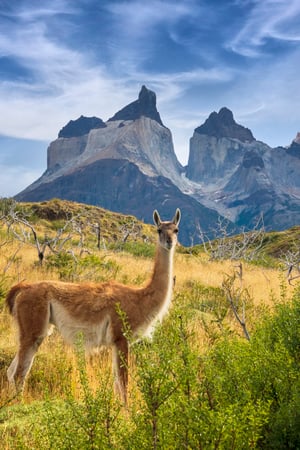
20 nights from $20.6K per person

14 nights from $13K per person
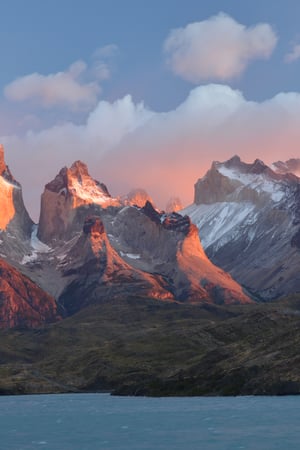
12 nights from $13K per person
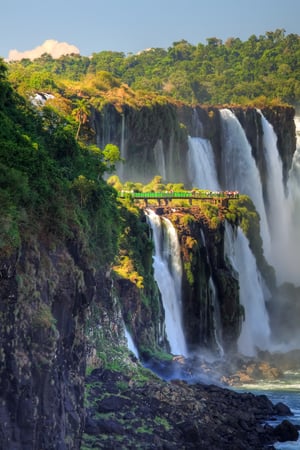
16 nights from $14.8K per person
Get advice and suggestions to make this your perfect trip.
or call us on: +1 (646) 542 0667
A true smorgasbord of destinations, you could go from the desert to the mountains of Torres del Paine to the curious Easter Island in a single trip.
,url-https%3A%2F%2Fassets.waybird.com%2Fcdn-cgi%2Fimage%2Fwidth%3D12%2Cformat%3Dauto%2Fhttps%3A%2F%2Fassets.waybird.com%2Fimages%2Fmap%2Fpin-primary-outlined.png(-68.477674,-22.96044),url-https%3A%2F%2Fassets.waybird.com%2Fcdn-cgi%2Fimage%2Fwidth%3D12%2Cformat%3Dauto%2Fhttps%3A%2F%2Fassets.waybird.com%2Fimages%2Fmap%2Fpin-primary-outlined.png(-109.35716148842849,-27.116106515035636),url-https%3A%2F%2Fassets.waybird.com%2Fcdn-cgi%2Fimage%2Fwidth%3D12%2Cformat%3Dauto%2Fhttps%3A%2F%2Fassets.waybird.com%2Fimages%2Fmap%2Fpin-primary-outlined.png(-72.39990998677031,-45.11599200986853),url-https%3A%2F%2Fassets.waybird.com%2Fcdn-cgi%2Fimage%2Fwidth%3D12%2Cformat%3Dauto%2Fhttps%3A%2F%2Fassets.waybird.com%2Fimages%2Fmap%2Fpin-primary-outlined.png(-70.667105088591,-33.45168947907679),url-https%3A%2F%2Fassets.waybird.com%2Fcdn-cgi%2Fimage%2Fwidth%3D12%2Cformat%3Dauto%2Fhttps%3A%2F%2Fassets.waybird.com%2Fimages%2Fmap%2Fpin-primary-outlined.png(-71.20981730658757,-34.59842661101145),url-https%3A%2F%2Fassets.waybird.com%2Fcdn-cgi%2Fimage%2Fwidth%3D12%2Cformat%3Dauto%2Fhttps%3A%2F%2Fassets.waybird.com%2Fimages%2Fmap%2Fpin-primary-outlined.png(-72.92894944870663,-41.45387098243575),url-https%3A%2F%2Fassets.waybird.com%2Fcdn-cgi%2Fimage%2Fwidth%3D12%2Cformat%3Dauto%2Fhttps%3A%2F%2Fassets.waybird.com%2Fimages%2Fmap%2Fpin-primary-outlined.png(-72.40420382203307,-45.518061218507356),url-https%3A%2F%2Fassets.waybird.com%2Fcdn-cgi%2Fimage%2Fwidth%3D12%2Cformat%3Dauto%2Fhttps%3A%2F%2Fassets.waybird.com%2Fimages%2Fmap%2Fpin-primary-outlined.png(-71.63095457257819,-33.04113007394549),url-https%3A%2F%2Fassets.waybird.com%2Fcdn-cgi%2Fimage%2Fwidth%3D12%2Cformat%3Dauto%2Fhttps%3A%2F%2Fassets.waybird.com%2Fimages%2Fmap%2Fpin-primary-outlined.png(-70.95844494166182,-29.984398484068887),url-https%3A%2F%2Fassets.waybird.com%2Fcdn-cgi%2Fimage%2Fwidth%3D12%2Cformat%3Dauto%2Fhttps%3A%2F%2Fassets.waybird.com%2Fimages%2Fmap%2Fpin-primary-outlined.png(-73.90030129896252,-42.52717891034476),url-https%3A%2F%2Fassets.waybird.com%2Fcdn-cgi%2Fimage%2Fwidth%3D12%2Cformat%3Dauto%2Fhttps%3A%2F%2Fassets.waybird.com%2Fimages%2Fmap%2Fpin-primary-outlined.png(-72.40454731003504,-43.529818691102555),url-https%3A%2F%2Fassets.waybird.com%2Fcdn-cgi%2Fimage%2Fwidth%3D12%2Cformat%3Dauto%2Fhttps%3A%2F%2Fassets.waybird.com%2Fimages%2Fmap%2Fpin-primary-outlined.png(-72.49157957963166,-51.729780275462545),url-https%3A%2F%2Fassets.waybird.com%2Fcdn-cgi%2Fimage%2Fwidth%3D12%2Cformat%3Dauto%2Fhttps%3A%2F%2Fassets.waybird.com%2Fimages%2Fmap%2Fpin-primary-outlined.png(-72.49140731290753,-51.731109284298135)/auto/600x400?access_token=pk.eyJ1IjoidGltYnVrdHV0cmF2ZWwiLCJhIjoiY2poMGw1eHpkMmRkbDJ6bW8xYWZ5OGpjYyJ9.PYvAO7lUJ40SOpGvwmQLqw&attribution=false&logo=false)

Chile
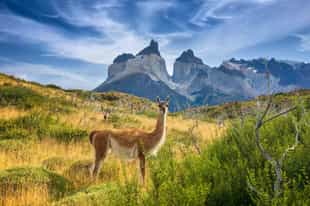
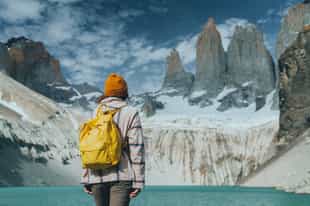
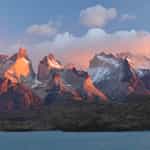
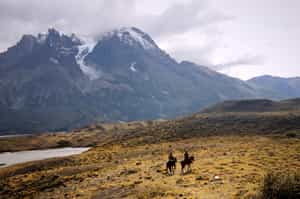
Hike and walk the fierce peaks of Chile’s most iconic park, where glaciers glint and mountains tower

Chile
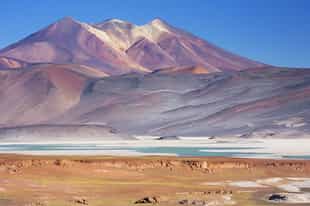
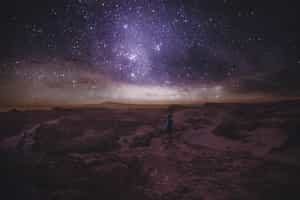
A lunar landscape squashed between the Pacific and the Andes and home to ultimate desert adventures

Chile
Venture to the end of the world where curious legends, ancient cultures and a savage beauty awaits those who dare
As you might have guessed from Chile’s impressive length, it’s a country of extreme altitudes and climates, but this also makes it possible to visit at any time of year. Northern Chile, Santiago and the Atacama Desert are enjoyable almost all year round. If you’re visiting Santiago for its ski resorts, hitting the slopes in summer (December to February) is possible but you’ll find the best conditions between early July and August. The notorious Santiago smog lingers between May and October, which may be difficult for anyone with a respiratory condition. And if you’d like to be in Chile for the wine festivals, plan a visit between March and April. Although rain is never a factor in the Atacama, December to February tend to provide the clearest skies, but winter is also a beautiful time to visit when the flowers are in bloom (sunrises at El Tatio geyser are particularly stunning). Conditions in Patagonia are temperamental but you’ll find the most pleasant and activity-friendly weather between November and February. Patagonia is extremely popular and if you’d like to avoid the crowds, a visit between September and October, or between March and April is a good bet. Winter is a no-go because many attractions close and the conditions can make the region difficult to navigate.

Dry Season — one of the best times to visit
To avoid the crowds in Torres del Paine, opt for a visit to Navarino Island for some of the most epic trails in Patagonia – it also happens to be the world’s southernmost hiking route.
The waters off Punta Arenas play host to humpback whales enjoying a good feed and in Francisco Coloane Marine Park, you can even kayak amongst them.
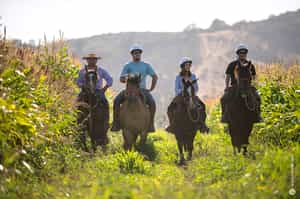
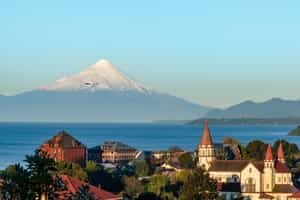
Chile’s Lake District is sublime in January with fabulous weather for everything from kayaking to horseback rides.
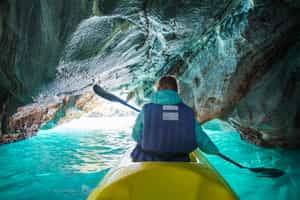
Head for the Aysen region where you can do everything from kayaking in the Marble Caves to rafting on Baker River – and the chance for puma spotting too.
Dry Season — one of the best times to visit
Discover some of the most off-the-beaten-track scenery in Patagonia as you explore the Aysen region. Marvel at innumerable glaciers, go kayaking in the Marble Caves and rafting on the intrepid Baker River.
On the pampas of Torres del Paine, puma tracking excursions achieve incredible success with female pumas hunting throughout the day to feed growing cubs.
Enjoy water-based pursuits in the scenic Lake District including kayaking, paddleboarding and swimming. Waterfalls are also flowing strongly from the glacial melt.
Dry Season — one of the best times to visit
Enjoy Chile’s vibrant wine harvest festivals (vendimias). Colchagua Valley’s is particularly popular with an array of high-end wines, grape stomping competitions and cueca dancing.
Autumn colours burst across Patagonia in striking contrast with its turquoise lakes and snowy peaks. There are far fewer people too, which is always a bonus!
Temperatures are just right for adventures in the Atacama Desert including hikes through the surreal Moon Valley, dips in sky-blue lagoons and wanders in between El Tatio Geysers at sunrise.
Dry Season — a good time to visit
Your chances are fantastic for puma-spotting in Torres del Paine as mothers debut their cubs and you’ll see Patagonia in all its fiery, autumn glory.
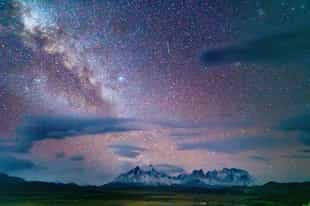
Skies are especially clear in the Atacama Desert, making for unreal stargazing – this is your chance to see the Milky Way without an ounce of light pollution.
Enjoy the celebrations of Chile’s wine harvest festivals including the always-entertainng grape stomping, folk music and traditional dancing.
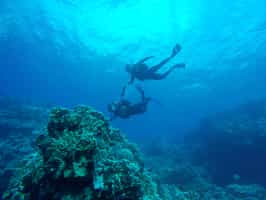
Easter Island is glorious in April when the crowds have dispersed, there’s a good amount of sunshine and snorkelling is top-notch.
Dry Season — a good time to visit
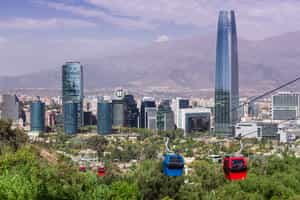
Chile’s urban hubs like Santiago and Valparaíso are in fine form with pleasant temperatures, perfect for exploring museums, street art and top-notch restaurants.
May begins the ‘secret season’ for puma tracking in Torres del Paine, when guanacos congregate in specific areas, drawing these elusive predators out. Turn your eyes to the sky too as condors may be soaring overhead.
The Atacama Desert experiences near-perfect stargazing conditions. Boasting the majority of Earth’s ground-based astronomy projects, rest assured you’ll be in for something special.
Enjoy the fascinating sights of Easter Island in relative solitude, letting you linger longer and snap as many pics of the moai statues as you like.
Wet Season — a good time to visit
Around mid-June, Chile’s ski season officially begins where Andean slopes laden with fresh powder offer sublime skiing conditions at world-class resorts.
There’s no end to the wonders of the Atacama Desert, from daytime adventures to exceptional stargazing. Join expert astronomers with a cup of hot chocolate and marvel at the skies.
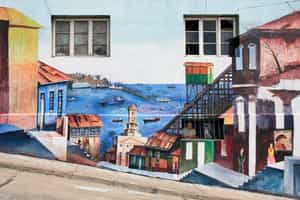
Enjoy wandering walks around the bohemian hills of Valparaíso, taking in its history and rainbow-coloured houses – and a good deal of seafood too.
Wet Season — a quieter time to visit
Skiers find bliss in July, when consistent snowfall results in ongoing powder conditions at world-class Andean ski resorts.
This time of year offers a far cosier experience in Chile’s wine regions complete with roaring fireplaces and crowd-free tastings.
The Atacama Desert is in spectacular form, ideal for hiking through its otherworldly valleys and admiring the unique wildlife that calls it home, while stargazing remains incredible.
Wet Season — a quieter time to visit
Experience some of the clearest stargazing in the Atacama, the world’s driest non-polar desert, where state-of-the-art telescopes reveal the secrets of the Milky Way.
The famous Santa Rosa Storm typically hits towards the end of August, delivering incredible powder conditions to the Andean slopes, which combines with spring corn snow – perfect for all abilities.
Head to Termas de Chillán to combine epic skiing with soothing soaks in volcanic hot springs – sublime to say the least.
Dry Season — a good time to visit
The Fiestas Patrias, Chile’s greatest cultural holiday, is celebrated in mid-September with incredible street festivals in Santiago, traditional cueca dancing competitions and scrumptious food everywhere you look.
The Gulf of Corcovado turns into one of the world’s most important blue whale feeding grounds, while southern right whales migrate to Patagonian waters and Chile’s coastline hosts nearly 40% of the world’s whale and dolphin species.
In late September, the Lake District comes alive with wildflowers, blooming in beautiful contrast with the snowy peaks, and superb conditions for enjoying the outdoors.
Dry Season — a good time to visit
An all-year-round destination, Easter Island is particularly lovely in October when the crowds haven’t arrived yet but the weather is perfect for exploring its maoi statues and hiking trails, and snorkelling in the clear, temperate waters.
October is one of the very best months for discovering Torres del Paine, when wildflowers offer bursts of colour, there’s 12+ hours of daylight and wildlife is exceptionally active.
If the winter rains were sufficient, the Atacama Desert explodes with over 200 species of wildflowers, colouring the usually barren landscape in vibrant hues.
Dry Season — one of the best times to visit
Experiencing up to 16 hours of daylight, trekking season begins in Torres del Paine with fewer crowds than you’ll find in the peak months. Baby guanacos are born and pumas are out in full force – and successful sightings are high.
Easter Island is relatively free of visitors and the weather is just-right for trekking to see famous archaeological sites like Ahu Tongariki.
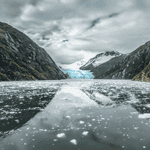
This is a prime month for exploring the Chilean fjords on a cruise, including daily adventures by Zodiac boat where you’ll marvel at glaciers up-close and spot graceful sea lions.
Dry Season — one of the best times to visit
On a visit to Easter Island, you’ll want to spend all your time outside, discovering the island’s famous statues and archaeological sites, or soaking up the sunshine on one of its beaches.
The marine life! From the adorable penguin chicks of Isla Magdalena to the immense whale activity off the coast of Patagonia (humpbacks, orcas and more), you’ll be totally spoiled with sightings.
With up to 18 hours of daylight in Torres del Paine, embarking on its iconic treks are possible once again and the conditions are practically perfect too.
The Wine Valleys of central Chile are simply idyllic and December is a fantastic time for tours and tastings.

Most travellers arrive in Chile via the Comodoro Arturo Merino Benítez International Airport (SCL) in Santiago. International flights There are direct flights to Santiago departing from a number of major destinations. In the USA, direct flights depart from Los Angeles, Atlanta, Dallas, Houston, Miami and New York; and Toronto in Canada. There are direct flights available from Europe, flying out of London Heathrow, Paris and Madrid, as well as Australia and New Zealand. We would recommend booking your flights online in order to get the best rates. If you need any help or advice please let us know. Domestic travel Getting around Chile is simple and fairly inexpensive. While in Chile, it’s common for visitors to do as the locals do and use the bus system. However, a private transfer will be the most comfortable and makes your route more flexible (handy for photo stops). Chile is a long, spindly country, but luckily it has a well-maintained network of roads, including the Pan-American Highway, making a self-driving trip favourable. Renting your own car is also helpful for reaching the more remote areas like Patagonia or the Atacama Desert. It’s recommended that you have an international driver’s licence and be sure to rent a vehicle suitable to the terrain. Before departing, confirm that you have two spare tyres, sufficient petrol and water supplies, and study the directions carefully. Although they are the more expensive option, if you’re short on time or don’t want to make the long drive, domestic flights are available and especially useful when travelling between the Atacama Desert and Patagonia. South of Puerto Montt, there is also a network of ferries in operation, which is the scenic alternative to certain routes.
Recommended vaccines include Hepatitis A, typhoid and rabies, while Hepatitis B may be wise if you’re planning a longer trip. However, please consult your personal physician and/or a travel clinic preferably 6 weeks prior to your departure. Vaccine requirements vary based on your country of origin and your travel itinerary, as well as your previous vaccination history. It is best to consult with your physician or the CDC website for guidelines. Certain mosquito-borne illnesses are present in Chile and can be avoided with consistent use of insect repellent (50% DEET) and wearing layers. Travellers planning on spending time in high altitude areas should take preventative remedies to assist with acclimation. Between May and October, Santiago experiences a bad smog, which may be challenging for anyone with a respiratory condition. While most hotels have a first aid kit, we advise taking a basic one of your own as well as any prescriptions / medication you may need.
Money The currency in Chile is the Chilean peso (CLP) and it’s easy to draw money from ATMs in a bank or post office. You won’t have any problem exchanging money in Chile’s larger cities and there are plenty of official casa de cambios (exchangers) at the airport, shopping centres and major tourist attractions. Gratuities Gratuities are not compulsory or expected; rather it is a reward for excellent service. If you are pleased with the service you receive, you are more than welcome to tip your guide or the staff. Tipping is usually done at the end of your stay. You may tip the staff individually, give the tip to the manager to distribute, or do both. Gratuities suggestions: Private guide: $10 per person per full day; $7.5 per half-day Private driver: $10 per person per full day; $7.5 per half day Porters: $1 per bag Hotel staff: $20 - $50 per room per night (this can be distributed by the manager) Restaurants: In most upscale/tourist restaurants, 12% VAT and a 10% service charge is already included. For local restaurants, the service charge may not be included so a 10% tip is appreciated/appropriate (12% VAT is included).
Insurance It is a condition of booking that you carry the correct comprehensive travel and medical insurance to cover yourself, as well as any dependents/travelling companions for the duration of your trip. This insurance should include cover in respect of, but not limited to, the following eventualities: Compulsory Insurance: a. Emergency evacuation expenses b. Medical expenses c. Repatriation expenses Recommended Insurance: a. Cancellation or curtailment of trip b. Damage/theft/loss of personal luggage, money and goods
As a general precaution, we recommend you make several copies of your travel-related documents (passport, credit cards, itinerary, airline tickets, insurance cover, visas, etc). Leave one set at home, and bring another set with you, and place it in a location separate from your originals. You may need to present any relevant travel-related documents at any time on the trip. Travellers from certain countries don’t require a visa if their stay doesn’t exceed 90 days, and will receive a Tourist Card on arrival. This includes the USA, Canada, EU members and Australia, and a number of other countries. The Chile Tourist Visa is valid for a maximum of 90 days (this can be extended) and the application can be made online. Following this, a meeting at the Chilean Consulate is required and the payable fee ranges from $50 to $150, depending on the traveller’s nationality. Please do contact the embassy in your home country to reconfirm visa requirements, as they change often. Visa Central is also a good resource for further information.
Climate Chile’s layout means its various regions experience a wide variety of weather, where the coast is fairly cool year-round, the inland valleys are warmer and the Andes are permanently covered in snow. The north remains dry and warm all year round, reaching up to 30°C during the day (although the temperatures can plummet at night). Central Chile enjoys a Mediterranean climate with long, hot summers and cool, wet winters, which makes for a reliable weather forecast. The south experiences more rain, particularly in northern Patagonia, where winter temperatures plunge below 0°C. What to pack The time of year influences what you pack to a certain extent but the weather can vary dramatically within a single day, so it’s best to be prepared for all occasions. Below is a rough guide on what to pack: - Layers: long and short-sleeved shirts, sweaters, fleece / thermal jacket and heavy duty windbreaker / raincoat. If you’re visiting Patagonia, thermal underwear, trekking pants, gloves, a hat and earmuffs may also be needed. - Walking shoes / sandals - Sturdy, water-resistant hiking shoes - Sunglasses, sunscreen and lip balm - Binoculars - Backpack - Swimsuit (for the spa, pool or the beach) - Toiletries including insect repellent, hand sanitizer and wipes - A first aid kit and any prescription or required medication - Electronics, chargers, batteries and adapters. Chile uses Type C and L plugs and operates on a 220V and 50Hz supply voltage. - Reusable water bottle - Trekking poles, if applicable Luggage Please check with your airlines for the specific luggage restrictions relevant to your flight schedule. Many international airlines have a baggage allowance of 20kgs or more per person and commercial airlines generally permit two (2) pieces of checked luggage. The carry-on bag must be of such dimensions and weight as set by the airlines.
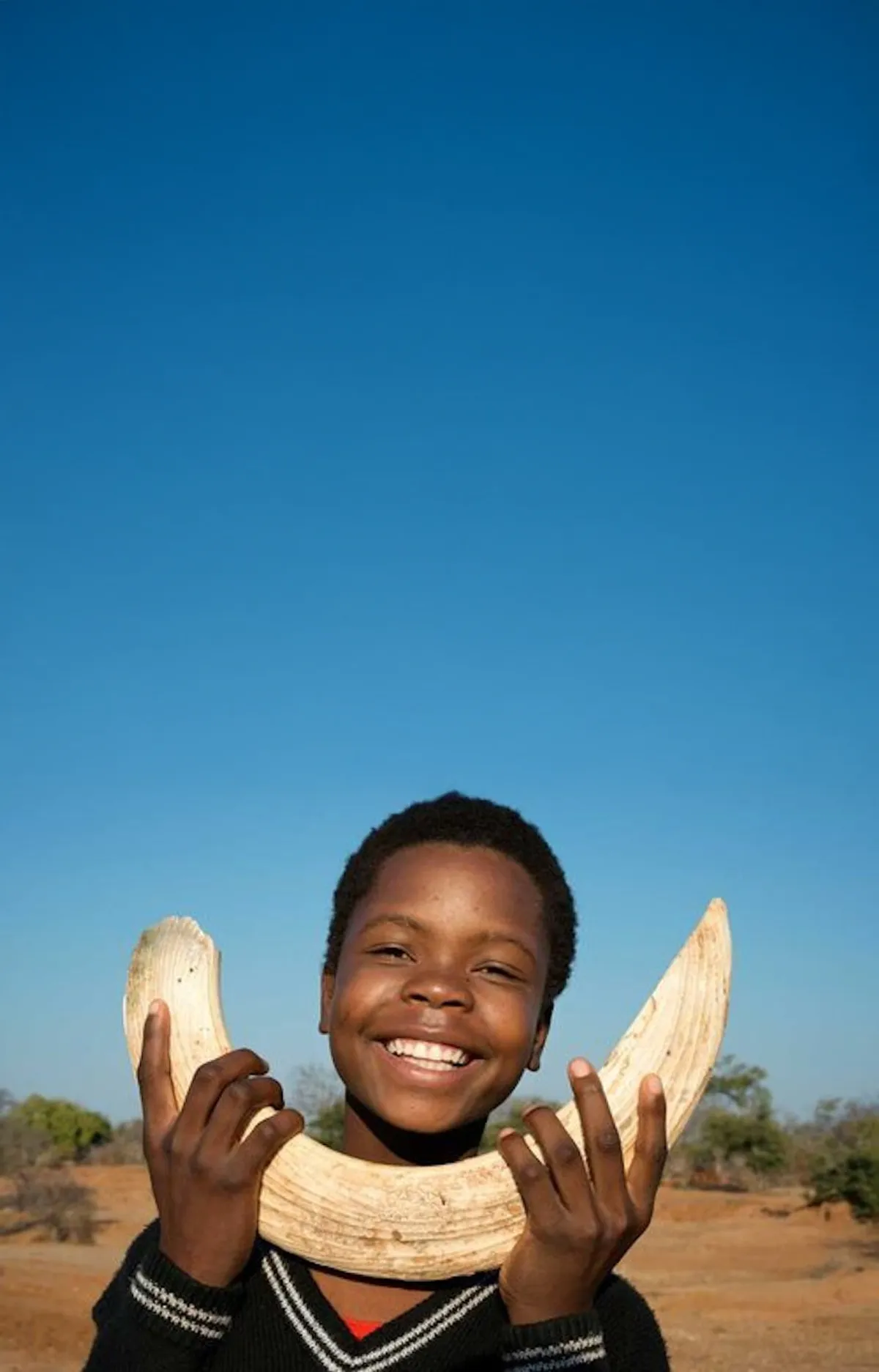
We’re big believers in leaving a positive impact in the countries in which we operate. We’re proud to donate $50 for every booking to projects focusing on female empowerment, tech education, conservation, and so much more.
Our dream is to empower our guests to travel with a purpose.
So far, we’ve donated $107,000 to projects across the globe.


Why travel with Timbuktu?

We've been crafting one-of-a-kind journeys since 2014 — over 2,500 trips across 40+ countries, each one built from scratch around your interests and dreams.

Our team only recommends places they've slept in, eaten in, and happily keep going back to. Condé Nast Traveler named 11 of them Top Travel Specialists in 2026, and Travel+Leisure made three A-List Advisors.

Travel+Leisure's readers voted us the World's No.1 Tour Operator in 2024 and No.2 in 2025 — the travel industry's biggest readers' award, judged by people who actually travel.

$50 from every booking goes to female empowerment, tech education, and conservation projects across the countries we love. We have donated $78,000 so far – and it's going up!

Your travel specialist is with you the whole way, dreaming up the trip, building the itinerary, checking you in, and answering the 2am question from the other side of the world..

We are rated 4.9 out of 5 from 992 verified Feefo reviews. And these are the words of people who actually went, not us talking about ourselves.
11 Condé Nast Traveler Top Travel Specialists 2026

No. 1 & No. 2 Tour Operator in Travel + Leisure's Best Awards 2024 & 2025

Best Booking Platform in Women's Health Travel Awards 2025

Travel Specialist voted as Latin America A-List Travel Advisor 2025

"Timbuktu can take relatively complex and slightly amorphous travel plans and transform them into a well-organized, perfectly tailored trip."