Planning Guides
Ecuador Country Guide
From the Amazon to the Galapagos

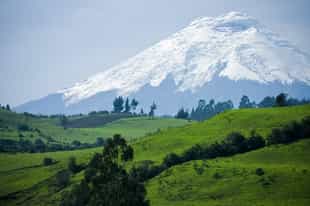
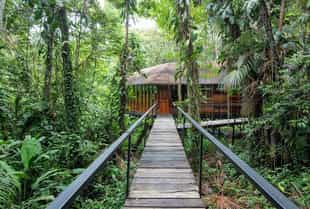
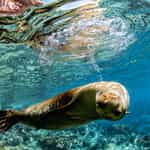
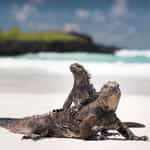
Ecuador may be South America's fourth-smallest country, but its climate zones are as varied as its landscapes are dramatic. From snow-capped Andean peaks to the steamy Amazon jungle to those iconic Galápagos Islands, timing your visit right can make all the difference to your experience. The mainland's Andean highlands shine during the dry season (June to September), when clear mountain vistas and comfortable temperatures create perfect conditions for exploring colonial Quito or hiking around the stunning crater lake of Quilotoa. Meanwhile, the Amazon puts on its most accessible face during these months too, with slightly less rainfall making those jungle trails slightly less squelchy underfoot and wildlife viewing that bit easier. Beach bums should point their compass toward Ecuador's Pacific coast between December and April, when warm sunshine bathes the shoreline, and you can leave those rain jackets at home. Montañita's surf breaks peak during these months too, drawing board-riders from across the continent. The Galápagos Islands operate on their own magnificent schedule. While you'll never struggle to spot wildlife (it's practically tripping over your feet), December to May brings warmer waters, perfect for snorkeling alongside sea lions and marine iguanas. The seas are calmer too – good news for anyone with a delicate stomach. Flip the calendar to June through November, and you'll find cooler temperatures but nutrient-rich currents that transform the underwater world into a feeding frenzy of marine activity. One insider tip: if witnessing the famous blue-footed booby mating dance is on your bucket list (and why wouldn't it be?), aim for June to August when these charming birds are feeling particularly romantic. Whatever season you choose, Ecuador's mind-boggling biodiversity and rich cultural tapestry will leave you wondering how they packed so much into such a compact country.

Mixed Season — one of the best times to visit
The Galápagos warm season kicks off with calm seas, excellent snorkelling visibility and water temperatures around 24°C. Green sea turtles nest on beaches while marine iguanas flaunt their striking red and green breeding colours.
Running through the first week, the Devil's Dance of Píllaro originated as protest against Spanish rule. Intricate masks, infectious energy – you'll be joining in the dancing before you know it.
One of the Amazon's driest months means plenty of animal activity near the water. Keep an eye out for caiman basking on riverbanks and the extraordinary birdlife found in this corner of the rainforest.
Mixed Season — one of the best times to visit
The Galápagos reaches its warmest water temperatures of the year – around 25°C with glass-like seas. No wetsuit required, and it's ideal for sailing. Frigate birds inflate their famous scarlet throat pouches while flamingos nest in coral-pink colonies.
It's Carnival! An eclectic combination of water fights (no one is safe), music, dancing, and both Catholic and Andean traditions rolled into one exuberant celebration.
Up in the cloud forests, bird breeding season overlaps with the arrival of migratory species. Tanagers, hummingbirds, toucans – birders genuinely won't know where to look first.
Mixed Season — a good time to visit
Waved albatross return to Española Island after months at sea, setting the stage for one of nature's greatest romances. Their elaborate courtship dances – all bill clacking and sky pointing – are mesmerising.
Rising Amazon waters turn the jungle into a vast flooded forest. Imagine canoeing silently between tree trunks, light filtering through the canopy high above. A completely different perspective.
In stark contrast to Carnival's festivities, Easter is far more solemn. Quito's Good Friday procession winds through the Old Town with hooded robes, cross-bearers, and a haunting silence.
Mixed Season — a good time to visit
One of the best months to visit the Galápagos – warm waters, excellent visibility, and lower prices. Giant tortoise hatchlings take their first steps, sea turtles hatch at Las Bachas, and blue-footed booby courtship begins.
Holy Week fills Ecuador's cities with candlelit processions and the annual treat of fanesca – an elaborate, symbolic soup you'll find simmering in homes and market stalls alike. Worth seeking out.
Mindo's rainy season brings the cloud forest to vivid life with lush greenery and phenomenal bird activity. Fancy chasing colourful tanagers and iridescent hummingbirds? April delivers.
Mixed Season — one of the best times to visit
A "Goldilocks" month in the Galápagos – not too hot, not too cold. Male blue-footed boobies hit their stride, shuffling their electric-blue feet in their famously goofy mating dance. Lower visitor numbers mean excellent value.
In Quito, the Battle of Pichincha is commemorated with parades, music, and festive energy rolling across the capital's plazas. A great time to soak up the city's proud history.
Highland trails start drying out – a sweet spot for quieter hikes around Quilotoa's turquoise crater lake or the slopes of Cotopaxi before the crowds arrive.
Dry Season — one of the best times to visit
Humpback whales arrive at Ecuador's coast after their epic migration from Antarctica – Puerto López becomes whale-watching central. In the Galápagos, whale shark season begins and the highlands enter their driest, clearest period.
Inti Raymi brings ancestral Andean traditions to the forefront in Otavalo – dances, rituals, and spiritual cleansing in icy waterfalls, all honouring the ancient sun god. A powerful, moving celebration.
Cooler, nutrient-rich waters kick off the Galápagos diving season, drawing hammerhead sharks, manta rays, and all manner of marine life to the archipelago's deeper sites.
Dry Season — one of the best times to visit
The best month for whale watching – towering breaches and the thump of tail slaps across the Pacific. The highlands are at their driest with spectacular volcano views, while the Amazon offers comfortable temperatures and excellent wildlife.
The Galápagos seas brim with life as cold currents roll in. Flightless cormorants begin their courtship, sea lion pups appear on beaches, and marine iguanas feed voraciously in crystal-clear waters.
Clear, dry highland weather delivers textbook conditions for Andean trekking. Whether it's a day hike or a multi-day route up one of Ecuador's towering volcanoes, July rarely disappoints.
Dry Season — one of the best times to visit
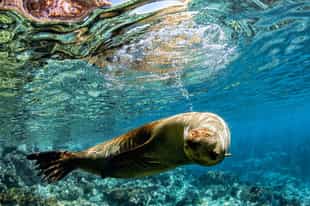
Peak whale shark season at Darwin and Wolf Islands, with massive hammerhead schools and abundant marine life. Sea lion pups – all wide-eyed, fuzzy, and fearlessly curious – steal the show on Galápagos beaches.
Quito lights up for its August independence celebrations – concerts, parades, fireworks, and a capital-wide burst of energy. The city comes alive in the best possible way.
The highlands stay dry and warm, offering clear vistas of Cotopaxi, Chimborazo, and Quilotoa's brilliant blue crater lake. Perfect conditions for photography and trekking.
Dry Season — one of the best times to visit
Mother humpbacks linger with their calves off the coast – watching young whales practise their breaching is genuinely moving. Galápagos penguins are highly active, and highland temperatures reach their warmest.
The Yamor Festival fills Otavalo with colour, dance, and the traditional corn-based Yamor drink – an ancient harvest celebration with plenty of modern flair.
Galápagos penguins get especially active around Bartolomé Island, torpedoing past snorkellers with impressive speed. Swimming alongside them is an absolute highlight.
Mixed Season — one of the best times to visit
A photographer's dream in the Galápagos – ideal weather, soft light, and fewer crowds. Blue-footed booby chicks wobble around on Española, sea lion pups play in the shallows, and the Amazon's drier period makes wildlife easier to spot.
Guayaquil celebrates its independence with fireworks and waterfront parties. The Malecón stays lit up well into the night – a fantastic atmosphere.
The Amazon's drier conditions make jungle trails far more accessible. Wildlife concentrates near remaining water sources – excellent for caiman spotting and piranha fishing.
Mixed Season — one of the best times to visit
Excellent shoulder season – the Galápagos offers calm seas, improving visibility, and playful sea lion pups without the crowds. The coast enjoys arguably its best conditions of the year with warm waters and rare rainfall.
Cuenca throws one of Ecuador's largest festivals for its November 3rd independence day. Parades, music, and colonial streets filled with ornate traditional dress.
Rising Amazon waters reopen hidden channels and flooded forests, giving you canoe access to remote, wildlife-rich corners you simply can't reach at other times of year.
Mixed Season — one of the best times to visit
The Galápagos warm season returns with calm seas and greening islands. Green sea turtles mate in shallow waters, marine iguanas blaze with breeding colours, and tortoise hatchlings emerge. The highlands enjoy a dry spell perfect for volcano views.
Ecuador rings in the New Year with Año Viejo – giant papier-mâché effigies of politicians, villains, and cartoon characters burned at midnight to cleanse the year gone by. Gloriously bonkers.
The coast enters its prime season – warm waters, blissful sunshine, and a humming energy we'll happily go back for time and time again.


Get advice and suggestions to make this your perfect trip.
or call us on: +1 (646) 542 0667
11 Condé Nast Traveler Top Travel Specialists 2026

No. 1 & No. 2 Tour Operator in Travel + Leisure's Best Awards 2024 & 2025

Best Booking Platform in Women's Health Travel Awards 2025

Travel Specialist voted as Latin America A-List Travel Advisor 2025

"Timbuktu can take relatively complex and slightly amorphous travel plans and transform them into a well-organized, perfectly tailored trip."








.jpg)
.jpg)