Planning Guides
Egypt Country Guide
Ancient relics, beautiful beaches & the colossal Nile

Egypt is notorious for its baking hot weather, particularly in the summer months (June - August), with many major cities reaching temperatures in the high 30s or above (Celcius) and little rainfall all year round. Most travellers avoid the peak heat and choose to travel between October and March. The weather remains temperate, making sightseeing trips to the Pyramids, temples and bazaars much more pleasant. However, everyone has the same idea and tourist numbers are high, meaning the hotel prices follow suit. Visiting in the shoulder seasons (May and September) can be favourable as the weather remains milder than the summer time and room prices haven't reached peak season levels. In September, the sea breezes are lovely if you're planning a coastal visit and you'll enjoy the Red Sea without the usual autumn / winter crowds. Between April and May, the Khamsin Wind blows through Egypt, making conditions less ideal for photography. If you hope to visit during Ramadan, which falls between the same months, be aware that opening times often change and the cities are increasingly crowded.

Dry Season — a good time to visit
Coptic Christmas, held on January 7th, is a unique holiday celebrated by virtually everyone, regardless of creed or culture. Expect big crowds, atmospheric midnight masses, and streets filled with decorations.
January is typically the coolest month of the year. While this can make diving a chilly affair, visibility is at its peak, as are shark sightings around Egypt’s world-renowned reefs.
Pleasant days and cold nights make this an excellent time for exploring the otherworldly expanses of the Siwa Oasis. Speaking of other worlds, clear skies and virtually no light pollution result in some astounding views of the Milky Way.
Dry Season — one of the best times to visit
Twice a year, the rising sun pierces deep into Abu Simbel to illuminate the inner statues – a feat of ancient astronomy celebrated with music, dancing and thousands of visitors.
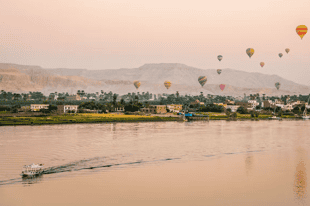
Cool mornings make this ideal for exploring ruins on foot – or from above. Hot-air ballooning offers an entirely different perspective on Ancient Egypt and an escape from the crowds.
Dry Season — one of the best times to visit
Ramadan falls through much of March. Respect local customs and savour the reward: streets exploding with life each evening, souks aglow with lanterns as families gather to break their fast.
March is shoulder season, so crowds at the big-ticket sites start to thin.
Dry Season — a good time to visit
While not quite summer, temperatures in Egypt are beginning to rise. On the coast, warmer waters and an increase in marine diversity herald the start of the diving season.
Sham El-Nessim marks the beginning of spring and is Egypt’s oldest festival. Egyptians of all religions gather in parks, at beaches, and along the Nile to observe this ancient custom, enjoying traditional cuisine and sharing in the celebration of new life
The hot, seasonal ‘khamaseen’ wind carries lots of dust, so sightseeing might not be the clearest, but it can certainly bring a lot of atmosphere.
Dry Season — a quieter time to visit
With summer fast approaching, the weather is noticeably hotter. Cooled by the Mediterranean sea-breeze, this is a great time to visit the ancient capital of Alexandria.
Whale shark sightings peak around this time, making for some possibly unforgettable diving experiences.
Dry Season — a quieter time to visit
The Red Sea coast is your refuge from the sweltering interior. Sharm El Sheikh delivers balmy waters, sweet relief from the heat, and serious marine life – hammerhead sharks included.
Dry Season — a quieter time to visit
Fancy gliding through turquoise waters with manta rays? Or how about a night dive? Desert sightseeing is difficult due to extreme heat, but the Red Sea coast continues to offer excellent conditions for diving, snorkelling, and marine encounters.
Dry Season — a quieter time to visit
The Perseid meteor shower peaks mid-August, and Egypt delivers: dry air, no light pollution, crystal-clear skies. The catch? Best viewing is out in the desert – so you'll earn those stars.
Dry Season — a good time to visit
While summer is far from over, September brings slightly cooler temperatures. With a bit of planning, it’s more than possible to see the sights. Just be prepared for early morning starts!
Dry Season — one of the best times to visit
Egypt comes into its own: the blistering heat has subsided, days are pleasant, nights clear. Cruise the Nile, dive into Cairo's bustle – this is prime time for the Land of the Pharaohs.
October 22nd brings the year's second Abu Simbel Sun Festival. Expect fewer crowds than February's edition, but no less dancing, music and celebration.
Dry Season — one of the best times to visit
With temperatures like these, we’d head out to the whispering dunes and otherworldly expanses of Egypt’s deserts. Expect beautiful days and cool nights that can easily catch you off guard. Pack warmly!
Peak tourism season draws big crowds, so we’d recommend getting an early start and heading to major sites before they get too busy.
Conditions are idyllic for a hot-air balloon ride over Luxor’s myriad ancient sites.
Dry Season — a good time to visit
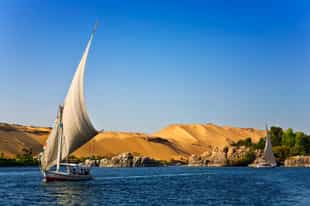
Floating down the Nile is a neat way to soak in the sights of this storied land. Cruises stop at points of interest, so you get the best of both worlds!
There’s more than one celestial-archaeological phenomenon in Egypt. In fact, there are several! Many are built around the winter solstice towards the end of December. Luxor, the Karnak Temple aligns with the sunrise.
Heading away from the desert and towards the coast, the cooler waters create breathtaking underwater clarity. It’s an ideal time to explore the reefs and corals in Sharm El Sheikh.


Get advice and suggestions to make this your perfect trip.
or call us on: +1 (646) 542 0667
11 Condé Nast Traveler Top Travel Specialists 2026

No. 1 & No. 2 Tour Operator in Travel + Leisure's Best Awards 2024 & 2025

Best Booking Platform in Women's Health Travel Awards 2025

Travel Specialist voted as Latin America A-List Travel Advisor 2025

"Timbuktu can take relatively complex and slightly amorphous travel plans and transform them into a well-organized, perfectly tailored trip."