We're one of the World's Best Tour Operators!
Named three years running in Travel+Leisure World's Best, including No.1 in 2024
Thousands upon thousands of islands await on your Indonesia trip, where you’ll hike beneath towering volcanoes, marvel at ancient temples and encounter wildlife of an entirely different kind.
Located in the centre of the Indonesian archipelago, Bali offers much more than the heavenly beaches it’s so famous for. Terraced rice paddies gleam under the near-eternal sunshine; temples abound – including some of the oldest in South East Asia – many of which sit on breath-taking ocean cliffs; ceremonial dances are performed in hidden-away villages; and there’s a unique world of art to be discovered, be it traditional or modern. Those thirsty for adventure can trek beneath towering volcanoes or bike ride across the terraced rice fields, and on the water, surf some of the world’s most famous breaks, SUP, jetski, kayak or snorkel in a kaleidoscopic underwater world. If you’re looking for some R&R, live the yogi dream at one of the many studios, or sink into holistic spa and let the therapists take care of you. Bali really does take its holiday very seriously…
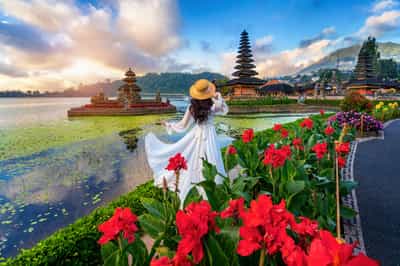
An adventure and nature-lover's dream, Komodo Island is best known for its namesake reptile, the Komodo dragon. The largest lizard on Earth, they can reach up to three metres in length and are even more fascinating in the flesh than on a TV documentary. Spot them in Komodo National Park, a UNESCO World Heritage Site that covers multiple islands and a diverse topography of volcanic terrain, savannahs and pink beaches lapped by cerulean waters. Once you’ve scouted the dragons on land, head under water for an astonishing array of marine life. The diving is among some of the best in the world and you’ll discover a vivid tapestry of coral where technicolour fish and plenty of larger marine creatures dwell.
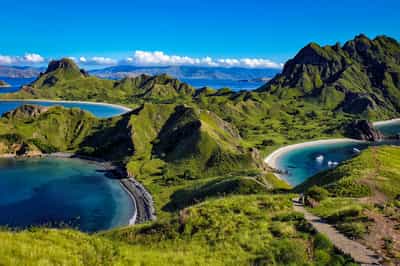
Sitting pretty to the east of Bali, Lombok is the chilled-out little sister of the Indonesian islands, favoured by those-in-the-know and a couple of digital nomads too. It’s tranquil, quiet and (for the moment) an escape from the well-trodden path. On a trip, you’ll find exploration and relaxation in equal measure in a landscape of rice fields, waterfalls and powdery beaches. Dominated by Mount Rinjani, Indonesia's second highest volcano, there are trekking and hiking opportunities galore, whilst the Gili Islands, a trio of white sand droplets, each offer their own unique charms including fabulous snorkelling and diving. Accommodation-wise, choose from a selection of utterly beautiful boutique hotels and resorts dotted along the coast and sink into laidback island life…
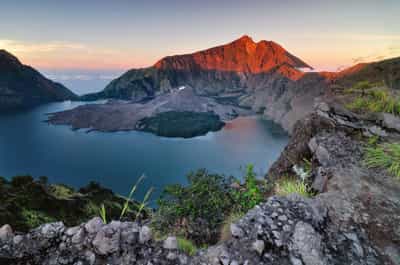
The heartland of Indonesia and its most densely-populated island, Java overflows with vibrant cities (including the capital, Jakarta) and a beautiful history. Urban centres are balanced with pretty terraced rice paddies, the towering Mount Bromo volcano, and ancient temples that are reminiscent of past kingdoms, including Borobudur, the largest Buddhist temple in the world. In Yogyakarta, artists, batik painters, puppeteers and dancers meet, whilst East Java offers blissed-out beaches and verdant landscapes that force you to slow down and take a moment to recalibrate. With this blend of cultural heritage, a thriving modern side and sensuous scenery, Java really is Indonesia in a nutshell.
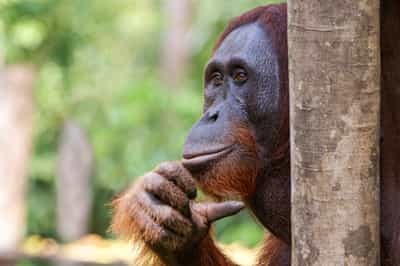
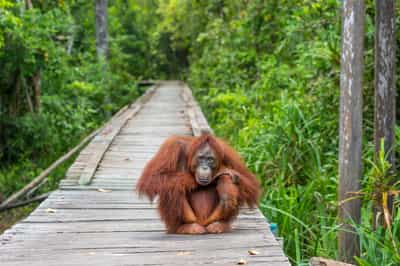
Kalimantan, or Indonesian Borneo, represents nearly 30% of Indonesia’s land area yet only 6% of the population lives here. It attracts even fewer international visitors and you could travel for weeks without seeing another foreigner. In the absence of people you’ll find vast swathes of remote, impenetrable jungle and tangled mangroves, and in place of highways and cars, snaking rivers and traditional klotok boats. The human dimension to all this wilderness is the Dayak villages that line the river’s edge. The Dayak people are former head-hunting tribes who live off the forest and over 50 different groups speak different languages. Kalimantan is, however, most famous for the endangered rust-furred orangutan of Tanjung Puting National Park and gliding along the river, watching them swing between the trees – and spotting proboscis monkeys too – is a wild and powerful experience.
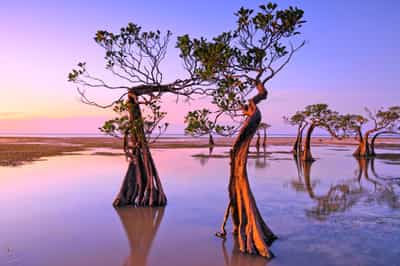
An island in eastern Indonesia (three islands along from Bali if you’re being exact), Sumba is a marvellous mix of unspoiled landscapes and age-old traditions. Only an hour’s flight from Bali, it feels almost forgotten in time and there’s virtually no traffic, let alone pesky day trippers. All the elements of a beach escape are present and correct – think dramatic cliffs plunging into azure waters, sandy coves and fantastic surfing – but what really sets the island apart is its rich culture. The main religion is Marapu, a form of animism found only in Sumba that focuses on the worship of ancestral spirits, and the ancient rituals are still very much a part of daily life. Most resident lives in villages of traditional huts, their peaked roofs stretching to the sky, and produce the intricate, handwoven Ikat textile. It’s unusual to see traditions so well-preserved, and this is an enticing destination for those seeking deep cultural connections.
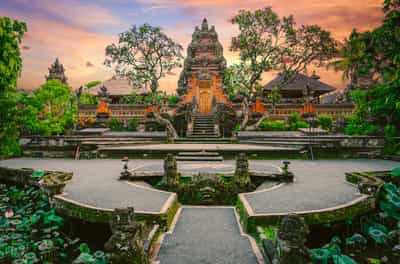
Surrounded by verdant rice terraces and the ever-present tinkle of traditional gamelan music, Ubud has long been the island's cultural and spiritual heart. Artisanal markets, traditional Kecak dance performances and ornate temples paint a vivid tableau of Balinese life, and visitors are welcomed into a world of mindful yoga retreats, beautiful restaurants, and the famous - and very enchanting - Sacred Monkey Forest where the macaques live. Beyond the streets, Ubud unfolds into a landscape of iridescent-green rice fields dotted with conical-hatted workers. Hike or bike across them, stopping at the many ancient temples, before heading back to town to eat in an organic café by the river, catch a traditional dance performance, or to try your hand at batik, wood carving or basketry.
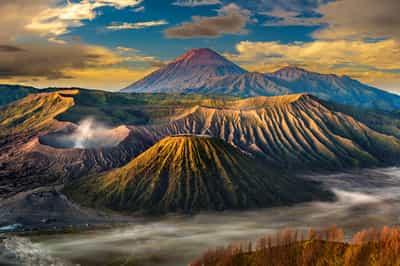
Ethereal and stunningly beautiful, the lunar-like landscapes of Bromo Tengger Semeru National Park aren’t known as one of Indonesia’s most spectacular sights for nothing. An amazing five volcanoes lurch out of the ancient Tengger caldera, a 10-kilometre erg (sand sea) of volcanic ash and sand that can be explored on jeep tours and sandboarding expeditions. Mount Semeru is the highest volcano – and one of the most active – but it’s Mount Bromo, the smallest, that most choose to climb. It’s an early start, but ascending at sunrise affords the best views as the first light of day paints the landscape below and illuminates the peak of Semeru in the distance. On the way up, you’ll come across indigenous Tenegger horseman and villagers clad in traditional clothes and going about daily life.
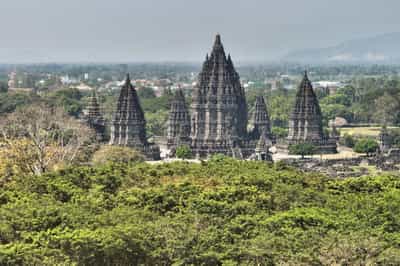
Situated in central Java, Yogyakarta – often referred to by locals as Jogja – positively hums with traditions, art, and history. An important education centre and a hub for classical Javenese art forms, it’s also the only Indonesian city that is still ruled by a monarchy and age-old customs merge with a bustling energy to create a unique and beguiling atmosphere. Visitors can delve into the royal history at the Kraton (palace) where sultans once reigned and cultural arts continue to thrive; catch a puppet show in the courtyard or a Javenese poetry reading in the pavilion. Outside the city walls, Borobudur is the gateway to the world's largest Buddhist temple complex. Decorated with 504 stone hewn Buddha statues in an intricate mandala pattern, it’s deeply soulful and a glimpse of times past. And before you leave, make sure to watch a performance of the Ramayana Ballet against a backdrop of the illuminated Prambanan Temple. Simply magical.
Indonesia's capital has everything you might expect from a sprawling metropolis: impressive skyscrapers, hooting motorbikes, shiny shopping malls and 10 million people of all ethnicities. It’s fast, furious and you’ll either love it or hate it, but don’t make up your mind just yet… There’s a fantastic jazz scene, a selection of brilliant art galleries, and plenty of high-rise hotels with glitzy roof terraces for evening drinks. When you’ve had enough of the modern, take a journey through Indonesia’s past starting at the National Museum of Indonesia. The building itself is modelled on a Greek temple and the airy courtyard is filled with priceless statues. Just across the road is the National Monument, a 132-metre high tower built to commemorate the country’s struggle for Independence and a short Uber ride away is Old Batavia, the city’s old town and a great spot for a coffee and a spot of people-watching. It’s this dynamic to and fro between the ancient and the uber-mod that gives Jakarta its unique character; and we love it!

With all its luscious rainforest and tropical swamps, Tanjung Puting National Park in south Kalimantan (Indonesian Borneo) is about as wild as wild can be. It is best known as a conservation haven for the Bornean orangutan and is one of the last places on earth where these magnificent apes still thrive. A century ago, it was thought there were over 230,000 orangutans left in the wild; today, it’s estimated to be around 105,000 making them an endangered species. Most visitors will spend two nights on a liveaboard riverboat and drift along the meandering Sekonyer River to feeding stations and the iconic Camp Leakey, a rehabilitation centre for orangutans that offers the chance to see the apes in a semi-wild setting. Otherwise, trek through the jungle and look for them on foot alongside other species like proboscis monkeys, gibbons and clouded leopards. If you would like to hike, consider visiting from July to September when it’s usually dry with consistent temperatures.
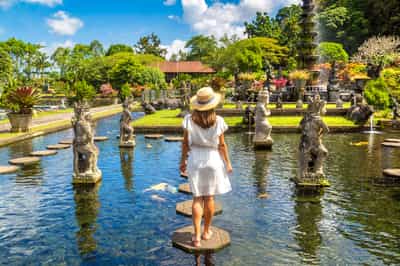
When it comes to natural and cultural wonders, Eastern Bali is blessed. It’s also a million miles away from the rest of the island in terms of tourism, peace and serenity, but you don’t have to travel for hours to get there; in fact, the resort town of Candidasa, the official start of ‘East Bali’ is only an hour’s drive from the airport. Black sand beaches adorn the coast, their waters offering diving and snorkelling to rival anywhere else in Bali, whilst the interior is mostly rice paddies that sweep across the fields in carpets of green. There are plenty of temples dotted around too; visit Lempuyang for the best views of Mount Agung (the highest volcano in Bali), and Besakih, a beautiful complex of over 85 temples and shrines. As you travel around, stop at the traditional villages; the people here fiercely protect their customs and crafts and it’s an insightful glimpse into the history of East Bali.
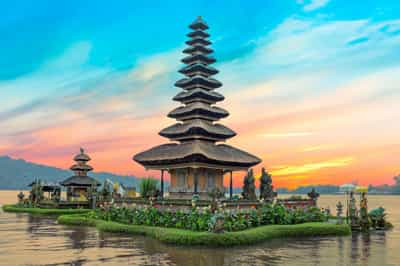
A sparkling gem on the southwestern tip of Bali’s Bukit Peninsula, Uluwatu is famed for its limestone cliff and white sand panoramas – and its big-league waves. Surfers from all over the world come here for the surf breaks but if you don’t fancy joining them, head to one of the cliff-side restaurants or cafes to watch, cocktail in hand. Padang Padang, a gorgeous beach notched into the limestone, is another iconic hang out for the surfers but it’s also great for a swim and a lounge – and you might even recognise the scenery from the film Eat, Pray, Love. You’ll also spot Uluwatu Temple in the distance, one of Bali’s most iconic sea temples that gazes over the ocean some 70 metres below from its clifftop perch. Visit at sunset for the best views and then catch a traditional Kecak dance performance, accompanied by the chanting of male dancers.
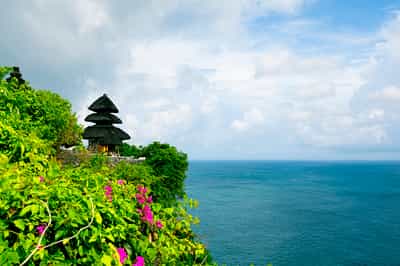
The most high-end of Bali’s beaches is also one of its most handsome, with its long ribbon of flour-like sand, twin, temple-topped islands (Nusa Dua means ‘two islands’) and verdant mangroves. It’s another surfing hotspot and there are plenty of big-wave thrill-seekers around, but there’s also an excellent golf course nearby and some of the coast’s best five-star and family-friendly resorts, attracting a slightly quieter crowd too. In fact, Nusa Dua is one of the most tranquil beaches on the island and it’s gin-clear waters are perfect for relaxed snorkelling, sunbathing and swimming. If you’re here, you’re probably staying in a resort so make the most of the activities on offer but if you’re looking for something hardier, head north to Tanjung Benoa for jetskiing, parasiling, SUPing, wakeboarding and just about everything else you can imagine.
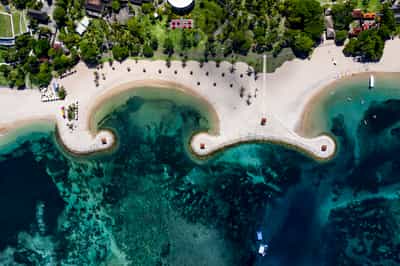
Shamelessly serene and stunningly beautiful, the south of Lombok is just about the perfect place for a spot off-the-grid R&R. Down here, it’s all about the beaches – and they really don’t get much better than this. Crystalline waters lap gently into crescent-shaped bays where palm fronds flutter and golden sands shimmer and the best bit? You’ll be the only one there. Whilst the whole island remains largely unknown to many travellers – although this is slowly changing – the south is remote with a capital R and its shores remain near-deserted even in the height of the season. Expect eco-chic beach hotels, fresh seafood straight off the boat, and the chance to simply do nothing at all in the most incredible of settings.
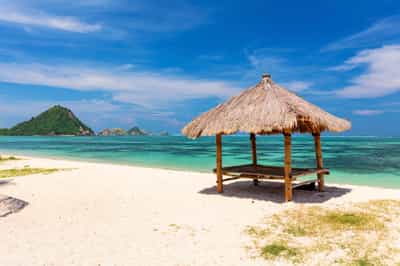
If beach time for you goes hand in hand with long, lazy seafood lunches, ice creams and sorbets on the sand, and barbecued snacks whenever the mood takes you, then Jimbaran is the beach for you. A foodie haven, the four-kilometre arch of golden sand is pretty, clean, and packed with eclectic places to eat, drink and generally be merry. In the evenings, things get even better when the beach loungers are replaced with dinner tables and chairs and the sweet scent of grilled lobster fills the air. But, if you’re just here to enjoy the waves, Jimbaran complies. The bay is protected by an unbroken coral reef and the turquoise water is mellow, calm and perfect for body boarding and snorkelling. Just along the coast is Tegal Wangi, a hidden sliver of sand with jacuzzi-sized pools lining the shore; hop in and enjoy your natural hot tub with a blissful view of the ocean beyond.

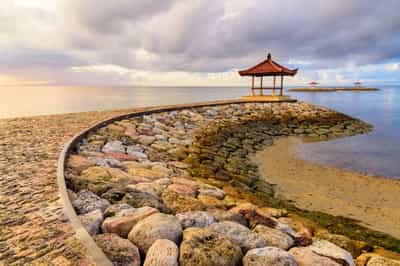
With sun-soaked, swimmable beaches, little traffic and a smattering of relaxed cafes, Sanur is a low-key alternative to Bali's often bustling beach destinations. Days are spent watching traditional jukung fishing boats bobbing in the bay or cycling along the beachfront promenade, before tucking into the catch of the day at a local restaurant. Protected by offshore reefs, the calm waters are perfect for snorkelling, kayaking and stand-up paddle boarding, and you can also release turtle hatchlings on nearby Turtle Island. If you manage to drag yourself away from the beach, pay a visit to one of the oldest temples in Bali or shop until you drop at the overflowing stalls of Sindhu Market. And if that still won’t do, one of the fabulous spas may be calling your name.
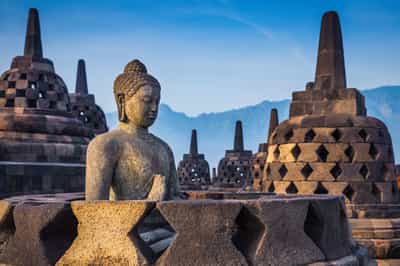
Most people find themselves in Magelang for one reason alone, and that’s to visit Borobadur, the largest Buddhist temple in the world. A UNESCO World Heritage Site, it’s thought to have been built sometimes between AD 778 and AD 856, some 300 years before Angkor Watt and 200 years before Notre Dame. The enormous complex is in the shape of a mandala ( a geometric aid to meditation), hewn from two million blocks of stone, and arranged in spectacular, wedding-cake like tiers. It’s Indonesia’s most iconic sight and you’ll need at least half a day to explore fully – with a little time to battle the crowds, both domestic and international. If you have long enough, hike to the top of nearby Setumbu Hill at sunrise and watch as the magnificent complex is illuminated by the sun’s first rays.
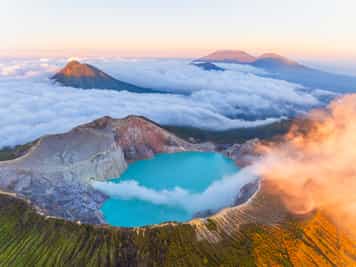
At 2,300-metres above the sea level at its highest point, the Ijen complex was formed around 300,000 years ago by earth-shuddering volcanic activities. The region is dominated by three volcanic cones – Ijen, Merapi and Raung – and surrounded by yellow rocks, thickly-forested alpine areas and a few hardy coffee plantations and villages. But the plateau’s most extraordinary sight is the vibrant turquoise crater lake that appeared after Ijen’s last eruption in 1999. In the early hours of the morning, blue ‘flames’ can be seen jumping from the lake and by noon, the turquoise colour intensifies to a jewel-like shimmer that makes for stunning photographs. The highly acidic conditions are also ideal for sulphur to form and, as dawn breaks, Ijen’s ‘sulphur miners’ drag their empty sleds to the top to start mining from the crater walls. It’s a gruelling process and humbling to watch.
Part of the greater West Bali National Park, Menjangan is a white-sand idyll just off the northern coast of the island, named after the local deer (menjangan) who swim across the mellow waters from the Prapat Agung Peninsula every spring. The island is renowned for its dramatic diving and snorkelling opportunities and the waters are clear, calm, and filled with exotic coral gardens, their fringes filled with fish not found anywhere else in the world. There are no residents on the island itself – aside from 16 Hindu monks that live in three temples – and most visitors stay in Pemuteran, the gateway to the island on the mainland. It’s a quiet bay of black sand beaches backed by towering escarpments and craggy mountains and incredibly close to Java, which can be seen in some of the unique architecture.
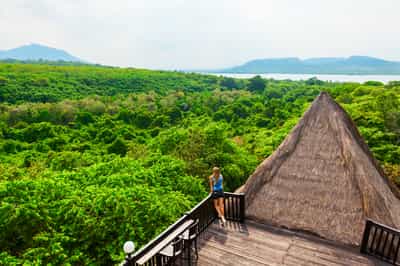
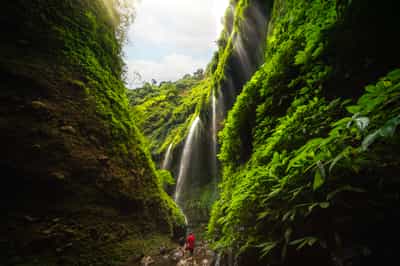
In the shadow of Mount Agung, this secret slice of Bali is a juicy hideout of terraced rice paddies, taro and peanut fields and lush, thick jungle. It’s an authentic and wholesome piece of the island and you’ll spend your days at a slower pace, swimming in hidden pools and scouring the local markets for goodies. One of the highlights is exploring the rice paddies, either on foot or by scooter, especially in the cooler mornings when the colours are vivid and the rivers trickle peacefully. You can go solo, but taking a guide with you is a wonderful insight into Balinese culture – and you’re supporting the local economy. There are also some stunning waterfalls to swim in, villages to stop at to browse local textiles and sarongs, and the canary-yellow Jembatan Kuning bridge is a good viewpoint. At the end of the day, head back to your bamboo house, an icon of Sidemen, and gaze out at the unspoiled landscape.
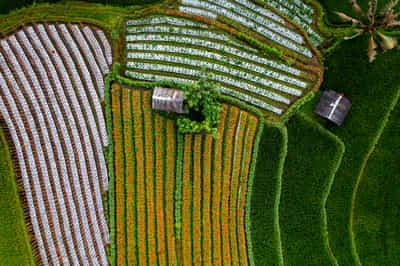
For the hottest beach vibes in Bali – and an excellent dose of chilled-out, toes-in-the-sand restaurants – Seminyak has been luring travellers for years. One of the best-known beach areas on the island, it’s is part of a sweeping, six-kilometre strip of whitewashed sand that extends south all the way to Kuta. The lack of roads to Seminyak, however, means the beaches up here are much less crowded and in fact, Seminyak sometimes feels like a different island all together from bustling Kuta and Legian. There are beautiful boutiques to browse, plenty of feel good activities to enjoy from surf lessons to sunrise yoga, oceanfront spots to lounge upon, and, in the evening, a variety of seriously-sleek beach clubs from which to watch the sun go down.
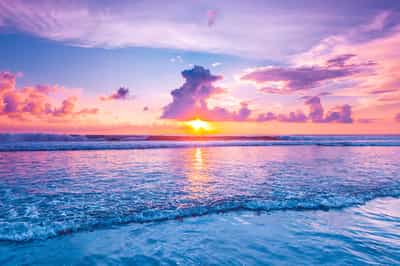
The north of Lombok is a treasure trove of holiday goodies. Slightly busier than the southern part (although when we say ‘busy’, it’s still blissfully quiet compared to neighbouring Bali), there are sweeping coastlines and golden beaches to ogle at and plenty of excellent diving and snorkelling. Inland, the sandy bays give way to waterfalls, forests and rice terraces sprinkled with Sasak villages, many of which still create the pottery and textiles for which they are famous. Dominating much of the landscape is Mount Rinjani, Indonesia’s second highest peak, and its fertile slopes and lowlands make for excellent hiking and walking. Then, when the sun goes down, head to the nearest beach bar, order something chilled, and sigh happily with your toes in the sand.
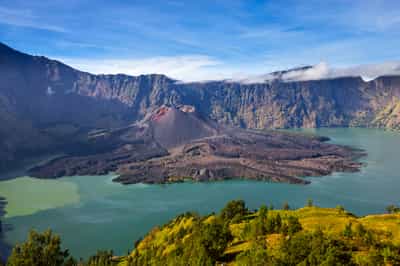
Pretty, green and with a very attractive climate, the town of Malang was established in the late 18th century by coffee-growing Dutch plantation owners as a place to retire to when the steamy lowland temperatures became too much. Surrounded by volcanoes, it’s one of the most beautifully situated cities in Java and the remnants of the elegant Dutch architecture and colonial villas only add to the charming atmosphere. Wander the streets of the old Dutch Quarter and look out for the cathedral, school, and hotel (and the Chinese temple!), or cycle to the traditional bird and flower markets. Outside the town, enjoy the countryside with visits to tea plantations, apple- and flower-picking in the town of Batu on the slopes of Mount Welirang and Mount Arjuna, or discovering hidden temples from ancient kingdoms. Malang is also a base climbs up Mount Bromo, famous for its stunning sun rises and beautiful surroundings.
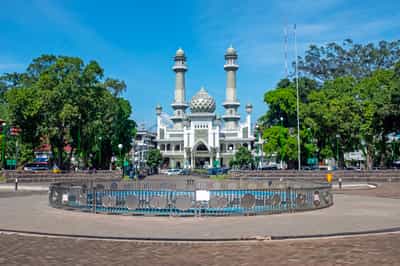
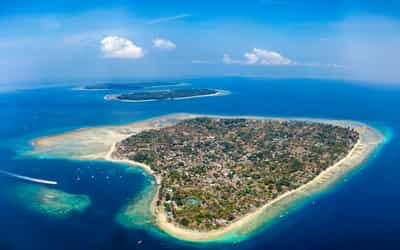
A trio of tiny, tropical isles waiting off the northwest coast of Lombok, the Gili Islands are Indonesia at its barefoot, laidback best. Your days will be spent soaking up the sunshine on a white sand beach, snorkelling or scuba diving with dazzling marine life — turtle sightings are basically guaranteed — and getting to know the locals on a walkabout (there are no cars allowed — bliss!). Each island offers something a little different but it’s wonderfully easy to hop between them by boat so you never have to choose. Just be sure to find yourself somewhere cushy with something chilled in hand at sunset.


Namibrand, Namibia