We're one of the World's Best Tour Operators!
Named three years running in Travel+Leisure World's Best, including No.1 in 2024
Go beyond the dazzling cities on one of our holidays in Japan, seeing the country at its most authentic and wildly beautiful, from the slopes to the coast – and your fair share of temples.
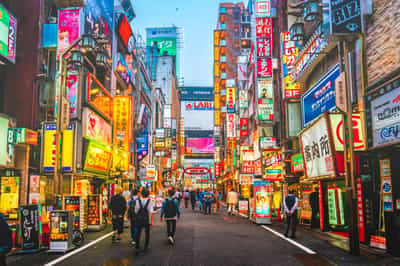
Japan’s capital city lives up to every expectation and then some, where everything is bigger and brighter, as if someone has suddenly switched the colour on. Dive into the frenetic energy of Shibuya’s famous crossing, stand agog, amidst the bright neon signs of Akihabara, and marvel at the city's skyline from the observation decks of the Tokyo Skytree. Amidst this dazzling spectacle, you’ll also find serene pockets of old-world charm. Wander the peaceful paths of Meiji Shrine or explore Asakusa, which houses the ancient Sensoji Temple. Soak up the flavours of Tokyo’s culinary scene, from Michelin-starred restaurants to humble ramen shops, and don't miss a wander through the world’s largest seafood market, Toyosu.
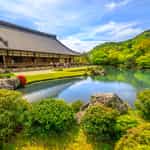
Once the capital of Japan, Kyoto remains the cultural heart of the country. The sense of tradition is palpable, from the scarlet gates of the Fushimi Inari Shrine to the charming teahouses of Gion. More than 1,600 Buddhist temples and 400 Shinto shrines punctuate the city, including UNESCO World Heritage sites like Kinkaku-ji (the Golden Pavilion). And just when you think the city couldn't get any more beautiful, find yourself amongst the hushed, towering bamboo groves of Arashiyama. Between these serene spaces, you’ll find bustling markets, world-class museums, and restaurants serving kaiseki - Japan's multi-course haute cuisine.
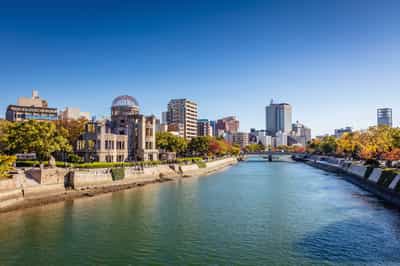
Almost entirely destroyed by the devastating events of 1945, Hiroshima has rebuilt itself into a vibrant, cosmopolitan city with a wealth of experiences to offer. One of the most significant is a visit to the Hiroshima Peace Memorial Park and Museum, a place of remembrance, education, and a testament to the city's unwavering commitment to world peace. But a visit to Hiroshima isn't just about its profound history. It's also a city filled with a thriving culture, beautiful parks and lip-smacking cuisine. Don't miss the delicious okonomiyaki, Hiroshima style!
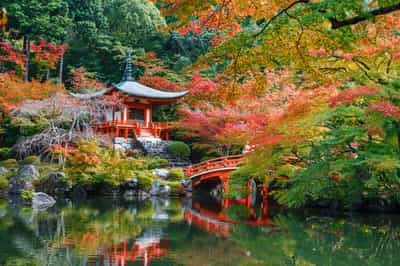
Hidden away in the mountainous Hida region, Takayama is a beautifully-preserved city known for its authentic, chocolate box architecture and blissful ambiance. The Sanmachi Suji district is a living museum of Edo-period merchant houses, sake breweries and craft shops. And Takayama Jinya, the city's historic government house, is a splendid example of traditional Japanese architecture. Beyond the city walls, nature beckons from the picturesque landscapes of the Hida Minzoku Mura Folk Village and the rugged peaks of the Northern Alps.
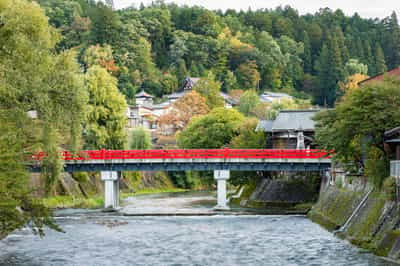
Ensconced by the scenic Kiso Valley, Tsumago is one of the best-preserved post towns on the ancient Nakasendo Trail, a major route connecting Tokyo and Kyoto during the Edo Period. With its beautifully restored wooden inns and residences, Tsumago is a tangible link to Japan's rich history. Take a leisurely stroll through the village, visiting traditional homes that now serve as museums, or treat yourself to some local delicacies in one of the quaint teahouses. A sea of green, the surrounding forests and mountains also promise excellent hiking opportunities. Tsumago is the type of place to just slow down and soak in the atmosphere.
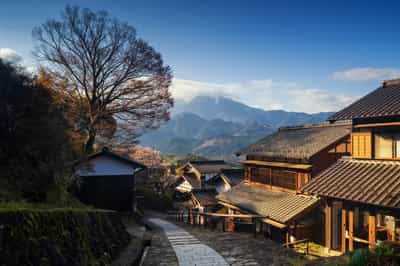
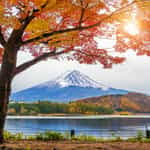
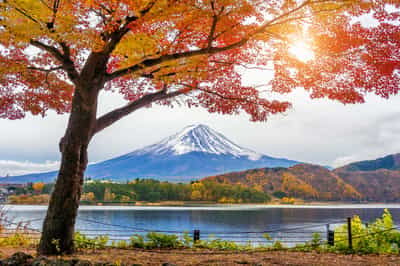
Majestic, misty and famous the world over, Mount Fuji is the tallest peak in Japan — it stands at over 3,700 metres-above-sea-level — forming inspiration for countless poems, paintings, and works of art. The hiking is epic, to say the least. Sitting in its splendid shadow, the Hakone region is endowed with steaming onsen (hot springs) and charming ryokans. Incredible views await as you cruise upon the waters of placid Lake Ashi, ride the Hakone Ropeway into the mountains or stand beneath the Chureito Pagoda — it's especially photogenic during cherry blossom season. Hakone's open-air museum and the ancient Hakone Shrine and its 'floating' torii gates are cultural treasures amidst the natural splendour.
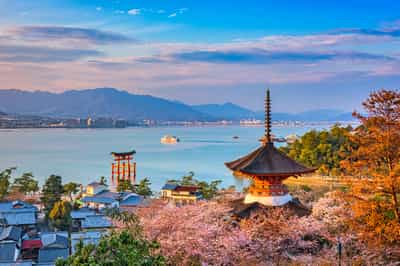
Located in sky-blue Hiroshima Bay, Miyajima Island - also known as Itsukushima, is celebrated as one of Japan’s most picturesque spots. The island is famed for the iconic 'floating' Itsukushima Shrine and the grand red Torii Gate that appear to rise from the sea at high tide. Apart from its spiritual gems, the island is a bounty of pristine forests and you'll be struck by the sight of Sika deer, who are considered messengers of the gods, freely roaming the streets. If you're up for a bit of adventure, the view from the peak of Mount Misen is sublime - and can be reached via a rather scenic ropeway ride.
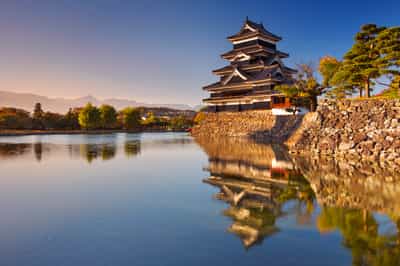
In years gone by, reaching Matsumoto required a perilous journey through mountainous terrain, which was as challenging as it was awe-inspiring. Now, this beauty spot in the heart of the Japanese Alps is readily accessible by train! Once a strategic stronghold in the Edo period, Matsumoto is brimming with history and fine architecture. The city's crown jewel, Matsumoto Castle — its striking black and white figure has earned it the nickname, Crow Castle — is one of Japan's original and most beautiful castles, providing a glimpse into the Age of the Samurai. Matsumoto buzzes with artistic energy, best seen in its museums and galleries, including the Matsumoto City Museum of Art. Gastronomes can savour local specialties like soba noodles and even learn to make them from scratch. Venture beyond the city to breathe in the fresh Alpine air, explore serene walking trails, and visit quaint towns nestled in the mountains.
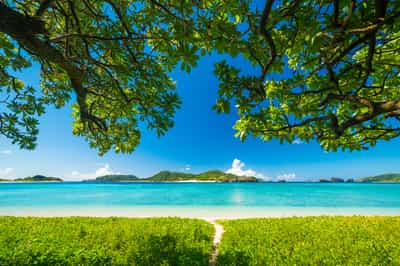
This former Ryukyu Kingdom traded with China and Southeast Asia for centuries before Tokyo took notice, and that independence still lingers in the fortified gusuku ruins, the pork-rich cuisine, and a languid pace locals call ‘Okinawa time.’ Shuri Castle emerges from the ashes of a recent fire – take the chance to watch lacquer masters at work before the scaffolding comes down – while the Kerama Islands, a short ferry hop away, deliver that heart-stopping turquoise the brochures promise (and visibility to match). In the north, jungle-cloaked Yanbaru offers flightless rails and waterfall trails, and in the south, it’s all about the cliffs of Peace Memorial Park. The food alone justifies the journey: bitter melon stir-fries, meltingly tender rafute pork, and awamori, Japan's oldest spirit, sipped where it's made. Blue Zone territory, genuine beaches, and not a temple queue in sight… glorious.
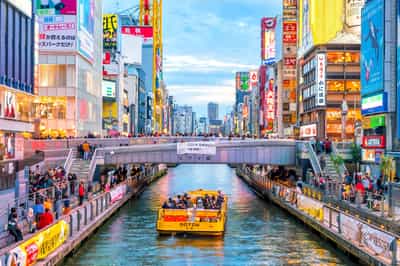
Osaka operates on a different frequency to the rest of Japan. Where Tokyo dazzles with its precision and Kyoto seduces with refinement, this former merchant capital disarms with directness and a philosophy locals call kuidaore – eating until you drop. It's a city where strangers strike up conversations, comedy is woven into everyday chat, and the back alleys of Tenma and Shinsekai reveal standing-only bars serving hundred-yen highballs beside Michelin-starred kushikatsu joints. Start in the neon chaos of Dotonbori, then slip into cobblestoned Hozenji Yokocho for intimate counter dining. During the day, wander the retro Blade Runner atmosphere of Shinsekai beneath Tsutenkaku Tower, or lose an afternoon in Nakazakicho's wooden-house cafés. Osaka also makes a superb base for the wider Kansai region – Nara's deer park, Koyasan's mountaintop temples and Himeji Castle are all within easy reach.
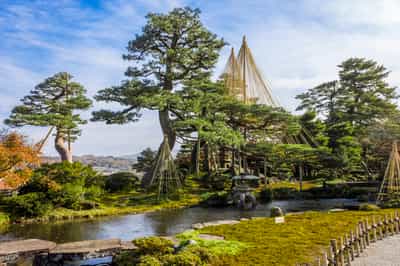
Often nicknamed the 'Little Kyoto', Kanazawa is a well-preserved cosmos of traditional Japanese culture. One of its crown jewels is the meticulously maintained Kenroku-en, one of the 'Three Great Gardens' of Japan, which blooms with cherry blossoms in spring and becomes a snowy work of art in winter. The city is also renowned for its bustling Omicho Market, the imposing Kanazawa Castle, and the charming tea house district of Higashi Chaya. You'll also discover a flourishing artistic scene, with workshops offering a glimpse into age-old crafts such as gold leaf making, Kutani porcelain and Kaga-yuzen silk dyeing.
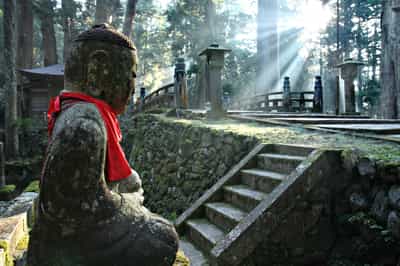
Arriving in Koyasan (Mount Koya) feels a little like stepping through a portal into another, mystical world. The doors to the cable car open to a forested plateau, 800 metres up in the mountains of Wakayama, where over 100 temples have kept the flame of Shingon Buddhism burning since 816, and where monks still rise before dawn to chant sutras by candle light. Stay overnight in a temple lodging and you're invited to join them, shuffling into morning prayers while the mist curls and plumes through the cedars outside. By day, wander the moss-covered paths of Okunoin, Japan's largest cemetery, where 200,000 tombstones lead to the mausoleum of Kobo Daishi – believed by devotees to be not dead, but simply still meditating. Come evening, sit cross-legged before a tray of shojin ryori, the iconic vegetarian dish of the region. And for afters, it’s all about the silken goma-dofu – a custard-like creation of ground sesame and kudzu starch – that is reason enough to make the journey.
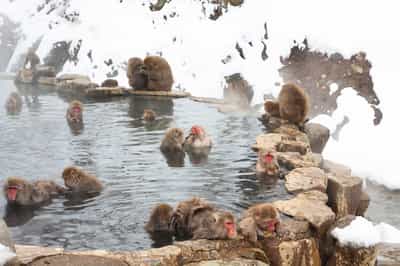
Tucked into the foothills of the Japanese Alps, Yudanaka and its neighbour Shibu Onsen have drawn pilgrims, poets and weary samurai to their therapeutic waters for over 1,300 years. The haiku master Issa Kobayashi was so taken with the place he was given a house here – and you'll understand why on a wander through the lantern-lit streets as steam curls from the doorways. At your ryokan, you’ll be handed a brass key that unlocks the town's nine public soto-yu, each with its own mineral composition and curative claims. Collect a red stamp at each bath and then climb the steps to Shibutaka Yakushi shrine for the final seal to fulfill a tradition locals believe wards off illness and brings long life. And to complete the scene, follow a forest trail to Jigokudan, where wild macaques have been soaking in volcanic pools since 1962 – quite possibly the only hot spring regulars more committed than the pilgrims.
Ringed by the Japanese Alps and just 80 minutes from Tokyo by shinkansen, Nagano feels like a different Japan entirely. This is where soba-kiri was thought up, the 1,400-year-old Zenkoji Temple welcomes pilgrims into a pitch-black underground passage to touch the 'Key of Enlightenment', and macaques bathe in steaming onsen pools. The black-walled Matsumoto Castle – Japan's oldest surviving five-tiered tower – anchors a cultured city of craft storehouses and mineral springs, while up in Togakushi, soba restaurants serve noodles in five neat bundles on handmade bamboo trays, one for each sacred shrine in the forest above. Winter brings world-class skiing and spring sees cherry blossoms against castle backdrops. But in the end, Nagano's real draw is the depth that is behind every spectacle…
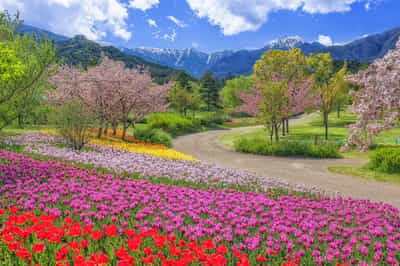
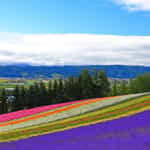
Japan's northernmost major island is a place of deep and beautiful contrasts, transforming from endless acres of colourful blooms into a snowy wonderland, season by season. With a relatively sparse population, Hokkaido is the place to go to escape the hustle and bustle of Japan's metropolises. A vast expanse of virgin forest, the Daisetsuzan National Park is a sanctuary for wildlife including brown bears, Ezo red fox and the splendid Blakiston's fish owl; and offers endless hiking possibilities. Then there's Sapporo, the region's capital, known for its festive food scene - be sure to partake in its fantastic seafood and local brews, beautiful parks and the renowned Snow Festival.
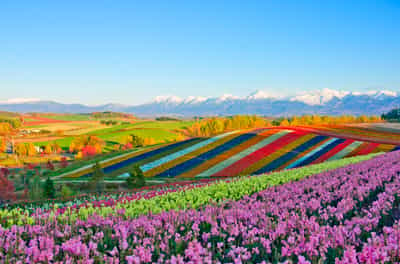
Set against a ridge of undulating mountains, a sprawling city rises quite unexpectedly. The capital of Hokkaido, Japan's northernmost island, Sapporo is a city of great contrasts. By day, visitors meander amongst its broad, tree-lined boulevards and art-filled parks, before the evening erupts with neon lights throughout the city; stop for a glass of Sapporo's famous beer, paired with succulent seafood or Genghis Khan (Jingisukan), a favourite local mutton dish. You can even take a look around the Sapporo Beer Museum, which is housed in a brewery dating back to the Meiji period. Sapporo's biggest claim to fame is its annual Snow Festival, when the city transforms into a winter wonderland filled with ice and snow sculptures. The city is also a gateway to many of Hokkaido's outdoor pursuits like hiking, skiing and soaking in bubbling hot springs — the view is sensational.
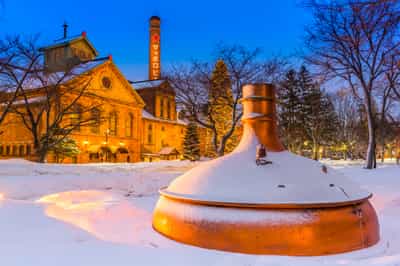
A brooding (in the volcanic sense) and underrated island at the southern end of Japan, Kyushu is a dreamy destination for those who think they’ve “done Japan”. Every corner of the island brings something different to the table (and it’s one laden with Hakata ramen), whether you’re seeking a little history in Nagasaki, life inside one of the world’s largest active calderas, or the onsen-strewn landscape of Beppu. Happily, it’s also rather easy to make your way from place to place, discovering the unique landscapes and culture shaped by years of isolation from mainland Japan and early interactions with European travellers. A place of samurais and sand baths, volcanic cuisine and castles, Kyushu is truly and wonderfully authentic.
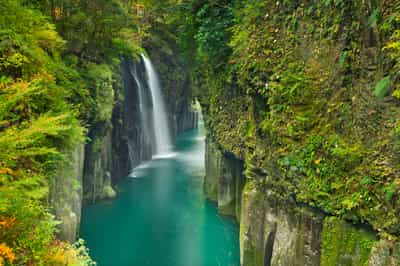
Dubbed the 'Art Island', Naoshima has become a unique open-air museum, its picturesque landscape dotted with sculptures, whimsical installations and artistic spaces. A breeding ground of creativity set in the Seto Inland Sea, the island's contemporary art and architecture intertwines with its bucolic scenes of rice fields and wave-lapped beaches. Iconic pieces by Yayoi Kusama — their yellow pumpkin has become synonymous with the island — and the architectural works of Tadao Ando are highlights, while the Art House Project has brought life back into traditional village homes. The Benesse House Museum moonlights as a hotel, inviting guests to engage with the island's artistic soul.
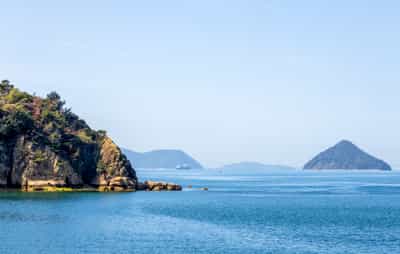
Nestled on the northern island of Hokkaido, Akan-Mashu National Park is a spectacular vision of volcanic hot springs, pristine forests, and crystal-clear lakes. This untouched wilderness is home to the magnificent Lake Akan, famous for its marimo (algae balls) and breathtaking vistas. The park offers a whole host of outdoor activities such as hiking, canoeing, and winter sports, alongside opportunities to immerse yourself in the culture of the indigenous Ainu people. From the mysterious, fog-laden Lake Mashu to the active volcanoes that shape this landscape, Akan-Mashu is a testament to nature's artistry and power.
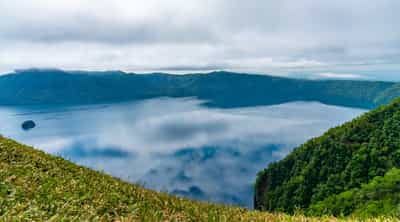
Where the northeastern tip of Hokkaido juts out into the Okhotsk Sea, the Shiretoko Peninsula is characterised by its dramatic, untamed beauty and natural phenomena. Recognised as a UNESCO World Heritage Site, it boasts a rich ecosystem where unique wildlife dwells including rare birds and brown bears — it is one of the few places where you can easily spot them! One of the best (and only) ways to see the northernmost coastline is by cruise where you can take in the breathtaking scenery and even spot orcas that frequent its waters. The peninsula is famous for its hot springs, waterfalls, lakes and the unique phenomenon of drift ice that can be observed in winter. Shiretoko is an ideal destination for those seeking to explore the great outdoors, offering activities from hiking and wildlife viewing to icebreaker ship cruises.
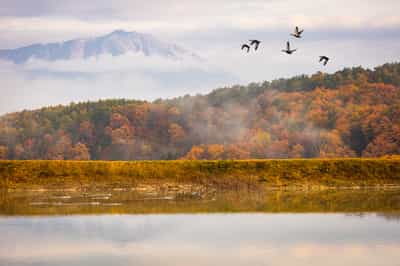
Located in the heart of Hokkaido, Daisetsuzan National Park is Japan’s largest national park, often referred to as the 'Playground of the Gods'. This vast wilderness is a sanctuary encapsulated by rugged mountains, pristine forests, and volcanic landscapes, offering endless opportunities for adventure. The park is a haven for trekkers, wildlife enthusiasts, and anyone seeking solitude amidst nature’s grandeur, especially amidst the splendid Sounkyo Gorge. With its hot springs (and ryokans), crystal-clear lakes, and the earliest arrival of autumn colours in Japan, Daisetsuzan is a testament to the raw beauty and seasonal diversity of Japan.
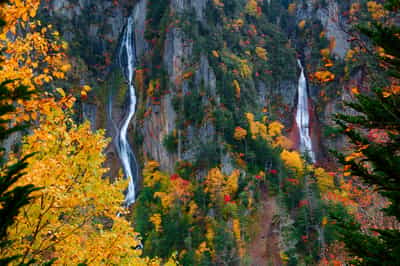
Nestled in the Japanese Alps, this winter wonderland transforms into a remarkable summer escape, offering far more than just world-class powder. Ancient mountain temples peek through mist-shrouded valleys, while traditional ryokans serve up steaming bowls of soba alongside outdoor hot spring baths. Beyond the slopes, you'll discover mountain hamlets where artisans still craft wasabi by hand, and hidden trails lead to snow monkeys soaking in thermal pools. The legacy of the 1998 Winter Olympics lingers in world-class facilities, but it's the authentic Japanese mountain culture that truly captivates.
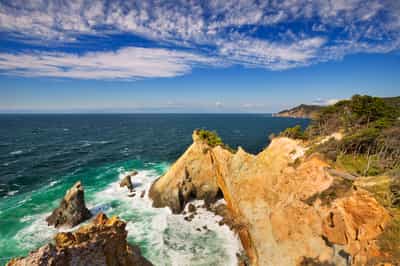
A snappy bullet train ride away from Tokyo, the Izu Peninsula is nature showing off. Formed almost 600,000 years ago thanks to a chain of submarine volcanoes colliding with mainland Japan, the result is a totally surreal landscape of hot springs, subtropical beaches and dramatic cliffs. Everywhere you look, the ever-changing vistas defy belief, whether you’re on the southernmost tip where Japan’s isolation ended, the 1,200-year-old onsen town of Shujenzi – aka, Izu’s ‘Little Kyoto’, or Suruga Bay (Japan’s deepest) where Mount Fuji reflects across the indigo waters. The most adventurous travellers ditch the public transport and explore by car, where the views get even more rugged and untamed the deeper you go. Natural phenomena, world-class wasabi and pristine onsens all add up to one fabulous vision of Japan.
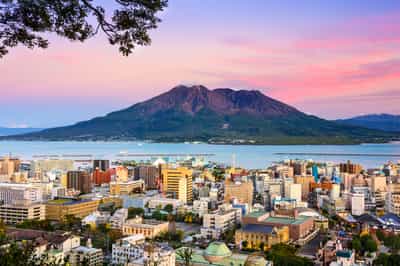
Kagoshima lives in the shadow of Sakurajima, one of the world's most active volcanoes, which puffs and rumbles hundreds of times a year just four kilometres across the bay. The locals barely flinch – children wear helmets to school, yellow ash bags are distributed by the city, and the morning weather report includes an 'ashfall forecast' alongside daily temperatures. Take the 15-minute ferry (it runs 24 hours a day) and you'll find volcanic soil producing the world's largest radishes and sweetest mikan oranges. Back in the city, Sengan-en garden uses the smoking peak as 'borrowed scenery,' a 350-year-old design trick that never gets old. This is also Japan's shochu heartland, with over 100 distilleries and a drinking culture that pairs perfectly with kurobuta black pork, proven to be seven times sweeter than ordinary pork.
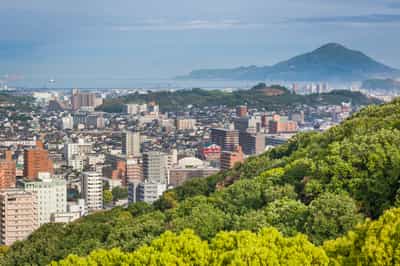
Few cities wear their history quite so comfortably as Matsuyama. Matsuyama Castle, one of only a dozen originals left standing in Japan, looks down from its hilltop perch over a town that still revolves around Dōgo Onsen, a hot spring so old it appears in eighth-century poetry and so atmospheric it's widely believed to have inspired the bathhouse in Spirited Away. The evening ritual here is worth savouring: slip into a yukata, clatter down the shopping arcade in wooden geta sandals, and soak in the alkaline waters. By day, the literary thread continues. The haiku poet Masaoka Shiki was born here, and Natsume Sōseki set his beloved novel, Botchan, amidst the city's streets. Beyond town, the beautifully preserved wax-merchant houses of Uchiko make for a lovely half-day interlude, and the Shimanami Kaido – 70 kilometres of island-hopping cycling across the Inland Sea – starts just up the road in Imabari.
Shikoku's southern province is a place where the Pacific crashes against dramatic capes, rivers run undammed, and the locals have a well-earned reputation as Japan's most enthusiastic drinkers. The Shimanto River, the country's last free-flowing waterway, is crossed by 47 low-slung bridges built without railings so floodwaters simply wash over them, a typically Kochi approach to coexisting with nature rather than fighting it. At Hirome Market, not far from the castle, stallholders sear thick slabs of bonito over roaring rice-straw flames and strangers wave you over to share tables and toast with crisp Tosa sake. Refusing isn’t an option! Sunday mornings belong to the Nichiyōichi, a kilometre-long street market that has run continuously since 1690, and a detour to Kitagawa Village reveals the only garden outside France legally bearing Monet’s name. This is the Japan that few visitors see, and it's all the better for it.
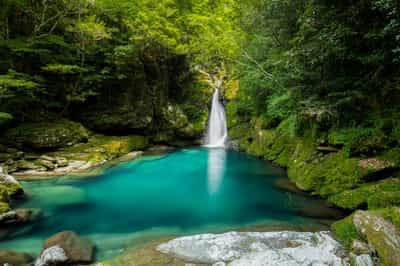
Isolated from the rest of Japan for many, many decades, Nagasaki was once the most ‘global’ city in the country, with European and Chinese ideas and cuisine becoming a part of its multi-layered fabric. In fact, a steaming bowl of Nagasaki champon tells that story better than anything else. If you’re really into your history, then a visit to Oura Church, Japan’s oldest Christian church is a given, while the restored Dejima Island makes for a fascinating walkabout whilst the Nagasaki Peace Park is a reminder of the past while championing hope for the future. For the absolute best view of Nagasaki (especially at sunset), ride the ropeway to the summit of Mount Inasa as the sky shifts from orange to purple.
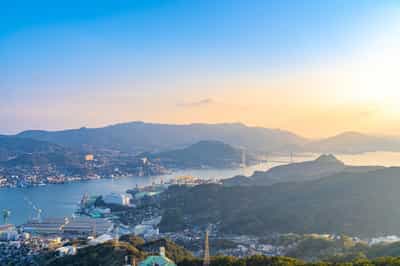
Takeo Onsen has been soothing tired limbs for over 1,300 years, though you'd hardly know it from the lack of crowds. The vermilion Romon Gate – designed in 1915 by the same architect behind Tokyo Station and constructed entirely without nails – declares your arrival in suitably dramatic fashion. Beyond it, the Motoyu bathhouse, welcoming bathers since 1876, is all high wooden ceilings and stone tubs that are virtually unchanged. The water here is alkaline and impossibly smooth, known locally as bijin-no-yu or “the beauty bath.” Alternate between the 'hot' and 'lukewarm' pools as the regulars do, then perhaps rent the marble-lined Tonosama-yu where samurai legend Miyamoto Musashi once soaked. A short walk through bamboo groves leads to a 3,000-year-old camphor tree at Takeo Shrine – pure Studio Ghibli territory.
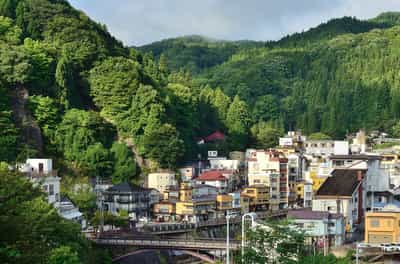
A result of the cities of samurai Fukuoka and merchant Hakata merging in 1889, Fukuoka has a split personality, and wears it well. The samurai won the naming rights but the merchants kept everything else – the food, the dialect, the festivals – and it’s that spirit that still hums through the yatai stalls of Naka River where tiny wooden kitchens dish up Hakata's famous tonkotsu ramen. Order your noodles barikata and ask for kaedama when you're ready for seconds – that's how the locals do it. But there's much more beyond the broth… Wander the temple district behind Hakata Station and you'll find Shofukuji, Japan's very first Zen temple, founded in 1195, whilst nearby Tochoji houses the country's largest wooden seated Buddha, all 30 tonnes of him. A short train ride will bring you to Dazaifu Tenmangu where students have prayed for exam success beneath 6,000 plum trees for over a millennium. This is the Japan you didn't know you were looking for.
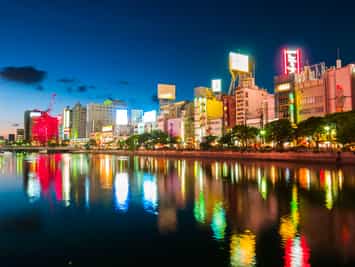
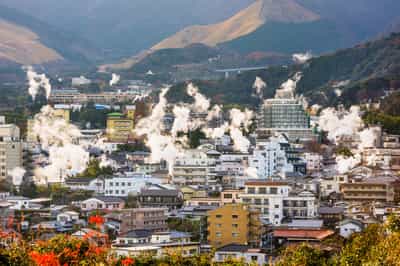
Beppu produces more hot spring water than anywhere else on earth, bar Yellowstone and the locals have been finding creative uses for it since a wandering monk tamed the volcanic 'hells' in 1276. The Kannawa district is where the magic concentrates: steam curls from drains and chimneys, corner shops sell sweet potatoes cooked in geothermal vents, and tiny neighbourhood baths charge a couple of hundred yen for waters that would cost a fortune elsewhere. Try the mushiyu at Kannawa – an eight-tatami stone chamber where you’ll sweat (sweetly) on a bed of medicinal sekisho herbs – or Takegawara's sand baths, where attendants bury guests in naturally heated volcanic sand. Unlike more manicured onsen towns, Beppu takes pride in its role as a geothermal oddity and even welcomes inked visitors.


Namibrand, Namibia