Planning Guides
Peru Country Guide
Ancient mysteries & dreamy landscapes…This is Peru.

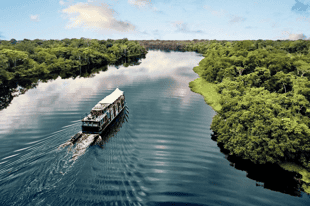
In Peru, aiming for a visit in the dry months - May to October - works well for most destinations. This time of year enjoys the best trekking conditions with no water-logged trails and cooler temperatures so Machu Picchu, the Sacred Valley and areas surrounding Lake Titicaca are definitely on the cards. However, the rest of the world thinks so too and tourist numbers are high, so EARLY booking is crucial. As the year comes to an end, the cloud forests become a flurry of birdlife and orchids. December to March bring the rain and heat to most of Peru, so it's a good time to head to the coast, which enjoys a cooler ocean breeze and pleasant weather. Get to know Lima and explore the desert region of Paracas - and its surreal geoglyphs. Although the Amazon receives high rainfall, it is beautiful at this time of year and there are usually breaks in the showers.

Wet Season — a good time to visit
January is a month of contrasts: the highlands are deep in the wet season, but the coast is in full summer mode. It’s a great time for beaches (particularly if you enjoy surfing), and an atmospheric one for the Andes if you don’t mind a little rain.
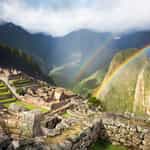
Machu Picchu doesn’t need any help creating an ethereal atmosphere, but this time of year, with lush greens, clouds floating through the ruins, and waterfalls bursting over nearby cliffs, is one of the most beautiful.
At Trujillo’s Marinera Festival, Peru’s national skirt-swirling and handkerchief-twirling dance takes centre stage alongside displays of Peruvian Paso horsemanship. It’s a vibrant celebration of coastal culture and a visually striking display.
Wet Season — a good time to visit
Similar to January, it’s still wet in the Andes but hot and sunny along the coast. It’s not the obvious month for trekking but Lima is beautifully warm, making it the ideal base for coastal explorations and long lunches that spill into the evening.
Every February, the Inca Trail closes for maintenance, but Machu Picchu is still perfectly accessible by train and is quieter than any other time of the year. It's a little wet, yes, but it’s a private and intimate time to hike.
Another February highlight is the Colca Canyon, one of the world's deepest gorges. It’s full of lush greenery and condors ride the thermals above the terraced valley walls. It's a real highlight of a Peru trip - and you'll have the viewpoints to yourself.
Wet Season — a good time to visit
March is the tail end of the wet season. The Andes are still lush and the northern coast at its absolute best. It’s a great month to balance beach time (particularly on the northern coast) with some of Peru’s more dramatic natural landscapes.
If you haven't heard of Gocta Falls, you're not alone - but in March, it should definitely be on your radar! The 771-metre waterfall is spectacular at any time of year but in March, it’s at peak flow, thundering with mesmerising authority.
In Ica, the Festival de la Vendimia celebrates over 400 years of winemaking with a week of festivities, from grape-stomping to lively parades and plenty of pisco tastings! It’s a fun and slightly chaotic insight into Peru’s wine and pisco culture.
Wet Season — a good time to visit
In April, the weather in Peru turns a corner. The rainy season retreats, afternoon showers become increasingly half-hearted, and the highlands reveal themselves in all their juicy, post-rain glory.
Humboldt penguins on the Ballestas Islands begin breeding in April and with nesting underway, the colonies take on a somewhat more purposeful energy. Combine a visit with time in the extraordinary landscapes of Paracas National Reserve next door.
Easter is celebrated across Peru, with processions and celebrations taking place in cities from Cusco to Arequipa. In Ayacucho, it’s marked by 10 days of candlelit vigils, music and processions - quite a sight if you’re in the region.
Dry Season — one of the best times to visit
May is one of the best months to visit Peru. The rains have eased, landscapes are still lush, and conditions are near-perfect across most of the country. If someone asks us when to go, May is never far from the answer.
May is a month that works almost everywhere, from the Sacred Valley and Machu Picchu to the Colca Canyon and even the edges of the Amazon, making it ideal for a classic, well-paced Peru itinerary.
The Inca Trail hits its stride in May. It’s dried out from the wet season, fringed in green, and still blissfully quiet before the crowds of July and August. Up at Colca Canyon, clear morning skies generate thermals that bring the condors out in force.
Dry Season — one of the best times to visit
June marks the start of the dry season in earnest, with clear skies across the highlands and some of Peru’s most important festivals in full swing.
Inti Raymi, the Inca Festival of the Sun and one of the largest cultural celebrations in South America, takes over Cusco. The spectacle fills the plazas and streets with costumed dancers, ceremonial processions and an infectious energy.
Off the beaten track, head to the remotest reaches of the Cusco region. The Qeswachaka bridge is rebuilt each June by local communities using ancient Inca techniques. It’s an extraordinary tradition, though visiting requires a deliberate detour.
Lake Titicaca settles into the dry season, with up to ten hours of sunshine and a stillness that makes the whole altiplano feel suspended in time. You are at 3,800 metres above sea level, however, and nights can be bitterly cold.
Dry Season — one of the best times to visit
In July, Peru hits its stride. The dry season is in full swing, bringing clear skies, mountain views and some of the best trekking conditions of the year. It’s a brilliant time to be in the Andes and the landscapes are at their most accessible.
In the Cusco region, Rainbow Mountain is incredibly striking in July when the dry, clear conditions reveal the full intensity of its striped “rainbow” slopes. It’s an early start and a high-altitude hike, but the colours are as vivid as the photos.
The Amazon’s water levels begin to drop, wildlife concentrates around shrinking water sources, and sightings of giant river otters – the Amazon's most charismatic residents – start to become more reliable.
The Virgen del Carmen celebrations at Paucartambo (July 15-18) is one of Peru's great hidden festivals. Masked dancers fill the streets, while the Saqras, mischievous devil figures, scramble across rooftops in a dramatic, days-long performance.
Dry Season — one of the best times to visit
August is still dry season and the skies are reliably clear. Conditions across the highlands are excellent, but this is peak travel time and the sights are busier. Step slightly off the main circuit and you’ll still find Peru at its most rewarding.
Head to Peru's northern coast in August to see humpback whales breaching, tail-slapping and nursing calves in the water. Truly, this time of year can feel more like a wildlife documentary than real life in the ocean.
Andean communities dedicate the month of August to Pachamama or Mother Earth, with offerings and ceremonies that have been performed for centuries. August 1st is Pachamama Day specifically, when despacho rituals take centre stage across the highlands.
Dry Season — one of the best times to visit
September is one of our favourite months to visit Peru. Conditions are excellent and the highlands are still clear and accessible, but the peak season crowds have begun to thin and prices are softening.
At Huembo Reserve, you might be lucky enough to spot the Marvellous Spatuletail hummingbird, a species so absurdly beautiful with two long racquet-tipped tail feathers longer than its body, that first-time viewers often assume they've imagined it.
Dry Season — one of the best times to visit
October is a transitional month. The coast is brightening but much of the country is between seasons. Lima is still wrestling with its famous garúa coastal fog, but whilst it hasn’t fully lifted, the temperatures are creeping up.
October in Lima is also defined by Señor de los Milagros, one of the largest religious processions in the Americas. For weeks, the city turns purple as thousands of devotees follow the Cristo Moreno through the streets.
Wildlife-wise, the South American fur seals are gearing up at Paracas National Reserve and the Ballestas Islands, with territorial behaviour and courtship displays intensifying ahead of their breeding peak (November to January).
Wet Season — a good time to visit
Lima's beach season is officially open. Coastal skies begin to clear, temperatures rise and the city exhales after months of grey. Head south to Paracas or north to Máncora – both are calling.
The Amazon is transitioning back to wet season, and the forest responds immediately: fruit appears, macaw activity at the clay licks intensifies, and rising water levels begin reopening the flooded forest channels that the canoes have been waiting for.
Wet Season — a good time to visit
While much of the country gears up for the festive season, December is a good time to explore Peru’s quieter corners. Head to the thundering Gocta Falls, enjoy Arequipa's grandeur without the queues, and witness Lake Titicaca as its most dramatic.
The rainy season returns to the highlands, bringing afternoon showers to the high country. Mornings, however, typically remain clear – enough time to visit the major sites before the clouds roll in.
Machu Picchu's crowds have receded. In their place is morning mist curling through the ruins, dramatic clouds and vivid green terraces. Some argue this moody version of the citadel is more beautiful than the postcard. We'd be inclined to agree.


Get advice and suggestions to make this your perfect trip.
or call us on: +1 (646) 542 0667
11 Condé Nast Traveler Top Travel Specialists 2026

No. 1 & No. 2 Tour Operator in Travel + Leisure's Best Awards 2024 & 2025

Best Booking Platform in Women's Health Travel Awards 2025

Travel Specialist voted as Latin America A-List Travel Advisor 2025

"Timbuktu can take relatively complex and slightly amorphous travel plans and transform them into a well-organized, perfectly tailored trip."








.jpg)
.jpg)