Travel and Leaisure Worlds Best Awards for number 1 tour operator in the world 2024 and number 2 tour operator in the world 2025
We're one of the World's Best Tour Operators!
Voted No.1 in 2024 and No.2 in 2025 by Travel+Leisure
Experiences

What to do in Tanzania

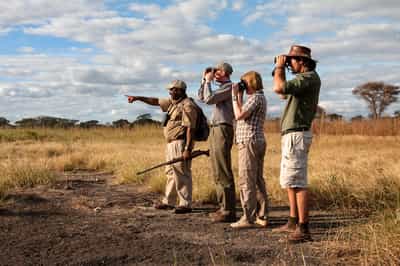
Track wildlife on a guided walking safari in Tarangire

Tarangire has a rare water source flowing through the area, drawing in great herds of elephant and other wildlife. This, combined with mild weather conditions creates the ideal environment for walking safaris. Spend anything from a morning to a couple of nights on foot, as a trained guide leads you on an interpretive wilderness journey, examining all the links, from the Siafu ants to the mighty bull elephant, in the circle of life.

Track Nyerere's wildlife on a game drive

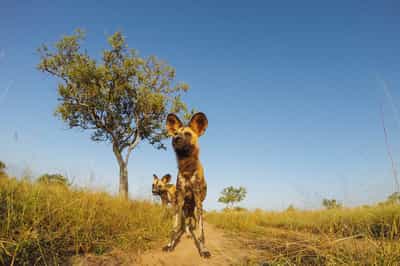
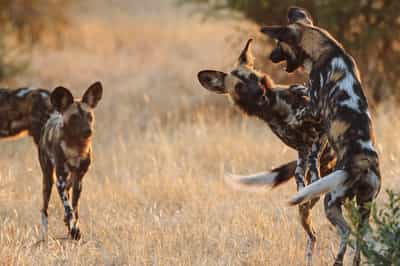
The vast Selous Game Reserve is one of Africa’s largest wilderness areas, and the perfect habitat for the infamous and energetic wild dogs. Even better, time a safari to see the dogs with their puppies at a den site from May to June, where the puppies come out in the mornings and evening to play and feed, providing amazing photographic opportunities. In the drier months between may and October, antelope and other prey species tend to concentrate around the water sources, making this a great time to see other predators, such as lion and leopard, too.

Track the wild dogs in Ruaha

African wild dog are a favourite amongst many safari enthusiasts across the globe. This highly endangered and rarely-seen carnivore can be difficult to find at the best of times. June is characterised by hot, still days, low humidity, low rainfall and more importantly; the perfect opportunity to encounter these animals. Head to the Ruaha National Park of Tanzania for the African wild dog denning season and dramatically increase your chances of meeting this charismatic animal.

Summit Kilimanjaro

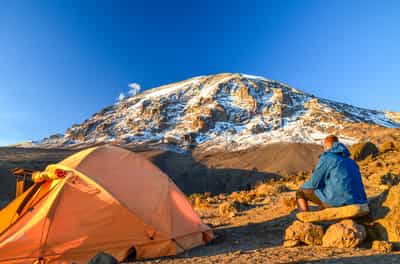
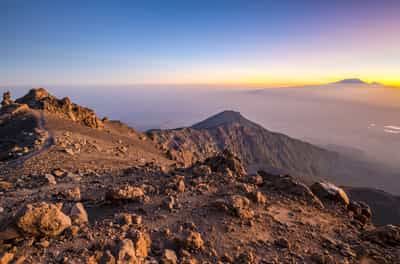
Africa’s highest mountain is certainly no walk in the park. Standing close to the equator and yet maintaining a permanent snowcap, you know that summiting this dormant volcano is not for the faint of heart. Several days of hard fought trudging carries you away from the game plains, landing you at 5,895 metres just in time to take in the most spectacular sunrise you’re ever likely to witness. Hundreds of kilometres of flat savannah with dotted lakes, silver in the slanting morning sunlight, stretch away from your feet and add to the dizzying high of having conquered perhaps the most handsome of the ‘Seven Summits’.

Explore Lake Katavi

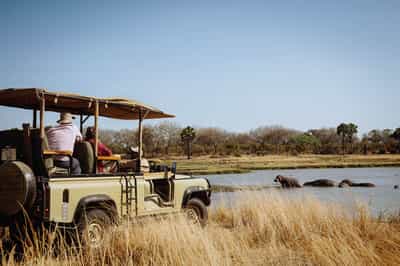
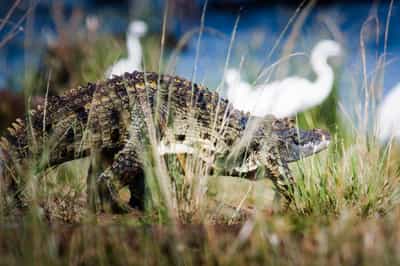
The main focus for game viewing within the park is the Katuma River and associated floodplains such as the seasonal Lakes Katavi and Chada. During the rainy season, these lush, marshy lakes are a haven for myriad waterbirds, and they also support Tanzania’s densest concentrations of hippo and crocodile. Take a thrilling game drive in search of the huge herds of buffalo, zebras and impala around the drying lakes. Near Lake Katavi, visit the tamarind tree inhabited by the spirit of the legendary hunter Katabi (for whom the park is named)—offerings are still left here by locals seeking the spirit’s blessing.

Hike the slopes of Mount Meru

The bustling town of Arusha sits in the shadow of Mount Meru, an active volcano and the second highest peak in Tanzania. Take a trip into the Arusha National Park and hike Mount Meru’s slopes, where you will encounter a variety of interesting wildlife species—a startlingly diverse environment with amazing views of Kilimanjaro. Enjoy hiking along the crest of the crater rim, with distant, views of Kilimanjaro from the summit, and the ability to see a lot of wildlife on the lower slopes in the form of a walking safari. This is also a chance to escape the tourist crowds.

Rubondo Rarities

Rubondo’s remarkable natural beauty has earned the area the nickname ‘Noah’s Ark’, because of the incredible diversity of animals on the islands. With a shoreline full of sunbathing hippos and crocs, the island is also a haven for endangered chimps who live in the lush forest canopy. The forest also hosts elephant and giraffe. It can get hot in this tropical paradise, which is why November is a good time to go. It’s less humid, fewer mosquitoes and fewer people to compete with at the lodge.

Snorkel with whale sharks in Mafia Island

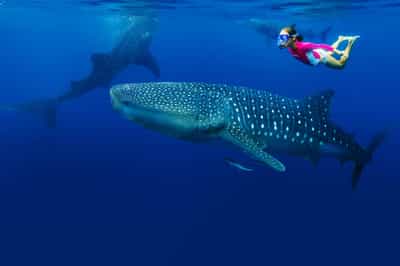
Encounter docile whale sharks with nothing but a snorkel and flippers
Visit Mafia Island between October and March to swim with whale sharks, the world’s largest known fish species, as they slowly migrate north. Take a boat out from the island to the deeper water and then jump in with snorkel and fins and float beside these gentle giants as they open their mouths and feed on plankton, completely relaxed by your presence. The water is clear and warm in this part of the Indian Ocean, and you can spend hours enjoying the company of these great animals. Head back to the island and end your day with cocktails and a tropical sunset, a life-changing experience that will stay with you forever.

Sail a dhow at sunset

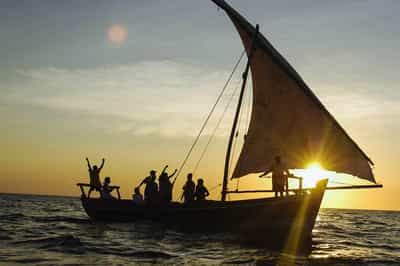
Pemba’s lush, undulating interior is beautiful and wild, but nothing compared to the tropical waters that surround it. Here, fisherman craft handmade traditional sailing boats called dhows using mango wood and invite you to experience sailing their way. They can take you on a day trip to a secretive sandbank to enjoy a picnic lunch on powder sand, watch the sunset from the open ocean or jump right in and snorkel the colourful reefs that surround this quiet, castaway island.

Photography: Flamingoes and colours of solitude

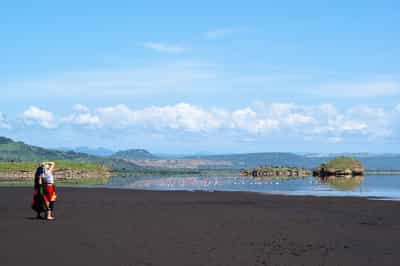
Lake Natron borders Kenya and Tanzania, though it is best viewed from the Arusha region of Tanzania. Natron is a desolate soda lake with high alkalinity, often producing a wonderful explosion of colour. Although no aquatic wildlife can be found here, flamingoes thrive off the lake’s algae and breed in their hundreds. The magnificent Oldoinyo Lengai rises behind the lake and coupled with the expansive, colourful waters and hundreds of flamingoes landscape photographers are in their element.
Previous Next
-119 - -90 of 100 experiences
Where To Go
Pin Icon

Namibrand, Namibia