Travel and Leaisure Worlds Best Awards for number 1 tour operator in the world 2024 and number 2 tour operator in the world 2025
We're one of the World's Best Tour Operators!
Voted No.1 in 2024 and No.2 in 2025 by Travel+Leisure
Destinations

Where to go in Tanzania

Storybook wildlife reserves, sun-bathed islands and Africa's tallest peak await you in one of our trips to Tanzania.

Serengeti

Home to the iconic Great Migration, endangered rhino, predator-filled plains and game drives galore.

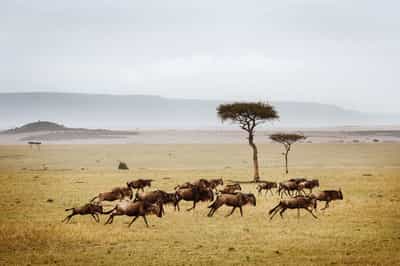
Spanning an area of 30,000 square kilometres in northern Tanzania, the Serengeti is quintessential Africa. Expect acacia plains that roll to the horizon, china-blue skies, seas of waving grass, and exceptional densities of wildlife. The annual Great Migration with millions of wildebeest thunders across the savanna, followed by hungry predators picking off the weak and young. It’s not hard to see why the Serengeti is one of the most popular parks on the continent. But not to worry, we know exactly where to go to beat the infamous crowds on a trip to Serengeti National Park.
Ngorongoro Crater

The jewel in Tanzania’s crown where the Big Five roam free and there’s an animal around every corner.

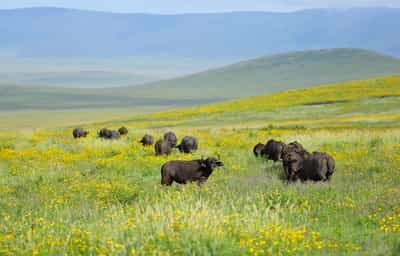
Wildlife wonderlands don’t get much better than the Ngorongoro Crater, possibly one of the most iconic animal-viewing areas in the world. A UNESCO World Heritage Site (and with very good reason), the cavernous bowl-shaped crater is in fact a caldera, formed two to three million years ago when a large volcano exploded and collapsed in on itself. Today, the flat floor is covered in nutritious grasses and home to an unprecedented number of black rhino as well as black-maned lion, magnificent tuskers and smaller plains game, but surprisingly no giraffe. We’ll leave you to ponder why when you visit!
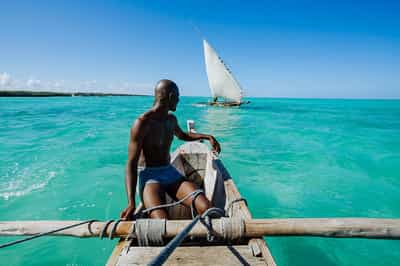
Zanzibar

Flaming sunsets, sandy beaches and luxe hotels are easily accessible on a classic Zanzibar getaway.
Zanzibar is a melting pot of cultures and tradition. A traditional trading point on the east African spice route, the island is famous for its vast spice farms and beautiful azure beaches. Stone Town is a bustling and unique little town with thin cobbled streets and thousands of vendors selling everything from fabrics to tasty food. There are many pristine islands surrounding Zanzibar if you are looking to disappear completely, and day trips to the bigger island of Pemba is a must. A combination of African, Arabic and eastern influences make Zanzibar a real cultural treasure. We just love it.

Lake Manyara

Compact and pretty, come to Manyara for a safari in a microcosm and excellent birding too.
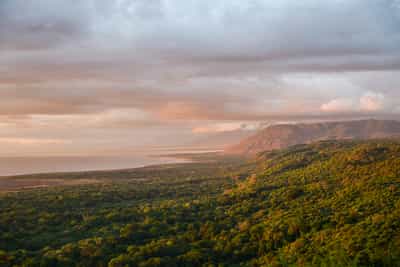
At 325 square kilometers, Manyara National Park is certainly small by Tanzanian standards, but don’t let that put you off. It is, quite simply, stunning. Bordered by the dramatic Rift Valley escarpment, the rest of the park is a pretty medley of grassy floodplains, enchanting evergreen forest, acacia woodland and twinkling groundwater springs. Then there’s the piece de resistance, Lake Manyara, a glittering and iridescent alkaline pool that expands and contracts with the seasons. And there's a collection of down-to-earth and rather luxurious Lake Manyara safari camps to boot!

Tarangire

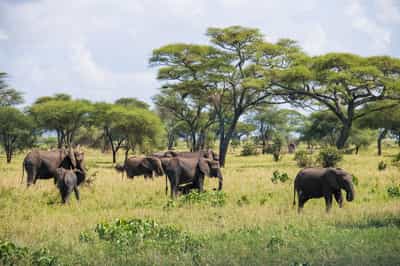
Battalions of baobabs and mighty herds of elephant make for a superb stop-off on your safari circuit.
We won’t blame you if you haven’t heard of Tarangire. This small, uncrowded and exceptionally game-rich park, just south of Lake Manyara in the northern region of Tanzania, is still relatively unknown. Famous for vast herds of elephants and buffalo and a rugged and diverse landscape characterised by battalions of baobab trees, the park is unlike any other on the Northern circuit. Big cat sightings are frequent and in the dry season the Tarangire River provides a crucial water source, attracting animals for miles around. Step off the beaten track and pay Tarangire a visit; you definitely won’t be disappointed.
Nyerere National Park

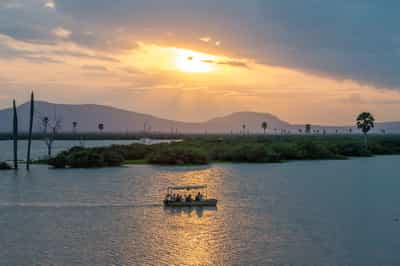
A lush and watery wonderland with some of the best boating safaris on the continent.
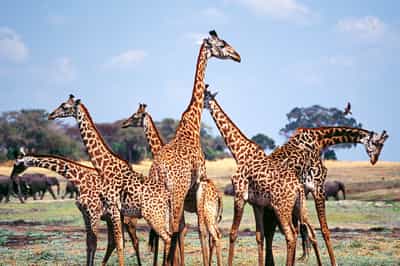
The largest reserve in Africa, the Nyerere National Park (formerly Selous Game Reserve) is a tangled wilderness of volcanic springs and vast gorges; of open savannah and wooded escarpments; of bleached-sand riverbeds and the mighty Rufiji River. With such diversity, the landscape is home to an extraordinary number of mammals, including buffalo, zebra, elephant and an impressive giraffe population. And with lots of food around, predators are also well represented, including the infamous Selous lion with their unique pattern of day-time hunting. With boat trips, walking safaris and night drives all on offer, this is a hidden gem that is well worth discovering.

Ruaha

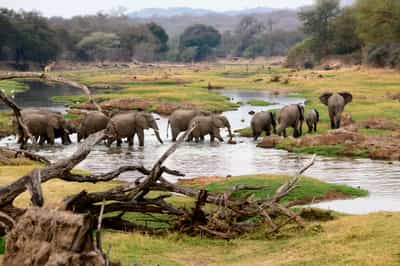
Escape the crowds in this rugged park where 10% of the world’s lion roam amongst the mighty baobabs.

If, like us, you are forever looking for the next truly wild destination, Ruaha might just be the place to end your search. You won’t find hordes of tourists here (in fact, there aren’t many camps, either!) but what you will find are vast herds of buffalo, the largest population of elephant in any Tanzanian national park, numerous leopard and 10 percent of the world’s lion population, making for the perfect Tanzania safari trip. The dramatic landscape represents both the eastern and southern biomes of the continent and spiky palm trees jostle for space with squat baobabs while vast savannahs contrast with dense miombo forests. This is Africa at its breathtakingly beautiful best.
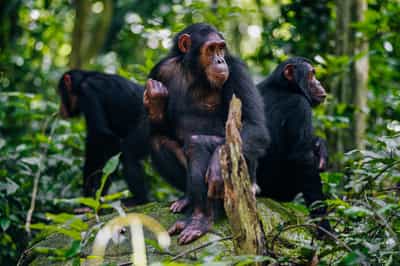
Mahale Mountains

Search for shrieking chimpanzee and swim in the gin-clear waters of Lake Tanganyika.
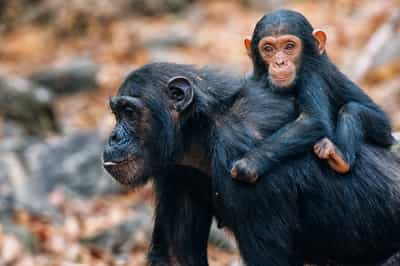
On the eastern shore of Lake Tanganyika, towering high into the clouds, are the jagged peaks of the Mahale Mountains. Covered in lush jungle forest and speckled with sparkling streams and waterfalls, the mountains are enchanting and home to a variety of mammals. But the real highlight is the chimpanzees. There are around 1000 living in the area and the Mimikire group have been habituated to humans, meaning intimate, personal and quite frankly life-changing encounters. And if you still have some energy, spend time exploring the crystal clear waters of the Lake while snorkeling and canoeing amongst the rainbow coloured fish.

Kilimanjaro

Climb the continent’s highest peak, snow-capped Kilimanjaro, and touch the roof of Africa.
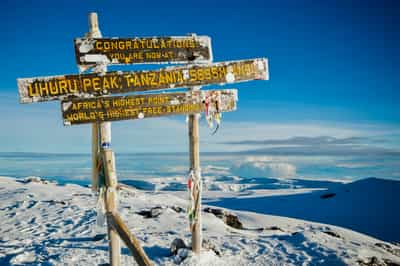
Looming proudly from the grassy plains of Northern Tanzania is Mount Kilimanjaro, Africa’s highest peak and the world’s tallest freestanding mountain at 5,895 m. With 5 distinct ecological zones on the slopes ranging from luscious rainforest to barren high-altitude desert, the mountain is one of the most beautiful and dramatic. Technically the climb isn’t a difficult one, but it can be challenging in places. But when you reach the magnificent Ulhuru Peak as dawn breaks over the icy landscape, every blister and bite pales into insignificance. We promise.

Katavi

Go remote in this splendidly secluded park and find stylish lodges, immense landscapes and good game.
A stop in Katavi reveals an untouched expanse of vast golden floodplains, burbling rivers and fragrant fig and albida forests. This relatively unknown park deep in western Tanzania is a hotspot for mammal viewing and herds of buffalo, sometimes 3000 strong, attract many predators to the area. In the dry season, elephants search for tiny waterholes in the mud-cracked pans and enormous pods of hippo squeeze into the smallest of pools. Katavi is an alluring park, seductive in its solitude, and with only 4 small camps, the immense landscape is pretty much yours and yours alone.

Arusha

Dusty, rustic and a little bit quirky, there’s plenty to do in Arusha before or after a safari.
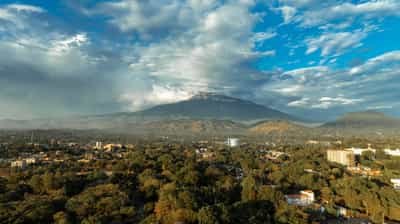
A bustling and colourful safari town, Arusha is the gateway to the Northern safari circuit and there’s always an eclectic mix of people huddled in the cafes and restaurants. Nestled in the foothills of Mount Meru, close to the Kenyan border, the town has an altitude of 1500m and is pleasantly warm year-round with crisp, clean mountain air and surrounded by astonishingly green coffee plantations. Start your day with a cup of the good stuff amidst the rows of verdant bushes, watch the Maasai in their deep red shukas and barter for souvenirs at the gaudy market stalls.

Rubondo

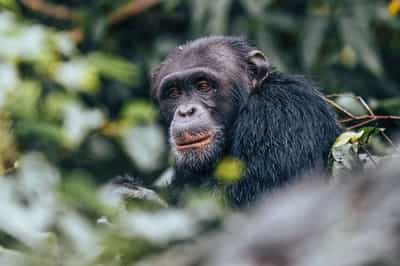
A tropical island paradise in Lake Victoria, where elephant roam and chimps shriek from the trees.
Imagine an island where herds of elephant roam wild, chimpanzees hide in the trees and shy sitatunga forage in the groves. This is Rubondo, one of the most unique and, quite frankly, remarkable ecosystems on the planet. Situated in the southwest corner of Lake Victoria, the island is 26 kms long and 10 kms at its widest. Three quarters of the 25,000 hectares (an area double the size of Manhattan!) are blanketed by pristine equatorial fauna and with only a handful of researchers, park wardens and one camp on the fringes of the forest, this is a new definition of 'untouched'.
Mafia Island

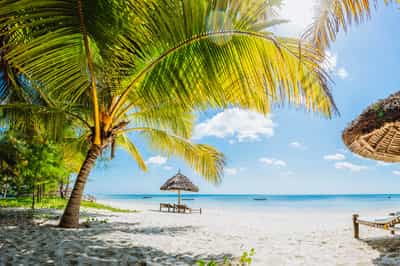
A barefoot beach break with some of the world’s best diving and a good selection of eco-chic lodges.
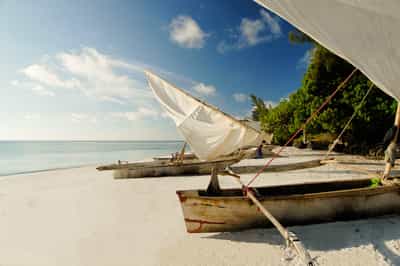
As a predominantly fishermen's island, Mafia has found an authentic balance between its humble fishing villages and world-class scuba diving and snorkelling. The balance is tangible when visitors see traditional dhows in the ocean before they dive below, their qualified PADI instructor at their side. The reefs fringing Mafia Island are of both the soft and hard variety, diversifying the species. See striking nature along winding walking trails through the island and culture further inland, or just roam the endless stretches of deserted, white sand. Thatched bungalows sink into sea sand and hammocks welcome afternoon naps under palm trees.

Pemba Island

Say hello to your inner adventurer on Pemba, a laidback island that you won’t share with many others.
Instead of beaches and loungers separating the island and the Indian Ocean, Pemba Island has amazing natural lagoons and mangroves fringing much of its coastline. There are few white, sandy beaches, but this place is known for its attractions below the water. The reefs are healthy and the Pemba Channel's steep walls diversify the exotic underwater habitat, making it a snorkelling and diving haven. Fruit and spice trees scale the mountains further inland, a contrast to the island's flatter neighbours such a Zanzibar. This is not the place to meet many other tourists, as they come in small scale. Yet not a single one leaves disappointed.

Lake Natron

A sun-scorched, shimmering lake dotted with flamingo and surrounded by an otherworldly landscape.
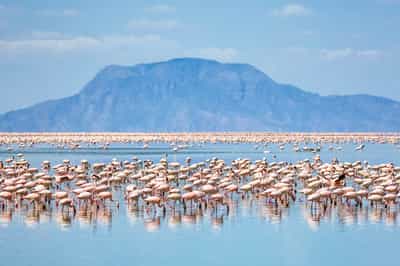
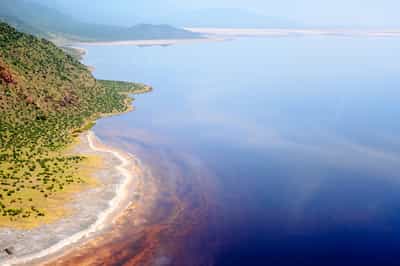
Our planet is full of surreal places and otherworldly landscapes that look as if they might belong on Mars and Lake Natron has to be near the top of the list. Although close to the Ngorongoro Crater, the area is just about as far off the beaten track as you can imagine but the drive is worth every bump and dusty sneeze. This is a sparse and arid yet achingly beautiful landscape dotted with the cracked huts of hardy Maasai and watched over by their ‘Mountain of God’, active volcano Ol Doinyo Lengai. The lake itself is a caustic soda marvel, almost 58km long and inhospitable by most wildlife apart from the powder-pink Lesser flamingo that congregate every year to breed. Extraordinary.

Lake Eyasi

The home of the Hadzabe tribe is truly captivating and offers a unique touch to an intrepid safari.
Although only a stone’s throw from the ever-popular Ngorongoro Crater, wild and beautiful Lake Eyasi receives a mere 1% of the safari traffic that its cavernous neighbour does. Perhaps it’s the lack of wildlife, or the fact that it’s incredibly remote, but we think the pilgrimage is so incredibly worth it. Why? Lake Eyasi is home to the Hadzabe people, who have called the area home for more than 10,000 years and still retain their fascinating hunter-gatherer lifestyle. A visit here will give you a unique and unforgettable insight into their extraordinary culture – a soulful human interaction that few will ever experience.

Dar es Salaam

Enjoy the eclectic mix of old and new, watch the fishing boats come in and shop for souvenirs in Dar.
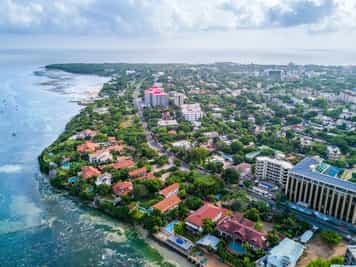
No longer the quaint fishing village of yonder years, Dar is home to 4 million people and is the administrative (but not official) capital of Tanzania. This is a city that heaves with energy, passion and contrast; vast steel tankers float alongside haphazard dhows, bicycles jostle against fast cars and a medley of British, Arabic and Indian architecture is reflected in the glittering windows of the new high-rises. For most visitors, Dar is simply a stopover city, but if you do find yourself here, enjoy the eclectic mix of cultures and the laid-back vibe.

Mwanza

A buzzing, commercial city with a chilled-out heart on the shores of Lake Victoria
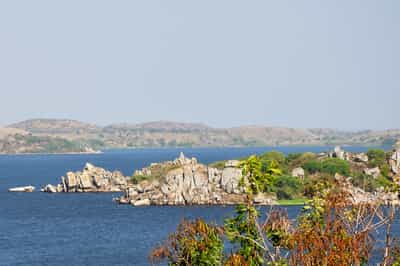
The name ‘Mwanza’ might not ring many bells, but the striking, lakeside city is the second-largest in Tanzania and an economic hub. It’s the most important port on Lake Victoria and fishing is a national pastime, both commercially and on a smaller-scale, and tiny fishing boats criss-cross the water alongside chugging ferries and trailing vessels. But it’s not all business either; if you find yourself here for a day or a night, take a stroll around the town and marvel at the rocky inselbergs in and around the streets, (the most famous is Bismarck Rock), wander with the monkeys and impalas of Saa Nane National Park or take a stroll along the lake shore, stopping for a cool drink and a natter with the locals in one of the many restaurants.
Gombe Stream

A tiny park with a world-renowned reputation for chimpanzee trekking and dose of lake-side R&R.
If you thought Tanzania was all herds of wildebeest and vast open plains, then add Gombe Stream National Park to your list. Made famous by Jane Goodall, the iconic primatologist who studied its chimpanzee population in the 1960s, the park is a tiny 52 square-kilometre paradise in the west of the country. Over 100 chimpanzees live in the jungled hills and activities are centred around trekking and watching the chimps play and interact, just as Dame Goodall did all those years ago. It’s not just about primates here, however, and Lake Tanganyika’s waters are perfect for snorkelling, sailing and kayaking, whilst the tanned beaches are simply made for a spot of R&R.
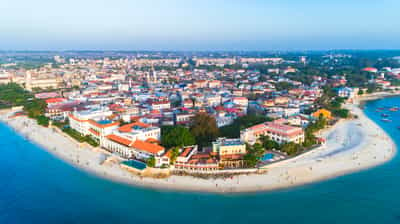
Stone Town

A time capsule in Zanzibar's capital with a head-turning maze of unique architecture and history.
A living museum where time seems to have stopped a couple of centuries ago, the higgledy-piggledy lanes and buildings of Stone Town have history etched into them. Once one of the most prolific ports in East Africa, traces of cultural and religious influences (Arab, Indian and European) entwine in the fascinating architecture, yet Stone Town has retained its quintessentially Swahili blueprint. It's very easy to get lost in a swirl of ornate Zanzibari doors, Sultanate mansions and coralline walls! Delve into the town's history at the ruins of the Old Fort, the House of Wonder, Palace Museum and the Christ Church Cathedral, which was built to commemorate the end of slavery in the location of the very last slave market in the world. And we couldn't skip Forodhani Gardens, where you can tuck into Zanzibar's famous chapattis, kebabs, seafood and tropical fruit, or a cup of Spiced Tea overlooking the ocean.
Where To Go
Pin Icon

Namibrand, Namibia