Travel and Leaisure Worlds Best Awards for number 1 tour operator in the world 2024 and number 2 tour operator in the world 2025
We're one of the World's Best Tour Operators!
Voted No.1 in 2024 and No.2 in 2025 by Travel+Leisure
Experiences

What to do in Tanzania

Track wildlife on a game drive in Arusha

Arusha may not be known as one of Tanzania's safari powerhouses, but this small, beautiful park has a lot to offer. The closest national park to the airport, you can easily make a day trip to Arusha, which sits in the scenic foothills of Mount Meru. On a game drive through the park, look out for black-and-white colobus, leopard, giraffe and a plethora of plains game. Plus, pods of hippo wallowing in the quiet, pretty lakes. On the clearest of days, you can even see the shimmering, snow-capped peaks of Mount Kilimanjaro.

Go on a walking safari along Lake Manyara

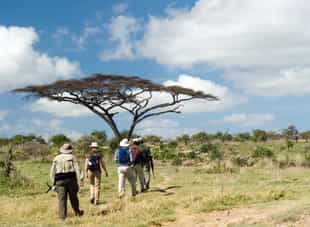
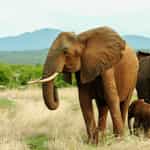
As the birds start to sing, set off to explore the Lake Manyara National Park on foot. Armed with a lifetime of knowledge, your guide will take you on a journey through grassy floodplains and lush forests where you'll spy the 'Little Five', named after their larger and more famous counterparts and track big cats, who are often found snoozing in a shady spot. Stop for a picnic of your own under the shade of an acacia before trekking on in pursuit of wildlife. Marvel at your guide's ability to sniff out a herd of elephant, learn the survival tricks of smaller creatures and stroll beside the lake, where flamingos gather in their thousands and thirsty zebra stop for a drink.

Witness the Great Migration in the Serengeti

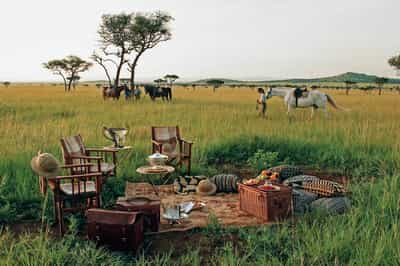
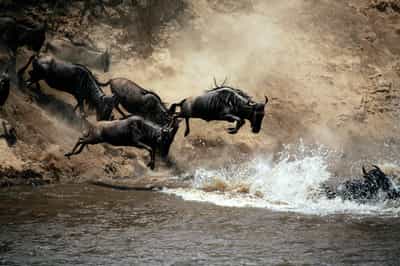
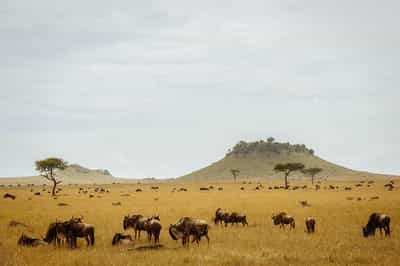
From July, millions of wildebeest crest over the plains of the Serengeti on their ever-moving circuit where the thought of fresh grasses is enough to make them plunge across the flowing Grumeti and Mara Rivers. Drive across the savannah, led by your guide with a good nose for finding the action, and watch enthralled as life and death plays out before your eyes. The wildebeest gather like a storm on the southern banks before making a mad dash across the river, Nile crocodile snapping at their heels and big cats waiting to meet them on the other side. This display of pure nerve is one of the most epic events on the African safari calendar and you can easily spend an entire day out!

Spot wildlife on a Lake Manyara bush walk

After you've hit the safari highlights on a game drive, take things a little slower with a bush walk. Your guide will use their expertise to show you the finer details of Lake Manyara. As you explore the floodplains and forests (listen out for the chatter of monkeys), spot the tiny dung beetle as it rolls its cargo, find the skeleton of a hyena's prey and learn the names and uses of the plentiful flora. Let your gaze wander to the lake, treetops and sky to catch the flash of wings as hornbills, eagles and flamingos (plus many more) take flight.

Experience the wildebeest calving in the Serengeti

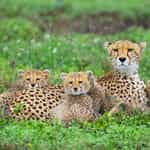
After the rains turn the southern Serengeti every shade of green, wildebeest calves are born in their thousands, sometimes even up to 8000 births in one day! This miracle all happens over three weeks in February. Take a drive to witness young wildebeest take their first tottering steps and build up their strength to join the great migration to the north. Watch in wonder as newborns snack on fresh sprouts and frolic in the plains, watched over by the protective matriarchs. The beginning of the year also marks the well-timed birthing season of the Serengeti's major predators, when lion and cheetah cubs learn the art of the hunt. Be prepared to see the beauty of new life while the reality of nature follows in quick succession.

Stop for shopping at Shanga and lunch at Arusha Coffee Lodge

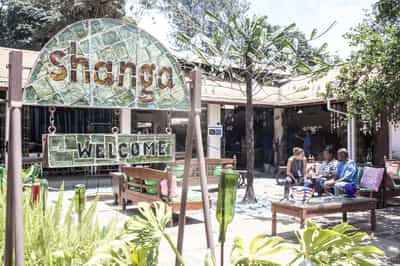
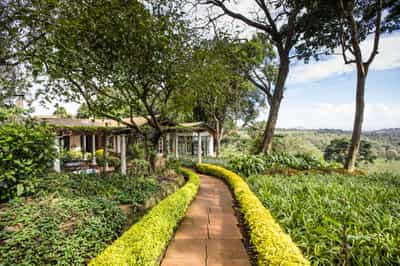
A community-led and heartfelt project, Shanga (the Swahili word for bead) has grown from humble beginnings to a thriving Arusha gem. It was created to provide skilled job opportunities to differently-abled people from Tanzania, offering training in everything from needlework and jewellery-making to metal work and glass blowing. At Shanga, pick up one (or many) of these unique, hand-crafted items and learn a new skill like Maasai beading or Swahili sign language. Afterwards, enjoy lunch at the Arusha Coffee Lodge.

Explore the city of Arusha on a half day tour

Get to know this often-overlooked and underrated city set in the magnificent shadow of Mount Meru. Join a local guide as they share the history of Arusha and its people. You'll visit the fascinating Museum of Natural History and Cultural Heritage Centre, where you'll gain great insight into Tanzania's 120-plus tribes through carvings and artifacts, and its thriving art scene. Peruse the exhibits at the Tanzanite Museum and learn the lore behind the discovery of this ocean-blue stone, which is only found in a small area below Mount Kilimanjaro. Then, stop off for lunch at a local haunt.

See birds and wildlife on a canoe safari in Arusha

Arusha National Park is one of the few destinations in Tanzania where canoeing is possible. Take your pick between Momella Lake and Lake Duluti, which was left behind by erupted volcanoes. Birdlife is bright and plentiful, including elegant flamingoes and fish eagles, uproarious great kingfishers and hoards of cattle egrets who roost on islands at sunset. While canoeing on Momella Lake, keep your eyes peeled for buffalo, giraffe and snorting hippo.

Safari by Mountain Bike in Arusha National Park

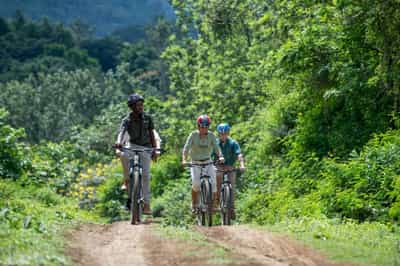
Take in the sights of Arusha's countryside on a bicycle ride led by a well-experienced guide. You'll venture through the forests in Mount Meru's foothills, through savannah and past little local villages. Take in the endless, China-blue sky, superlative landscapes and wildlife on this diesel-free safari. For the avid mountain biker, there is the option to do a multi-day cycling expedition.

Take a day hike on the foothills of Kilimanjaro

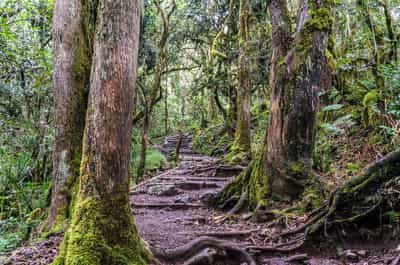
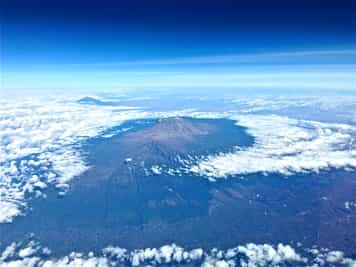
Leave Arusha at around 5 am and, after a hearty sunrise breakfast, you'll begin the 1,000-metre hike, moving up the western facade of Mount Kilimanjaro. Along the way, you'll spot colobus monkeys, verdant birdlife and even hear elephant tramping through the trees. Your destination is the vast 500,000-year-old Shira Plateau, where you can stop for lunch or forge on to see Lion Gorge and the Shira Pinnacles. From here, the iconic, snow-capped peaks and glaciers are visible. It's best to avoid the rainy season and the optimal conditions occur between January - early March and June - October.

Meet the Maasai people of Lake Manyara

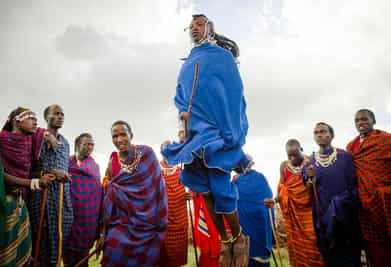
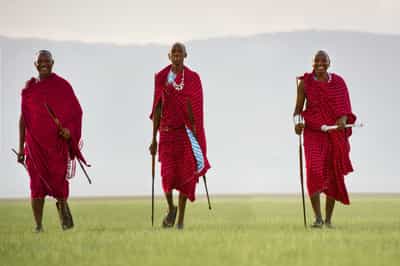
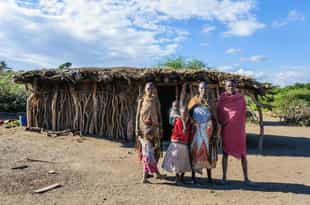
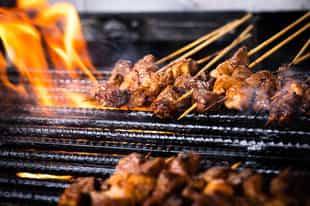
Lake Manyara may conjure up images of epic birdlife and dreamy views, but it wouldn't be a trip to Tanzania without meeting the Maasai. As the keepers of East Africa, their culture is deeply embedded into the landscape. Drive across the plains to a nearby homestead where huts have been built the same way for thousands of years. You'll be greeted by the formidable figure of a Maasai warrior, dressed in a red shuka and a spear in hand. If you make an early start, you can join a Maasai warrior for a trail run - there's no one better! Watch in amazement as the warriors try to best each other in a leaping dance and share a traditional meal of corn polenta (ugali) and beef - if you're brave, sample the local beer!

Explore Lake Manyara's forest on treetop walkways

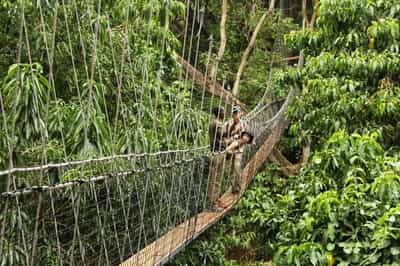
Take your safari experience to new heights, specifically the height of a mahogany tree in the lush forests of Lake Manyara. Enjoy a walkabout through the canopies of this ancient forest as you cross a series of suspension bridges, stopping at tree trunk lookout points to spot the flutter of a silvery-cheeked hornbill and scampering blue monkeys. Don't forget to look down either as antelope, buffalo and pint-sized dik dik wander through the trees below, and you'll sometimes be surprised by an elephant ambling passed. This family-friendly excursion is a top-notch way to dip your toes in the water of Lake Manyara National Park.

Explore the markets of Mto Wa Mbu village

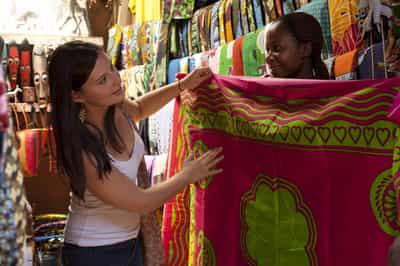
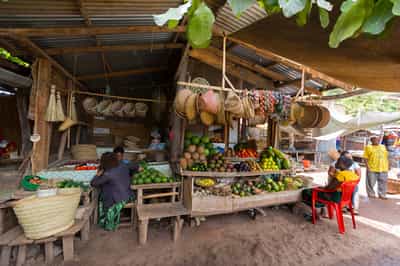
Enjoy a drive across the wilds of Lake Manyara National Park where you'll stop at the village of Mto wa Mbu. Home to around 120 Maasai tribes with their own unique language and customs, the village is a riot of colour and bustling activity. Stroll through the Maasai Market with vibrant stalls of fruit, handmade shukas and beaded jewellery. Sample traditional dishes washed down with banana beer, learn all about the the art of Makonde carving and be amazed by the leaping Maasai dances. The village has some stunning views of the Great Rift Lake and down by the lake, you'll find a gushing waterfall to swim beneath.

Track Ngorongoro crater's wildlife on a game drive

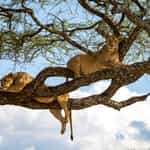
Depart camp at dawn or in the late afternoon sunshine to discover the epic wildlife of Lake Manyara. With your knowledgable guide to lead the way, endless floodplains, acacia woodlands and shimmering lake reveal grazing plains game, herds of trumpeting elephant and lion draped over the branches of a mahogany tree, not to mention the clouds of pink flamingo. Stop on a grassy spot near the lake to enjoy a morning cuppa or ice-cold sundowner as incredible birdlife dips in and out of the water. As one of Tanzania's smallest and most underrated parks, Lake Manyara has one of the country's highest wildlife densities and you'll have few other safari-goers to contend with.

Discover the history of Olduvai Gorge, Ngorongoro

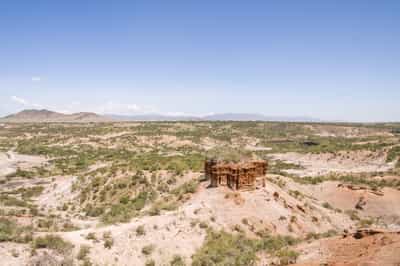
The Great Rift Valley tells the history of Africa in its caverns and canyons, and one of the most mysterious is the Olduvai Gorge. Made famous by the discovery of fossils from early hominids who lived around 2 millions years ago, the gorge is filled with intrigue. Delve into its history at the museum where you'll learn about the stone tools and mammal fossils found over decades and, if you're lucky, watch archaeologists at work on an active dig. If you visit between June and October, there are usually researchers at Olduvai who have some fascinating stories to tell. The Olduvai Gorge makes a lovely and very scenic stop between Ngorongoro and the Serengeti.

Go on a cultural tour around Ngorongoro

The Ngorongoro may conjure up images of epic wildlife and dreamy views, but it wouldn't be a trip to Tanzania without meeting the Maasai. As the keepers of this land, their culture is deeply embedded into the Ngorongoro. Drive across the highlands to a nearby homestead where you'll be greeted by the formidable figure of a Maasai warrior, dressed in a red shuka and spear in hand. Watch in amazement as the warriors try to best each other in a leaping dance and share a traditional meal - if you're brave, sample the local beer!

Hike the vast and dramatic Empakai Crater

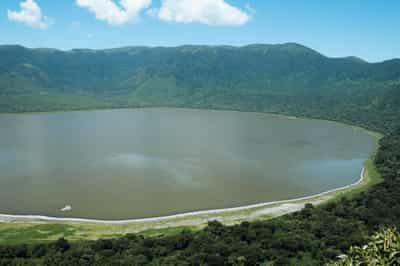
Leave camp just after dawn or in the soft sun of the afternoon, to explore the Ngorongoro's little brother on foot. The Empakai Crater is an ancient volcano caldera ringed by walls of lush forest where birds of every feather flit between the strangler figs and you may spot blue monkeys swinging from branches and bushbucks in the thicket. At the crater's edge, you can see the endless Tanzania plains, the snow-topped Mount Kilimanjaro and Tanzania's most recently active volcano. In the crater's belly, a glimmering alkaline lake is home to a flurry of flamingo and buffalo who stop for a drink. It's quite a trek so reasonable walking fitness is a 'must'.

Visit the Ngorongoro coffee plantations

Ngorongoro may be where the wild things are but it's also where coffee runs through the veins! Drive out through scenic valleys to a hilltop coffee farm where you'll walk amongst the fragrant, bean-laden bushes protected by a canopy of acacias. Have a nosey and learn how coffee is planted, pruned, harvested and fermented, before being dried and finding its way into your cupboard. Soak up the views with a cup of the good stuff before you return to your lodge.
Previous Next
31 - 60 of 100 experiences
Where To Go
Pin Icon

Namibrand, Namibia